
Reviewed · WALKING TOURS
Charleston: Old Walled City Historical Walking Tour
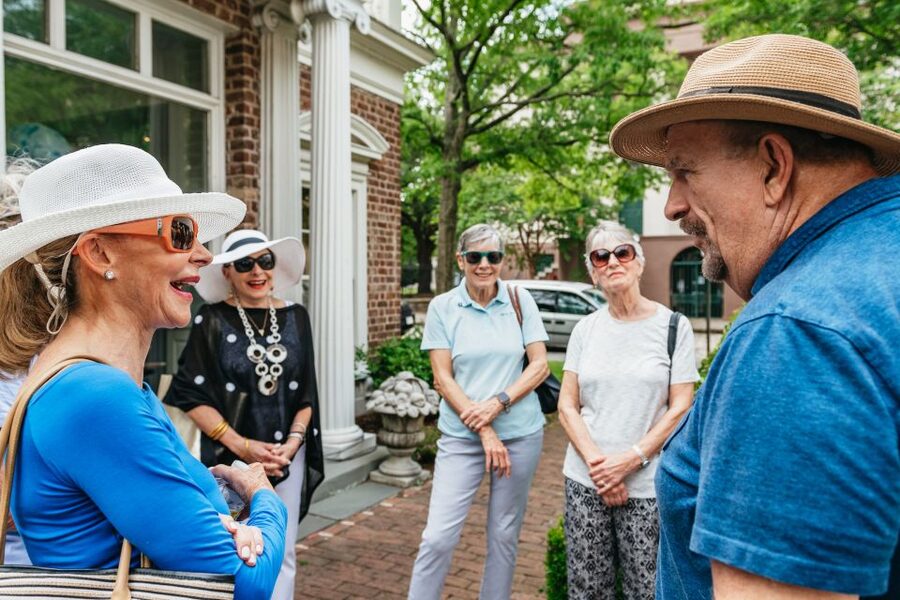
Charleston changes when you walk its walls. What I like most is the 7th-generation local storytelling and how the tour links today’s streets to major turning points like disasters and rebuilding. The only real drawback is the pace, since two hours means a serious amount of walking on uneven ground.
Meeting at the corner of Meeting Street and Chalmers Street gets you into the action fast. For $30 per person and a 2-hour format, this is one of the better ways to get your bearings in the historic district, especially with a live English-speaking guide and a strong overall rating of 4.7 out of 5.
In This Review
- Key things to know before you go
- Charleston’s walled streets make the past make sense
- Meeting on Meeting Street: logistics that matter
- The French Quarter stretch: where the city story starts
- Dock Street Theatre: a stop that adds rhythm to the walk
- Old Exchange and Provost Dungeon: power and punishment in one place
- Waterfront Park to Rainbow Row: beauty after upheaval
- Heyward-Washington House: a quick hit of colonial architecture
- More historic streets and St. Michael’s Episcopal Church
- Why disasters are not an afterthought here
- Guides make or break this tour, and this one leans hard into storytelling
- Price and value: $30 is the easy math, but here’s the real reason
- Who this walking tour fits best
- Should you book Charleston Old Walled City Historical Walking Tour?
- FAQ
- How long is the Charleston Old Walled City Historical Walking Tour?
- Where is the meeting point?
- How much does the tour cost?
- Is the tour guide speaking English?
- Is this tour mostly walking?
- What should I bring?
- Can I cancel and get a refund?
- Do I pay immediately when I book?
Key things to know before you go

- You get a real local guide who tells the city like a story, not a slideshow, with guides including Al, Bruce, Eric Wright, Ed, and Kent showing up in different groups
- You’ll walk the “only English, walled city in North America” area, so the street pattern itself helps explain the history
- Every stop connects to a bigger theme, like piracy, rice-planter wealth, and the constant cycle of rebuilding
- Disasters are front and center, including seven major fires, hurricanes, epidemics, sieges, bombardments, and a devastating earthquake
- The tour leans into details, from architecture notes to old symbols you can spot at historic church sites
- The route can be adjusted in practice, and I’d bring up comfort needs early if you have mobility or hearing challenges
Charleston’s walled streets make the past make sense

Charleston can feel like a pretty postcard until someone explains why the place looks the way it does. The walled layout matters. When you walk the perimeter and the streets inside it, you start to see how people moved, traded, defended themselves, and rebuilt after repeated setbacks.
This tour’s big strength is that it doesn’t treat history like museum glass. Your guide ties architecture, neighborhoods, and landmarks to cause-and-effect. One minute you’re looking at a church or an old home. The next, you’re hearing how the city’s fortunes changed after fires, hurricanes, sieges, and other disasters, including that devastating earthquake.
That “connect the dots” style is exactly why I think this is such good value for first-timers. In two hours, you’re not trying to memorize everything. You’re learning how Charleston works.
More Walking Tours in Charleston
- Historic Charleston Guided Sightseeing Walking Tour
★ 5.0 · 6,216 reviews - Ghosts of Charleston Night-Time Walking Tour with Unitarian Church Graveyard
★ 4.5 · 2,835 reviews - Hidden Alleyways and Historic Sites Small-Group Walking Tour
★ 5.0 · 2,335 reviews
Meeting on Meeting Street: logistics that matter
You meet on the sidewalk at the corner of Meeting Street and Chalmers Street, the cobblestone part of the city. You start and end at Shop Historic Charleston, so you’re not hunting for a new landmark at the finish.
Plan for comfortable shoes and water. This is a walking tour, and the route covers enough ground that you’ll feel it by the end, even if you’re used to walking on vacation. Weather matters too. Bring sunscreen and dress for heat or sudden cloud cover.
Also, keep your expectations grounded on the pace. It’s a tight two hours, so the guide’s stories stay punchy and continuous, which is great if you love narration. If you’re hard of hearing or you need clearer sound, choose a spot close to the guide and ask early for a slower, louder pace if needed.
The French Quarter stretch: where the city story starts
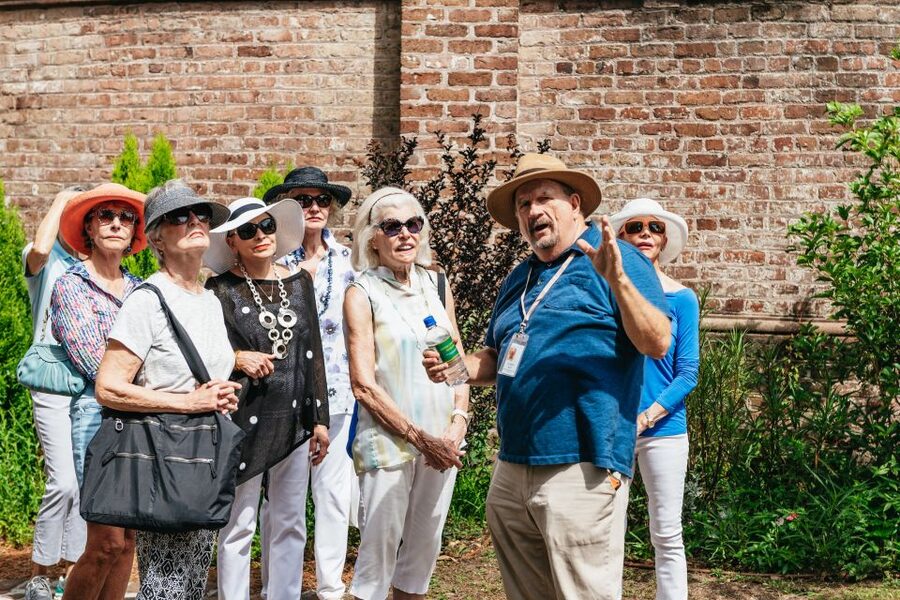
The walk kicks off in the French Quarter, and you spend the most time there, about 50 minutes. This is the part of Charleston where you can feel the layers most quickly. You’ll see the mix of historic storefronts, churches, and homes that anchor the district’s early character.
A good guide turns this area into a timeline you can walk through. You’ll hear how Charleston grew, how cultural influences mixed, and how the city’s rise shaped daily life long before modern roads and traffic.
I also like that the guide doesn’t just point at buildings. They treat streets like evidence. If you enjoy architecture details and the little visual clues people often miss, this long start gives you time to absorb them without rushing past everything.
Dock Street Theatre: a stop that adds rhythm to the walk
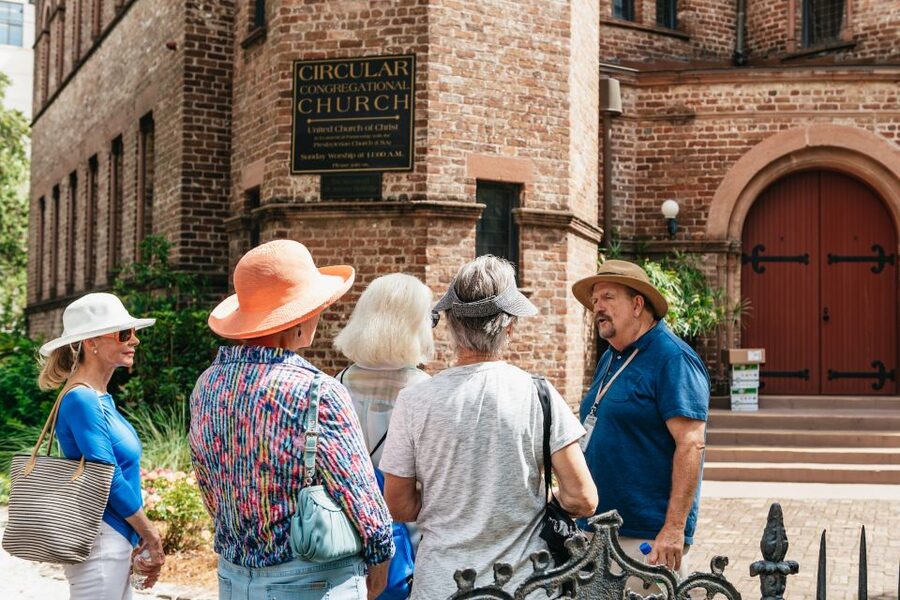
After the French Quarter, you make a photo stop and continue through another historic stretch that includes Charleston County stops along the way. This segment helps you widen your frame from “pretty street” to “organized city.”
Then you reach Dock Street Theatre for a short photo stop and a bit of time to visit. In a tour like this, stops like Dock Street Theatre work because they break up the walk and shift the mood. The guide can move from colonial-era themes into more cultural and civic stories, while keeping you moving.
The key here is pacing. Even with just 15 minutes at this stop, it’s enough time to let the guide’s explanation land before you’re on to the next landmark.
Other Charleston outings to compare
- Highlights of Charleston Guided Walking Tour
★ 5.0 · 2,206 reviews - Charleston Haunted Booze and Boos Ghost Walking Tour
★ 5.0 · 1,569 reviews - Charleston’s Pleasing Terrors Night-Time Walking Ghost Tour
★ 5.0 · 1,345 reviews - Charleston historical walking tour with a Professor of History at The Citadel
★ 5.0 · 1,284 reviews
Old Exchange and Provost Dungeon: power and punishment in one place
Next comes one of the more dramatic names on the route, Old Exchange & Provost Dungeon. You’ll take a photo stop here and then keep walking, with about a dozen minutes allocated for this segment.
This is the kind of stop that makes Charleston’s past feel real. The name itself points to two sides of city life: business and discipline. Your guide uses the location to explain how Charleston functioned, including the harsh edges of authority and control during different periods.
What I value most is that the guide connects this to larger themes, like the city’s strategic importance and the way conflict, trade, and rebuilding shaped what came next. You’re not only seeing a historic structure. You’re hearing why it existed in the first place.
Waterfront Park to Rainbow Row: beauty after upheaval
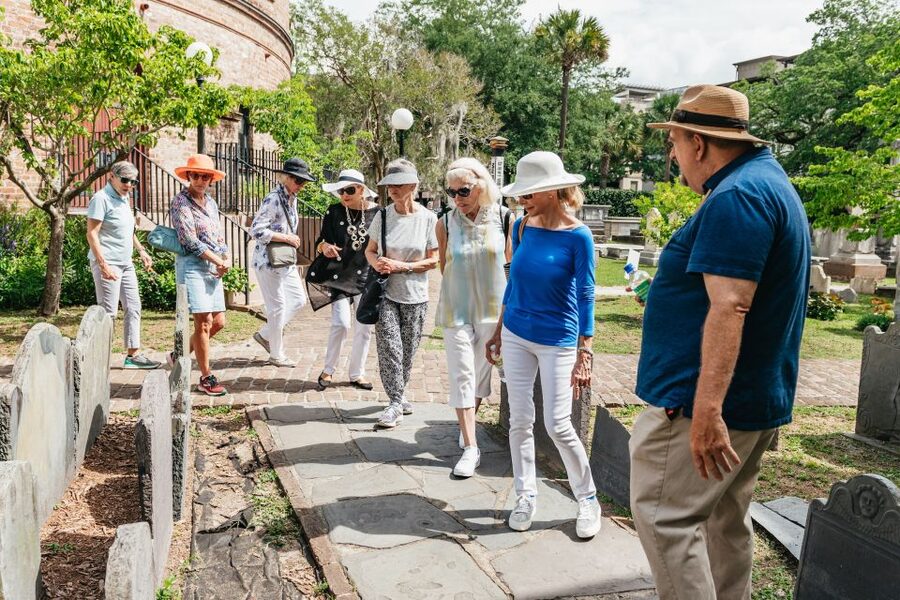
You then reach Waterfront Park, with a photo stop and scenic views on the way for about 15 minutes. This break in the narrative is helpful. It gives your eyes a rest while the guide continues threading the history through the city’s waterfront-connected story.
After that, you hit Rainbow Row for a shorter photo stop, about seven minutes. Rainbow Row is one of Charleston’s instant-recognition sights, and your guide helps you see it as more than a postcard. They’ll explain how Charleston’s fortunes rose and fell, and why people rebuilt in ways that preserved the city’s character even after repeated crises.
This is where the tour’s disaster theme pays off. When you understand that Charleston faced repeated fires, hurricanes, epidemics, sieges, bombardments, and even a devastating earthquake, the charm starts to feel earned. The colorful homes become symbols of survival and persistence, not just visual style.
Heyward-Washington House: a quick hit of colonial architecture
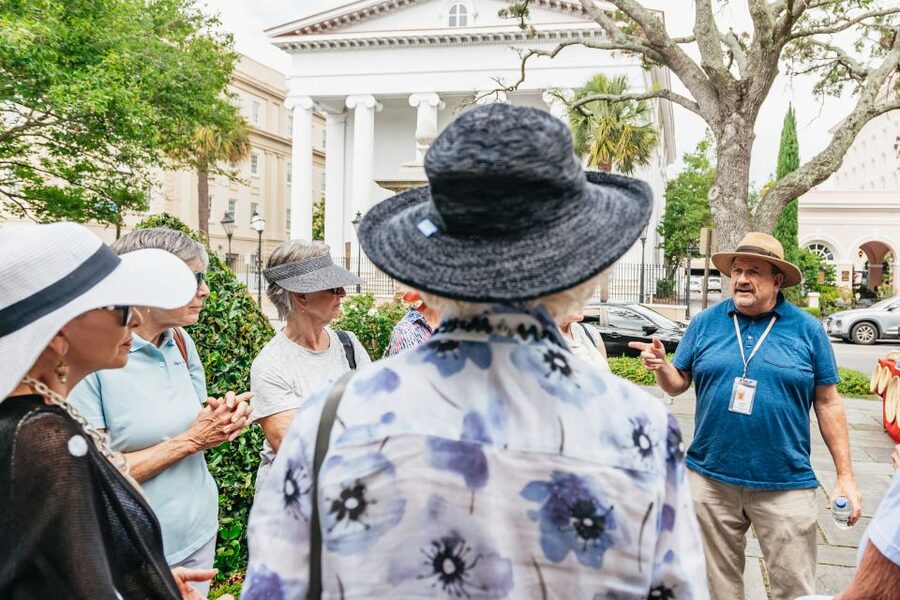
The next stop is Heyward-Washington House, with a brief photo stop and about five minutes of time. This is not a slow, stand-and-stare museum moment. It’s a quick architectural checkpoint.
Your guide uses it to highlight how families, wealth, and social structure shaped the built environment. In a two-hour tour, these short stops matter because they keep your attention rotating among different time periods and building types. You get the overall story without needing hours inside any one site.
If you love architecture, I’d treat this stop as your prompt to look closely. Notice materials, layout, and the general style your guide points out. Even a short visit becomes memorable when you’re listening for what to look at.
More historic streets and St. Michael’s Episcopal Church
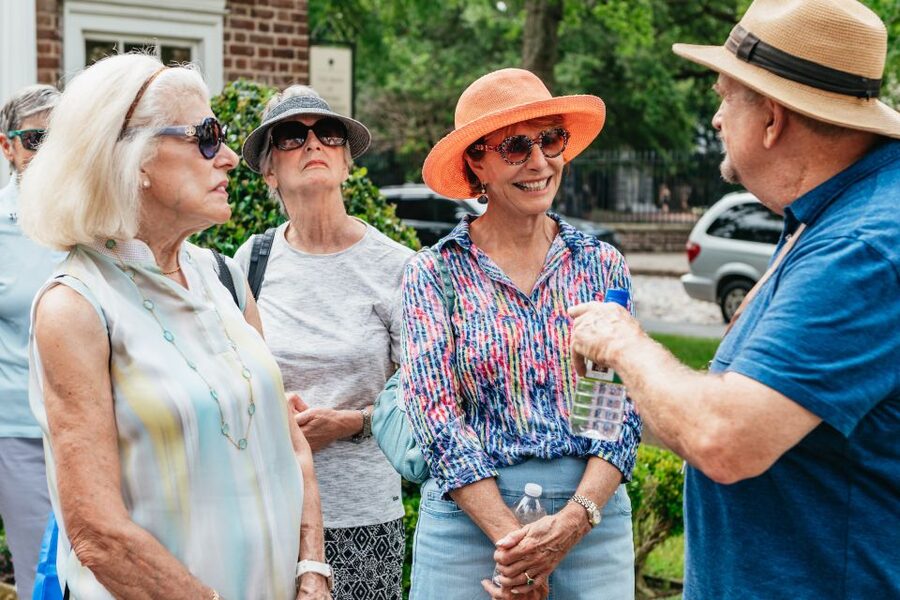
There’s another photo stop in the heart of Charleston that runs about 12 minutes. Think of it as time to reframe what you’ve learned, capture images, and listen for the guide’s connections between neighborhoods and historical phases.
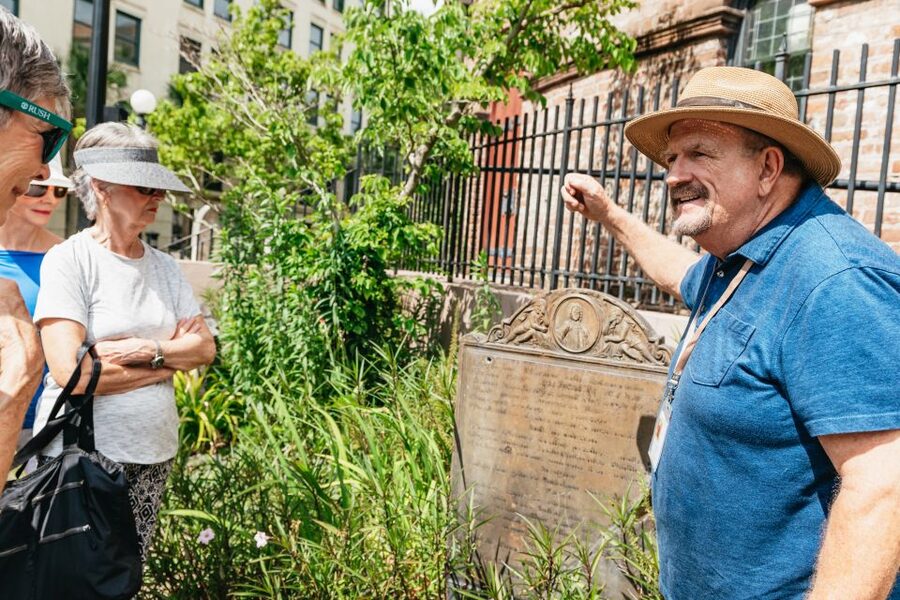
Then you close with St. Michael’s Episcopal Church. You’ll have a photo stop and time for sightseeing. This is one of the tour’s most meaningful stops because it’s where the guide can connect visible details to the people who lived, died, and were remembered in Charleston over time.
The tour also mentions ancient symbols on tombstones, and historic church sites are often where those details are easiest to spot. Even if you’re not a deep-studying symbolism type, your guide’s notes make you look at grave markers and the surrounding area with more care.
Why disasters are not an afterthought here
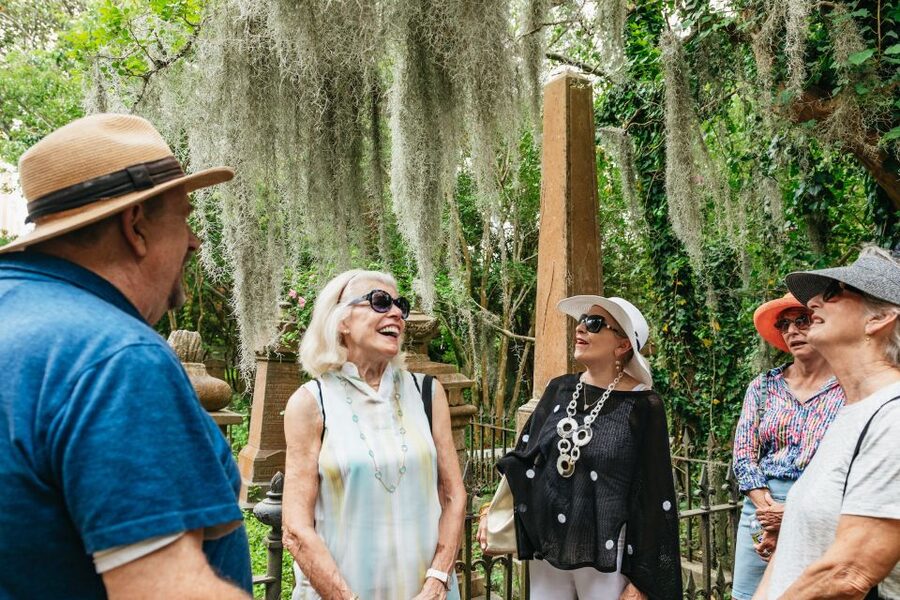
Charleston’s history is full of setbacks, and this tour treats them like plot points, not trivia. Your guide covers seven major fires, hurricanes, epidemics, sieges, and bombardments. Then they also bring in a devastating earthquake.
Here’s why that matters for you as a visitor. If you only see the surviving buildings and ignore the disasters, the city feels random, like good taste won on luck. When you hear the pattern of destruction and rebuilding, you understand why certain areas developed as they did and why the city’s character changed in waves.
It also changes how you read the streets. After you learn that multiple fires reshaped the city, you stop thinking only about beauty. You start thinking about materials, construction choices, and how people rebuilt with what they had.
And if you like history that connects to real human experience, the tour’s approach has an extra edge. Epidemics, sieges, and earthquakes are not distant facts. They shaped who survived, who prospered, and what parts of the city endured.
Guides make or break this tour, and this one leans hard into storytelling
The most praised element here is the guide. Names that show up for different groups include Al, Alfie, Alfred Ray, Ed, Bruce, Eric, Eric Wright, and Kent. Across those different guides, a consistent thread appears: humor, enthusiasm, and a steady flow of facts that stay tied to what you’re seeing.
I like that the best guides on this walk do more than recite dates. They explain why the city was shaped by certain events, then they land the point back on a building, a street corner, or a church detail. That’s how history becomes usable, not just interesting.
You’ll also notice how the guide handles questions. People get time to ask and get straight answers. One strong theme is that the guide pays attention to the group’s interests and can adjust the feel of the walk, including choosing routes that keep things comfortable when possible.
One small caveat: because it’s an animated, fast-moving two hours, the pace and voice level can be an issue for some people. If you need slower speaking, better sound, or more breaks, speak up early.
Price and value: $30 is the easy math, but here’s the real reason
At $30 per person for a two-hour guided walking tour, the math is simple. It’s a low-cost way to get expert interpretation without paying for multiple paid attractions.
But value isn’t only price. It’s also what you get inside those two hours:
- A live guide in English
- Stops at major landmarks across the historic district
- A narrative that connects colonial roots, piracy-era shifts, and rice-planter prosperity to disasters and rebuilding
If you’re deciding between wandering alone and taking a guide for the same time window, this tour tends to win because it teaches you what to notice. You don’t just walk the streets. You learn the city’s logic while you’re still there.
Who this walking tour fits best
This is a strong match for:
- First-time visitors who want their bearings fast in central Charleston
- People who love walking tours that actually explain what you see
- Anyone drawn to stories that include both triumph and trouble, including natural disasters and difficult chapters
It may be less ideal if:
- You hate walking on cobblestones and uneven sidewalks
- You need a slower pace or frequent breaks
- You prefer quiet, self-guided sightseeing only
If you’re visiting with kids, it can work well as an orientation tour, as long as your group enjoys standing still briefly for photo stops and listening for story-driven explanations.
Should you book Charleston Old Walled City Historical Walking Tour?
Book it if you want a high-value introduction to Charleston that connects architecture to big historical events. The $30 price for a guided, two-hour walk feels fair, especially because the tour focuses on how Charleston survived, rebuilt, and changed over time.
Skip it or be cautious if you’re sensitive to walking volume or need a very slow pace. This is not a sit-down history lecture. You’ll be moving through the historic core, and you’ll get the most from it if you’re ready to walk and listen.
If you do book, come with comfortable shoes and a willingness to look at familiar landmarks through new context. The city gets better when someone shows you what the streets are trying to say.
FAQ
How long is the Charleston Old Walled City Historical Walking Tour?
The tour lasts about 2 hours.
Where is the meeting point?
Meet on the sidewalk at the corner of Meeting Street and Chalmers Street, the cobblestone area.
How much does the tour cost?
The price is $30 per person.
Is the tour guide speaking English?
Yes, the tour is conducted with a live English-speaking guide.
Is this tour mostly walking?
Yes. It involves a substantial amount of walking, so comfortable shoes are important.
What should I bring?
Bring comfortable shoes, sunscreen, and water, plus weather-appropriate clothing.
Can I cancel and get a refund?
Yes. You can cancel up to 24 hours in advance for a full refund.
Do I pay immediately when I book?
You can reserve now and pay later, so you do not need to pay immediately today.
More Historical Tours in Charleston
- Charleston’s Old South Carriage Historic Horse & Carriage Tour
★ 5.0 · 10,023 reviews - Charleston Horse-Drawn Carriage Tour: Explore Historic Charleston
★ 5.0 · 3,561 reviews - Charleston Harbor History Day-Time or Sunset Boat Cruise
★ 4.5 · 2,788 reviews - Charleston: Daytime or Sunset Historic Harbor Cruise
★ 4.5 · 1,352 reviews
Newest Charleston reviews on the site
- Middleton Place Admission with Self Guided Tour and Lunch★ 4.5 · 326 reviews
- Charleston Ghosts of Liberty Guided Walking Tour★ 4.5 · 473 reviews
- Charleston Chicora 2 Hours Walking Tour★ 5.0 · 264 reviews
- Charleston’s Best Highlights: History, Culture & Architecture★ 5.0 · 422 reviews
- Small-Group Tour: Charleston Old Walled City Historical Walking Tour★ 4.5 · 283 reviews
- 2-Hour Guided Kayak Eco Tour in Charleston★ 5.0 · 954 reviews
- Sip History in The Sun Cabana Covered Cocktail Class★ 5.0 · 332 reviews
- Private Luxury Yacht Charters, BYOB & Dolphins★ 5.0 · 395 reviews
Walking Tours, compared.

History and Hauntings of Salem Guided Walking Tour
Read our review →
New Orleans Premier Ghost, Voodoo and Vampire Walking Tour
Read our review →

Freedom Trail History Small Group Walking Tour
Read our review →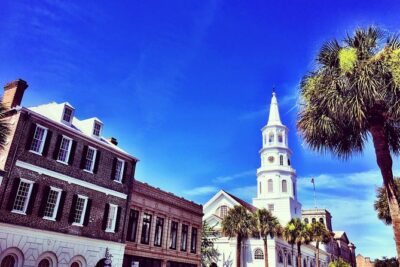
Historic Charleston Guided Sightseeing Walking Tour
Read our review →
New Orleans Food Walking Tour of the French Quarter with Small-Group Option
Read our review →
St. Louis Cemetery No. 1 Official Walking Tour
Read our review →Browse the lists this tour appears in