
Reviewed · SNORKELING
Manta Ray Night Snorkel Kona – Coral Reef Snorkel Adventures
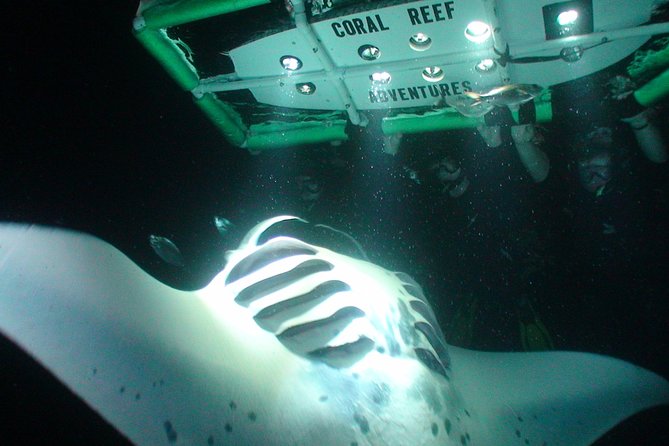
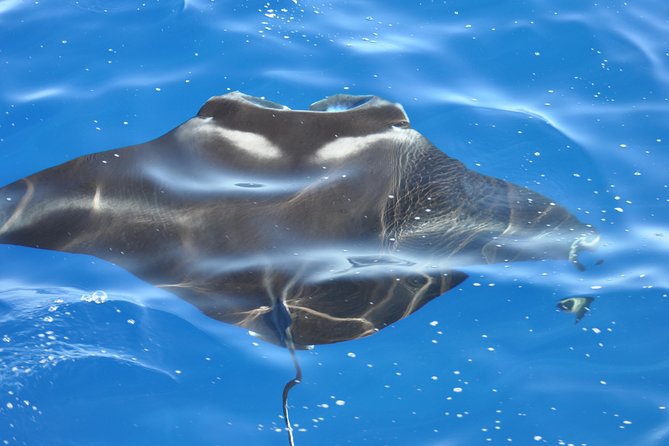
Manta rays at night feel unreal. This Kona tour takes you out after dark for a guided snorkel around a lightboard where manta rays feed on plankton, with more than a 90% chance of spotting them. I like how the whole setup is geared toward seeing these giants up close without messing up their space.
My second favorite part is the small-group feel, with a maximum of 12 travelers on the vessel and close guide attention once you’re in the water. You also get snorkeling gear, plus snacks and non-alcoholic drinks during the experience, so you are not starting hungry or finishing empty.
One thing to think about first, the ride can be bumpy, and the in-water holding style can feel like a mini workout. If you are sensitive to motion, bring a plan for seasickness and be ready for a chilly return.
In This Review
- Key highlights you should care about
- Kona manta ray night snorkel: what makes it worth doing
- Getting to Honokohau and setting expectations for the night ride
- Once you are in the water: how the lightboard changes everything
- Snorkel technique and the physical reality of the holding position
- What happens on the boat, snacks, and the vibe on a small group
- Value check: is $125 a good deal for Kona manta rays?
- Who should book this manta ray night snorkel, and who should skip
- My call: should you book Coral Reef Snorkel Adventures?
- FAQ
- Where is the manta ray night snorkel tour meeting point?
- How long is the tour?
- What are the chances of seeing manta rays?
- What snorkeling gear is included, and what should I bring?
- Do I need to be able to swim?
- Is this tour okay for travelers with neck problems?
- How big is the group?
- What if the weather is bad?
- Is there free cancellation?
Key highlights you should care about
- More than 90% odds of manta rays in their natural habitat at night
- Lightboard plankton viewing so you can watch feeding behavior up close
- Small-group boat access (up to 12) for better guidance and less crowding
- Snacks and non-alcoholic drinks included during the tour
- Gear provided, but you must bring a towel and be able to swim without flotation
Kona manta ray night snorkel: what makes it worth doing
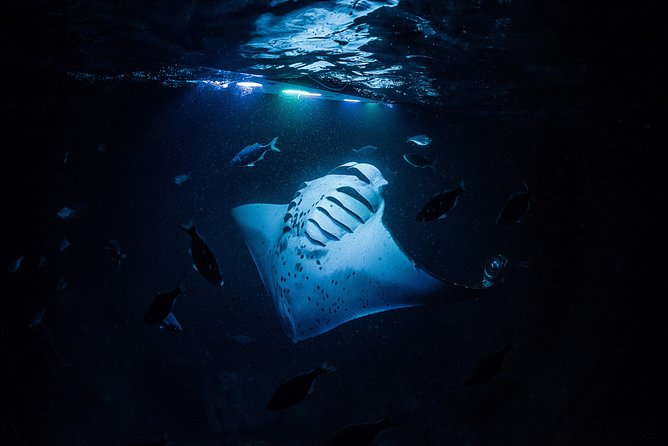
Kona at night has a special kind of electricity. Put that together with manta rays cruising in for feeding, and you get a snorkeling trip that feels less like a checklist stop and more like a front-row nature show.
What makes this experience stand out in a practical way is the combination of timing and tech. The tour runs after dark when manta rays are known to be most active, and the lightboard attracts plankton. Mantas follow the food, so you spend your limited time in the water watching a feeding scene rather than just hoping you see something far out.
Also, this is not a hands-off event where you float around and hope. The guide gives safety instruction for swimming and snorkeling in a way that helps you observe marine life without disturbing it. That matters, because the closer you are to animals like manta rays, the more important your technique becomes.
Still, I would go in with realistic expectations. A “more than 90%” chance is strong, but it is not a magic guarantee. On any night, water conditions and animal movement decide the final score.
Other Big Island of Hawaii outings to compare
- Big Island Manta Ray Night Snorkel
★ 5.0 · 5,656 reviews - Big Island: Kona Manta Ray Snorkel Tour in Keauhou Harbor
★ 4.5 · 2,465 reviews - KONA Manta Ray Night Snorkel – FREE re-ride if no Sightings
★ 5.0 · 2,212 reviews
Getting to Honokohau and setting expectations for the night ride
You start at the Coral Reef Snorkel Adventures location on Kealakehe Pkwy in Kailua-Kona. From there, you are escorted to the small boat, with the trip starting from the Honokohau Small Boat Harbor area. The activity ends back at the meeting point, so you do not have to puzzle out transportation after dark.
The timing is the real clue that the night ride is part of the experience. You are going out after dark, and manta rays are typically most active then. That means you should plan to be a bit flexible. You are not touring on a neat schedule where everything feels calm and predictable, because ocean conditions decide how smooth the ride is.
Here is what you should know based on the experience pattern many people describe: the outward trip can be fast and choppy, especially at the start as you head to the sweet spot. The return ride can also feel rough, and some people report getting cold afterward. If you have motion sensitivity, this is the biggest practical “consideration” on the whole tour.
Once you are in the water: how the lightboard changes everything
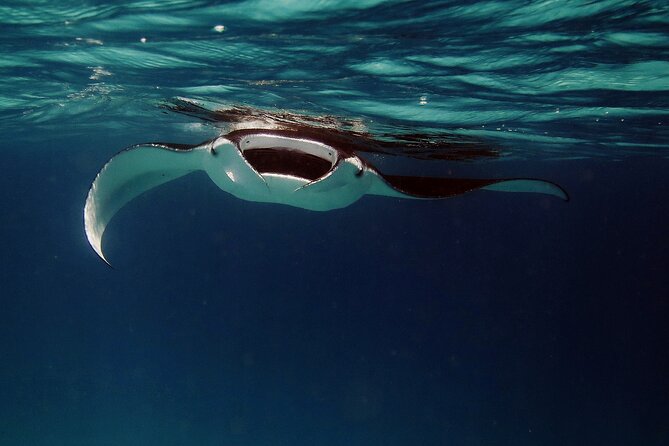
The core action happens when you get into the water and hop onto the lightboard setup. The whole point is that plankton gathers around the light, and manta rays feed there. That is why this works as a night snorkel, not just a night boat ride.
When you see manta rays near the board, you are getting behavior you rarely catch in daytime snorkeling. You are watching their pace, their patterns of turning, and how they move through the feeding zone. Many people describe mantas coming in very close to where the board is, which is exactly the effect you want from using a small boat and a focused viewing spot.
The guide’s job in the water is more than “here is your mask.” You get instruction on how to position yourself, how to snorkel safely, and how to avoid disturbing marine life. That matters because manta rays are gentle, but they are still wild animals. The closer your body is to the system, the more you need to follow the guide’s cues.
One more useful detail: you may share the area with other tour groups. That does not ruin the experience, but it can mean you bump into feet or deal with some crowd energy in the water. If you want a calmer feel, you will enjoy the small-group approach, but you should still expect some “working around” other swimmers during peak manta activity.
Snorkel technique and the physical reality of the holding position
This tour is built for people who can swim confidently without flotation assistance. The requirement is clear: you must be able to swim without a floatation device, and you should have moderate physical fitness. There is also a stated max weight of 280 pounds per traveler.
In the water, a lot of the viewing happens while you hold onto the board. One of the most repeated practical notes is that the holding position can resemble a “Superman” style float for stretches of time. Your arms may be outstretched while you hang on to the board, and you may feel your shoulders working. For most healthy swimmers, it is manageable, but if you have weak upper body strength, it is not something to ignore.
You should also factor in entry and exit. Climbing back into the boat can be tricky because you may use a ladder and step onto a moving craft. If you have knee issues, think about how you handle stairs and ladders. Several people highlight that the return can be rough, which makes that ladder moment even more important to plan for.
Also, the tour is not recommended for travelers with neck problems. If neck motion or sustained positions bother you, this is where you should listen closely to your own limits.
If you go, I recommend doing two things before you even arrive:
- Practice calm, slow breathing in open water with your snorkel gear at a relaxed pace.
- Mentally rehearse holding onto something steady for the time you are in position.
That simple preparation helps the experience feel magical instead of stressful.
Same corner of the map, another day out:
- Big Island in a Day: Volcanoes Waterfalls Sightseeing and History
★ 5.0 · 6,569 reviews - Hilo Shore Excursion: Volcanoes National Park & Black Sand Beach
★ 4.5 · 2,338 reviews - Big Island: Captain Cook Snorkel On A Power Catamaran With Lunch
★ 5.0 · 2,232 reviews - Manta Ray Night Snorkel at Kona, Big Island
★ 5.0 · 1,758 reviews
What happens on the boat, snacks, and the vibe on a small group
The boat ride is part of the atmosphere. You are out at night under real stars, and even when it feels bumpy, the setting can be stunning. People often mention the sunset on the way out, and even after dark, the sky becomes part of the show.
On the comfort side, this tour includes snacks and non-alcoholic drinks during the experience. That is not a luxury add-on. It helps you stay steady and comfortable once you are wet, cold, or just keyed up from seeing something big swim right under you.
Snacks being served later is a common detail in tours like this, so if you are the kind of person who eats early, plan to grab a meal before you go. You will have gear and instruction, but you will likely spend a chunk of time feeling focused, so having food in your system earlier is a smart move.
Group size also affects the vibe. The activity has a maximum of 12 travelers, which is smaller than the mega-boat format many people avoid in Kona. When the group is smaller, the guide can keep closer eyes on technique and safety, which gives you more confidence when you are in the water.
Value check: is $125 a good deal for Kona manta rays?
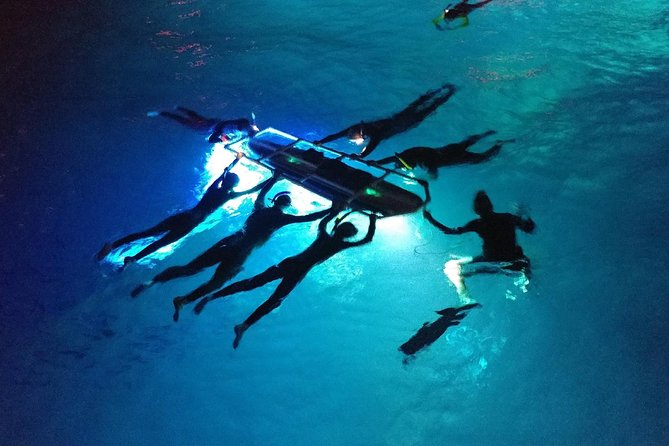
At $125 per person for about 1 hour 30 minutes, you are paying for three things: specialized night timing, access to a feeding setup, and guided safety in the water.
If you tried to DIY this, you would quickly run into the hard parts. Finding the right manta zone at night, knowing where the plankton and feeding activity concentrate, and executing safe snorkeling technique around big marine animals is not a casual search-and-spot situation.
You also get snorkeling equipment included. That alone saves you time and hassle, especially for travelers who packed light. Add in snacks and non-alcoholic drinks, and the price starts to feel more reasonable for what is essentially guided, equipment-supported ocean time.
The one “value risk” is sighting variability. The more than 90% chance is strong, but if you are unlucky on a particular night, you may leave wishing you had one more attempt. That is why I suggest booking earlier in your Kona schedule if you can, so you have room to adjust if conditions or timing do not line up.
Who should book this manta ray night snorkel, and who should skip
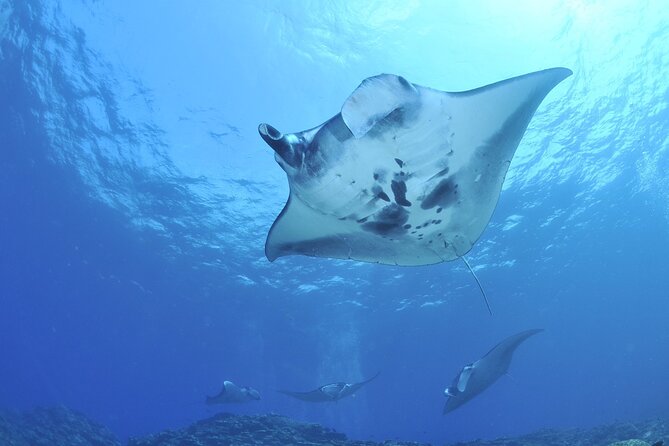
This tour is a great match if you want an up-close look at manta rays at night and you are comfortable swimming. It is also a strong pick for families and couples because the guide-driven format helps reduce the stress of “what do I do now?”
You should book if:
- You can swim without flotation device and you are comfortable in open water
- You have moderate fitness and can hold your position in the water for the viewing time
- You want guided instruction focused on safety and not disturbing marine life
- You are okay with a ride that can be bumpy and a return that can feel cool
You might skip or look for a different option if:
- Motion sickness hits you hard, because the ride can be rough for some people
- You have neck problems or you know certain sustained positions bother you
- You have knee or balance issues that make ladder climbing difficult
This is not a “sit back and watch from the boat” kind of outing. Your main job is staying relaxed, following the guide’s cues, and being ready for the holding position.
My call: should you book Coral Reef Snorkel Adventures?
If manta rays are on your Big Island must-do list, I think this tour is a smart booking. The lightboard feeding focus, the strong manta sighting odds, and the small-group access make it feel like you are working with the ocean instead of just crossing your fingers.
Book it if you can handle motion, swim confidently, and you do not mind shoulder work during the holding portion. Bring a towel, and plan to eat before you go so you are not waiting for snacks while you are already cold or keyed up.
Skip it if you are dealing with neck issues, you cannot swim without assistance, or your body simply cannot tolerate bumpy open-ocean rides. In those cases, the risk of a stressful experience is too high.
FAQ
Where is the manta ray night snorkel tour meeting point?
You meet at Coral Reef Snorkel Adventures at 74-425 Kealakehe Pkwy, Kailua-Kona, HI 96740. The tour ends back at this same meeting point.
How long is the tour?
The duration is about 1 hour 30 minutes.
What are the chances of seeing manta rays?
The tour states there is a more than 90% chance of spotting manta rays in their natural habitat.
What snorkeling gear is included, and what should I bring?
Snorkeling equipment is included. You should bring your own towel.
Do I need to be able to swim?
Yes. You must be able to swim without the assistance of a floatation device.
Is this tour okay for travelers with neck problems?
No. The tour is not recommended for travelers with neck problems.
How big is the group?
The activity has a maximum of 12 travelers.
What if the weather is bad?
This experience requires good weather. If it is canceled due to poor weather, you will be offered a different date or a full refund.
Is there free cancellation?
Yes. You can cancel up to 24 hours in advance for a full refund.
More Evening Experiences in Big Island of Hawaii
- Big Island GOAT Experience: Mauna Kea Summit, Sunset & Stars
★ 5.0 · 1,706 reviews - Big Island: Mauna Kea Summit Tour with Free Night Star Photo
★ 5.0 · 1,449 reviews - Sunset and Manta Ray Snorkel Adventure
★ 5.0 · 843 reviews - Manta Ray Night Snorkel in Kona
★ 5.0 · 777 reviews
More Snorkeling in Big Island of Hawaii
- Kona Snorkel Tour: Captain Cook Reef Snorkel, Dolphin & Sea Caves
★ 4.5 · 1,411 reviews - Glow of the Deep: Night Snorkeling with Manta Rays
★ 4.5 · 1,254 reviews - Manta Magic: Small-Group Manta Ray Night Snorkel in Kailua Kona
★ 5.0 · 1,141 reviews - Kona’s Best Morning Snorkel: Captain Cook & Kealakekua Bay
★ 5.0 · 957 reviews
Newest Big Island of Hawaii reviews on the site
- Zodiac Raft Whale Watching Adventure★ 5.0 · 456 reviews
- Kealakekua Bay Snorkeling Tour – 4 hour Kona Zodiac Adventure★ 5.0 · 508 reviews
- Whale Watching On The Big Island★ 5.0 · 573 reviews
- Volcano, Chocolate and Waterfalls of the Big Island★ 5.0 · 238 reviews
- Whale Watch Excursion from the Big Island★ 4.5 · 263 reviews
- Volcano National Park Adventure from Waikoloa★ 5.0 · 216 reviews
- Big Island, Hawaii: Volcanoes National Park Safari★ 4.5 · 545 reviews
- Hawaii Volcanoes, Waterfalls, Beaches & Hilo Highlights Day Tour★ 5.0 · 391 reviews
Snorkeling, compared.
Grand Tour Around Island 16 Locations plus Snorkeling
Read our review →
Oahu’s Ultimate Tour: Dole, Turtle Snorkel, Pali Lookout & More
Read our review →
Oahu Circle Island Tour with Turtle Snorkeling— Small-Groups
Read our review →
Waikiki, Hawaii: Turtle Canyon Snorkel Excursion
Read our review →
Shell Island Snorkel and Dolphin Catamaran Cruise with Island Time
Read our review →
Turtle Canyon Snorkel Adventure in Waikiki, Oahu
Read our review →
The ‘OG’ Manatee Snorkel Tour with In-Water Guide/Photographer
Read our review →Browse the lists this tour appears in