
Reviewed · BIG ISLAND TOURS
Big Island: Mauna Kea Summit Tour with Free Night Star Photo
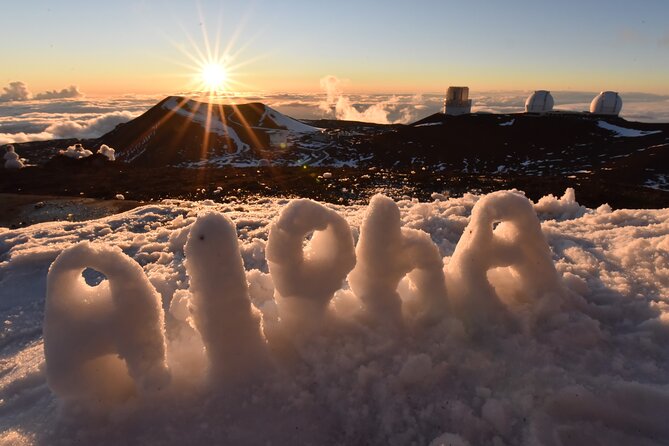
Cold air, big stars, and a summit over 13,000 feet. This Mauna Kea night tour is built around three things you actually want, sunset at the summit and a guided night-sky show, plus a free DSLR photo so you do not have to trust your own shaky phone in the cold.
I also love the fact that the tour keeps the group tight, up to twelve people, so you get real help when it comes to cold, posing, and timing. One possible drawback is simple: the summit is freezing and weather can affect visibility, so you should plan for a colder, less flexible night than a beach dinner.
What makes this tour feel worth the money is the pacing. You get a warm-up stop at the Onizuka Astronomy Complex for dinner and acclimatizing, then you head up at the right time, not randomly. From there, you get telescope views and a guide pointing out constellations and planets with a laser. With guides like Wes, Chris, and James, the best part is that they keep the evening moving while also watching out for altitude stress.
In This Review
- Key things to know before you go
- Getting to your pickup spot on the Big Island
- The 4×4 van ride: comfort, cold, and altitude pacing
- The Onizuka Astronomy Complex stop: dinner and getting ready at 9,000 feet
- Summit timing at 13,800 feet: what sunset feels like up there
- Stargazing after dark: refractor telescope and laser-pointer constellations
- The included DSLR photos: how the tour helps you actually get them
- What you get for $280: value, not just a price tag
- Weather, road changes, and what you should do with that information
- Who this tour is best for, and who should skip it
- Practical tips so you feel confident all night
- Should you book this Mauna Kea Summit Tour with free night star photos?
- FAQ
- How long is the Mauna Kea summit tour?
- Where are the pickup and drop-off locations?
- Does the tour provide winter clothes and gloves?
- What food is included?
- Is the Mauna Kea admission fee included?
- Will I definitely see sunset and stargazing?
- What photo do I get with the tour?
- How many people are in the group?
- Who cannot participate?
- What if bad weather cancels the tour?
Key things to know before you go
- Small-group tour, max twelve people: easier to hear your guide and easier to manage cold and photo time
- Winter gear included: snow parkas, ski pants, and gloves, so you are not gambling on rental availability
- Onizuka stop at about 9,000 feet: dinner plus acclimatizing before the summit
- Sunset timing from the top: you arrive in time to watch the sky change over Hawaii
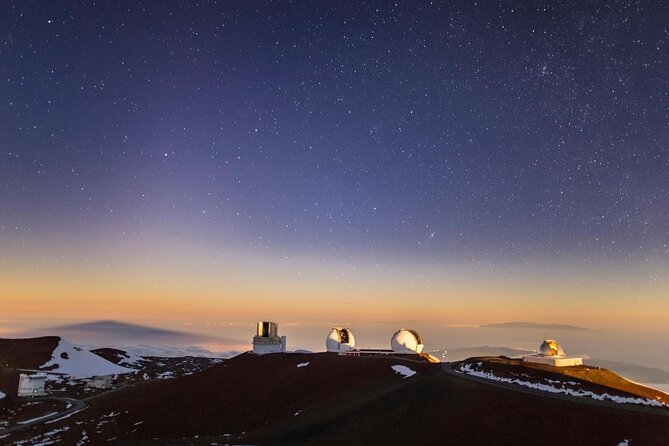
- Guided stargazing with a refractor telescope: laser-pointer pointing plus constellation and planet explanations
- Free DSLR sunset and star photos: weather and moon phase can affect the result
Getting to your pickup spot on the Big Island
This tour runs as a true group pickup, not a “meet somewhere and figure it out” situation. You will meet at one of three locations, then you ride together in a 4×4 passenger van.
Your pickup options are:
- Target in Kailua-Kona area, meeting in front of McDonald’s inside the Target parking area (pickup time varies by season)
- Queens’ Marketplace in Waikoloa, meeting at the shuttle bus stop in the backside large parking lot near the NOT Starbucks
- Gilbert Kahele Recreation Park in Waimea, listed as a pickup point with free admission noted at the stop
If you are staying between Kona and Waikoloa, it is usually easiest to pick the stop that is closest to your lodging. Either way, expect some time in the van. The mountain is far enough that the “8 hours or so” duration is real, even if the stops themselves feel quick.
Other Big Island of Hawaii outings to compare
- Big Island Manta Ray Night Snorkel
★ 5.0 · 5,656 reviews - KONA Manta Ray Night Snorkel – FREE re-ride if no Sightings
★ 5.0 · 2,212 reviews - Manta Ray Night Snorkel at Kona, Big Island
★ 5.0 · 1,758 reviews
The 4×4 van ride: comfort, cold, and altitude pacing
You start the evening by meeting your guide and group, then you drive toward the Onizuka Astronomy Complex. The van is part of the whole plan. You are not taking a short hike. You are getting transported, staged, and kept on schedule.
Expect narration from your guide during the drive. In the best runs, guides like Wes, Chris, and James use the ride to explain what you are about to see, plus what to do about altitude. You might also get updates if conditions change. Some nights include road closures by rangers, and the guide will adjust the plan when needed.
Practical truth: even with a heated van, the temperature shift at altitude hits fast. This is why you are not just “going up for views.” You are acclimatizing and layering up in stages.
The Onizuka Astronomy Complex stop: dinner and getting ready at 9,000 feet
Onizuka is the warm-up chapter of the story. You stop there around the altitude of 2,800 meters (about 9,000 feet) for two main reasons: acclimatizing and getting your cold-weather setup.
Here is what you should expect at this stop:
- A break at the Onizuka visitor area at about 9,000 feet
- Time to change into the winter gear provided for the tour, including snow parkas, ski pants, and gloves
- A light meal served while you acclimatize, with a BLT or vegan sandwich option
- Time to look around the gift shop if you want souvenirs (the info notes no food or drink sale)
Food detail that matters: if you do not specify the vegan option by day before the tour, the default is BLT. If you have any dietary needs beyond BLT or vegan sandwich, the data does not list alternatives, so you should plan around what is offered.
Also, this is a good moment to get calm. You are higher than most visitors ever experience, and your body needs a few minutes to adjust before the summit push.
Summit timing at 13,800 feet: what sunset feels like up there
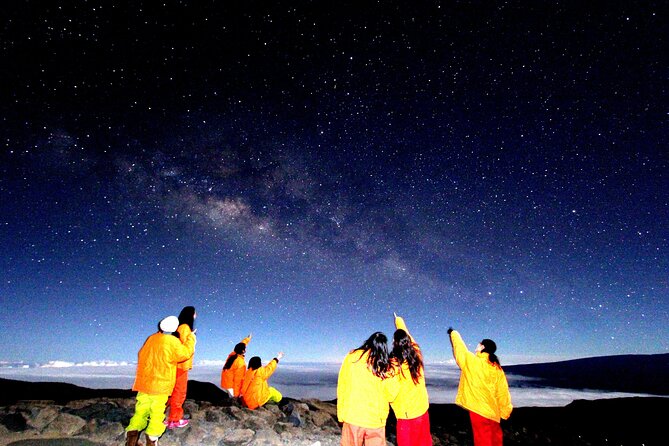
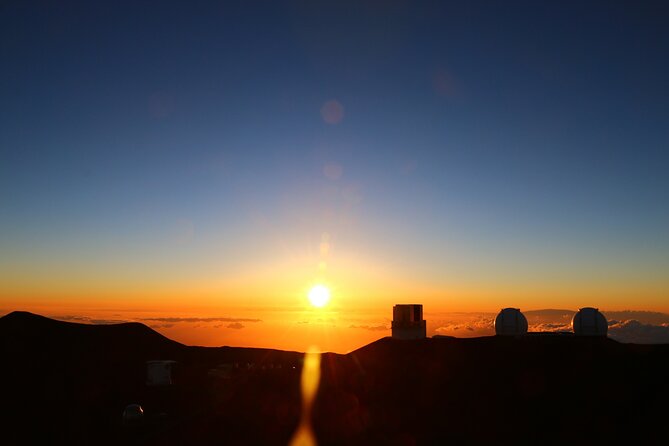
The main event is the Mauna Kea summit, listed at about 13,796 feet (4,205 meters). You arrive with enough time to watch sunset. After sunset, you do not just leave right away. You transition into the stargazing portion using the equipment and guidance set up for the night.
At the summit, you are likely to feel:
- Strong wind exposure
- Fast temperature drop once the sun is down
- A need to keep moving carefully, even if you are not hiking
One thing I like about this tour design is that it gives you time at the top, listed as about one hour. That is enough to get the photos, watch the sky shift, and settle into the cold without feeling rushed.
Do also note the real-world factor: the tour is weather-dependent. If conditions are poor, visibility can be limited, and the tour guidance mentions that time spent at the summit and stargazing location can be adjusted if altitude sickness or other conditions come up. That is not a failure. It is the tour adapting so you stay safe and comfortable.
Same corner of the map, another day out:
- Big Island in a Day: Volcanoes Waterfalls Sightseeing and History
★ 5.0 · 6,569 reviews - Big Island: Kona Manta Ray Snorkel Tour in Keauhou Harbor
★ 4.5 · 2,465 reviews - Hilo Shore Excursion: Volcanoes National Park & Black Sand Beach
★ 4.5 · 2,338 reviews - Big Island: Captain Cook Snorkel On A Power Catamaran With Lunch
★ 5.0 · 2,232 reviews
Stargazing after dark: refractor telescope and laser-pointer constellations
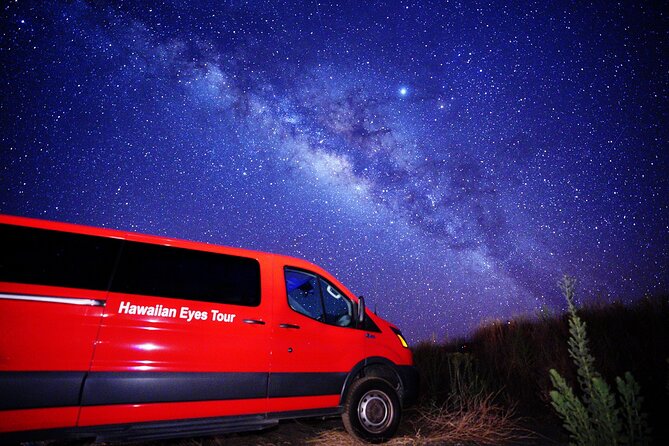
Once the sun is gone, you head back down to the Onizuka Astronomy Complex for guided stargazing. This is where the astronomy part becomes hands-on instead of just “look up and hope.”
The guide leads you using:
- A refractor telescope
- A laser pointer to help you identify features in the sky
- Explanations of stars, constellations, and planets
The stargazing portion is listed at about 45 minutes, and the exact location can vary based on weather conditions. On some nights you might get a cleaner sky view and easier pointing. On cloudier nights, the guide still tries to make it work, but your sky may not cooperate.
One more visibility factor: the tour info notes that moon phase affects star visibility. In plain terms, a brighter moon can wash out faint details. Even so, you can usually still enjoy the big bright objects and constellations.
If you want the “wow” moment, do not treat this like a quick stop. Keep your layers on, hold still when looking through the telescope, and listen for what the guide is calling out. The guide’s job is to turn a sky full of points into a map.
The included DSLR photos: how the tour helps you actually get them
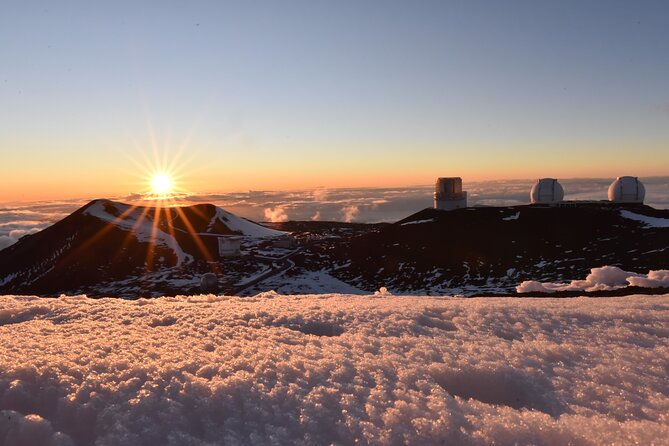
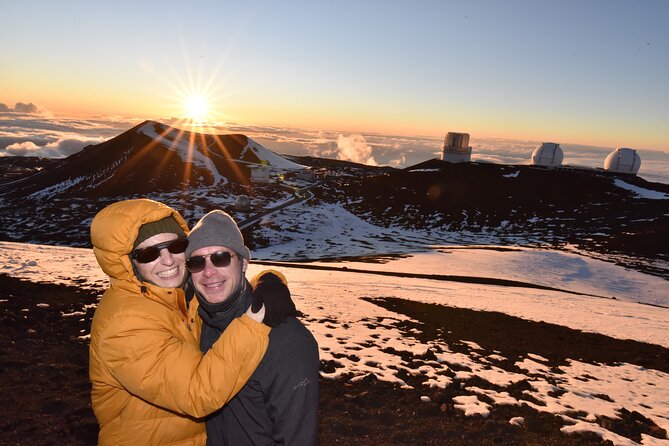
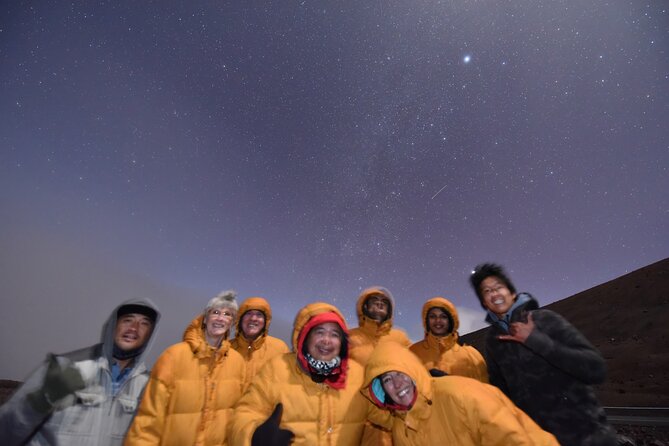
You get photo help that most people struggle with at this altitude. Your guides will take DSLR photos of your group during sunset and star time, then send them to you for free.
Key points from what is included:
- Free DSLR camera photo of stars with you in it
- Sunset and stargazing photos are included with the tour
- Weather and moon phase can affect the results
This is worth thinking about before you go. At the summit, your hands will get cold fast. Your phone camera will struggle. A DSLR shot planned for the conditions is much more likely to produce something you will want to frame.
I also like that the guide makes this a group activity. You are not waiting in line or hunting for a background. The guide builds the posing into the schedule.
What you get for $280: value, not just a price tag
At $280 per person, you are paying for more than transportation and entry. You are paying for a planned night at altitude with equipment, timing, and a guide who handles cold comfort and astronomy explanations.
Here is how the value adds up:
- Mauna Kea admission fee is included
- 4×4 passenger van to the summit, which is a major part of why this tour is doable for most visitors
- Dinner plus hot drinks during the acclimatizing portion
- Warm winter gear provided so you can show up without specialized rentals
- Telescope time plus guided stargazing
- Free DSLR photos, weather permitting
The price also reflects the “small group, max twelve” approach. That matters because at Mauna Kea you spend a lot of time waiting for the right light and the right sky conditions. A bigger group means longer queues and more confusion in the cold.
Weather, road changes, and what you should do with that information
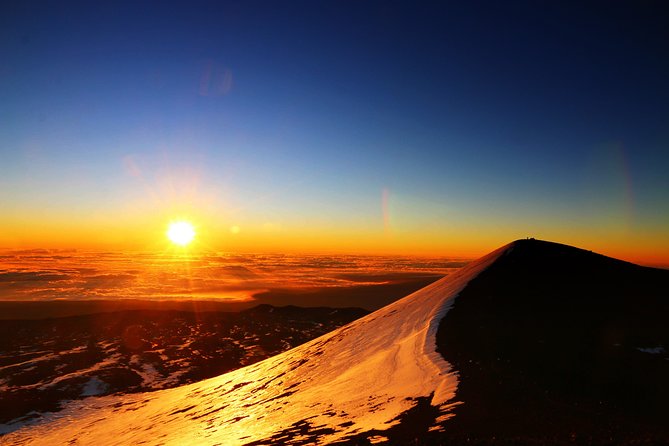
This tour is honest about one reality: you cannot control Mauna Kea weather. The tour specifically notes that sunset or stargazing are not 100% guaranteed in bad conditions, and moon phase changes visibility. Road closures can also happen, and guides are expected to adjust.
So how do you handle that as a smart traveler?
- Choose a night when you can be flexible. If you are on a tight schedule, you are taking a gamble.
- Stay patient. If rangers close roads or conditions change, the guide will shift timing rather than rushing you into disappointment.
- Bring a mindset that says the goal is the experience, not a checklist photo.
If you get clear skies, it is spectacular. If you do not, you will still learn the constellations and you will still experience the summit area and the astronomy complex in a guided way.
Who this tour is best for, and who should skip it
This is a moderate physical fitness experience, and that is fair. You are going up to very high altitude, and even with a van ride, your body will respond.
The tour data lists:
- Not for people under 16 years old
- Not for people older than 75
- Not recommended for weight more than 300 lb
- Not recommended for respiratory problems like asthma
- Maximum group size of twelve people
If you have altitude sensitivity, you should take the guide’s advice seriously. The tour also notes that time at the summit and stargazing location may be adjusted if altitude sickness or other conditions occur.
This tour tends to suit people who want:
- A guided, step-by-step night sky experience
- Help with cold gear and logistics
- A small group setting
If you hate cold temperatures or want a leisurely, warm-weather activity, this may not be your best match.
Practical tips so you feel confident all night
I would plan your body and your clothing for the summit, not for the beach weather in the morning.
Before you go:
- Wear layers. Even with provided gear, you will be warmer if your base layers are comfortable.
- Keep your gloves on during stargazing and telescope time. Cold hands make posing and focusing miserable.
- If you are sensitive to altitude, follow your guide’s tips and pace yourself during the Onizuka acclimation stop.
During the night:
- Expect a long ride and bumpy roads. The van is built for it, but it can still feel like an off-road shuttle.
- Use the gear right away at Onizuka. If you wait until the summit, you will feel it immediately.
This tour is also practical about meals. You eat a light dinner at altitude while you acclimatize. That reduces the chance you feel awful from hunger or nausea when you get up high.
Should you book this Mauna Kea Summit Tour with free night star photos?
I think this is a smart booking if Mauna Kea is your top night-sky priority on the Big Island and you want someone else to handle the details. The combination of warm winter gear, planned acclimation at Onizuka, telescope-guided stargazing, and free DSLR photos makes the experience feel complete for first-timers.
I would not book it if you are traveling with strict weather constraints or you hate cold. Also, if you have respiratory issues like asthma or you are outside the age and weight limits, look for a different option.
If you do book, do the boring thing that makes everything better: pack and layer for freezing temps, show up ready for a long drive, and listen to your guide. When the sky is clear, this is the kind of night you remember long after the photos fade into your camera roll.
FAQ
How long is the Mauna Kea summit tour?
The tour runs about 8 hours on average, with stops including about 1 hour at Onizuka before the summit, about 1 hour at the summit, and about 45 minutes for stargazing after dark.
Where are the pickup and drop-off locations?
You can be picked up at Target in Kailua-Kona, Queens’ Marketplace in Waikoloa, or Gilbert Kahele Recreation Park in Waimea. You are returned to your pickup location afterward.
Does the tour provide winter clothes and gloves?
Yes. The tour includes snow parkas, ski pants, and gloves so you stay warm at the summit and during the night.
What food is included?
You get a light dinner at the Onizuka Astronomy Complex, either a BLT or a vegan sandwich. You are asked to let the company know by day before the tour, or it will default to a BLT.
Is the Mauna Kea admission fee included?
Yes. Admission fees for Mauna Kea and the tour’s listed stops are included.
Will I definitely see sunset and stargazing?
No. The tour requires good weather, and sunset or stargazing are not 100% guaranteed in bad weather. Moon phase can also affect star visibility.
What photo do I get with the tour?
The tour includes free DSLR photos featuring you during sunset and stargazing, with results depending on weather and moon phase.
How many people are in the group?
This is a small group tour with a maximum of twelve travelers.
Who cannot participate?
The tour data says participants must be at least 16 and no older than 75. It also notes it is not recommended for people over 300 lb or for those with respiratory problems such as asthma.
What if bad weather cancels the tour?
If the experience is canceled due to poor weather, you will be offered a different date or a full refund.
Newest Big Island of Hawaii reviews on the site
- Zodiac Raft Whale Watching Adventure★ 5.0 · 456 reviews
- Kealakekua Bay Snorkeling Tour – 4 hour Kona Zodiac Adventure★ 5.0 · 508 reviews
- Volcano, Chocolate and Waterfalls of the Big Island★ 5.0 · 238 reviews
- Whale Watch Excursion from the Big Island★ 4.5 · 263 reviews
- Whale Watching On The Big Island★ 5.0 · 573 reviews
- Big Island, Hawaii: Volcanoes National Park Safari★ 4.5 · 545 reviews
- Volcano National Park Adventure from Waikoloa★ 5.0 · 216 reviews
- Hawaii Volcanoes, Waterfalls, Beaches & Hilo Highlights Day Tour★ 5.0 · 391 reviews
Big Island Tours, compared.
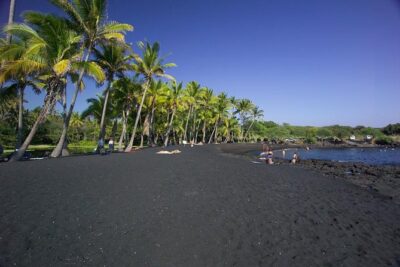
Big Island in a Day: Volcanoes Waterfalls Sightseeing and History
Read our review →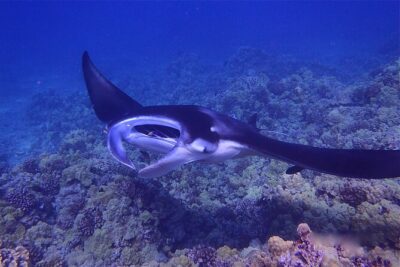
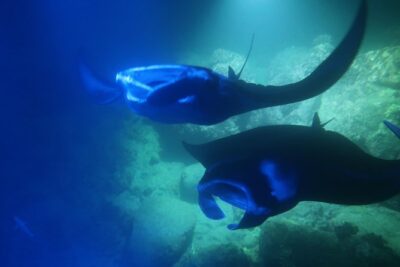
Big Island: Kona Manta Ray Snorkel Tour in Keauhou Harbor
Read our review →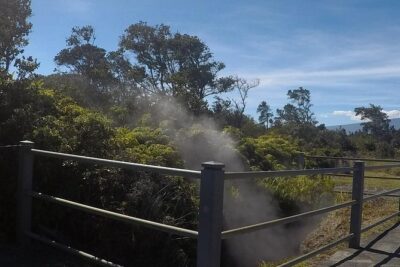
Hilo Shore Excursion: Volcanoes National Park & Black Sand Beach
Read our review →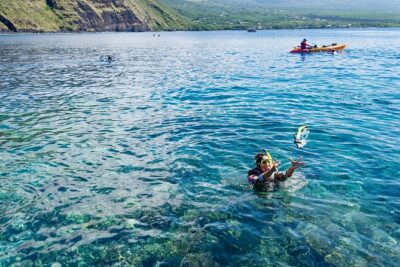
Big Island: Captain Cook Snorkel On A Power Catamaran With Lunch
Read our review →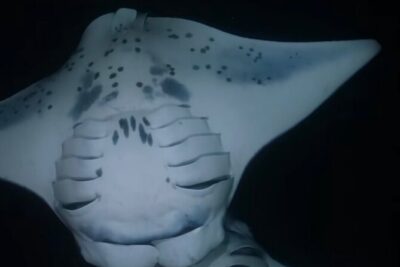
KONA Manta Ray Night Snorkel – FREE re-ride if no Sightings
Read our review →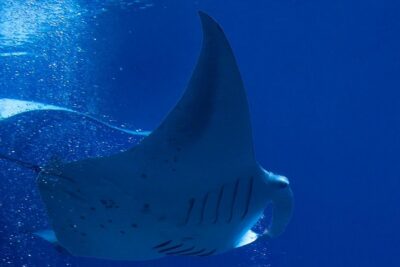
Big Island GOAT Experience: Mauna Kea Summit, Sunset & Stars
Read our review →Browse the lists this tour appears in