
Reviewed · SNORKELING
Manta Ray Night Snorkel in Kona
Moonlit water, manta rays, and a warm rinse. I love that you can choose to snorkel with proper gear or stay dry on board, and I also love the comfort touches like a warm shower rinse after you’re done in the water. The main thing to consider is space, since the tour maxes at 24 people and the boat can feel snug during check-in and entry.
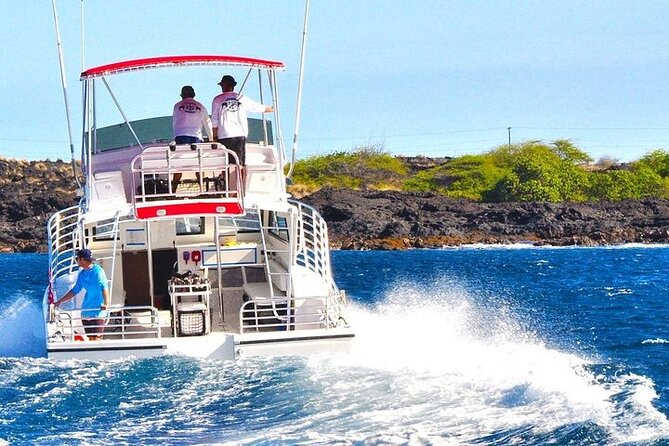
This is a 3 hour 30 minute night cruise out of Kailua-Kona, usually starting at 4:00 pm, heading toward Garden Eel Cove. On the Maheli-Heli, a new custom built boat with an easy ladder entry and eco-friendly engines, the crew runs the lighting system that draws manta rays close enough for an unforgettable look at how they feed.
In This Review
- Key things to know before you go
- From Kailua-Kona to Garden Eel Cove on the 4:00 pm cruise
- Why the Maheli-Heli boat feels built for night snorkelers
- Snorkel setup: wetsuits, fins, masks, and real support
- How the manta ray feeding lights work, and why the crew is strict
- What “dry time” is really like on board
- Snorkeling flow: sunset cruise, cove time, then warm rinse
- Food and comfort details that make the difference
- Group size and the “snug boat” reality
- Price and value: is $125 worth it in Kona?
- Who should book, and who should think twice
- Quick tips so you get the best night possible
- Should you book the Manta Ray Night Snorkel in Kona?
- FAQ
- What time does the Manta Ray Night Snorkel start?
- How long is the tour?
- Where is the meeting point?
- What’s included with the price?
- Can I stay on the boat instead of snorkeling?
- What happens if weather is bad?
Key things to know before you go
- Garden Eel Cove at night: You’re heading to a known spot for night feeding activity, not just an open water swim.
- Snorkel or stay dry: You can gear up and get in, or watch from the boat if you want less time in the water.
- Easy ladder entry: The heavy duty ladder has 4 submerged steps, with no transom to crawl over.
- Warm rinse, not just wipes: A fresh water warm shower rinse is included so you can cool down without leaving the fun too soon.
- Lights matter: The crew’s custom lighting approach is a big part of why mantas show up close.
- Bring your towel: It’s listed as a must, and that advice is spot on.
From Kailua-Kona to Garden Eel Cove on the 4:00 pm cruise
The tour begins at Manta Adventures Inc. at 74-429 Kealakehe Pkwy, Slip G-2 in Kailua-Kona. You’re not stuck in a long transfer. Instead, you get a comfortable sunset cruise up the Kona coast on the Maheli-Heli, then you head out to Garden Eel Cove once conditions look right.
The timing matters. You start early enough to enjoy the transition from sunset to full night, which helps with that first moment when you’re about to put your face in the water. One of the big advantages of this kind of night snorkeling is that your eyes adjust as the manta activity builds.
If the sea is rough or weather shifts, the operator notes the tour depends on favorable conditions. If it gets canceled, you’ll be offered an alternative date or a full refund, so you’re not taking a total gamble.
Other Big Island of Hawaii outings to compare
- Big Island Manta Ray Night Snorkel
★ 5.0 · 5,656 reviews - Big Island: Kona Manta Ray Snorkel Tour in Keauhou Harbor
★ 4.5 · 2,465 reviews - KONA Manta Ray Night Snorkel – FREE re-ride if no Sightings
★ 5.0 · 2,212 reviews
Why the Maheli-Heli boat feels built for night snorkelers
This boat is described as a new 2016 custom build, and it shows in the practical design details. I like that the cabin helps keep belongings dry and safer during the ride. There’s also a head (toilet) with a sink, which is one of those small things you appreciate more than you expect on a night outing.
Entry and exit are set up to be calmer and easier than the awkward ladder scramble you can get on some smaller boats. Instead of hauling yourself over a transom, you use a heavy duty ladder with 4 submerged steps. That’s the kind of detail that makes night snorkeling feel manageable, even if you’re not an experienced swimmer.
The boat also runs on eco-friendly engines, which you might see in the literature as part of the operator’s ocean-friendly approach. More importantly for you, the ride is described as smooth and comfortable.
Snorkel setup: wetsuits, fins, masks, and real support
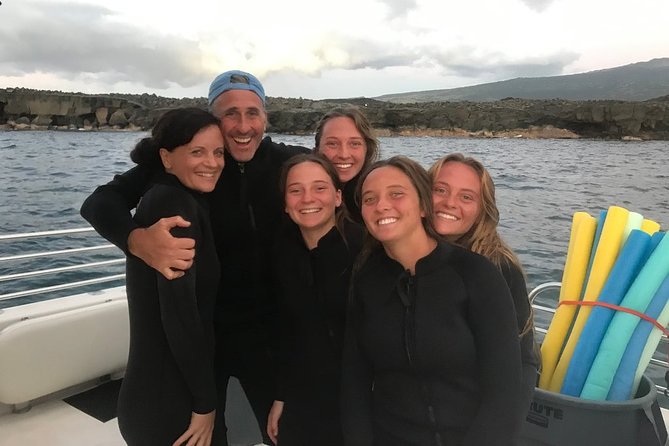
You’ll get snorkeling gear including mask and fins, plus floatation devices. Wet suits are also included, which is a big deal because night air temperatures and cooler water can sneak up on you. The tour encourages you to bring a towel, swimwear, a cover-up, and a light jacket or sweater for after you get out.
Now the part many people care about: swimming ability. The tour says most travelers can participate, and in real-world use the crew is set up to help people who are not strong swimmers by providing flotation support. In other words, this isn’t a pure fitness test.
That said, it’s still a night water activity. Some folks notice the cold more as time goes on, especially while holding onto the board after the swim. The wet suit helps, but you should plan to dress for warmth on the boat, not just for the moment you’re in the water.
How the manta ray feeding lights work, and why the crew is strict
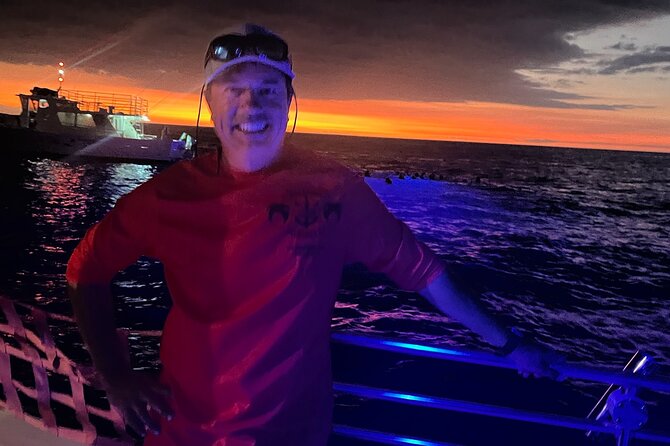
Night snorkelers come for manta rays, and the crew comes with a system. A recurring theme in the experience is that Captain-style leadership and the lighting setup help mantas stay in the feeding zone long enough for real viewing.
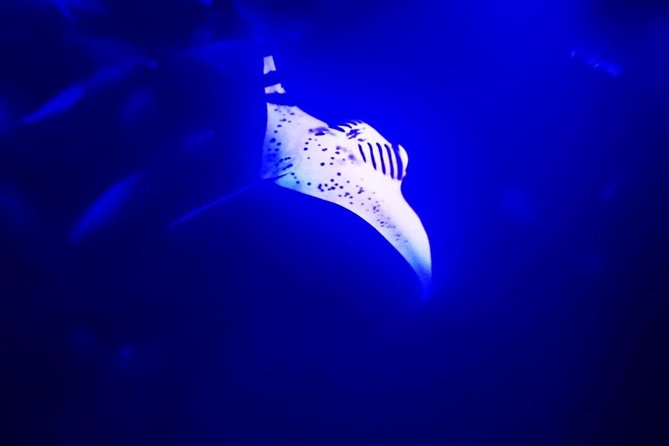
You’ll often see manta rays feeding close to the surface, sometimes in a continuous stream. Some people report manta rays passing inches under them and flipping in front of their faces as the night deepens. That’s the dream scenario.
Here’s the trade-off: manta viewing depends on animals, not just equipment. In practice, mantas can be shy on certain nights or they may not show up at all. When that happens, you’re usually not blaming yourself, because the operator has noted that they cannot control ocean conditions or animal behavior.
You might also experience a stern but safety-first briefing. Several reviews mention captains and crew who are firm about following rules, and they treat manta safety as non-negotiable. That can feel intense if you hate rules, but it also protects the experience for everyone and reduces the chances of stressful chaos around the feeding area.
Same corner of the map, another day out:
- Big Island in a Day: Volcanoes Waterfalls Sightseeing and History
★ 5.0 · 6,569 reviews - Hilo Shore Excursion: Volcanoes National Park & Black Sand Beach
★ 4.5 · 2,338 reviews - Big Island: Captain Cook Snorkel On A Power Catamaran With Lunch
★ 5.0 · 2,232 reviews - Manta Ray Night Snorkel at Kona, Big Island
★ 5.0 · 1,758 reviews
What “dry time” is really like on board
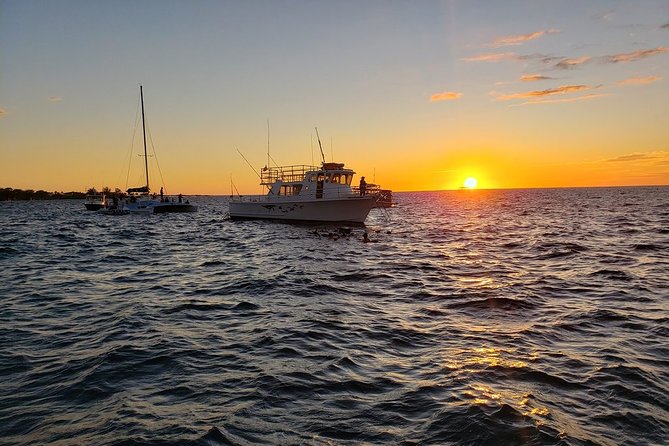
One of the best options here is the choice to stay dry. If you’re uncomfortable with night entry or you just want to watch with less time in the water, you can remain on board. The goal is that you still get the manta ray show without turning the whole evening into a water endurance test.
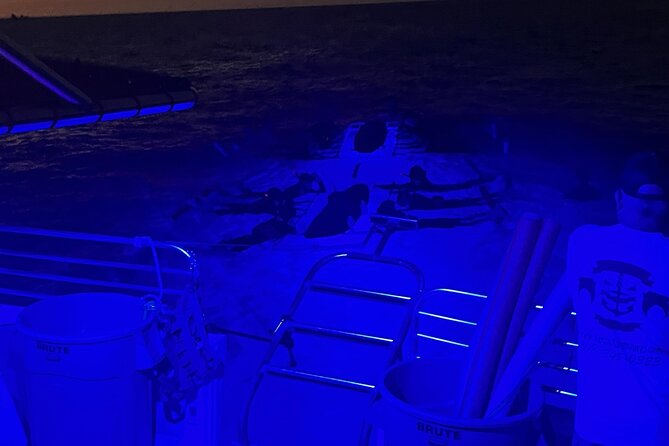
If you do stay aboard, do what you can to position yourself near the best viewing area when the crew starts the manta spot sequence. Bring warm layers. The boat ride is usually comfortable, but once you’re waiting for activity, you will feel the night.
If you do snorkel, the crew provides guidance on how to enter and where to wait so you’re not fumbling at the wrong moment. Expect the first moments to feel like learning a new rhythm, then your breathing settles and the magic takes over.
Snorkeling flow: sunset cruise, cove time, then warm rinse
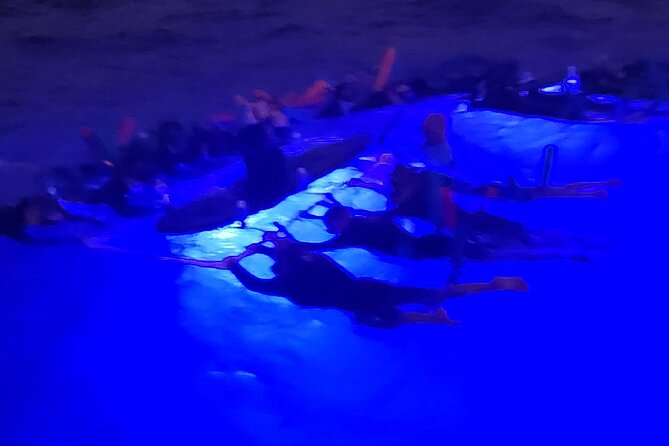
While the exact order can vary a bit based on conditions, the tour structure is clear: cruise, reach the snorkeling area near Garden Eel Cove, snorkel at night under lights, then head back for debrief and cleanup comfort.
The boat gives you a warm rinse at the end. This is listed as fresh water warm shower rinse, and multiple people specifically mention the relief of a warm wash after being wet in cool night air. You also get light snacks and beverages during the trip, plus warm comfort helps you avoid that post-snorkel chill spiral.
Some people highlight that the departure timing can help get a prime spot. It’s also been described as organized and unhurried, with time for snorkel activity before the manta viewing gets underway. That matters because it reduces the “rush, then panic” feeling that can happen when people are trying to get into the water fast.
Food and comfort details that make the difference
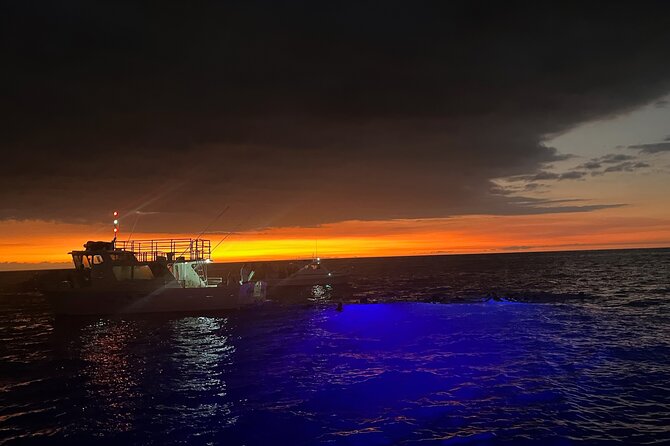
This isn’t just a checklist tour. You get practical comfort items that keep the evening pleasant. Included items include a light snack and water. You also get a warm shower rinse after.
Reviews specifically mention things like homemade cookies, fresh cut pineapple, and additional fruit snacks. Whether you arrive hungry or not, having snacks on board helps because the experience can run longer in real feel than you expect once you start seeing mantas and the group settles into viewing.
The tour also notes gratuity is not included, but tips are appreciated. That’s normal in Hawaii adventure businesses, but it’s good to plan cash or a card-friendly tipping approach.
Group size and the “snug boat” reality
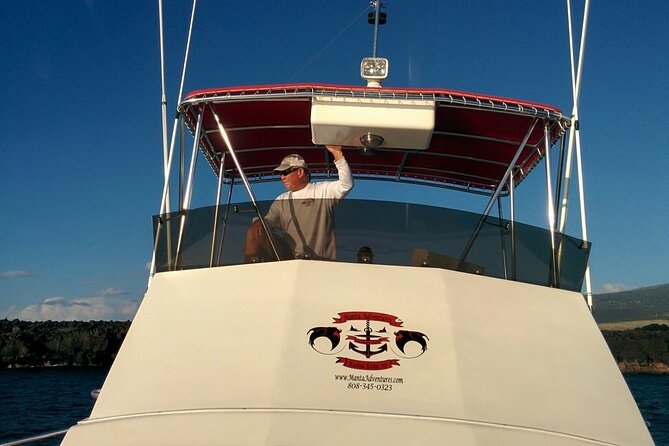
The tour caps at 24 travelers. That’s a reasonable size for getting everyone out to the water at night, but it does affect comfort in the literal sense.
A few reviews call out crowding or a tight feeling on board. Another review says the boat feels roomy with about 22 people, so the experience likely depends on your comfort level and how the crew manages movement during entry and exit.
If you hate confined spaces or you’re claustrophobic, this is your biggest consideration. You can reduce stress by arriving early, keeping your gear organized, and leaning into the idea that most of the time is spent waiting for the show outside your own bubble.
Also, if you’re prone to sea sickness, remember that it’s an ocean night ride. The operator says the tour depends on favorable weather and sea conditions. If conditions are rough, some people in past experiences reported sea sickness, so bring your own motion-sickness plan if you need one.
Price and value: is $125 worth it in Kona?
At $125 per person for about 3 hours 30 minutes, the price is not the cheapest way to snorkel. What you’re paying for is the full package: wetsuit, snorkeling gear, floatation support, warm rinse, snacks and beverages, plus a purpose-built setup for manta lighting at night.
I think this is solid value if you want a true bucket-list style outing with safety-focused guidance and comfort perks. A big part of the reported satisfaction is that people feel supported, including non-strong swimmers who are still allowed to participate with the right floatation devices.
You are also paying for a boat designed around easy entry and a crew that runs the show with a system, not just a casual paddle out. Several people mention superior lighting compared with other operators on the water that night. Even if you never compare, it’s clear that light design and manta-friendly rules are key to getting the right kind of close-up viewing.
If manta rays are your top priority, and you want the warm rinse and snack comfort built in, this price starts to make sense fast.
Who should book, and who should think twice
You’ll love this tour if you want a once-in-a-lifetime type ocean experience in Kona, and you like the idea of seeing mantas in their natural feeding behavior instead of from a tank.
It also makes sense for couples and families who want structure. The crew is consistently described as helpful with instructions and calm safety leadership. Names that show up in the onboard team include Captain Bill, Captain Dan, Drew, Sam, Melissa, Callum, Kevin, Cal, and Karen, depending on the night.
Think twice if any of these apply:
- You can’t handle crowds or confined boat spaces.
- You get cold easily and hate being wet in cool night conditions, even with a wetsuit.
- You rely on a strict schedule and cannot tolerate a weather-based cancellation or changes.
- You must guarantee mantas. No night snorkel can guarantee animal behavior, and the best nights can still turn into a quiet one.
Quick tips so you get the best night possible
Here’s what helps you feel ready and comfortable, based on the practical guidance you’ll be given:
- Bring a towel so you can get warm quickly after the water.
- Wear swimwear, then add a cover-up and a light jacket or sweater for waiting time.
- Bring an underwater camera or GoPro if you want footage. The tour data notes you should bring your own.
- If you have special dietary needs, the operator asks you to indicate special needs when booking.
- Plan for tips. They’re appreciated and not included.
Also, keep your expectations grounded. Even with great lights and expert handling, manta rays are wild animals. When they show up, the experience feels unreal. When they don’t, the night can still be a lesson in how much the ocean controls the outcome.
Should you book the Manta Ray Night Snorkel in Kona?
Book it if manta rays at night are on your bucket list and you want the full comfort package: wetsuits, gear, floatation help, warm rinse, snacks, and a crew-run lighting system that’s built for close viewing. The high rating and strong recommendation rate also suggest that most people walk away stunned by how close the mantas can get.
Skip or choose carefully if you’re highly sensitive to crowds, very motion-sickness prone, or you’re expecting guaranteed mantas no matter what. This is nature at work, not a controlled show.
If you can handle night water and you’re prepared to be flexible with the ocean, this is one of those Kona activities that can genuinely change how you think about the ocean.
FAQ
What time does the Manta Ray Night Snorkel start?
The tour starts at 4:00 pm.
How long is the tour?
It runs about 3 hours 30 minutes.
Where is the meeting point?
You meet at Manta Adventures Inc., 74-429 Kealakehe Pkwy, Slip G-2, Kailua-Kona, HI 96740, USA. The tour ends back at the meeting point.
What’s included with the price?
Snorkel gear (mask and fins), floatation devices, wet suits, light snacks, water, and a fresh water warm shower rinse. A towel is also something you are advised to bring.
Can I stay on the boat instead of snorkeling?
Yes. The tour lets you choose to snorkel with included gear or stay dry on board.
What happens if weather is bad?
The activity depends on favorable weather. If it’s canceled due to poor weather, you’ll be offered an alternative date or a full refund.
More Evening Experiences in Big Island of Hawaii
- Big Island GOAT Experience: Mauna Kea Summit, Sunset & Stars
★ 5.0 · 1,706 reviews - Big Island: Mauna Kea Summit Tour with Free Night Star Photo
★ 5.0 · 1,449 reviews - Glow of the Deep: Night Snorkeling with Manta Rays
★ 4.5 · 1,254 reviews - Manta Magic: Small-Group Manta Ray Night Snorkel in Kailua Kona
★ 5.0 · 1,141 reviews
Newest Big Island of Hawaii reviews on the site
- Zodiac Raft Whale Watching Adventure★ 5.0 · 456 reviews
- Kealakekua Bay Snorkeling Tour – 4 hour Kona Zodiac Adventure★ 5.0 · 508 reviews
- Volcano, Chocolate and Waterfalls of the Big Island★ 5.0 · 238 reviews
- Whale Watch Excursion from the Big Island★ 4.5 · 263 reviews
- Whale Watching On The Big Island★ 5.0 · 573 reviews
- Volcano National Park Adventure from Waikoloa★ 5.0 · 216 reviews
- Big Island, Hawaii: Volcanoes National Park Safari★ 4.5 · 545 reviews
- Hawaii Volcanoes, Waterfalls, Beaches & Hilo Highlights Day Tour★ 5.0 · 391 reviews
Snorkeling, compared.
Grand Tour Around Island 16 Locations plus Snorkeling
Read our review →
Oahu’s Ultimate Tour: Dole, Turtle Snorkel, Pali Lookout & More
Read our review →
Oahu Circle Island Tour with Turtle Snorkeling— Small-Groups
Read our review →
Waikiki, Hawaii: Turtle Canyon Snorkel Excursion
Read our review →
Shell Island Snorkel and Dolphin Catamaran Cruise with Island Time
Read our review →
Turtle Canyon Snorkel Adventure in Waikiki, Oahu
Read our review →
The ‘OG’ Manatee Snorkel Tour with In-Water Guide/Photographer
Read our review →Browse the lists this tour appears in