
Reviewed · BIG ISLAND TOURS
Big Island GOAT Experience: Mauna Kea Summit, Sunset & Stars
Cold stars, big sky, real Hawaii.
What makes this experience special is how it pairs a 4×4 summit ride with serious stargazing help using a pro setup. I also love that you get warm jackets, gloves, and hot drinks, so your focus stays on the views, not on freezing. One consideration: Mauna Kea gets brutally cold and the altitude is a real factor, so plan for layers and take the slower pace seriously.
The day runs 7 to 8 hours with easy pickup from Hilo, Waikoloa Village, or Kailua-Kona, then a van ride up to the summit area. The group stays small, capped at 14, which makes it easier to hear your guide and feel looked after when conditions change. You’ll end up with a guided sunset, an astronomy talk, and an included night photo, plus a stop that adds Hawaiian cultural context to the science.
In This Review
- Key things to know before you go
- Mauna Kea’s summit: why sunset and stars line up so well
- From pickup in Hilo, Kona, or Waikoloa to the summit drive
- Summit hour: warm gear, laser-guided sky, and telescope viewing
- Halepōhaku and the Onizuka Center: astronomy with Hawaiian meaning
- Cold-weather reality at 13,800 feet: what to pack (even with coats)
- The guides: how the experience gets personal without getting chaotic
- Price and value: is $289 worth a summit night?
- Who should book, and who should skip due to altitude and cold
- Should you book the Big Island GOAT Experience?
- FAQ
- Where are pickup locations for the Mauna Kea summit sunset and stars tour?
- How long is the tour?
- What’s included in the experience?
- Do you use a telescope at the summit?
- Who can’t participate?
- Are restrooms available and can you bring dinner?
Key things to know before you go
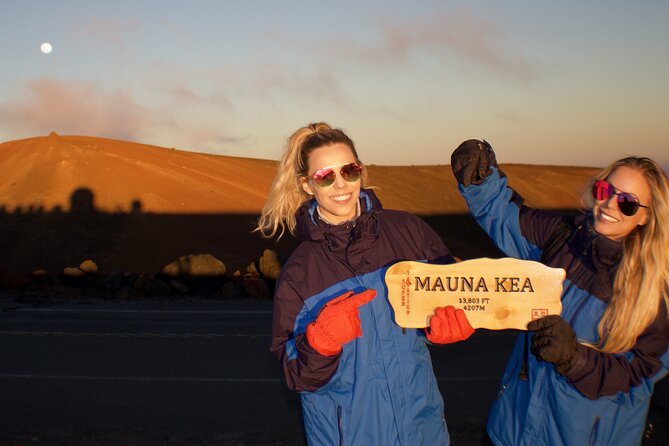
- 4×4 access to the summit means you skip the driving and focus on the sky.
- Warm gear included helps even if you overpack for Hawaii. Cold is still cold.
- Pro telescope viewing at the summit is the practical magic trick for seeing more than dots.
- Laser pointer star guidance keeps you oriented, especially when your eyes adjust.
- Halepōhaku cultural astronomy stop adds Hawaiian stories alongside telescope science.
- Included night photo takes pressure off your camera skills during the cold dark hours.
Mauna Kea’s summit: why sunset and stars line up so well
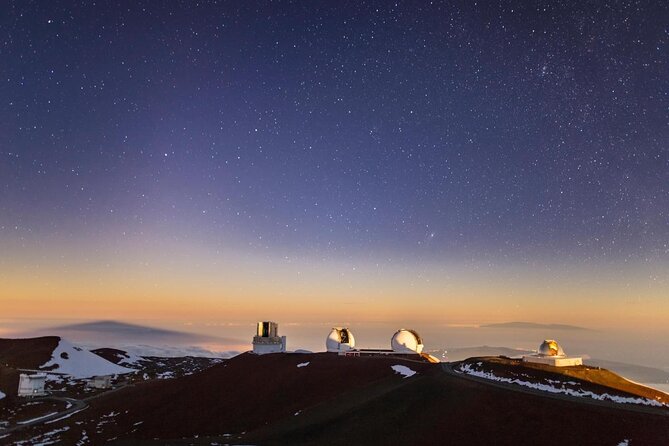
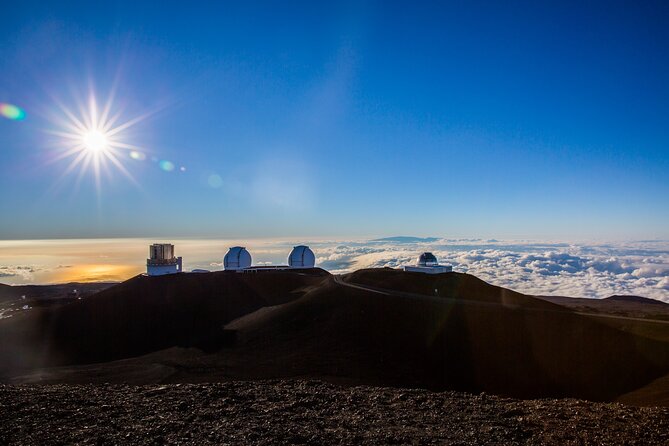
Mauna Kea is the highest point in the Hawaiian islands, and that height is the point. You start feeling it while you’re climbing, then you see it in the sky. At the summit area (the visitor station is around 9,200 feet, and the summit reaches about 13,796 feet), the air is thin and clear often enough that stars pop hard.
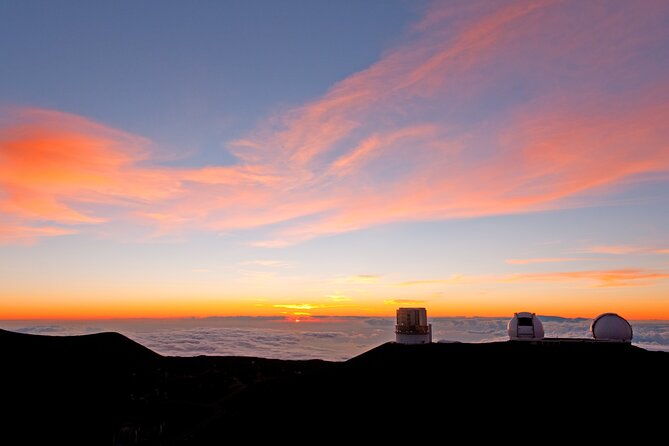
This is exactly why sunset here is more than pretty. The sun sets, then the sky quickly goes from daylight colors to deep night black. That fast shift gives you a smooth transition from watching the world dim to watching constellations and celestial objects appear. If you’ve ever tried stargazing on a beach after dark, you know the difference. Up here, the sky has room to breathe.
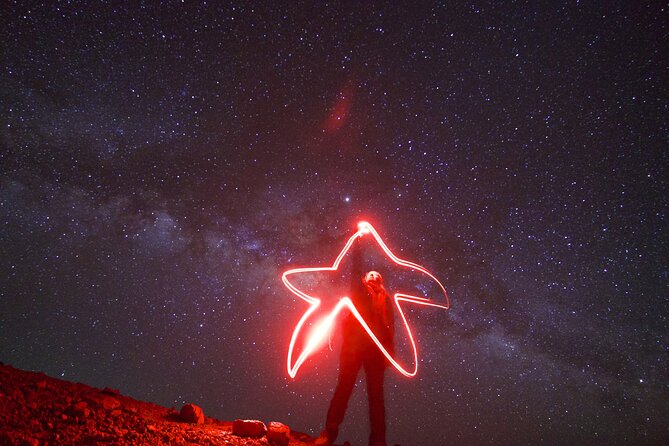
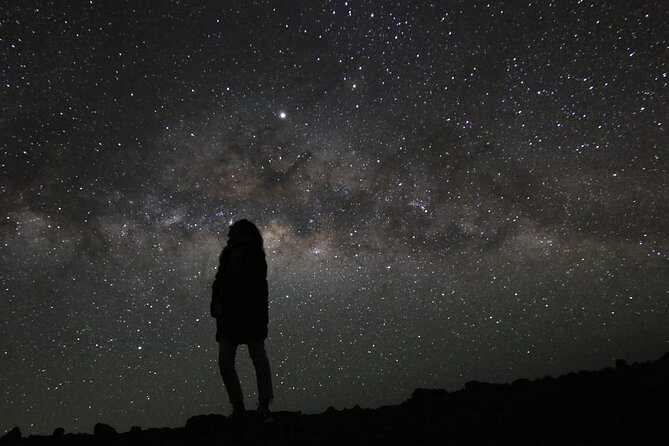
There’s also a practical reason to do this as a guided experience instead of self-driving: someone helps you connect what you’re seeing to what it actually is. The guide uses a laser pointer to show you important spots, so you’re not just staring at random patterns and guessing.
Other Big Island of Hawaii outings to compare
- Big Island Manta Ray Night Snorkel
★ 5.0 · 5,656 reviews - KONA Manta Ray Night Snorkel – FREE re-ride if no Sightings
★ 5.0 · 2,212 reviews - Manta Ray Night Snorkel at Kona, Big Island
★ 5.0 · 1,758 reviews
From pickup in Hilo, Kona, or Waikoloa to the summit drive
The day starts with pickup from one of three areas on the Big Island: Hilo, Waikoloa Village, or Kailua-Kona. From there, you ride in a comfortable 4×4 van with your small group.
You spend a lot of time in the vehicle, and that’s not a flaw. It’s part of why this tour works for people who don’t want to manage timing, driving, or route complexities at elevation. During the ascent, you also get little moments that make the wait feel purposeful: snacks and a hot beverage, plus your guide sharing history and what to expect next.
I like that the guides help you stay mentally ready for the cold. You’re going up fast, and your body needs a few minutes to adapt. The van gets you there, then the summit gear (jacket and gloves) kicks in as the temperature drops.
If you’re prone to motion sensitivity, plan to sit where you feel most stable and keep your layers on early. The ride itself is part scenic and part practical, and your comfort will determine how much you enjoy the hour outside.
Summit hour: warm gear, laser-guided sky, and telescope viewing
Once you reach the summit, you suit up with the provided jacket and gloves. Even if you brought layers, this part matters because summit weather can cut through what you expect. You’ll be outside for extended viewing, and the guide’s job is to keep you comfortable enough to stay focused on the sky.
Your guide runs the experience like an astronomy lesson with a relaxed pace:
- You watch the sunset from the summit area.
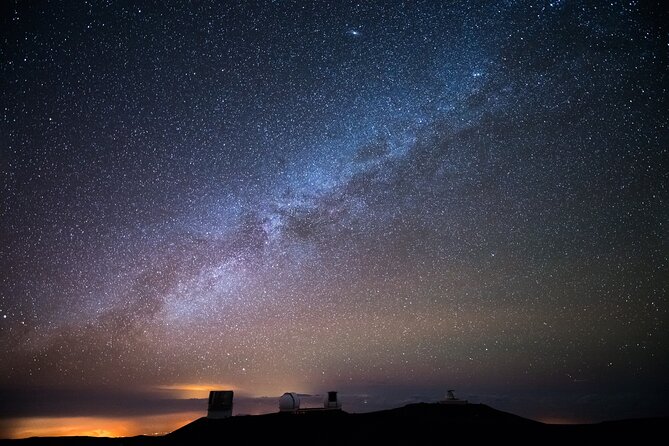
- As night falls, you get constellation and planet spotting help using a laser pointer.
- You then get close-up viewing with a professional Celestron telescope (weather permitting).
The telescope part is where the tour earns its cost. Naked-eye stargazing is stunning, but telescopes show you more specific targets, and you understand what you’re seeing while you’re seeing it. That combination is what turns a pretty evening into a true “I get it now” memory.
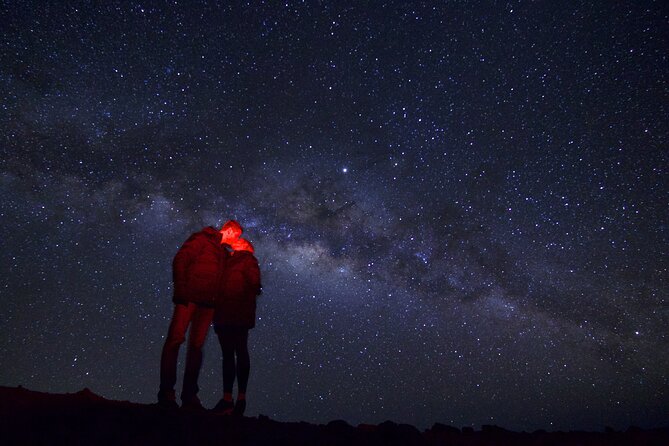
A practical highlight is the included night photo. A professional camera captures you during the best moment, so you don’t have to juggle gloves, cold fingers, phone settings, and framing. One important tip for a smooth experience: once you get your photo link, try it quickly. Cold and long days can make later tech tasks feel harder than they should.
Halepōhaku and the Onizuka Center: astronomy with Hawaiian meaning
The second major stop is Halepōhaku, the Onizuka Center for International Astronomy. This is where the tour slows down just enough to connect the sky to Hawaiian tradition.
Mauna Kea is described through cultural tradition as more than a science site. It’s tied to sacred meaning, including the goddess Poli’ahu, and it’s also associated with other deities mentioned for this region, including Lilinoe and Waiau. In older times, the summit was kapu, meaning restricted and forbidden to most people. Only the highest chiefs and priests had access, and the trek was long and difficult.
The tour also shares a specific historical moment: Queen Emma’s 1881 visit. She and her companions made the arduous journey to reach the summit, and the story includes sacred Lake Waiau in that context.
You’ll also hear about Mauna Kea as the “White Mountain,” and you’ll learn how the place holds both sacred cultural importance and modern astronomy, with international observatories located there today. If your interest is the mix of science and stories, this stop is a strong add-on because it changes how you interpret the telescope later in the night.
Same corner of the map, another day out:
- Big Island in a Day: Volcanoes Waterfalls Sightseeing and History
★ 5.0 · 6,569 reviews - Big Island: Kona Manta Ray Snorkel Tour in Keauhou Harbor
★ 4.5 · 2,465 reviews - Hilo Shore Excursion: Volcanoes National Park & Black Sand Beach
★ 4.5 · 2,338 reviews - Big Island: Captain Cook Snorkel On A Power Catamaran With Lunch
★ 5.0 · 2,232 reviews
Cold-weather reality at 13,800 feet: what to pack (even with coats)
Mauna Kea cold is the most common reason people underestimate the experience. The tour provides jackets and gloves, but those items can only do so much at altitude and wind. Even with provided gear, you’ll want to dress for real winter-style conditions.
Here’s what I recommend packing based on what consistently comes up for people who’ve gone:
- Warm socks and shoes that keep your feet insulated. Your toes will notice first.
- A hat or stocking cap that covers your head and ears.
- Extra gloves or warmer hand options if you run cold. The provided gloves may not match everyone’s temperature needs.
- Hand warmers you can activate in transit and keep for the summit wait.
- A couple of lightweight layers, not just one bulky jacket. You can adjust as the van ride warms you up.
If you wear contacts or you get dry eyes in cold air, bring what helps you stay comfortable. Your eyes need time to adjust to darkness, and anything that makes you squint or blink constantly will pull you away from the stars.
One more small practical note: bathroom availability can be limited depending on where you are at the time, so treat restrooms as a “when available, use it” moment rather than something to plan late.
The guides: how the experience gets personal without getting chaotic
Small group size changes the tone. With a cap of 14, you’re not lost in a crowd. That makes it easier for your guide to check on you, keep the group together, and explain what to look for in the sky without rushing.
In the guide style I’d look for here, you want someone who combines two skills: comfort and clarity. The best guides handle both. They talk through Hawaiian context, then they switch into hands-on astronomy with the laser pointer and telescope guidance.
You might meet guides like John, Tay, Chris, Valerie, Kellah, or Tom, and while each person has their own delivery, the goal stays the same: help you understand the sky and feel safe doing it.
In plain terms, this is why people rate this highly. The mountain is the star, but the guide is what makes the experience land.
Price and value: is $289 worth a summit night?
At $289 per person, this isn’t a cheap sunset. But when you break down what you’re paying for, the value makes more sense.
What’s included matters:
- Round-trip 4×4 transportation up to the summit area
- Snacks and a hot beverage
- Jackets and gloves to handle cold conditions
- A guide for both the cultural and astronomy portions
- A professional telescope experience at the summit (weather permitting)
- Admission included for the summit area stop and the Halepōhaku center stop
- An included night photo taken with a professional camera
Also, there’s a hidden cost people often forget when doing this on their own: time. Getting to Mauna Kea, timing sunset, finding the best viewing moments, and managing the cold and altitude stress all take planning and mental energy. This tour packages that into a single schedule and removes the driving burden.
The one cost you’ll still manage yourself is food. Dinner isn’t included, so plan a meal strategy. Either eat before the pickup or bring a packed dinner if that fits your day.
If you’re the type who wants the “how do I see this?” answers while you’re standing under the sky, this price can feel fair. If you only care about photos and you’re fully confident doing astronomy basics yourself, you may question the expense. For most people, though, the mix of access plus guided viewing plus included photo is the value sweet spot.
Who should book, and who should skip due to altitude and cold
This is built for people with a moderate physical fitness level because altitude changes quickly and the summit area involves being outside. If you get winded easily or struggle at higher elevations, take it seriously and talk to your clinician if you’re unsure.
The tour has clear “not for everyone” limits:
- Not allowed for pregnant travelers
- Not allowed for travelers with heart problems or other serious medical conditions
- Not allowed for under 13
That’s not them being picky. It’s a safety reality. Your body responds to altitude and cold, and there’s no easy way to “opt out” of that once you’re up there.
This tour is a great match if you want:
- A guided sunset and star program with practical astronomy help
- Hawaiian cultural stories connected to Mauna Kea
- Small-group attention (max 14)
- A summit night photo without managing your own camera in extreme cold
It might feel like a lot if you hate cold weather, dislike long van rides, or you’re expecting a fully hands-off experience with no outside time.
Should you book the Big Island GOAT Experience?
I’d book it if you’re coming to the Big Island for more than beaches and you want a true high-elevation night sky moment. The combination of summit access, guided stargazing, and Hawaiian cultural context is what makes this feel like a “do it once” experience rather than a drive-by view.
I’d think twice if your main priority is warm comfort, because even with provided layers the conditions at Mauna Kea can be seriously cold. Also, accept that stargazing depends on the night. If you get clouds, you may still enjoy the sunset and the astronomy talk, but the sky view won’t match a perfectly clear night.
If you’re ready for layers, altitude, and a schedule built around sunset timing, this is one of the most focused ways to see Mauna Kea at night.
FAQ
Where are pickup locations for the Mauna Kea summit sunset and stars tour?
Pickup is available from select locations in Hilo, Waikoloa Village, or Kailua-Kona. Choose the correct pickup option when you book.
How long is the tour?
It runs about 7 to 8 hours total.
What’s included in the experience?
Included are 4×4 transportation, snacks and a hot beverage, jacket and gloves, an experienced guide, a professional Celestron telescope (weather permitting), and a free night photo.
Do you use a telescope at the summit?
Yes, you may view the sky using a professional Celestron telescope at the summit, weather permitting. The tour also uses a laser pointer to help you find targets.
Who can’t participate?
The tour is not allowed for travelers under 13, pregnant travelers, and travelers with heart problems or other serious medical conditions.
Are restrooms available and can you bring dinner?
There are restrooms at the Visitors Center and portable restrooms near the summit. Dinner is not included, so you may bring your own packed dinner. There is no food for purchase upon arrival.
Newest Big Island of Hawaii reviews on the site
- Zodiac Raft Whale Watching Adventure★ 5.0 · 456 reviews
- Kealakekua Bay Snorkeling Tour – 4 hour Kona Zodiac Adventure★ 5.0 · 508 reviews
- Volcano, Chocolate and Waterfalls of the Big Island★ 5.0 · 238 reviews
- Whale Watch Excursion from the Big Island★ 4.5 · 263 reviews
- Whale Watching On The Big Island★ 5.0 · 573 reviews
- Volcano National Park Adventure from Waikoloa★ 5.0 · 216 reviews
- Big Island, Hawaii: Volcanoes National Park Safari★ 4.5 · 545 reviews
- Hawaii Volcanoes, Waterfalls, Beaches & Hilo Highlights Day Tour★ 5.0 · 391 reviews
Big Island Tours, compared.
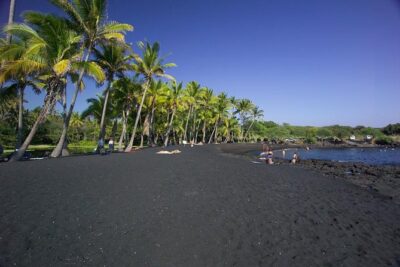
Big Island in a Day: Volcanoes Waterfalls Sightseeing and History
Read our review →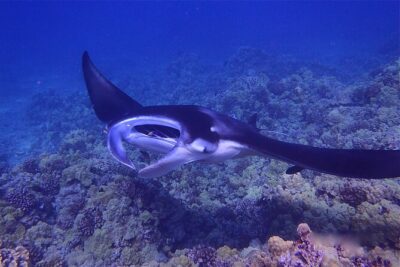
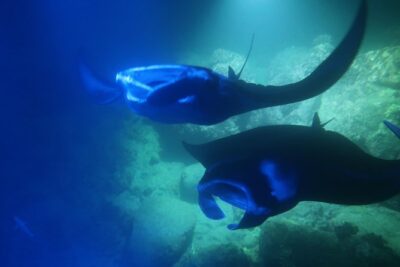
Big Island: Kona Manta Ray Snorkel Tour in Keauhou Harbor
Read our review →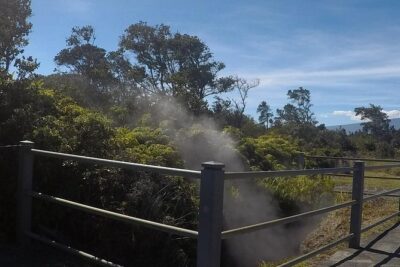
Hilo Shore Excursion: Volcanoes National Park & Black Sand Beach
Read our review →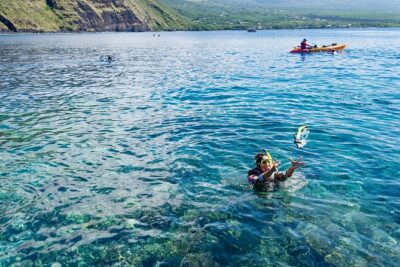
Big Island: Captain Cook Snorkel On A Power Catamaran With Lunch
Read our review →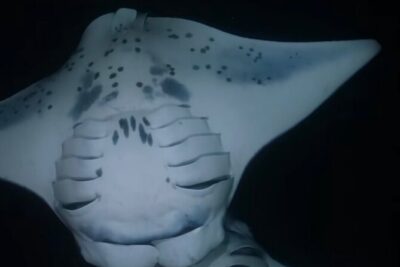
KONA Manta Ray Night Snorkel – FREE re-ride if no Sightings
Read our review →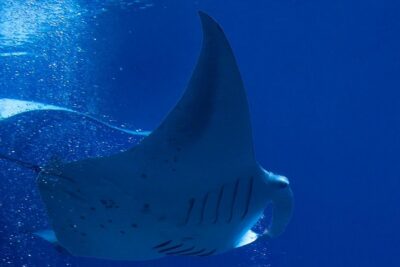
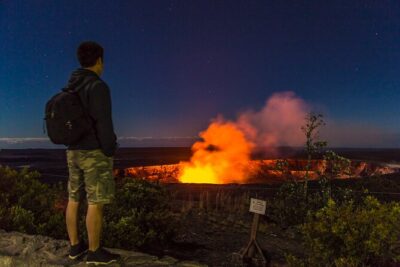
Small Group Big Island Twilight Volcano and Stargazing Tour
Read our review →Browse the lists this tour appears in