
Reviewed · PLANTATION TOURS
Boone Hall Plantation All-Access Admission Ticket
Bring your questions to this plantation tour. I like that the all-access ticket takes you into the Black History in America exhibit inside the original enslaved cabins. I also love the live Gullah culture presentation, which connects language and lived experience to the land. The only catch: the plantation house tour covers a limited set of first-floor rooms, and the main house dates to the 1930s, not the 1600s you might expect.
Plan on 2 to 4 hours, and expect a steady flow of stops, not a long museum crawl. This ticket bundles outdoor and indoor hits like the tractor ride (weather permitting), garden time, the stable tour, and the gin house museum. One practical note, these tickets cannot be used for special events on site, and good weather matters for the outdoor segments.
In This Review
- Key things I’d circle before you go
- What the Boone Hall all-access ticket really covers (and why that matters)
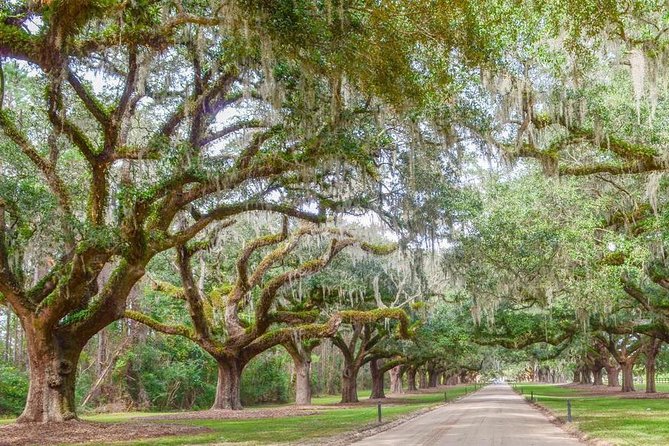
- Arriving under the Avenue of Oaks, then getting your bearings fast
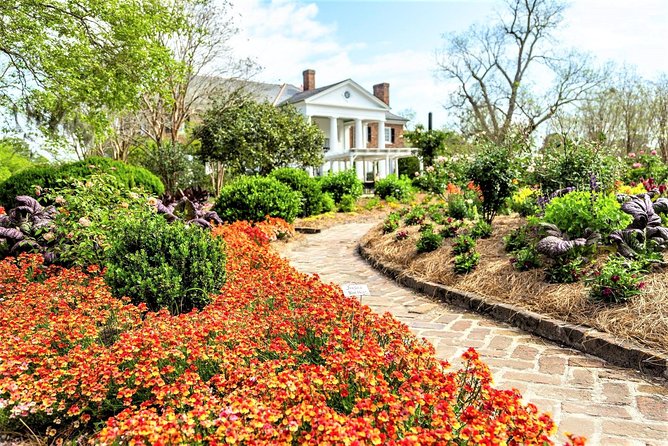
- Inside the plantation home, first-floor rooms, and the 1930s surprise
- Cabins and the Black History in America exhibit: the emotional anchor
- Gullah culture live presentation: when the story goes past the plantation walls
- Tractor tour, garden tour, and the working-farm side of Boone Hall
- Gin house museum and stable tour: small details that add up
- Price and logistics: is $36.50 a fair deal?
- Time management: plan 2 to 4 hours, not a half-day nap
- Weather and cancellation: how to protect your day
- Who should book Boone Hall’s all-access ticket?
- Should you book it?
- FAQ
- How long does the all-access Boone Hall Plantation visit take?
- What is included with the all-access admission ticket?
- What is not included in this ticket?
- What are Boone Hall Plantation’s opening hours?
- Is the visit dependent on weather?
- Can I cancel and get a refund?
- Are service animals allowed?
Key things I’d circle before you go
- Original cabins + Black History in America exhibit in the places enslaved people lived
- Live Gullah culture presentation built into the all-access program
- Guided first-floor plantation home tour, with a shorter room list than many expect
- Tractor tour across the property when weather allows
- Gin house museum and Stable tour, adding “working farm” context beyond the mansion
- Free parking and a mobile ticket that you can keep on your phone
What the Boone Hall all-access ticket really covers (and why that matters)

Boone Hall Plantation is the kind of stop that can feel either rushed or rewarding, depending on how you plan. This all-access ticket is built to keep you moving through the main story lines in one visit, so you do not have to pay for separate add-ons or guess what comes next.
For you, the value is the coverage. You are not just buying a single walk-through. You get a guided first-floor look at the plantation home, access to exhibits in the original enslaved cabins, live presentations (including Gullah culture), plus hands-on property time like the tractor tour, garden tour, and the gin house museum.
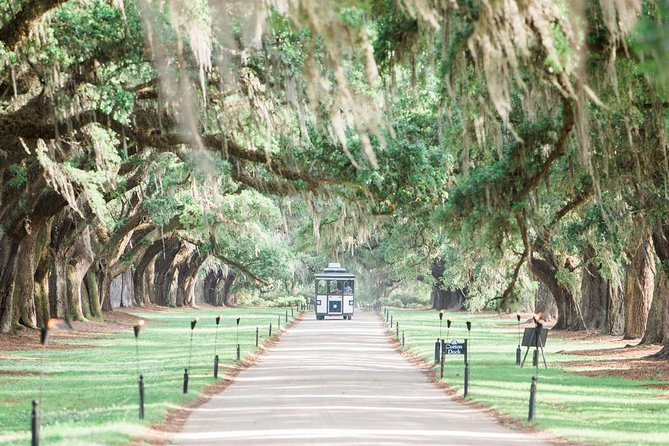
The other reason this ticket works is the pacing. You have time to take in major landmarks like the Avenue of Oaks approach and then slow down for the heavier topics. It is history with context, not a quick photo stop.
Other Charleston outings to compare
- Magnolia Plantation Admission & Tour with Transportation from Charleston
★ 4.5 · 836 reviews - Boone Hall Plantation Admission & Tour with Transportation from Charleston
★ 4.5 · 455 reviews - Charleston: Magnolia Plantation Entry & Tour with Transport
★ 4.6 · 438 reviews
Arriving under the Avenue of Oaks, then getting your bearings fast
The experience starts with the estate’s famous lined road. If you like arriving on site and immediately feeling the setting, Boone Hall delivers right away. The Avenue of Oaks is a big part of the mood, and it is also a simple way to understand the scale of the property.
Once you are through the entry process, you’ll shift from “where am I?” into “what am I seeing?” That is where the site’s guided format helps. Instead of wandering without guidance, you’ll get history presentation moments and orientation-style talks as you move through the grounds.
Practical tip: wear shoes you can walk in for a few hours. Even if the overall visit is 2 to 4 hours, you will cover a lot of ground between buildings, gardens, and the routes for the outdoor segments.
Inside the plantation home, first-floor rooms, and the 1930s surprise
You do get a guided tour of the plantation home’s first floor. That part is a good use of your time because it gives you a structured look at the rooms open for visitors and keeps you from guessing what is most important to notice.
Now for the expectation check. Multiple visitor accounts point out that the house you tour is not an original 1600s structure. In other words, if you came imagining a fully period mansion from the earliest plantation era, you may feel a little whiplash when you hear the date discussed.
What I think still works is the way the tour is used. The home tour is paired with exhibits and presentations that address the human reality of the plantation system, including the enslaved people who lived in the original cabins. So even if the home feels “newer” than you expected, the overall story does not.
Also, note that the home tour is limited to the first floor and a small set of rooms. Plan to treat it as one stop in a larger program, not the whole point of the day.
Cabins and the Black History in America exhibit: the emotional anchor
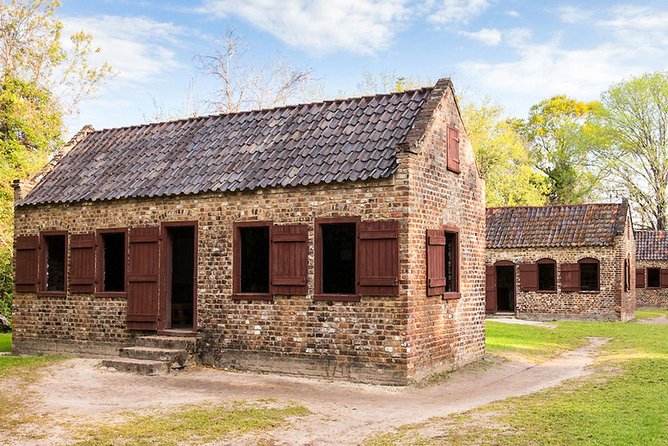
This is the part I’d call the emotional anchor of the whole visit. The all-access ticket includes access to the Black History in America exhibit located in cabins where enslaved people lived. That location is not a background detail, it is the point.
When history happens inside the spaces where people lived, it changes how you see everything else. It turns “plantation history” into real, physical context: how close daily life was to the larger economic system, how work and living were shaped by slavery, and how the plantation functioned as a complete world.
The practical upside is that the exhibit is designed to be meaningful without requiring you to be a scholar. You get guided context through the broader program, and you can spend the time you need in these cabins, rather than rushing past them.
This is also the section where you may want to set your phone down. You can still take photos where allowed, but the best experience comes from slowing your brain down and letting the exhibit land.
Same corner of the map, another day out:
- Charleston’s Old South Carriage Historic Horse & Carriage Tour
★ 5.0 · 10,023 reviews - Historic Charleston Guided Sightseeing Walking Tour
★ 5.0 · 6,216 reviews - Haunted Evening Horse and Carriage Tour of Charleston
★ 4.5 · 3,678 reviews - Charleston Horse-Drawn Carriage Tour: Explore Historic Charleston
★ 5.0 · 3,561 reviews
Gullah culture live presentation: when the story goes past the plantation walls
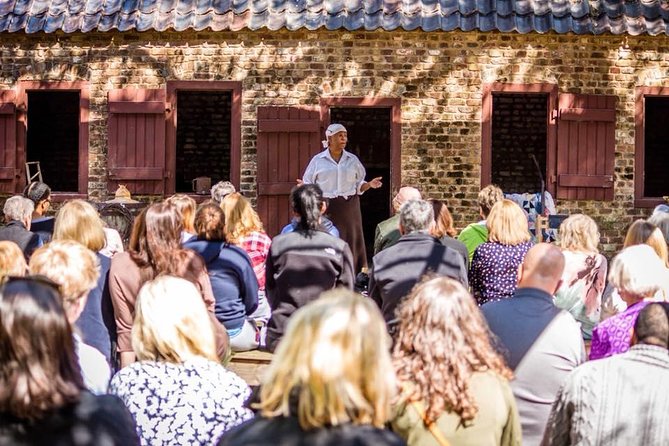
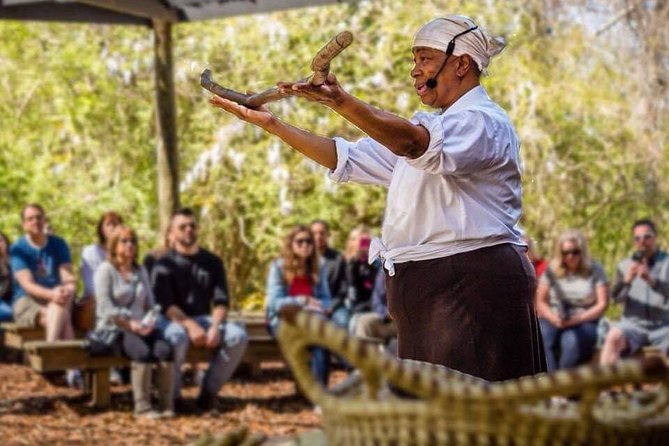
One of the standouts built into this ticket is the live presentation on Gullah culture. It is included as part of the all-access admission, so you do not need to hunt for a separate event time.
Why I think it matters for you: this keeps the plantation from becoming a closed chapter. The Gullah story is about survival, culture, language, and continuity. When that gets presented live, it feels less like a “fact sheet” and more like a living connection to the region.
On a practical level, it also gives your mind a different entry point. If some parts of plantation history feel dense or heavy, a culture-focused presentation can help your understanding click into place.
Timing tip: if you notice a schedule for the Gullah talk, aim to catch it. Several visitors described it as worth the price by itself, and when it is part of the included program, you may as well treat it as a priority.
Tractor tour, garden tour, and the working-farm side of Boone Hall
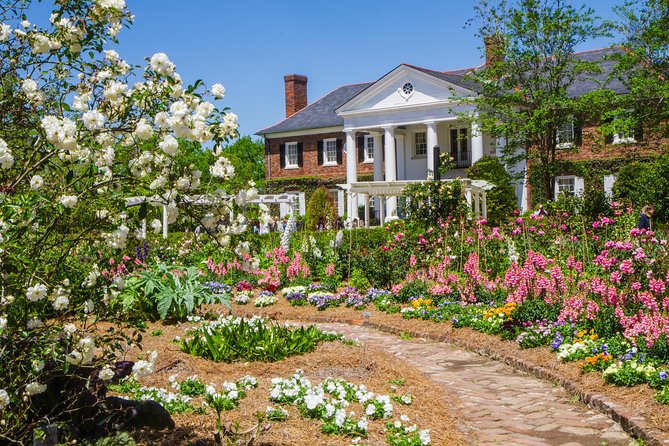
A big chunk of what makes Boone Hall feel real is that it is not only a static site. Your ticket includes a tractor tour across the property, which runs when weather permits. That weather note is important because these outdoor segments can shape whether you get the full loop.
The garden tour is another included element, described as a showcase of color. Even if you think gardens are “just scenery,” this one is worth your time because it connects the plantation setting to what the land did and grew.
The property time also helps with photo opportunities. You’ll get views across the grounds and time for beauty and wildlife viewing, which gives your day a natural rhythm between indoor learning and the darker cabin exhibits.
Working-farm extras show up too, including the gin house museum. That adds a layer of context that makes the plantation feel like an operating system, not just a mansion and a few buildings.
Gin house museum and stable tour: small details that add up
The ticket includes the gin house museum, described as spanning 300 years of history. That alone makes it a useful stop, because it helps you understand how the plantation economy connected to technology and labor.
You also get access to the Stable tour, listed as a new addition. Reviews suggest that the stables may have limited opening times, which is a heads-up worth taking seriously. If the stable segment is important to you, try to build your day so you are not rushing to the last minute.
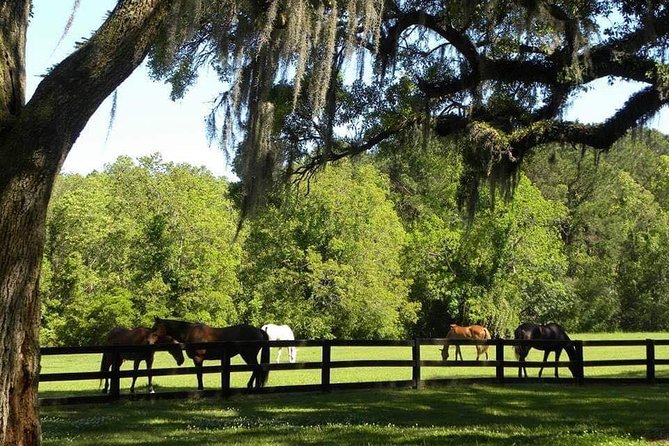
Another nice bonus from the farm side is that you may have chances around the stables area to see horses. It is not the same as a full riding experience, but it does add to the sense that Boone Hall is still a functioning property with livestock and daily routines.
Price and logistics: is $36.50 a fair deal?
Boone Hall’s all-access ticket price is listed at $36.50 per person, and the ticket is designed so one admission covers multiple tours and attractions. For a program that includes guided home-room time, access to cabin exhibits, a Gullah culture live presentation, plus a tractor tour and museum stops, the price can feel reasonable if you actually do the full set of included activities.
The value question becomes simple:
- If you plan to see most of what is included, you will likely feel you got your money’s worth.
- If you only want one part of the visit and would skip the rest, then any all-access ticket can feel pricey.
One more real-world caution: online third-party sellers can charge higher fees than buying direct or at the gate. Some visitors have reported paying more than expected when booking through those sites. If you are price sensitive, I recommend checking Boone Hall’s official options before you hit pay.
Time management: plan 2 to 4 hours, not a half-day nap
The program typically runs about 2 to 4 hours. That range makes sense because some segments depend on schedules and weather, like the tractor tour.
If you want the full experience, aim closer to 3 to 4 hours. That gives you breathing space for cabin exhibits and for the live presentation without feeling like you are sprinting.
A practical note: since the ticket includes both outdoor and indoor parts, you’ll want a simple day plan. If it starts raining and the tractor tour is delayed or canceled, ask what the adjusted flow will be so you can still get the most out of what remains.
Weather and cancellation: how to protect your day
Good weather matters here. The tractor tour is weather permitting, and the overall experience is described as requiring good weather.
The good news is the cancellation approach is flexible. You can cancel up to 24 hours in advance for a full refund, and if weather causes a cancellation, you are offered a different date or a full refund. That takes some pressure off if you are also trying to juggle Charleston-area plans.
Pack for comfort more than style. Plan for sun, sweat, or sudden drizzle, and bring water. Even a “short” plantation visit can feel longer when you are standing under oak shade waiting for outdoor segments.
Who should book Boone Hall’s all-access ticket?
This ticket is a strong fit if you want structure. You get guided home-room time, exhibits, and live presentations in one go, which helps when you only have a limited window in the Charleston area.
It is also a good fit if you care about cultural context. The Gullah presentation is built into the day, and it is a meaningful complement to the cabin exhibits and site history.
If you hate long walking loops or you know you prefer only a mansion-style visit, then set expectations early. The home portion is limited to first-floor rooms, and the day includes deeper topics that take time to process.
Should you book it?
I’d book this if you want an organized, all-in-one way to see Boone Hall beyond the front-gate photos. The combination of original cabin exhibits and the Gullah culture live presentation is what makes this visit more than a “pretty plantation day.”
I would think twice only if you are expecting a fully original period mansion tour from the earliest Boone Hall era. The home tour is still guided and useful, but the structure you visit dates to the 1930s, and the room list is not huge.
If you can handle a few hours on your feet and you’re okay with weather-driven changes, the all-access admission is a smart way to get a fuller, more honest picture of the plantation and the people whose lives shaped it.
FAQ
How long does the all-access Boone Hall Plantation visit take?
The experience is listed as about 2 to 4 hours.
What is included with the all-access admission ticket?
Your ticket includes access to the Avenue of Oaks area, guided tours of the first floor of the plantation home, the Black History in America exhibit, a tractor tour across the property (weather permitting), history presentation, the Exploring the Gullah Culture live presentation, a garden tour, gin house museum access, stable tour access, and free parking.
What is not included in this ticket?
Tickets cannot be used for special events hosted on site.
What are Boone Hall Plantation’s opening hours?
The opening hours listed are Monday through Saturday from 9:00 AM to 5:00 PM.
Is the visit dependent on weather?
Yes. The experience requires good weather, and the tractor tour is weather permitting.
Can I cancel and get a refund?
Yes. You can cancel up to 24 hours in advance for a full refund.
Are service animals allowed?
Yes, service animals are allowed.
Newest Charleston reviews on the site
- Middleton Place Admission with Self Guided Tour and Lunch★ 4.5 · 326 reviews
- Charleston Ghosts of Liberty Guided Walking Tour★ 4.5 · 473 reviews
- Charleston’s Best Highlights: History, Culture & Architecture★ 5.0 · 422 reviews
- Charleston Chicora 2 Hours Walking Tour★ 5.0 · 264 reviews
- Small-Group Tour: Charleston Old Walled City Historical Walking Tour★ 4.5 · 283 reviews
- 2-Hour Guided Kayak Eco Tour in Charleston★ 5.0 · 954 reviews
- Sip History in The Sun Cabana Covered Cocktail Class★ 5.0 · 332 reviews
- Private Luxury Yacht Charters, BYOB & Dolphins★ 5.0 · 395 reviews
Plantation Tours, compared.

Swamp Boat Ride and Oak Alley Plantation Tour from New Orleans
Read our review →
Oak Alley Plantation Tour with Transportation from New Orleans
Read our review →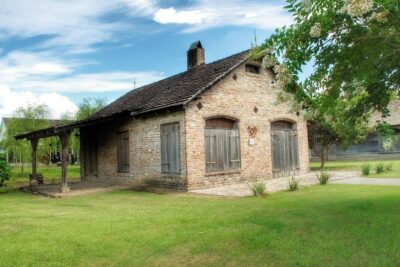
Whitney Plantation Tour with Transportation from New Orleans
Read our review →
Bayou Swamp Tour and Oak Alley Plantation Tour
Read our review →
Oak Alley Plantation & Airboat Swamp Combo Tour
Read our review →
Magnolia Plantation Admission & Tour with Transportation from Charleston
Read our review →
Pearl Harbor, Dole Plantation, and Polynesian Center from Waikiki
Read our review →
Browse the lists this tour appears in