
Reviewed · PLANTATION TOURS
Boone Hall Plantation Admission & Tour with Transportation from Charleston
Live oaks set the tone fast. This Boone Hall Plantation tour from Charleston mixes a guided front-porch house talk, time on the grounds, and a live Gullah culture performance. Add round-trip air-conditioned bus transport from downtown, and you’ve got a focused half day that actually teaches.
I love how the schedule moves you beyond pretty scenery, starting with the house and then shifting to the slave cabins and related history. I also love the way the Gullah segment is presented as something seasonal and live, not just a quick slideshow.
One thing to plan for: the day includes walking, and you’ll want decent shoes and water, especially if it’s hot. The tram or tractor option may be available, but it should not be your only mobility plan.
In This Review
- Key things to know before you go
- Leaving Charleston by bus, with history along the drive
- Boone Hall front porch house tour: what that 30 minutes really does
- Slave cabins and the hard part of the story
- Gullah culture performance: the most memorable hour
- Gardens and grounds: rose garden plus the working plantation feel
- Tram or tractor ride: useful views, but don’t rely on it for every stop
- Timing and group size: a half day that stays organized
- What the tour is really worth at $82
- Best for you if you want history with cultural context
- Who might want to think twice
- My booking advice: when to go and how to get the most
- Should you book Boone Hall Plantation with Charleston transportation?
- FAQ
- How long is the Boone Hall Plantation admission and tour with transportation?
- Where does the tour start and end?
- What is included in the ticket price?
- Are food and drinks included?
- How big is the group, and is it walking-heavy?
- What is the cancellation policy?
Key things to know before you go
- Air-conditioned round-trip bus from Charleston keeps the logistics simple, with no hotel pickup required
- 30-minute house tour by a guide in historical dress starts right on the front porch
- Slave cabin history presentation adds context that can feel emotional
- Live, seasonal Gullah theater performance is a major highlight for many people
- Rose garden time plus century-old bushes gives you a calm moment after heavier history
- Maximum 25 people means it stays personal, even on a shared coach
Leaving Charleston by bus, with history along the drive
This tour starts at the Charleston Visitor Center area, with pickup and drop-off back at the same meeting point on Meeting Street (375 Meeting St, Charleston, SC 29403). From there, the ride to Boone Hall takes about 30 to 45 minutes, and the bus is air-conditioned, which matters more than you’d think on a hot Charleston day.
What I like about this setup is how it reduces friction. You do not have to rent a car, fight parking, or figure out timing between multiple stops. It also means your first taste of the area’s story comes before you step onto the plantation grounds, so you’re not arriving “cold.”
The bus ride is also your hint to come prepared. If you tend to get sun-wired quickly, bring sunglasses, and if you run warm, plan to layer lightly. You’ll likely be back on the bus after your plantation time, but you will still spend meaningful stretches on your feet.
Other Charleston outings to compare
- Boone Hall Plantation All-Access Admission Ticket
★ 4.5 · 1,736 reviews - Magnolia Plantation Admission & Tour with Transportation from Charleston
★ 4.5 · 836 reviews - Charleston: Magnolia Plantation Entry & Tour with Transport
★ 4.6 · 438 reviews
Boone Hall front porch house tour: what that 30 minutes really does
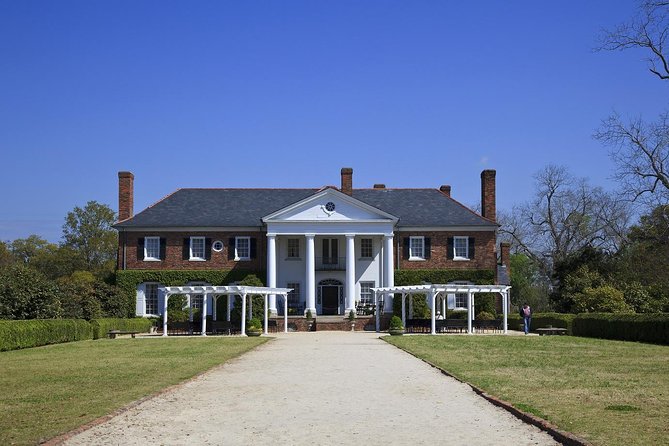
Your first true stop is Boone Hall Plantation, a working, living plantation that’s famous for its long-standing grounds and the grand approach lined with old trees. The house tour itself is designed to be timed, about 30 minutes, and it begins on the front porch.
The guide speaks in historical dress, and the talk covers the hall and its long timeline, including how Boone Hall changed owners over time. It also gives you a frame for what you’re about to see, so you understand why certain spaces exist and what each part of the property was for.
Here’s a key point for your expectations: the house you tour is not the same thing as every old plantation myth people bring to Charleston. Some visitors note that the main house is not from the Civil War era. That can sound like a letdown if you’re hunting one specific time period, but I actually see it as an advantage. You get a more grounded look at how estates evolve and how history is told through what remains.
Tip that helps: once you arrive, head toward the main house area quickly to secure your house tour time. If schedules are tight in peak hours, moving early can save stress later.
Slave cabins and the hard part of the story
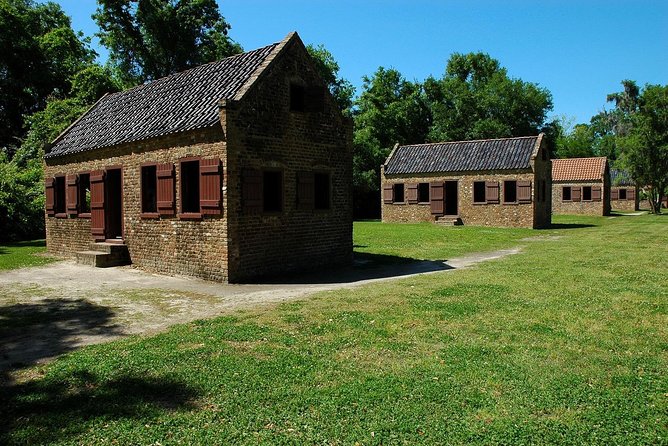
After the house talk, you’ll spend time at the slave cabin and history presentation. This is one of the most praised pieces of the experience, mainly because you see original or historic living quarters and you get guided context around the people who lived there.
This part is not meant to be “light.” People describe it as emotional. If you’re going with family or friends, it helps to set expectations ahead of time: this is education with real weight.
I appreciate that the plantation doesn’t try to sand off the edges. The emotional impact comes less from dramatic storytelling and more from the simple act of looking at lived-in spaces and hearing what life was like. You’ll likely feel a shift in tone after the performance moments, too. Expect your attention to tighten.
Practical note: if you’re sensitive to heavy topics, plan a small buffer afterward. The rose garden stop later can help you reset, but don’t treat it as a distraction. It’s more like a breather in the middle of a long walk.
Gullah culture performance: the most memorable hour
One of the strongest reasons to pick this tour is the Gullah culture portion. Boone Hall offers a live, seasonal performance that focuses on Gullah culture, shaped by African enslaved people in the region. The performance is given by a costumed performer as part of the scheduled time on site.
This is where many people say the tour “clicks.” The house and cabins tell you a lot, but the Gullah presentation gives you a living cultural thread, including music and language. It helps you understand that history here is not only dates and architecture. It’s also community memory, adaptation, and identity.
When you’re comparing plantation tours, think of this as the difference between seeing the past as a set of rooms versus seeing it as a force that shaped culture for generations. If you want one thing to prioritize, make it the Gullah show time. Build your schedule around it.
Same corner of the map, another day out:
- Charleston’s Old South Carriage Historic Horse & Carriage Tour
★ 5.0 · 10,023 reviews - Historic Charleston Guided Sightseeing Walking Tour
★ 5.0 · 6,216 reviews - Haunted Evening Horse and Carriage Tour of Charleston
★ 4.5 · 3,678 reviews - Charleston Horse-Drawn Carriage Tour: Explore Historic Charleston
★ 5.0 · 3,561 reviews
Gardens and grounds: rose garden plus the working plantation feel
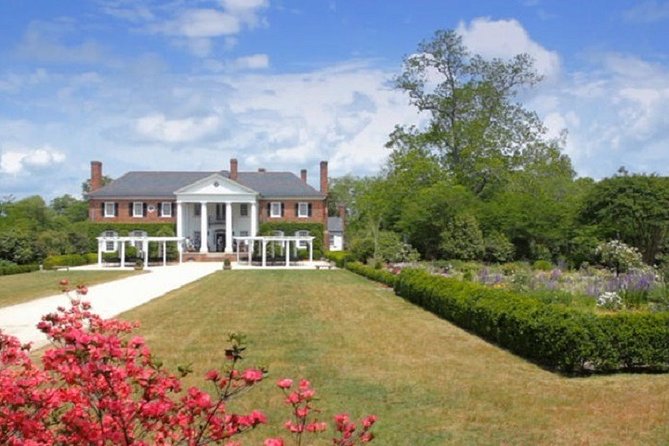
Beyond the guided pieces, you also get a self-guided tour of the gardens and grounds. People love the visuals here, especially the entry drive lined with live oaks covered with Spanish moss. It’s dramatic, and it’s not just for photos. That massive canopy changes how the whole place feels when you walk under it.
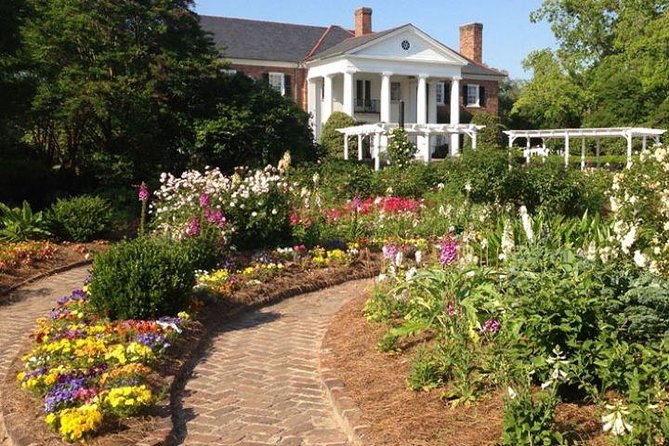
The rose garden stop is a nice counterbalance after heavier history. You can see bushes that are more than a century old, and the space gives you a slower pace without feeling like you’re skipping the point of the day.
You might also notice that Boone Hall isn’t a frozen set. Some visitors point out it’s a functioning plantation that produces crops such as strawberries, peaches, and pecans. That “still in motion” quality makes the history feel less like a museum exhibit and more like a place where people still work the land.
If you have extra time on your visit, wander with purpose. Look for how the paths connect the house area to the cabins and gardens, and notice how the flow of visitors mirrors the flow of the estate’s story.
Tram or tractor ride: useful views, but don’t rely on it for every stop
Depending on availability, there may be a seasonal plantation tram tour. When it’s offered, it can be a fun way to cover more ground with less walking.
But here’s the realism you should carry with you: if you’re expecting it to replace every stop, you’ll be disappointed. The tram or tractor ride can function more like a guided loop while you hear commentary, rather than a hop-on, hop-off shuttle that drops you at each individual activity.
So, treat walking as part of the experience. If mobility is limited, or you’re using a cane, plan routes carefully and be ready to move between key points.
Timing and group size: a half day that stays organized
The overall tour time is about 4 hours 30 minutes. The plantation portion is scheduled for roughly 3 hours, and the tour structure is built around getting you to the right spots without spending your whole day stuck in transit.
The group size helps a lot. This runs with a maximum of 25 people, so you’re not in a massive herd. You’ll still share space with others, but the pace tends to feel manageable, especially if you show up ready to follow directions quickly when you arrive at Boone Hall.
I also like that the tour includes a self-guided component. It gives you breathing room. You can slow down for photos under the live oaks, linger near garden areas, and then rejoin the flow when it’s time for the scheduled presentations.
If there’s a drawback, it’s that a “half day” can still feel like a “half day of effort.” The grounds involve sun, and you’ll likely be on your feet more than you expect. Bring water. Wear shoes you can walk in comfortably.
What the tour is really worth at $82
At $82 per person, this is not a budget impulse buy. But it does include the big-value items that usually cost extra on plantation visits: round-trip transportation from Charleston, all gate fees, and guided components that would be hard to replicate on your own.
Here’s why I think the price holds up for the right traveler:
- You get organized transport without a car, which saves time and stress in Charleston
- The tour bundles key admissions plus a guided house tour and a guided history presentation
- The live Gullah performance is a major selling point and makes this more than a basic walk-through
- You have a self-guided garden component, so it doesn’t feel like you’re trapped in a talking schedule nonstop
If you already plan to drive out and spend hours on your own, you might spend less. But you’ll likely miss the smooth timing, and you might not catch the performances without careful planning.
This is best value when you want a guided structure and you care about culture and history, not just scenic photos.
Best for you if you want history with cultural context
This tour fits best if you like your plantation history with added interpretation. The house and cabins cover architecture and lived conditions, and the Gullah performance gives you the human cultural follow-through.
You’ll probably enjoy it most if:
- You want a guided, timed visit without rental car headaches
- You’re interested in the story of enslaved people and what happened afterward
- You care about Gullah culture as something living and seasonal, not just a footnote
- You’re okay with a moderate walking pace and spending time outdoors
If you want a totally sedentary experience, or you are looking for a “see everything by shuttle with minimal walking,” adjust expectations. The tour is more grounded than that.
Who might want to think twice
Consider whether this format matches you if:
- You need very limited walking, because the grounds require getting between areas
- You’re hoping for a long, slow house museum style visit. The guided house segment is timed at about 30 minutes, and the day is structured tightly
- You expect every optional element like the tram to be available. It can be seasonal and based on availability, so treat it as a bonus, not a guarantee
My booking advice: when to go and how to get the most
Choose this tour if you want an efficient, meaningful half day. I’d book it early in your visit window so you’re not stuck with fewer time slots if your schedule changes.
Also, plan for weather. The experience runs based on good conditions, and if weather cancels it, you’ll be offered a different date or a full refund. On hot days, you’ll feel the walking more, so plan water and sun protection as if it’s part of the itinerary.
One more practical move: once you arrive at Boone Hall, go to the main house area first to secure your house tour slot. Then you can relax into the rest of the grounds, including the rose garden and any optional tram ride.
Should you book Boone Hall Plantation with Charleston transportation?
Book it if you want a well-organized half day that combines a guided house introduction, historic slave cabin context, and a live Gullah culture performance. The bus transport from downtown is a real convenience, and the tour is priced in a way that makes sense when you compare it to paying for admissions and separate transport on your own.
Skip or reconsider if you strongly dislike walking in heat, or if you need a stop-to-stop shuttle model. In that case, the “moderate physical fitness” requirement is not a small note, it’s the whole ballgame.
If your goal is to leave Charleston with more than photos, this tour is a strong match. It gives you the beauty and the history, and it explains the cultural thread that connects past to present.
FAQ
How long is the Boone Hall Plantation admission and tour with transportation?
The tour runs about 4 hours 30 minutes.
Where does the tour start and end?
It starts at 375 Meeting St, Charleston, SC 29403 (the Charleston Visitor Center area) and ends back at the same meeting point.
What is included in the ticket price?
The tour includes all gate fees, round-trip pickup and drop-off from the designated meeting point, air-conditioned bus transport, a professional driver, self-guided garden tour, historic slave cabins and history presentation, a plantation house tour with a guide in historical dress, and a Gullah theater presentation by a costumed performer. A tram tour may also be included based on availability.
Are food and drinks included?
Food and drinks are not included, but drinks and snacks are available for purchase at the plantation.
How big is the group, and is it walking-heavy?
The maximum group size is 25 travelers. The tour requires moderate physical fitness level, so expect walking on the grounds.
What is the cancellation policy?
You can cancel for a full refund up to 24 hours in advance. If you cancel less than 24 hours before the start time, there is no refund. The experience also depends on good weather, and if it is canceled due to poor weather, you’ll be offered a different date or a full refund.
Newest Charleston reviews on the site
- Middleton Place Admission with Self Guided Tour and Lunch★ 4.5 · 326 reviews
- Charleston Ghosts of Liberty Guided Walking Tour★ 4.5 · 473 reviews
- Charleston’s Best Highlights: History, Culture & Architecture★ 5.0 · 422 reviews
- Charleston Chicora 2 Hours Walking Tour★ 5.0 · 264 reviews
- Small-Group Tour: Charleston Old Walled City Historical Walking Tour★ 4.5 · 283 reviews
- 2-Hour Guided Kayak Eco Tour in Charleston★ 5.0 · 954 reviews
- Sip History in The Sun Cabana Covered Cocktail Class★ 5.0 · 332 reviews
- Private Luxury Yacht Charters, BYOB & Dolphins★ 5.0 · 395 reviews
Plantation Tours, compared.

Swamp Boat Ride and Oak Alley Plantation Tour from New Orleans
Read our review →
Oak Alley Plantation Tour with Transportation from New Orleans
Read our review →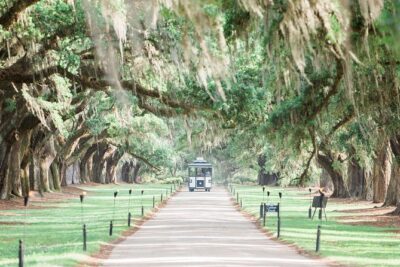
Boone Hall Plantation All-Access Admission Ticket
Read our review →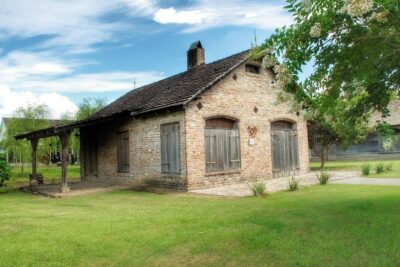
Whitney Plantation Tour with Transportation from New Orleans
Read our review →
Bayou Swamp Tour and Oak Alley Plantation Tour
Read our review →
Oak Alley Plantation & Airboat Swamp Combo Tour
Read our review →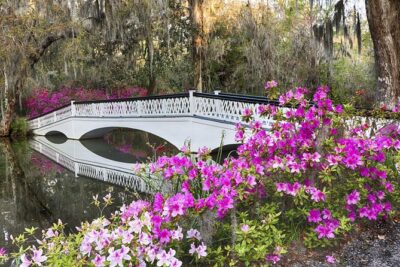
Magnolia Plantation Admission & Tour with Transportation from Charleston
Read our review →
Pearl Harbor, Dole Plantation, and Polynesian Center from Waikiki
Read our review →Browse the lists this tour appears in