

Reviewed · MUSEUMS
Metropolitan Museum Guided Group Tour
The Met feels manageable with a guide. I love how a small-group tour keeps the museum from swallowing your day, and how the skip-the-line ticket helps you get to the art faster instead of burning time in queues. You get a tight, smart route through the Met’s biggest hits, with a guide who explains what you’re seeing in plain terms.
One note: this is a highlights tour, not a do-everything marathon. You’ll walk at a moderate pace, and the museum is huge, so you may want a return visit (or extra time afterward) if you want to linger.
In This Review
- Key things to know before you go
- The Met in 2 or 3 hours: why this plan actually helps
- Price and value: what $65 buys you at the museum
- Where you meet, how entry works, and the best way to not lose time
- What the tour feels like once you’re inside: steps, stops, and smart pacing
- Stop inside the Met: Temple of Dendur and Egyptian tomb worlds
- Tudor England armor: Henry VIII’s suit and the drama of power
- The Antioch Chalice and the Holy Grail legend
- Greek and Roman statuary: frescoes, emperors, and seeing patterns
- John Singer Sargent’s Madame X: scandal as a learning tool
- How guides shape the experience: what to expect from your guide
- Crowd navigation and the comfort factor inside a giant museum
- After the tour: how to use your new Met map
- Who should book this Met highlights tour
- Should you book it? My call
- FAQ
- What is the cost and duration of the Metropolitan Museum guided group tour?
- Is admission to the Met included?
- Where do I meet the guide?
- How early should I arrive?
- What language is the tour offered in?
- Can I take photos or use selfie sticks?
- What is the cancellation window for a full refund?
Key things to know before you go
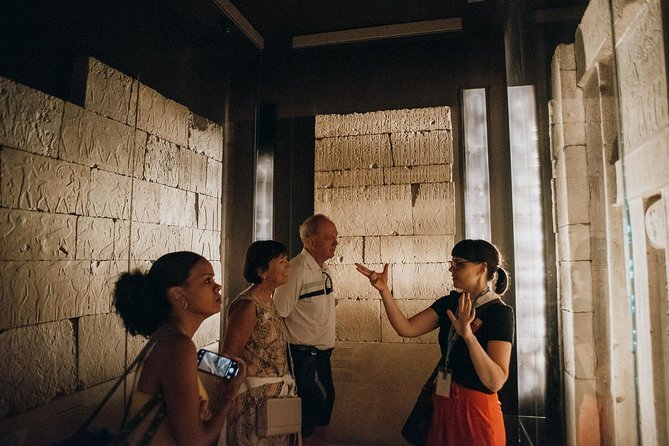
- Small group size (max 18) keeps the pace human and questions possible
- Skip-the-line entry saves you from ticket lines and gets you to the galleries sooner
- A guide-led highlight route helps you choose what matters most in a 2- or 3-hour window
- Museum security and possible waits mean you should arrive early, even if you have a ticket
- Photo rules inside are strict, and selfie sticks are prohibited
The Met in 2 or 3 hours: why this plan actually helps
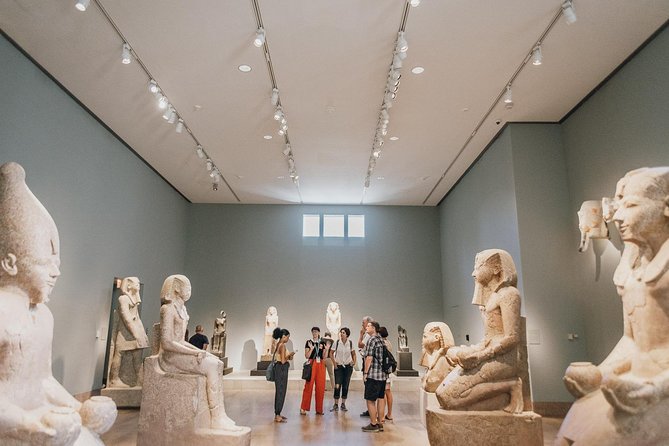
The Metropolitan Museum of Art is the kind of place that makes you say, I’ll just wander for a bit. Then you look up and realize it’s dinnertime, and you’ve somehow walked past three entire centuries without meaning to. This tour is built to stop that from happening.
Instead of trying to see everything, the guide focuses on a curated sequence of stops that give you the Met’s main threads quickly. You’ll get context for major works and objects across eras, from ancient Egypt to Western paintings, plus the sort of cultural stories that make art feel less like a textbook and more like something people debated, built, owned, and feared.
You also get a practical benefit that matters in New York: the Met is crowded at peak times. A group route helps you keep moving while the rest of the crowd does its own thing in every direction.
Other New York City outings to compare
- NYC: 9/11 Memorial & Museum Timed-Entry Ticket
★ 4.8 · 31,428 reviews - NYC: Empire State Building Tickets – Observatory & Museum
★ 4.7 · 25,757 reviews - New York City: American Museum of Natural History Ticket
★ 4.5 · 15,447 reviews
Price and value: what $65 buys you at the museum
The tour costs $65 per person and runs about 2 to 3 hours. At that price, you’re not just paying for entry. You’re buying three things: your time, your path, and your guide’s explanations while you’re standing in front of the objects.
Here’s how that value tends to play out on tours like this:
- You see more than you would alone because you’re not guessing which galleries to prioritize first.
- You spend less mental energy deciding where to go next, so you can actually look at what’s in front of you.
- You get the quick context that makes famous works click, like why they matter and what people argued about.
One consideration: if you’re the type who needs long pauses in every room, the time limit can feel tight. But if you want a strong first map of the Met, this is a sensible spend.
Where you meet, how entry works, and the best way to not lose time
You meet at 1000 5th Ave, New York, NY 10028. The tour starts at the meeting point, and it ends back there.
The biggest practical tip is timing: the meeting time is 15 minutes prior. If you arrive late, you may miss the start, and late arrivals or no-shows are not eligible for refunds. That’s not meant to be harsh. It’s just how group tours stay on track inside a museum that can have security and crowds.
Also plan for security. There is a security check before entering the building, and it can take up to 15 minutes. If you have bags, there’s a bag check, but you should build extra time and check your items before joining the tour.
Finally, the tour is a walking format with a moderate pace. You do not get hotel pickup or drop-off, so you’ll want to reach the museum via public transit and plan a comfortable walking day.
What the tour feels like once you’re inside: steps, stops, and smart pacing

After meeting in the lobby, you head out with your guide and a small group. The goal is simple: you don’t get lost, you don’t spend the whole time standing still, and you get enough context to understand what you’re looking at.
The tour typically blends big-name sights with a few “wait, that’s here too?” moments. Along the way, your guide explains significance as you stop, so you’re not just reading labels while trying to keep up with the group.
One helpful detail: museum galleries can close or have absences without notice. Your guide may adjust the route on the day. That’s normal for large institutions, and it usually means you still get a strong set of highlights, even if one specific room is temporarily unavailable.
The group max is 18 travelers, which is a key difference from those massive bus-style museum crowds. It’s still a moving walking tour, but it’s easier to ask questions and hear answers.
Same corner of the map, another day out:
- NYC: SUMMIT One Vanderbilt Tickets
★ 4.7 · 51,195 reviews - NYC: Empire State Building Observation Deck Tickets
★ 4.7 · 22,072 reviews - New York City: Statue of Liberty & Ellis Island with Ferry
★ 4.6 · 18,683 reviews - Statue of Liberty and Ellis Island Tour: All Options
★ 5.0 · 13,571 reviews
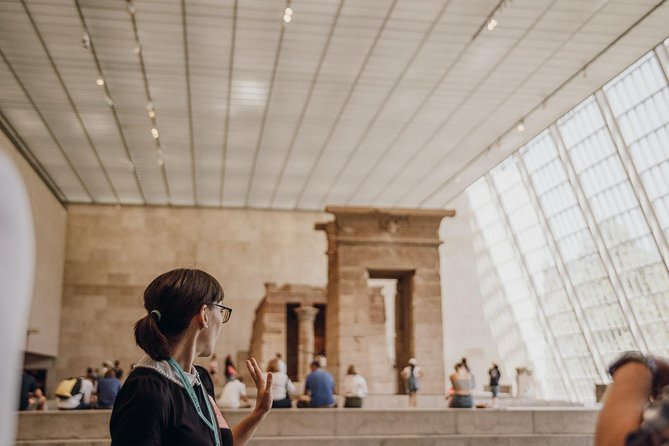
Stop inside the Met: Temple of Dendur and Egyptian tomb worlds
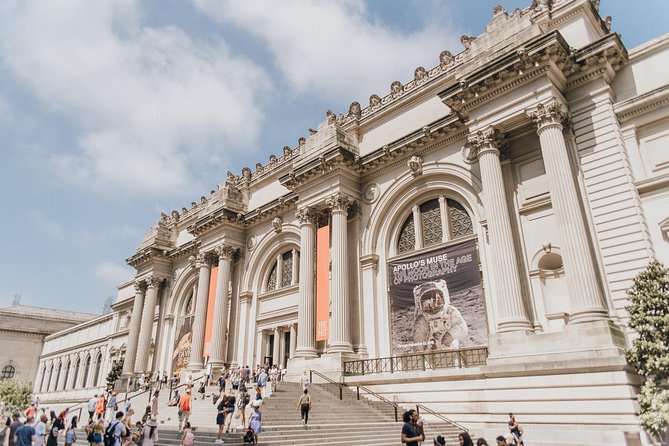
Your main stop is the Met itself, and the early beats matter. You head toward the Egyptian area, guided by the look and layout that connect the story of ancient Egypt to the museum’s physical spaces.
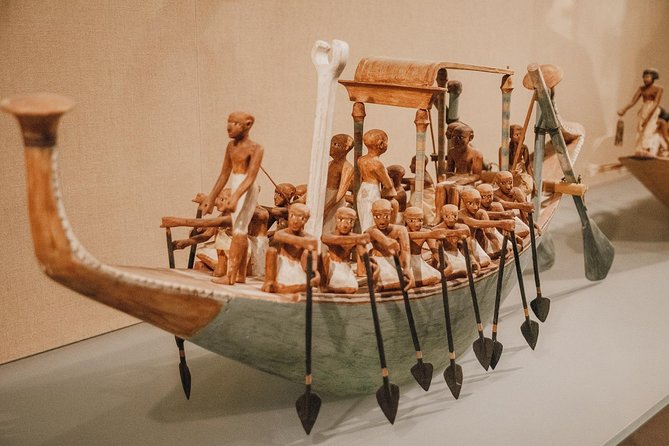
One landmark you’ll reach is the Temple of Dendur, dated to 15 BC. The guide leads you there via models of Egyptian tombs, which is a smart way to get your bearings. Instead of entering the gallery with only a vague idea of Egypt, you get a sense of how Egyptians built meaning through architecture, burial culture, and sacred space.
What I like about this part of the tour: it trains your eye. Egyptian objects can look formal or distant at first glance, but when the guide ties them to the temple setting and the idea of offerings, you can start noticing patterns and purpose instead of just admiring stonework.
If you’re the kind of person who loves seeing how museums recreate real environments, this stop can be a real highlight.
Tudor England armor: Henry VIII’s suit and the drama of power

From Egypt, the route shifts across time, and one of the most talked-about stops is King Henry VIII’s suit of armor. It’s a dramatic object in both scale and symbolism, and it’s the kind of item that helps you understand how museums display authority.
A guided look helps here because armor is not only metal and craftsmanship. It’s also propaganda, status, and identity. With context, you can start seeing the armor as a statement, not just a medieval costume.
This part can be a great breather too. It’s visually clear and less abstract than some paintings. If you’re traveling with kids, teens, or anyone who feels intimidated by museums, armor often wins them over quickly.
The Antioch Chalice and the Holy Grail legend
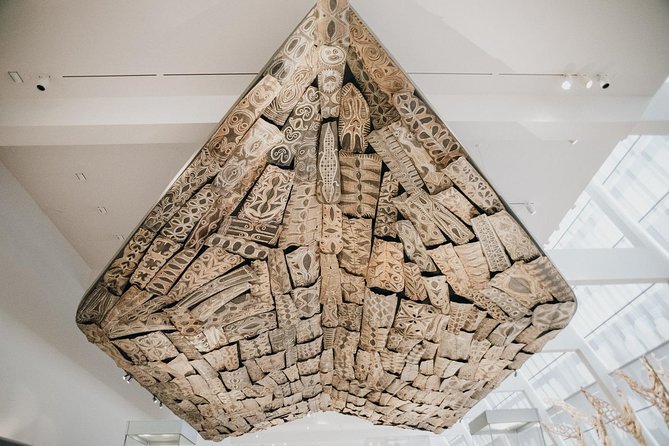
Next comes a story object, the Antioch Chalice, which is often linked to the Holy Grail legend. Whether you approach the Grail story as pure myth or as cultural history, it’s a smart stop for a highlight tour because it turns looking into listening.
Your guide explains legends and connections, which is useful because chalices can feel mysterious on your own. With a guide, you’re not guessing why people cared so much. You get the cultural framing that makes the object part of a bigger conversation.
This is also where good guides shine. Some guides simply point and move on. A stronger one tells you how legends travel, how art and objects get repurposed by later storytelling, and why the museum thinks the object deserves attention.
Greek and Roman statuary: frescoes, emperors, and seeing patterns
The Greek and Roman section is where the Met’s sheer range becomes obvious. You’ll meander through statuary and encounter scenes and sculpture that reflect both mythology and politics.
A highlight in this stretch includes ancient frescoes and busts of emperors. The tour helps you absorb the “why” behind the style. On your own, you might admire the craftsmanship but miss the logic of portraiture: how power gets displayed, how faces get idealized or sharpened to communicate legitimacy, and how artists made ideals look real.
Here’s the practical value for you: this is one of the easiest parts of the museum to enjoy without needing special background knowledge. The guide gives you enough framing that you can follow the timeline and recognize recurring themes.
If you want a slow, contemplative museum day later, this guided route gives you the baseline. Then you can return to the rooms that hooked you and spend more time where your curiosity genuinely lands.
John Singer Sargent’s Madame X: scandal as a learning tool
One of the most memorable moments for many visitors is the mention of John Singer Sargent’s Madame X and the scandal around it. This is a perfect highlight-tour subject because it’s art plus human drama.
The guide uses that controversy to explain what you’re looking at and why it mattered at the time. That matters because paintings often feel locked behind “famous artist” labels unless you’re given the context that made them shocking or celebrated.
In a short tour window, scandal does something practical. It gives you a reason to look carefully, especially at posture, expression, costume, and composition. It turns a stop into a story you can remember later, which makes the Met feel less like a blur.
How guides shape the experience: what to expect from your guide
This tour is only as good as its guide, and the best ones do two things at once: they move you through the museum and they make you want to linger mentally, even while you’re still walking.
From the guides tied to this tour, you may hear the kind of experience that sounds like:
- Rob using anecdotes and stories that connect art and history fast.
- Jett adapting to the group’s interests quickly, so the tour doesn’t feel like a one-size script.
- Phil pairing museum context with a friendly approach that keeps the mood light.
- Stephan answering questions confidently with comparisons across periods.
- Katie making a 3-hour run feel fast, with engaging storytelling that encourages reflection.
- Cherie bringing humor and warmth while keeping the information clear.
- Ryan setting a pace that works for mixed ages, including families with kids.
You might not get the exact guide names above. But you can use that as a clue for what works best: a guide who tells stories and answers questions tends to make the Met click.
Also watch the pace. Some highlights tours move quickly by design, and if you want to sit and stare for long periods, you may feel rushed in a 2-hour option. That’s not a flaw. It’s simply the trade you make for seeing the biggest hits in a short window.
Crowd navigation and the comfort factor inside a giant museum
The Met can be busy, especially on travel-heavy dates. A good guide keeps the group moving in a way that avoids constant stopping and restarting. That helps you stay energized and reduces the friction you get when you’re trying to push through museum crowds alone.
Even with a group plan, the tour requires walking and waiting at key moments, like security or transitions between galleries. If you’re sensitive to being stuck in a crowded lobby, arrive early and be ready to go.
One practical lesson from real tour pacing: delays can happen when group members are late. If your goal is a smooth day, keep yourself on time. It’s the easiest way to get a better experience for you and everyone around you.
After the tour: how to use your new Met map
When the tour ends, you’re free to explore on your own. This part matters because the highlight route gives you choices for what to do next, and you don’t have to guess where to start.
Use the tour like a “first chapter.” Pick one or two rooms that matched your interests, then return for deeper looking. This is especially smart for the Met because you can easily spend hours in one department, then realize you haven’t even touched the rest.
A practical strategy:
- If you loved Egyptian temple spaces, go back to the area you visited and spend time with the labels and nearby objects.
- If Sargent or other painting stops caught your attention, switch to a painting-focused loop so you can slow down.
- If sculpture and emperors felt best, stay in the Classical route and look for details the guide pointed out.
You’ll leave the guided part knowing what your personal favorites are likely to be. That makes the rest of your museum time feel intentional.
Who should book this Met highlights tour
This tour is a strong fit if:
- You’re visiting the Met for the first time and want a fast, structured introduction.
- You have limited time, because 2 to 3 hours is easier than planning a whole day.
- You like learning context while you look, not only reading wall text.
- You want a small-group experience rather than getting swept along with dozens of people.
It can also work well for families, because the tour highlights famous works and objects with stories that can hold attention, including kids who might otherwise find a museum too slow or too abstract.
If you’re a super slow museum walker who needs long rests and deep repetition in every room, you might prefer a less structured plan. But you can still book this as a starting point, then slow down after.
Should you book it? My call
Book this tour if you want the Met’s highlights with a human plan. It’s priced reasonably for what you’re buying: skip-the-line entry, a small group setting, and a guided path through major works that connect across 6,000 years of art and artifacts.
Skip it or choose a longer self-guided day if you hate walking, need lots of rest stops, or plan to spend hours in one gallery. In that case, the highlight route can feel like speed-walking with stops.
If you fall in the middle, you’ll likely be happy. This is the kind of tour that helps you leave the Met not just entertained, but oriented.
FAQ
What is the cost and duration of the Metropolitan Museum guided group tour?
The tour costs $65 per person and runs about 2 to 3 hours.
Is admission to the Met included?
Yes. You receive a skip-the-line ticket to the Metropolitan Museum of Art as part of the tour.
Where do I meet the guide?
You meet at the Metropolitan Museum of Art, 1000 5th Ave, New York, NY 10028. The tour ends back at the same meeting point.
How early should I arrive?
Plan to be there 15 minutes before the start time. Late arrivals may not be able to join and are not eligible for refunds.
What language is the tour offered in?
The tour is offered in English.
Can I take photos or use selfie sticks?
Non-flash photography is allowed, but it cannot be used inside the Museum. Selfie sticks are also prohibited. There is also security screening before entering, which can take up to 15 minutes.
What is the cancellation window for a full refund?
You can cancel up to 24 hours in advance for a full refund. If you cancel less than 24 hours before the start time, the amount paid is not refunded.
Newest New York City reviews on the site
- New York City: Private Walking Tour with a Local★ 4.6 · 771 reviews
- Washington DC Day Trip by Bus from New York City★ 4.7 · 600 reviews
- NYC: Wall Street and Financial District Walking Tour★ 4.9 · 284 reviews
- Wall Street Insider Tour with a Finance Professional★ 4.5 · 660 reviews
- True Crime New York: NYPD-Guided Mafia Walking Tour w/ Food★ 4.6 · 318 reviews
- NYC: Woodbury Common Premium Outlets Shopping Round Trip Service★ 4.0 · 784 reviews
- Williamsburg Food Tasting & Walking Tour★ 5.0 · 228 reviews
- Whitney Museum of American Art Admission Ticket★ 4.0 · 1,579 reviews
Museums, compared.

Empire State Building Tickets – Observatory & Museum
Read our review →

9/11 Memorial, Ground Zero Tour with Optional 9/11 Museum Ticket
Read our review →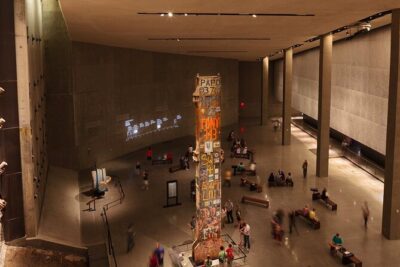

All-Access 9/11: Ground Zero Tour, Memorial and Museum, One World Observatory
Read our review →
Browse the lists this tour appears in