
Reviewed · 9/11 MEMORIAL & MUSEUM TOURS
9/11 Memorial Museum Admission Ticket
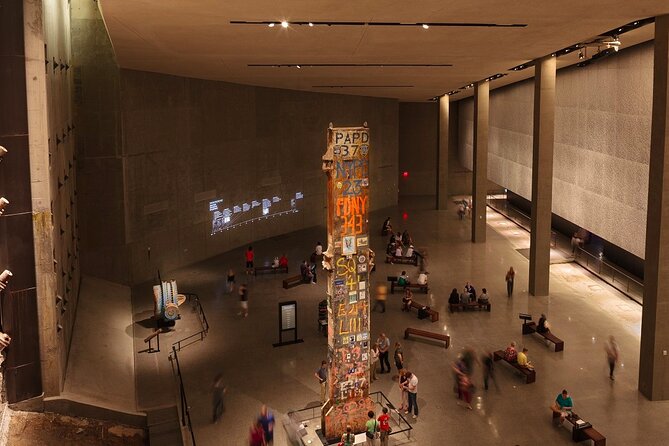
Few places hit like this one. The 9/11 Memorial Museum tells the story of September 11, 2001, and the 1993 World Trade Center bombing with real artifacts and first-person accounts you can experience at your own pace.
I especially love how the museum is built into the footprint space below the memorial pools, so the exhibits feel grounded in the site itself.
The second big win is the timed, mobile entry ticket, which helps you skip the biggest delays and get into the museum without getting stuck in guesswork. The main drawback to plan around is that you will go through airport-style security and there is no re-entry once you exit, so you need to commit to your visit time.
In This Review
- Key Things to Know Before You Go
- Why This Timed Ticket Works So Well in Lower Manhattan
- Entering the Museum: Security, Bags, and the Rules You’ll Actually Use
- The Layout Below the Reflecting Pools: What Your “Starting Point” Feels Like
- Exhibit 1: In Memoriam and the Weight of Names
- Exhibit 2: September 11, 2001 in Three Parts, Plus the Aftermath
- Timing Your Visit: How to Get the Full Experience in About 2 Hours
- What People Usually Love Most, and What That Means for You
- Accessibility, Strollers, and Special Considerations That Matter
- Photography, Phones, and How to Be Respectful Without Missing Anything
- Price and Value: Is $36 Worth It for a 2-Hour Museum?
- Who This Ticket Is Best For
- FAQ
- How long does the 9/11 Memorial Museum visit take?
- Is this a guided tour?
- What is included with the ticket price?
- Where is the museum located?
- Are there rules about photography and phones?
- Can I bring a large bag or backpack?
- Is there re-entry after I leave?
- Is the museum wheelchair and stroller accessible?
- How does cancellation work?
- Should You Book This Timed-Entry Ticket?
Key Things to Know Before You Go

- Guaranteed timed entry with a mobile ticket, so you can plan around your Lower Manhattan day.
- Below-the-pools location, with the reflecting pools as the physical anchor of the experience.
- Two main exhibitions: In Memoriam and the three-part September 11, 2001 presentation.
- Self-guided pacing gives you control when emotions, lines, and exhibits slow you down.
- Photography and cell phone rules matter in galleries and theater, so read the signage as you go.
- Plan for screening and storage, including a coat room for large bags and backpacks.
Why This Timed Ticket Works So Well in Lower Manhattan
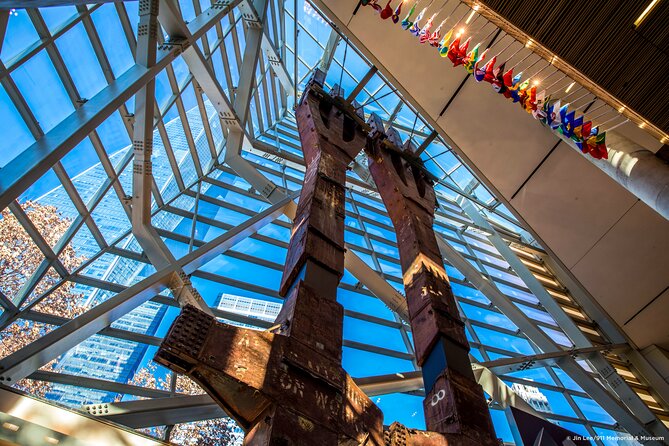
Lower Manhattan has a way of absorbing your schedule. One wrong assumption about entry lines or timing can steal half your day, especially at high-demand sites. This ticket is designed to solve that problem, because timed entry is the point: you show up with your mobile ticket and get in.
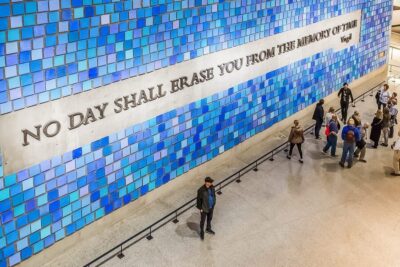
The museum itself is also special for a practical reason. Because it sits below the memorial grounds, it is not just a building you visit, it is part of the memorial landscape. That makes the experience feel more immediate, and it also shapes how you move through the exhibits, with clear flow from the entry areas into the exhibition spaces.
More 9/11 Memorial visits:
- NYC: 9/11 Memorial & Museum Timed-Entry Ticket
★ 4.8 · 31,428 reviews - 9/11 Memorial, Ground Zero Tour with Optional 9/11 Museum Ticket
★ 5.0 · 6,381 reviews - All-Access 9/11: Ground Zero Tour, Memorial and Museum, One World Observatory
★ 5.0 · 4,886 reviews
Entering the Museum: Security, Bags, and the Rules You’ll Actually Use
Before you reach any displays, expect airport-style screening. This is a place where you do not want to show up late and frantic, because the museum is respectful but not slow. Bring only what you need, because large bags, including backpacks and large umbrellas, are subject to mandatory storage in the coat room.
A few other rules can surprise people if they do not read them in advance. Photography is permitted for private, non-commercial use only, but in exhibition spaces and the theater, you cannot use cell phones for conversation. If you like to take notes or photos, plan to do it quietly and quickly between exhibits rather than talking on the phone inside galleries.
Also note the no-nonsense rule that there is no re-entry after exiting the building. That matters if you are thinking of stepping out for a snack or to re-check something outside. Decide once, and then stay with your museum plan.
The Layout Below the Reflecting Pools: What Your “Starting Point” Feels Like
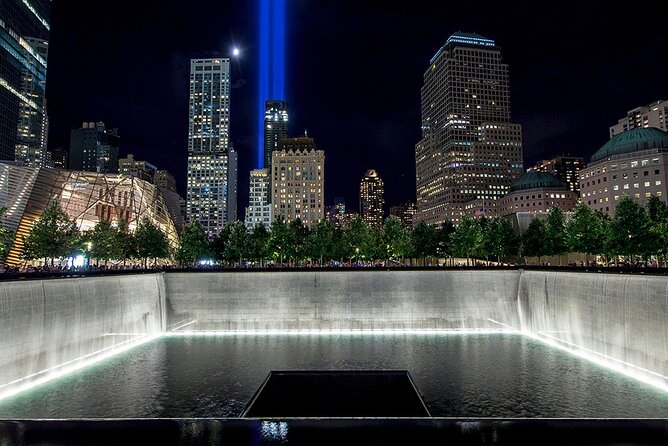
Your visit begins at the National September 11 Memorial & Museum and then transitions into the museum experience located below the 9/11 Memorial reflecting pools. The pools represent the footprints of the Twin Towers that fell in the 2001 attacks, and that geometry matters. Even before you reach the biggest exhibits, you get that psychological cue that you are not in a typical museum space.
The museum is self-guided, so you are free to choose how you move. The exhibitions are set up so you can follow a logical route, but you can also slow down where you need to. That flexibility is one of the best parts of the ticket value, because this is not a stop you should rush through.
A good target is at least two hours. The ticket allows you to stay longer, but two hours is the sweet spot for most people who want to absorb the story, see the core exhibitions, and still feel like they experienced the museum rather than sprinting past it.
Exhibit 1: In Memoriam and the Weight of Names

In Memoriam is the memorial exhibition honoring the people who lost their lives, and it also recognizes those killed during the 1993 World Trade Center bombing. What stands out here is the way the exhibit frames remembrance as more than dates. It is about people, and it uses artifacts and stories to make sure you understand that loss was not abstract.
This is the part of the museum where most people tend to get quiet. The emotional tone is not an accident. The exhibit is built to bring up compassion and recovery, and the pacing of the space encourages you to slow down. If you are visiting with kids or someone who processes emotion differently, this is also a good place to stop and check in, because questions can come fast.
One practical tip: if you are the type who likes to read every label, you will spend more time here. If you prefer to skim labels and watch videos, you will still want a solid block of time because the memorial-focused segments set the emotional context for everything after.
Other New York City outings to compare
- NYC: Empire State Building Tickets – Observatory & Museum
★ 4.7 · 25,757 reviews - New York City: American Museum of Natural History Ticket
★ 4.5 · 15,447 reviews - NYC: Museum of Modern Art (MoMA) Entry Ticket
★ 4.6 · 12,540 reviews - NYC: Intrepid Museum Entry Ticket
★ 4.7 · 4,687 reviews
Exhibit 2: September 11, 2001 in Three Parts, Plus the Aftermath

The second centerpiece is the September 11, 2001 exhibition, described as a three-part experience that tells the story of the day and then analyzes motives behind the attacks. That structure helps you connect events to consequences, not just see the day as a series of shocking images.
Just as important, it does not end with the moment of impact. It shows the aftereffects of the attacks and how the event changed the world, locally and globally. That shift matters for your understanding because the museum does not leave you stuck only in the horror. It also explains how the world responded, and how communities rebuilt.
This is also where the multimedia approach can affect your pace. The museum uses multimedia displays, and many visitors find that the combination of artifacts, timelines, and recorded accounts adds emotional weight. If you are prone to getting overloaded, plan to take small breaks, like stepping aside when a display becomes too intense.
Timing Your Visit: How to Get the Full Experience in About 2 Hours
A timed ticket is great, but it still helps to plan a “soft itinerary” once you are inside. Here is a practical way to think about your time.
Start by getting oriented quickly. Move through the first exhibition areas with the goal of understanding where everything is, not collecting every detail. After that, choose one exhibit section to go slower in. In Memoriam is usually the section people need to linger in, and September 11, 2001 is often where people settle in for the story structure and multimedia.
If you have only two hours, you cannot do everything deeply. But you can do the important parts deeply enough if you commit to one slow zone and one story zone. Many people end up spending longer than expected because the museum creates a steady rhythm: read, watch, step aside, then keep going.
If you want a smoother experience, do not treat this like a checklist. You will feel the museum more when you give it time to land.
What People Usually Love Most, and What That Means for You
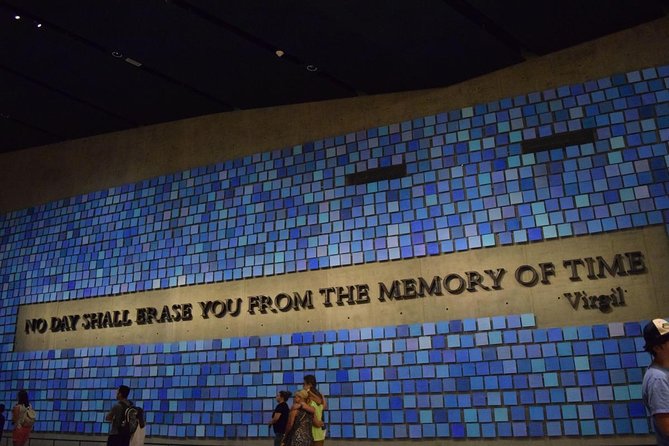
This museum has a powerful reputation for a reason. The reviews and general visitor reaction consistently point to a few standout strengths: the emotional impact, the clarity of the story, and the respectful way the information is presented.
The biggest praised element is how the museum tells the story with sensitivity while still being factual and detailed. You get artifacts from the site and personal accounts of the day, which helps you connect history to real human experience. Another frequently noted strength is that the museum includes perspectives that make it feel personal, including moments tied to family members and the people affected.
You also see a pattern in what visitors value: take your time. People often recommend not rushing, and that advice is practical. If you race through, you may miss the emotional cues and the way the exhibits build toward understanding.
There can be a consideration here for some visitors: parts of the museum involve stairs, and one common comment is that some stairs can be slippery. If you visit in rain or winter weather, wear footwear with grip and give yourself extra care in those areas.
Accessibility, Strollers, and Special Considerations That Matter

This museum is wheelchair and stroller accessible, which is a real win for families and visitors who need level movement through the site. Still, because you are in a public museum with exhibition spaces and walkways, do expect some areas where movement can feel tight. Going slower helps everyone, especially if you need time to pause at exhibits.
Service animals are allowed, and the museum is near public transportation, which helps if you are building your day around Lower Manhattan transit options. If you are traveling with a stroller, plan to store any large items in the coat room when required so you can keep your hands free.
If you are sensitive to crowds, remember this museum has high emotional demand. Timed entry helps, but you may still encounter groups during peak hours.
Photography, Phones, and How to Be Respectful Without Missing Anything
Photography is allowed for private, non-commercial use. That means you can capture a few moments, but you should still follow the posted guidance in each space. The cell phone rule is the more immediate one: you cannot use cell phones for conversation in exhibition areas and theater.
If you like to document your visit, you will do best by treating photos like short interruptions rather than a continuous filming routine. The museum experience depends on attention, and the spaces are designed so quiet focus is part of the atmosphere.
Also remember: you will be in a security-screened, controlled environment. That means no big bag access and no leaving-and-returning plan. If you need to take breaks, do it from within the museum time you reserved.
Price and Value: Is $36 Worth It for a 2-Hour Museum?
At $36 per person, this ticket is not cheap, but for New York, it is reasonable for a site with guaranteed timed entry. The value comes from three places.
First, you pay for time savings and certainty. Timed entry is not just a convenience; it protects your schedule in a high-demand location. Second, the museum is self-guided, so you get flexibility rather than a tightly paced group experience. That lets you linger where the story lands hardest.
Third, the content is built around core exhibitions that cover both the events of 2001 and the broader context of the World Trade Center history, including the 1993 bombing. In other words, the ticket covers more than a memorial visit. It also gives you analysis and aftermath context, which is what makes it more than a quick stop.
If you are deciding between multiple Lower Manhattan activities, this one tends to become a “main event.” For many people, it is worth prioritizing because it leaves a lasting impression and adds meaningful context to the rest of your day around the area.
Who This Ticket Is Best For
This is a strong choice for you if you want a self-guided, structured museum experience with clear themes and a respectful tone. It is especially well suited for history-minded visitors who want artifacts and personal accounts, not just broad explanations.
It is also a good option for families, as long as you plan pacing. The museum can be emotionally intense, and kids may have questions, especially once they start seeing artifacts and hearing accounts. If you go, plan to pause and talk rather than pushing forward.
If you are the type who hates quiet museums or finds emotional content hard to handle, you might find the experience heavy. In that case, set expectations and consider whether you want your day to include this kind of emotional weight.
FAQ
How long does the 9/11 Memorial Museum visit take?
The suggested time is at least two hours. With your timed-entry admission, you can stay as long as you want.
Is this a guided tour?
It is self-guided. You explore the exhibitions and multimedia displays at your own pace.
What is included with the ticket price?
Your ticket includes timed admission to the 9/11 Memorial Museum.
Where is the museum located?
The museum is located below the 9/11 Memorial, near the reflecting pools that represent the Twin Towers footprints.
Are there rules about photography and phones?
Photography is permitted for private, non-commercial use. In exhibition spaces and the theater, cell phones for conversation are prohibited.
Can I bring a large bag or backpack?
Large bags, including backpacks and large umbrellas, are subject to mandatory storage in the coat room.
Is there re-entry after I leave?
No. There is no re-entry after exiting the building.
Is the museum wheelchair and stroller accessible?
Yes. The 9/11 Memorial Museum is wheelchair and stroller accessible.
How does cancellation work?
You can cancel for a full refund if you cancel at least 24 hours in advance of the experience start time. If you cancel less than 24 hours before the start time, the amount paid will not be refunded.
Should You Book This Timed-Entry Ticket?
Yes, you should book if you care about guaranteed entry, self-guided pacing, and a museum experience that connects the day to the people and the aftermath. The $36 price makes sense when you consider the combination of timed entry, major exhibitions, and the chance to take your time without feeling rushed.
Skip it only if you are not ready for an emotional, heavy topic or if you dislike museums with strict security and “no re-entry” rules. If you do book, plan to slow down, wear grippy shoes, and give the exhibits more time than you think you need. This is the kind of visit that rewards attention.
Newest New York City reviews on the site
- All Inclusive Airport Departure Transfer NYC/ Brooklyn/Queens★ 4.0 · 342 reviews
- The Escape Game Brooklyn: Epic 60-Minute Adventures in City Point★ 5.0 · 332 reviews
- New York Aquarium Admission★ 4.0 · 298 reviews
- Brooklyn Food Walking Tour: Local Eats & Family‑Run Shops★ 5.0 · 592 reviews
- Brooklyn Bridge & DUMBO Food Tour: Local Eats & Landmarks★ 5.0 · 478 reviews
- New York City: City Highlights Guided Bike or eBike Tour★ 4.5 · 229 reviews
- New York City: Superheroes of NYC Guided Walking Tour★ 4.5 · 271 reviews
- NYC: Sunset Sail Aboard Schooner Adirondack★ 4.9 · 283 reviews
9/11 Memorial & Museum Tours, compared.

9/11 Memorial, Ground Zero Tour with Optional 9/11 Museum Ticket
Read our review →
All-Access 9/11: Ground Zero Tour, Memorial and Museum, One World Observatory
Read our review →
NYC City Tour: Statue of Liberty, 9/11 Memorial, Wall Street
Read our review →
Ground Zero 9/11 Memorial Tour & Optional 9/11 Museum Ticket
Read our review →

9/11 Memorial Tour and Optional Observatory Ticket
Read our review →
Wall Street Tour with 9/11 Memorial and Statue Ferry
Read our review →Browse the lists this tour appears in