
Reviewed · SNORKELING
Manta Ray Night Snorkel Tour in Kailua-Kona, Big Island
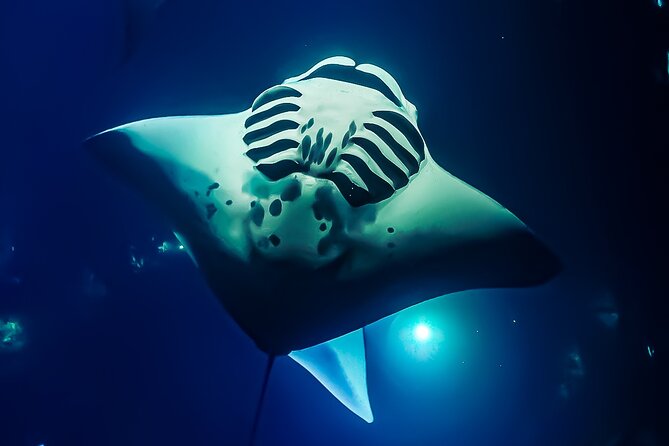
Night snorkeling in Kona is not like regular snorkeling. It is calm, beginner-friendly, and built around a simple idea: light attracts plankton, plankton brings manta rays. I like that the vibe stays easy from the start, especially with provided snorkeling gear and guides who are lifeguard-certified and keep safety front and center. I also love the value angle, you get about two hours on the tour plus the rest of the evening back on your own, which makes this a smart add-on to a Kona itinerary. One drawback to plan for: you are jumping in from a boat and you do need to swim, plus the water can feel chilly, so pack or rent a wetsuit and take motion-sickness help if you get it.
You start at Honokohau Harbor and cruise in a speedboat, then float on a lighted platform at a remote site reached only by boat. The crew keeps things fun and focused, with names like Trevor, Diego, Mitch, Tamae, Nick, and Maddie showing up again and again in guest feedback. If you want a genuinely different Hawaii night activity, this is one of the most straightforward ways to do it.
In This Review
- Key things that make this Kona night snorkeling stand out
- Why manta ray night snorkeling is so worth your time
- Getting there: Honokohau Harbor to a boat-only feeding site
- The sunset-to-night timeline that keeps things calm
- Stop-by-stop: Garden Eel Cove, Kona coastline, and the Big Island view
- What happens in the water: platforms, entry, and how safety really works
- If you get motion sickness, take it seriously
- Comfort and gear: wetsuits, equipment, and GoPro coverage
- Wetsuits are not mandatory, but they can be the difference
- Free GoPro photos are a real value add
- Wildlife expectations: what manta rays feel like at night
- Who this tour fits best, and who should rethink it
- Best fit
- Considerations
- The crew matters: the human touch behind the safety and fun
- Money and value: is $125 worth it?
- Practical tips so your night goes smoothly
- Should you book Iruka Hawaii’s Manta Ray Night Snorkel Tour?
- FAQ
- How long is the Manta Ray Night Snorkel Tour?
- What does the tour cost?
- What snorkeling gear is included?
- Is there an option to rent a wetsuit?
- How long do you snorkel in the water?
- Do you need to be able to swim?
- Is food, drinks, or alcohol allowed?
- When might you see whales?
- What is the cancellation window for a full refund?
Key things that make this Kona night snorkeling stand out
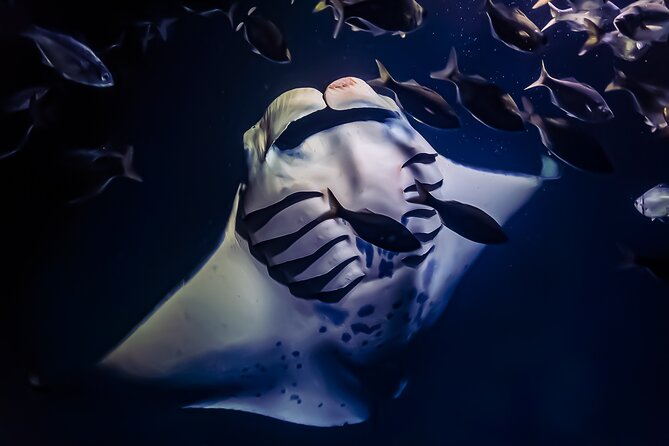
- Lighted campfires that pull manta rays in, turning an ordinary swim into a real wildlife show
- A lifeguard-focused crew, with coast-guard style safety briefings and hands-on help in the water
- Beginner-friendly pacing, including first-time snorkeling tips before you enter
- About 2 hours total, then you are free for the rest of the evening in Kona
- Free GoPro photos from the crew, so you do not need to play photographer all night
- Small-group feel, with a maximum of 30 travelers
Why manta ray night snorkeling is so worth your time
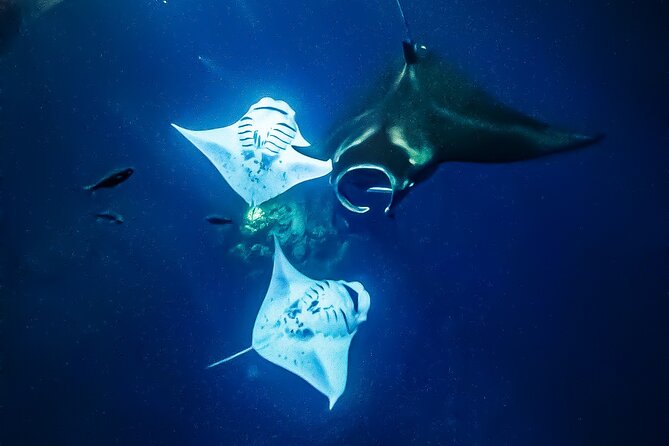
Most snorkeling is about seeing what is already there. This experience is different. You are doing it at night when manta rays are feeding, and the site is set up so plankton comes to the light. Those lighted underwater “campfires” are part science, part magic. The result is that you are not just hoping you get lucky. You are going to the right place, at the right time, with guides who know how to run the whole operation smoothly.
I also like how this tour respects the fact that you are on vacation. The total commitment is about two hours, and after the water time you get hot cocoa, tea, and snacks while you cruise back. Then the evening is yours. That matters in Kona, where it is easy to waste daylight waiting for the “main event” of the night.
Finally, this is designed for a wide range of people. It is open to all ages, and the guides support first-timers with simple, practical tips. If you have kids, couples, or mixed swimming abilities in your group, you will usually find this setup easier than the more hardcore charters.
Other Big Island of Hawaii outings to compare
- Big Island Manta Ray Night Snorkel
★ 5.0 · 5,656 reviews - Big Island: Kona Manta Ray Snorkel Tour in Keauhou Harbor
★ 4.5 · 2,465 reviews - KONA Manta Ray Night Snorkel – FREE re-ride if no Sightings
★ 5.0 · 2,212 reviews
Getting there: Honokohau Harbor to a boat-only feeding site
The tour starts at Iruka Hawai‘i Dolphin and Manta Tours at 74-380 Kealakehe Pkwy in Kailua-Kona. From there, the experience centers on a speedboat run, specifically the KIBOU, departing from Honokohau Harbor. That matters because it positions you for the remote part of the evening.
The big idea is that Manta Ray Heaven is not a shore stop. It is a site only accessible by boat. You cruise the Kona coast first, and then you head where the mantas are likely to be drawn in by the submerged lights. This approach saves you from trying to find the “right spot” yourself at night, with glare, dark water, and zero sense of where to wait.
One more practical point I appreciate: the tour includes an air-conditioned vehicle. That sounds small, but it helps when you are syncing your evening plans around pickup, especially if you are coming straight from dinner or the beach.
The sunset-to-night timeline that keeps things calm
You are not just thrown into the deep end of a chaotic night. The sequence is built around timing.
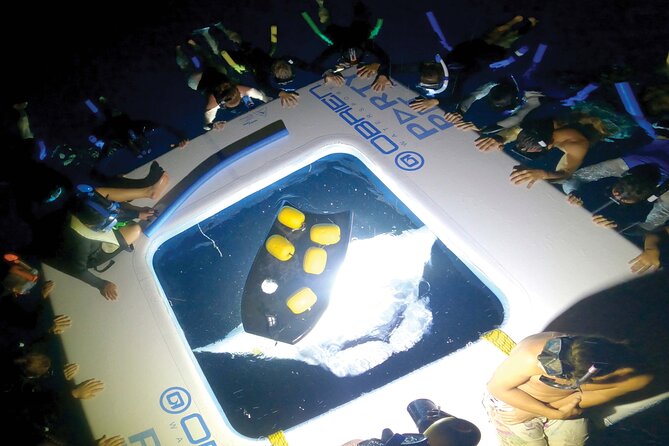
After you board and cruise, you gear up and then move to the manta site. When the lights are working and the spot is set, you enter the water and float on the lighted platform. Many operations like this do the water time fast and move on, but here the plan is measured. You are in the water for about 45 minutes, long enough to get manta sightings but not so long that everyone is freezing.
Once snorkeling ends, you get warm drinks and snacks while the boat cruises back under the stars. This is one of those “feels like an upgrade” moments. You get the best part first, then you coast home with cocoa and tea instead of being cold and tired right away.
If you are the type who worries about keeping a kid on schedule, this helps. It is a predictable block of time, not an all-night marathon.
Stop-by-stop: Garden Eel Cove, Kona coastline, and the Big Island view
Even though the water action is the headline, the rest of the route is part of the experience.
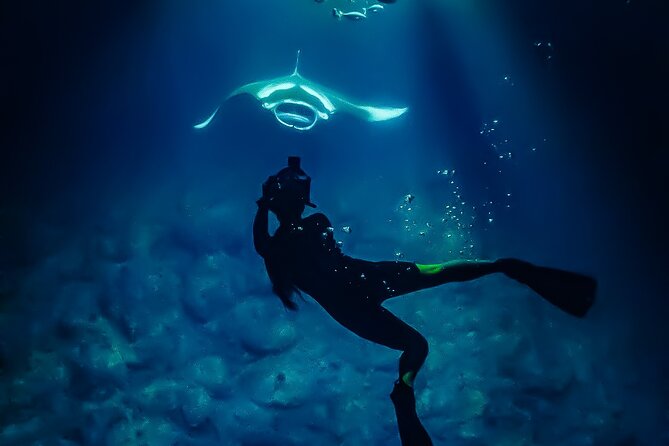
Garden Eel Cove / Manta Heaven: This is where the night snorkeling focus lives. Think of it as the transition from boat cruising into the feeding area. You are headed toward the lighted “campfires” setup where plankton gathers and manta rays come to feed. It is also where you get your bearings for the water portion.
Kailua-Kona: This is your coastal cruising segment. In practice, this is where you are moving through the Kona night environment, watching the shore and getting context for where you are on the island. It is not just transport. It is part of turning the tour into an experience, not a quick ride.
Island of Hawaii: The final segment keeps you in “island scale” mode. The coastline and open water views make the trip feel larger than a swim at a single point. If you like a little scenery between the wildlife moments, this helps.
What is worth knowing: the route can change based on conditions. One thing that comes up in guest feedback is that strong ocean conditions can lead to rebookings. That lines up with the reality that this is an outdoor water activity and the weather matters.
Same corner of the map, another day out:
- Big Island in a Day: Volcanoes Waterfalls Sightseeing and History
★ 5.0 · 6,569 reviews - Hilo Shore Excursion: Volcanoes National Park & Black Sand Beach
★ 4.5 · 2,338 reviews - Big Island: Captain Cook Snorkel On A Power Catamaran With Lunch
★ 5.0 · 2,232 reviews - Manta Ray Night Snorkel at Kona, Big Island
★ 5.0 · 1,758 reviews
What happens in the water: platforms, entry, and how safety really works
This is the part you should picture clearly before you book.
You will gear up with provided snorkeling equipment, then you enter the ocean from the boat. The guides support all ages, but you should still plan like you are going to swim. One key detail that comes through in guest experience is that you jump in and swim out to the platforms. That means “non-swimmer” is not the best match for this tour unless you have a comfort plan with the crew ahead of time.
Once you are set, you float on a lighted platform. The mantas glide and roll below you, and the whole setup makes it easy to look down and watch. Guides also help people stay oriented, including support when someone has trouble with their float or comfort in the water.
The staff briefings are taken seriously. Guests specifically mention a coast-guard style safety speech, delivered in a way that keeps the energy light. Names like Diego and Trevor show up in reviews for helping guests feel safe from start to finish, and for maneuvering the raft so people can see mantas.
If you get motion sickness, take it seriously
If you are prone to motion sickness, you are explicitly told to take medication an hour before departure. Do not treat this as optional advice. The boat ride and the low-light water can amplify that feeling. Planning ahead makes the whole night more enjoyable, especially for kids.
Comfort and gear: wetsuits, equipment, and GoPro coverage
The good news: snorkeling gear is included. That means you are not hunting for masks and snorkels right before your evening out.
You also get help from the crew in the water. One recurring theme is that staff are friendly and organized, and they keep things safe. Guests mention everything from loaning support to helping kids feel comfortable in the ocean.
Still, comfort is where you can choose your outcome.
Wetsuits are not mandatory, but they can be the difference
Wet suits are available for rent: $10 for adults and $5 for children. Multiple guests call out that it gets chilly once you are floating and stationary, especially during night snorkeling when the water takes heat away from your body. My practical take is simple: if you run cold, rent the wetsuit.
If you wear contacts, you might be okay with your own gear, but the tour does not list prescription lens rentals in the core details. Some guests do report having access to prescription goggles, so if that matters to you, ask before you go and double-check what will be available.
Free GoPro photos are a real value add
The tour includes free GoPro photos taken by the crew. This is not a tiny perk. It means you do not need to bring an action camera or fight with waterproof cases while trying to watch mantas.
Wildlife expectations: what manta rays feel like at night
Manta rays at night can look unreal. Guests often describe them as getting very close to the platform and showing a steady feeding behavior around the light zone. It also helps that the crew sets the conditions so you are not searching for distant shapes.
You should also go in with realistic expectations. This is wild animal viewing. Sometimes you see fewer manta rays than you hoped for, and sometimes the show is better than you imagined. That is not a failure. That is nature.
If you want an added wildlife bonus, keep an eye out for whales from November to March. The tour specifically calls this out, so it is worth factoring into your seasonal planning.
Who this tour fits best, and who should rethink it
Best fit
This tour is a strong match if you want:
- A beginner-friendly intro to ocean night snorkeling
- A family activity that still feels special, not like a long classroom field trip
- A short, high-impact evening plan with hot cocoa and snacks after the water time
- A guided experience that prioritizes safety and includes equipment
Couples also like it because it feels romantic without being overly complicated. One friend-style clue from reviews: people call it a must-do in Kona, often as a highlight after a day of beaches and dinner.
Considerations
Rethink it if:
- You are not comfortable swimming. You need to be able to swim out to the platforms, and you enter from the boat.
- Motion sickness is a big issue for you, even with medication. If you are unsure, test your tolerance in daylight first, or ask the operator for guidance.
- You are expecting a private, quiet experience. This tour caps at 30 travelers, so it can feel lively. One guest complaint about crowding and timing does appear, even while most feedback is overwhelmingly positive.
The crew matters: the human touch behind the safety and fun
This is where the reviews really line up. The guides bring energy, humor, and clear instructions.
You will see crew names like Trevor, Diego, Mitch, Tamae, Nick, Eric, Maddie, and Tami (mentioned as captain in one guest report). The consistent theme is that safety is real, not just said. People mention feeling safe in the water, being helped if they lose their float, and getting practical instruction on how to snorkel calmly.
I also like that the crew treats the animal experience respectfully. One of the best signs is that guests specifically call out the way staff focus on animal safety while keeping human safety tight. That balance is what makes the whole “campfires bring mantas close” setup work for everyone.
Money and value: is $125 worth it?
At $125 per person for about two hours, this is not a budget activity. But it is also not overpriced for what you get.
Here is the value breakdown that makes sense for most travelers:
- Equipment is included, so you are not paying extra for a mask and snorkel setup
- You get free GoPro photos, which can easily replace the cost of renting a camera accessory or buying your own underwater setup
- You are paying for a boat to a boat-only feeding zone at night, plus guided instruction and safety support
- The tour is short, then you get the rest of the evening back, which helps you build a better overall trip day
If you are comparing to private manta charters, those are usually much more expensive. This group tour keeps costs down while still delivering the core night-snorkeling experience.
And if you plan the wetsuit rental ($10 adult, $5 child) up front, you protect your comfort, which protects your enjoyment. Comfort is not a luxury here. It affects whether you actually want to stay floating and watching.
Practical tips so your night goes smoothly
- Rent the wetsuit if you run cold. The water can feel chilly when you float for a while.
- Bring any comfort items you already know you need for snorkeling (like your own mask if it fits well).
- If you get motion sickness, follow the guidance and take medication about an hour before departure.
- Arrive with time to check in and sign waivers, then you can skip stress when the boat time is approaching.
- Wear dark, less-restrictive clothing for after snorkeling since you will likely be wet and chilly on the way back.
- If you are with kids or mixed swimmers, be honest about ability, because the entry and swimming to platforms is a real part of the experience.
Should you book Iruka Hawaii’s Manta Ray Night Snorkel Tour?
Book it if you want a high-impact Kona night activity with a clear plan, provided gear, and a crew that emphasizes safety and fun. The combination of lighted campfires, guided floating on a platform, and the “two hours and you are done” schedule is the best reason to choose this over vague DIY plans or overly long night tours.
Skip it or think hard if swimming is a problem for you, or if you know you get knocked around by boats even with medication. Also, if you need an ultra-quiet setting, remember this is capped at 30 travelers and the experience can be lively.
If you fall into the “comfortable swimmer who wants a unique Hawaii night” category, this is a very strong choice. It is the kind of tour that makes your trip feel like you did something you could only do here.
FAQ
How long is the Manta Ray Night Snorkel Tour?
The tour runs for about 2 hours.
What does the tour cost?
It is $125.00 per person.
What snorkeling gear is included?
You get use of snorkeling equipment as part of the tour.
Is there an option to rent a wetsuit?
Yes. Wet suits are available for rent for $10 per adult and $5 per child.
How long do you snorkel in the water?
The tour description indicates about 45 minutes in the water.
Do you need to be able to swim?
Yes. You jump into the water from the boat and swim out to the platforms, so you should be comfortable swimming.
Is food, drinks, or alcohol allowed?
You are welcome to bring food and drinks. Alcohol is allowed after snorkeling, and no glass bottles are permitted.
When might you see whales?
Whales are possible from November to March.
What is the cancellation window for a full refund?
You can cancel up to 24 hours in advance for a full refund. Within 24 hours, the amount paid is not refunded.
More Evening Experiences in Big Island of Hawaii
- Big Island GOAT Experience: Mauna Kea Summit, Sunset & Stars
★ 5.0 · 1,706 reviews - Big Island: Mauna Kea Summit Tour with Free Night Star Photo
★ 5.0 · 1,449 reviews - Glow of the Deep: Night Snorkeling with Manta Rays
★ 4.5 · 1,254 reviews - Manta Magic: Small-Group Manta Ray Night Snorkel in Kailua Kona
★ 5.0 · 1,141 reviews
Newest Big Island of Hawaii reviews on the site
- Zodiac Raft Whale Watching Adventure★ 5.0 · 456 reviews
- Kealakekua Bay Snorkeling Tour – 4 hour Kona Zodiac Adventure★ 5.0 · 508 reviews
- Volcano, Chocolate and Waterfalls of the Big Island★ 5.0 · 238 reviews
- Whale Watch Excursion from the Big Island★ 4.5 · 263 reviews
- Whale Watching On The Big Island★ 5.0 · 573 reviews
- Volcano National Park Adventure from Waikoloa★ 5.0 · 216 reviews
- Big Island, Hawaii: Volcanoes National Park Safari★ 4.5 · 545 reviews
- Hawaii Volcanoes, Waterfalls, Beaches & Hilo Highlights Day Tour★ 5.0 · 391 reviews
Snorkeling, compared.
Grand Tour Around Island 16 Locations plus Snorkeling
Read our review →
Oahu’s Ultimate Tour: Dole, Turtle Snorkel, Pali Lookout & More
Read our review →
Oahu Circle Island Tour with Turtle Snorkeling— Small-Groups
Read our review →
Waikiki, Hawaii: Turtle Canyon Snorkel Excursion
Read our review →
Shell Island Snorkel and Dolphin Catamaran Cruise with Island Time
Read our review →
Turtle Canyon Snorkel Adventure in Waikiki, Oahu
Read our review →
The ‘OG’ Manatee Snorkel Tour with In-Water Guide/Photographer
Read our review →Browse the lists this tour appears in