
Reviewed · SNORKELING
Manta Ray Night Snorkel Tour from Kona
Manta rays at night feel unreal. I love the idea of watching them feed in their natural habitat, and I love the comfort of warm homemade soup and hot drinks waiting right after you’re done floating under the lights. You’re out on the water in Kona for about 1.5 hours, and the whole setup is built around getting you calm, close, and safe for a once-in-a-lifetime swim.
Night snorkeling also matters because mantas are typically more active after dark, so your odds are better than a daytime outing. One thing to consider, though, is that this tour is not for total beginners or non-swimmers, and you will be in open water at night.
In This Review
- Key highlights at a glance
- Why Night Snorkeling in Kona Makes Manta Encounters Work
- Meeting at Fair Wind Big Island Ocean Guides on Kaleiopapa Street
- The Boat Ride, Underwater Lights, and the Plan for Sightings
- Snorkeling Gear Rules You Should Know Before You Arrive
- What You’ll See Under the Lights, Up Close
- The 1.5-Hour Flow, From Check-In to Returning to Shore
- Warm Soup and Hot Drinks: The Unfair Advantage
- Price and Value: Is $160.50 Worth It?
- Who Should Book This Manta Ray Night Snorkel, and Who Should Skip It
- Should You Book Kona Sunrise Charters Manta Ray Night Snorkel?
- FAQ
- Where is the meeting point for the Manta Ray Night Snorkel tour?
- How early should I arrive before departure?
- How long is the tour?
- What is included in the price?
- Do they pick me up at my hotel?
- Can I use a full face snorkel mask?
- Is this tour for beginners or non-swimmers?
- Are there multiple departure times?
- How big is the group?
- What should I know about cancellation?
Key highlights at a glance
- Moonlight manta-ray snorkeling in Kona with a guided route to a known natural habitat
- Manta-safe underwater lights that improve visibility and attract plankton
- Wetsuit and snorkel gear included, plus instruction before you get in
- Warm soup, bread rolls, and hot drinks served onboard after your swim
- Small group size with a maximum of 26 travelers for a less crowded feel
- Four departure times so you can pick what fits your Kona day
Why Night Snorkeling in Kona Makes Manta Encounters Work
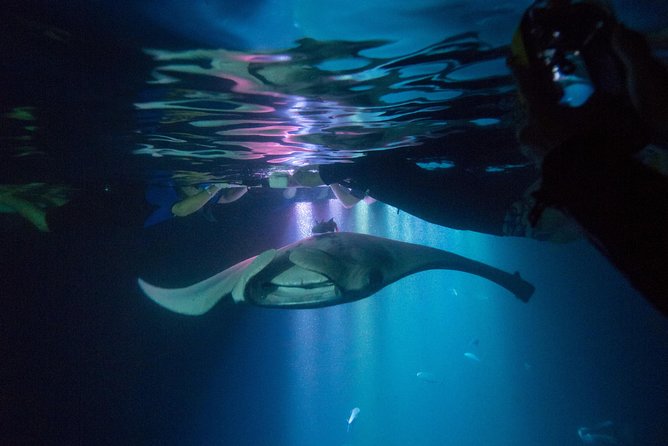
If you come to Kona hoping to see manta rays, night is the smarter bet. These animals feed on plankton, and at night the plankton often rises closer to the surface. That means mantas have a reason to cruise through the shallows, right where you can snorkel and actually watch their wings sweep past.
What I like about this tour is that it does not rely on luck alone. The crew uses underwater lights that are designed to be safe for the mantas, and those lights help create a “viewing zone” where plankton and rays are more likely to show up. You’re not just staring at the dark ocean hoping for a miracle. You’re in an area meant for manta activity.
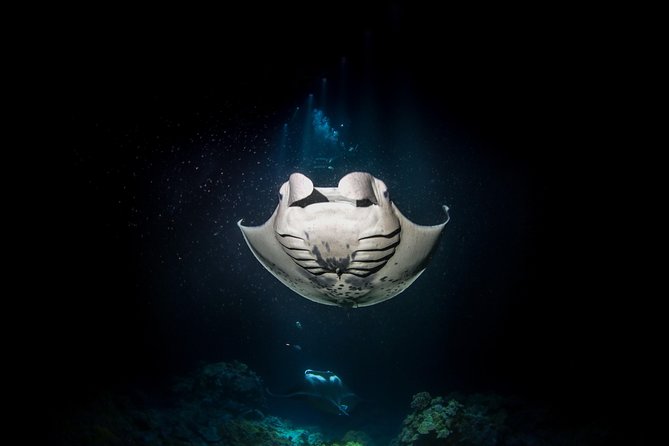
Then there’s the scale. Mantas are big and graceful, and the wingspan can reach up to 15-feet (4.5-meters). Seeing something that size glide below you is a special kind of wow, especially when it comes close enough that it feels like you’re watching it from inside its world, not from the edge of a glass tank.
The only real drawback to the night plan is the human factor. You need to be comfortable in the water at night, and snorkeling depends on your technique. If you’re nervous in open water, this is doable for many people, but you should take the “moderate physical fitness” and swim comfort requirement seriously.
Other Big Island of Hawaii outings to compare
- Big Island Manta Ray Night Snorkel
★ 5.0 · 5,656 reviews - Big Island: Kona Manta Ray Snorkel Tour in Keauhou Harbor
★ 4.5 · 2,465 reviews - KONA Manta Ray Night Snorkel – FREE re-ride if no Sightings
★ 5.0 · 2,212 reviews
Meeting at Fair Wind Big Island Ocean Guides on Kaleiopapa Street
Check in is on Kaleiopapa Street in Kailua Kona. You meet your guide about 30 minutes before your departure time, which gives you time to get oriented and ready without rushing. The tour meets at 78-7130 Kaleiopapa St, Kailua-Kona, HI 96740, and the experience ends back at the same meeting spot.
In practice, what matters is making it to the right dock on time. Some people find parking and locating the exact group a little tricky in this area, so I’d treat the “arrive early” advice as non-negotiable. If you want to feel relaxed, you want a buffer.
Tour times are flexible. You can choose among four different departure times, which is helpful if you’re juggling other Kona plans like luau shows, sunset dinners, or a morning beach day. It also lets you pick the period when you feel most steady and rested.
The Boat Ride, Underwater Lights, and the Plan for Sightings
Once you’re checked in, you board the vessel with your guide. The boat ride takes you out under moonlight, then the crew steers you toward a section of water they use because it’s tied to manta ray natural habitat activity.
You’ll notice the lights setup once you’re close. The crew uses dive lights that are safe for the mantas and the snorkelers, and those lights do two jobs at once. First, they improve visibility so you can actually see the rays glide beneath you. Second, they help create a zone that draws plankton into view, which is what brings the mantas in.
This is one reason the tour feels more guided than “random snorkeling.” You’re following a crew-led plan, not free-floating in the dark.
The vibe onboard also sets the tone. Based on what people describe, the crew tends to be helpful with gear and calm about the whole night-water experience. If you’re a little uneasy about the idea of snorkeling after dark, that kind of support matters more than you’d think.
Snorkeling Gear Rules You Should Know Before You Arrive
Before you jump in, you’ll get instruction and use of snorkel equipment plus a wetsuit. The wetsuit is not just for comfort, it also helps you stay warm enough to enjoy the time in the water without getting miserable.
Important gear note: full face snorkel masks are not permitted on the vessels. If you’re used to wearing one, plan to use a standard snorkel mask instead. If you already packed a full face model, swap it now before the trip becomes a last-minute problem.
You also get help with buoyancy. People mention using a pool noodle to stay afloat while watching the rays from the platform area. That detail is a big deal because it reduces leg fatigue, so you can focus on looking up and forward rather than fighting to stay neutral in the water.
Entry is typically easy, with a ladder-style access from the boat. You’ll be moving from boat to ocean quickly, and since you’re wearing a wetsuit, the cold feeling can sneak up on you in the final minutes after you get out.
You should also read the tour guidance: it’s not recommended for non-swimmers, beginner swimmers, or those without snorkeling experience. If that’s you, I’d treat this as a signal to choose a different water activity that builds your comfort first.
Same corner of the map, another day out:
- Big Island in a Day: Volcanoes Waterfalls Sightseeing and History
★ 5.0 · 6,569 reviews - Hilo Shore Excursion: Volcanoes National Park & Black Sand Beach
★ 4.5 · 2,338 reviews - Big Island: Captain Cook Snorkel On A Power Catamaran With Lunch
★ 5.0 · 2,232 reviews - Manta Ray Night Snorkel at Kona, Big Island
★ 5.0 · 1,758 reviews
What You’ll See Under the Lights, Up Close
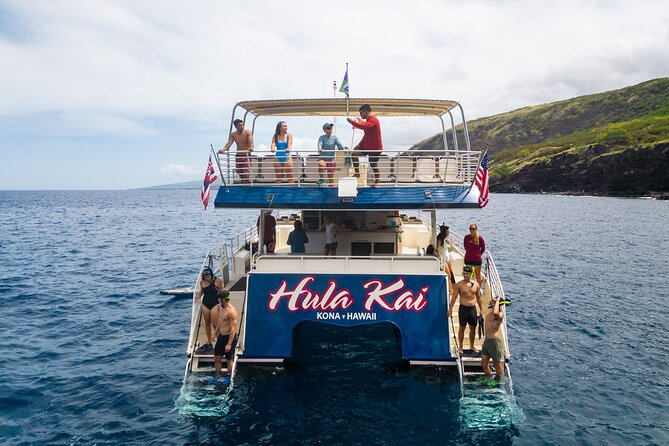
When you reach the snorkeling area, the lights come on and you head in. At that point, the “show” is really about waiting calmly and staying in position while rays move through.
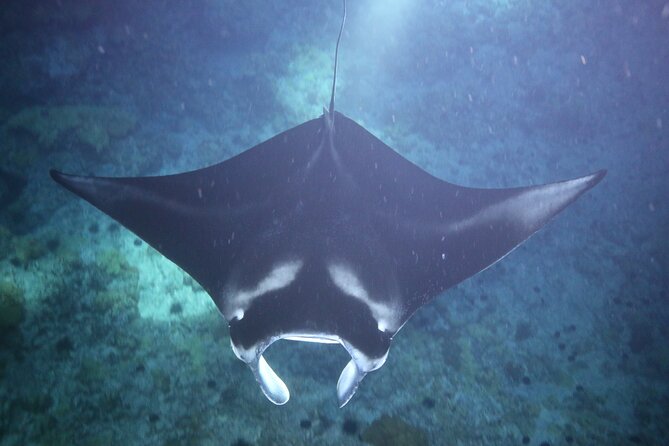
Mantas are gentle giants. They don’t have stingers or barbs, and they are described as safe to be around. No, they are not pets. But they’re not out there looking to sting anything like other sea animals can. The focus is on watching them feed and glide.
What you should watch for:
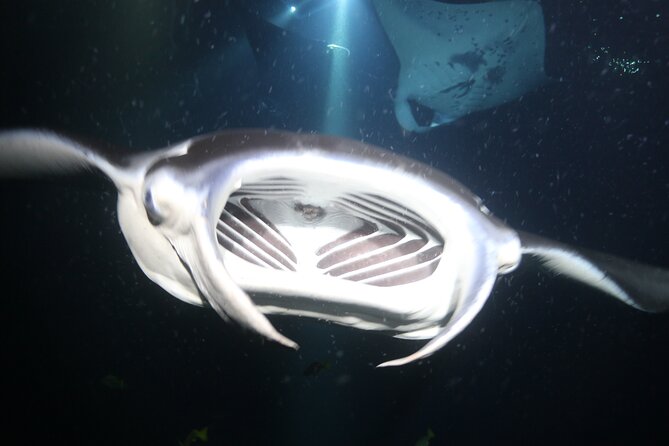
- The plankton activity around the lighted zone, which is what helps bring the mantas in
- Big wing sweeps from below, often slow at first, then suddenly close
- Calm cruising behavior where a ray passes just beneath your viewing line
Many people leave saying they saw multiple manta rays, and sometimes several at once. That’s the best-case scenario, but even when the action starts slow, the tour is designed to keep you in the right spot so the odds tilt your way.
One more practical tip that people share: the mantas can get active near the end of your time in the water. So if you start to feel impatient or cold, stay with it. The longer you stay focused on the water, the more likely you catch the best movement.
The 1.5-Hour Flow, From Check-In to Returning to Shore
The total tour time is about 1 hour 30 minutes. That includes meeting, getting outfitted, boating to the habitat area, snorkeling under lights, and returning to the starting point.
Here’s the rhythm you’ll feel most days:
- Meet about 30 minutes early at Kaleiopapa Street
- Check in, get geared up, and board the boat
- Ride out at night, then arrive near the manta habitat
- Snorkel while holding onto the viewing setup and watching beneath the lights
- Dry off, then warm up onboard with soup and hot drinks
- Return to the meeting point
Even with a short overall duration, expect effort. Your arms and shoulders may tire from holding a position while you float and watch. If you go in expecting a super easy activity, you might be surprised. It’s not strenuous like a workout, but it is restful effort, and it’s longer than a quick swim.
Also, sea conditions can affect comfort. Some people note the boat can rock, and that matters if you get seasick. If you’re prone to nausea, I’d consider bringing motion-sickness medication and planning for it.
Warm Soup and Hot Drinks: The Unfair Advantage

After your snorkeling, the crew brings out warm homemade soup, bread rolls, and hot drinks. This part is not a random perk. It’s the difference between ending the night feeling cozy and feeling chilled.
When you’re wet in a wetsuit and you’re out at night, your body can cool down quickly once you finish. Having something warm to drink and something hearty to eat helps you recover fast, especially if you’re heading to dinner afterward.
I’d also plan for the small discomfort when you’re back on the boat. People mention it can feel chilly after you remove your wetsuit right away, so bring a beach towel and consider a light sweatshirt for the ride back if you run cold easily.
Price and Value: Is $160.50 Worth It?
At $160.50 per person for about 1.5 hours, this is not a cheap Kona activity. But you’re paying for a very specific experience with real “hard parts” included.
Here’s what makes the value add up:
- Snorkel equipment and wetsuit included, so you’re not renting gear
- Instruction and a guided route to a manta habitat area, not DIY wandering
- Underwater lights setup that helps you see what you came for
- Warm meal and drinks after the swim
- A maximum group size of 26 travelers, which generally helps keep the experience feeling manageable
If you compare this to the cost of renting gear plus booking a guided ocean activity plus paying for food and transport on your own, the price becomes easier to swallow. It’s still a splurge, but it’s a splurge with clear inclusions.
One more value detail: Kona is full of tours that promise excitement but don’t include the stuff that helps you enjoy the ride. Here, you’re given warmth and comfort after the swim, and that affects how you remember the night.
Who Should Book This Manta Ray Night Snorkel, and Who Should Skip It
This tour is best for:
- People who can swim and feel comfortable snorkeling with guidance
- Travelers who want an up-close wildlife experience in Kona, not just a boat ride
- Anyone excited by the idea of mantas feeding near lights and plankton in nighttime conditions
- Groups that want a smaller feel, with a cap of 26 guests
This tour is not a match for:
- Non-swimmers or true beginners who have never snorkeled
- People who get very anxious about open water at night
- Anyone who planned to use a full face snorkel mask, since that is not permitted on the vessel
You can also think about your body comfort. The activity is around 1.5 hours, and you may be holding position in the water. If shoulder fatigue tends to hit you fast, plan to take it slow once you’re floating.
Should You Book Kona Sunrise Charters Manta Ray Night Snorkel?
If your top priority is seeing manta rays close up in Kona, I think this is a strong choice. The combination of night timing, guided placement, manta-safe underwater lighting, and real comfort onboard after the swim is the kind of planning that turns a fun idea into a night you’ll remember.
I’d book it if you meet the swim comfort level and you’re okay with snorkeling at night. I’d hesitate if you’re a non-swimmer, a brand-new snorkeler, or someone who expects a super passive experience with zero effort.
If you do book, do two simple things that improve your odds of a smooth night: confirm the meeting details carefully before you go, and pack a towel plus a warm layer for after you’re out of the water.
FAQ
Where is the meeting point for the Manta Ray Night Snorkel tour?
You meet at 78-7130 Kaleiopapa St, Kailua-Kona, HI 96740, USA. The activity ends back at this same meeting point.
How early should I arrive before departure?
You should meet your guide about 30 minutes before your departure time.
How long is the tour?
The tour runs for about 1 hour 30 minutes.
What is included in the price?
The tour includes the manta ray night snorkel, snorkel equipment, a wetsuit, instruction, and warm homemade soup, bread rolls, and hot drinks.
Do they pick me up at my hotel?
Hotel pickup and drop off are not included.
Can I use a full face snorkel mask?
No. Full face snorkel masks are not permitted on the vessels.
Is this tour for beginners or non-swimmers?
No. It is not recommended for non-swimmers, beginner swimmers, or those without snorkeling experience.
Are there multiple departure times?
Yes. You can choose between four different tour times.
How big is the group?
The tour/activity has a maximum of 26 travelers.
What should I know about cancellation?
You can cancel for a full refund if you cancel up to 24 hours in advance of the experience. The tour also requires good weather, and if it is canceled due to poor weather you will be offered a different date or a full refund.
More Evening Experiences in Big Island of Hawaii
- Big Island GOAT Experience: Mauna Kea Summit, Sunset & Stars
★ 5.0 · 1,706 reviews - Big Island: Mauna Kea Summit Tour with Free Night Star Photo
★ 5.0 · 1,449 reviews - Glow of the Deep: Night Snorkeling with Manta Rays
★ 4.5 · 1,254 reviews - Manta Magic: Small-Group Manta Ray Night Snorkel in Kailua Kona
★ 5.0 · 1,141 reviews
Newest Big Island of Hawaii reviews on the site
- Zodiac Raft Whale Watching Adventure★ 5.0 · 456 reviews
- Kealakekua Bay Snorkeling Tour – 4 hour Kona Zodiac Adventure★ 5.0 · 508 reviews
- Volcano, Chocolate and Waterfalls of the Big Island★ 5.0 · 238 reviews
- Whale Watch Excursion from the Big Island★ 4.5 · 263 reviews
- Whale Watching On The Big Island★ 5.0 · 573 reviews
- Volcano National Park Adventure from Waikoloa★ 5.0 · 216 reviews
- Big Island, Hawaii: Volcanoes National Park Safari★ 4.5 · 545 reviews
- Hawaii Volcanoes, Waterfalls, Beaches & Hilo Highlights Day Tour★ 5.0 · 391 reviews
Snorkeling, compared.
Grand Tour Around Island 16 Locations plus Snorkeling
Read our review →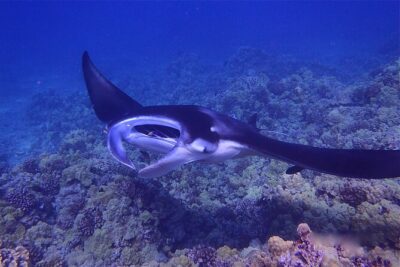
Oahu’s Ultimate Tour: Dole, Turtle Snorkel, Pali Lookout & More
Read our review →
Oahu Circle Island Tour with Turtle Snorkeling— Small-Groups
Read our review →
Waikiki, Hawaii: Turtle Canyon Snorkel Excursion
Read our review →
Shell Island Snorkel and Dolphin Catamaran Cruise with Island Time
Read our review →
Turtle Canyon Snorkel Adventure in Waikiki, Oahu
Read our review →
The ‘OG’ Manatee Snorkel Tour with In-Water Guide/Photographer
Read our review →Browse the lists this tour appears in