
Reviewed · WASHINGTON DC TOURS
Washington, DC: African American History Tour & Museum Entry
DC changes when you ride it.
This guided African American History Tour pairs monument stops tied to the civil rights era with time at the Smithsonian National Museum of African American History and Culture, all from a comfortable, climate-controlled bus ride.
I especially like the guided moments at major sites like the Lincoln Memorial and Martin Luther King Jr. Memorial, plus the smaller, often-overlooked stops like the Frederick Douglass home area and Lincoln Park’s Mary McLeod Bethune statue. I also like that your museum visit includes reserved entry, so you can spend your energy on exhibits instead of timing your day.
One caution: the Smithsonian museum time is on your own, so if you want a fast, structured experience, you’ll have to pick priorities before you walk in.
In This Review
- Key highlights worth marking on your map
- Why this DC bus and museum combo works so well
- The route from the U.S. Navy Memorial: photos, context, and timing
- Lincoln Memorial: standing where history was spoken
- Emancipation Statue area and the move to personal stories
- Frederick Douglass outside stop: abolitionist history you can see
- Lincoln Park and Mary McLeod Bethune: education as activism
- Howard University stroll: why institutions show up again and again
- Le Droit Park, Shaw, and U Street: the story behind Black Broadway
- African American Civil War Memorial and Museum: turning the lens
- Freedom Plaza to MLK Memorial area: tying power and place together
- Museum time at the Smithsonian: make it your own
- The guide and driver make or break the day
- Price and value: what you get for $89
- Who should book this tour, and who might not love it
- Should you book this African American History Tour and museum entry?
- FAQ
- How long is the tour?
- Where does the tour start?
- What is included in the price?
- Is the Smithsonian museum tour guided?
- What should I bring?
- What language is the tour guide?
- How flexible is cancellation?
Key highlights worth marking on your map
- A bus route that connects people to places, from Emancipation Statue views to the MLK Memorial area
- Reserved Smithsonian National Museum entry, with time to explore at your own pace
- Stops that go beyond the famous names, including Mary McLeod Bethune in Lincoln Park and nearby council house locations
- A campus stroll at Howard University, adding context beyond the monuments
- A Civil War perspective you do not usually get on DC tours, focused on African American soldiers
- Real guide energy, with names like Dre and Elvis Pate showing up as tour leaders on past departures
Why this DC bus and museum combo works so well
Washington, DC is a “walk-it-all” city only if you plan like a machine. This tour takes a smarter approach. You get driven between key locations, which matters because the main sites are spread out, traffic can be slow, and parking time is a headache. Then you finish with a museum visit where you can slow down at your own speed.
What makes the day feel worth it is the way the stops are linked, not random. You start with the civil rights story in the places you already recognize, like the Lincoln Memorial and the Martin Luther King Jr. Memorial. Then you widen the frame with other sites that help explain how the struggle was larger than one speech, one march, or one decade.
The tour also leans into comfort. The ride is air-conditioned, which is not a small detail when you are out in DC weather. In past departures, transport quality has been a strong point, with many guests scoring it at the top level, so you can count on a smoother day than DIY route-hopping.
Other Washington Dc outings to compare
- NYC: 9/11 Memorial & Museum Timed-Entry Ticket
★ 4.8 · 31,428 reviews - NYC: Empire State Building Tickets – Observatory & Museum
★ 4.7 · 25,757 reviews - New York City: American Museum of Natural History Ticket
★ 4.5 · 15,447 reviews
The route from the U.S. Navy Memorial: photos, context, and timing
Your meeting point can vary by the option booked, with starting locations listed around the U.S. Navy Memorial area, including US Navy Memorial Plaza and nearby Pennsylvania Avenue addresses. Practically, this means you can expect a central start, close to the core of downtown sights.
From there, the tour uses bus driving to set up a clean photo and orientation flow. One early stop is a White House photo moment. Another is a Lincoln Memorial photo stop. Then the itinerary moves to the Martin Luther King Jr. Memorial area, where you take in the views that set the mood for everything you learn next.
This “start with scale” approach helps. DC’s monuments can feel big and symbolic if you only see them quickly. Here, the bus ride buys you time with guided stops, which makes the scale easier to interpret. You do not just look at stone and water. You get told what those spaces meant to the people fighting for change.
Lincoln Memorial: standing where history was spoken
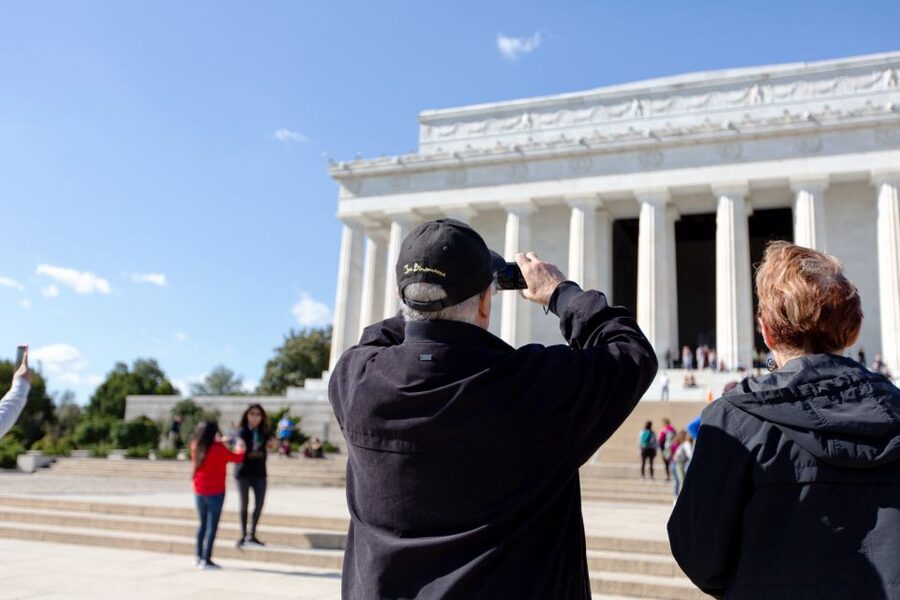
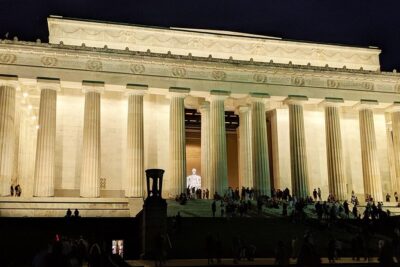
At the Lincoln Memorial stop, you are not just checking off a landmark. You’re positioned for one of the emotional anchors of modern American civil rights history. The tour includes time to stand where Martin Luther King gave his famous I Have a Dream speech in 1963 and to look out over the reflecting pond.
This is the kind of moment that can hit you harder when you are not rushed. The bus brings you there, but the guided framing is what makes it land. The Lincoln Memorial area is full of context layers, from symbolism to political reality. When your guide talks through what you are seeing and why it matters, the setting turns into a living classroom.
If you like photos, bring your patience. This is a busy area, and photo stops mean you’ll want to step into position quickly. The upside is that this stop has a natural payoff because the viewlines are clear and iconic.
Emancipation Statue area and the move to personal stories

The tour also includes a stop at the Emancipation Statue. It is one of those monuments that many people rush past because it is not always at the top of casual DC checklists. Here, it is treated as part of the civil rights arc, not just an art piece.
Then the route shifts from broad national landmarks toward more personal and local history. That change of pace is one of the reasons the day feels balanced. You get the sweeping theme, then you get reminded that it was built by specific people, communities, and institutions.
Same corner of the map, another day out:
- DC Memorials Night Tour: Glass-Roof Convertible Upgrade Option
★ 4.5 · 6,933 reviews - National Mall Monuments Night Tour with 10+ Stops, Entry Tickets
★ 4.5 · 4,863 reviews - Washington DC Monuments by Moonlight Tour by Trolley
★ 4.5 · 3,956 reviews - Hop-on Hop-off Sightseeing Tour by Open-top Bus with 18 Stops
★ 3.5 · 3,848 reviews
Frederick Douglass outside stop: abolitionist history you can see
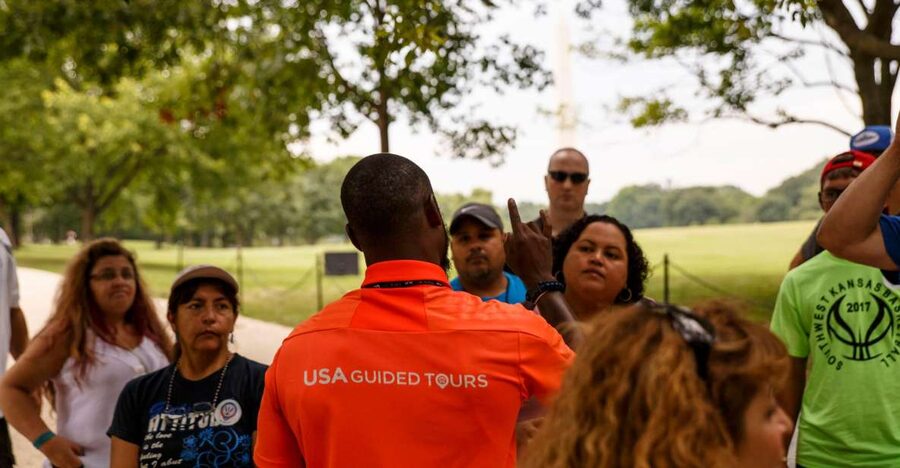
Next comes a stop outside the Home of Frederick Douglass. The tour does not claim an inside visit, so think of it as a powerful pause at a location tied to a major abolitionist figure.
This is a good point in the day for connecting “then” to “now.” Douglass sits in the broader story of freedom and citizenship, and the setting helps you remember that the civil rights movement had deep roots. You’re not just learning about the 1950s and 1960s. You’re seeing the earlier groundwork that fed later activism.
Lincoln Park and Mary McLeod Bethune: education as activism
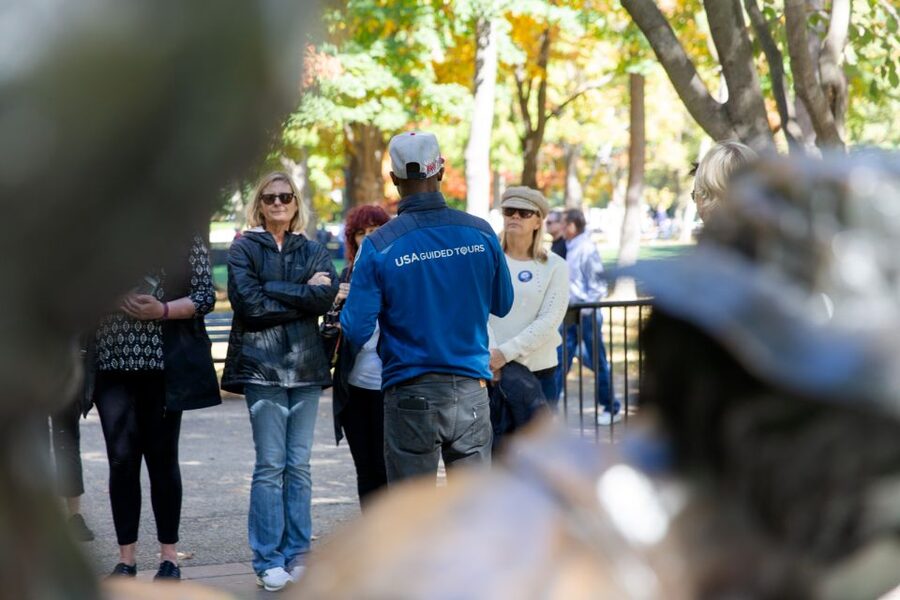
Lincoln Park is where the itinerary highlights Mary McLeod Bethune. You stop to see the statue of educator, activist, and founder of the National Council of Negro Women.
This matters because Bethune’s story shows a side of the struggle that is easy to miss if you focus only on marches and courtroom victories. Education, institution-building, and leadership networks helped change what opportunities could exist. The guide’s job here is to connect the statue to the larger civic impact, not to treat it as an isolated sculpture stop.
If you like learning through “people landmarks,” this is one of the best moments. It’s also an easier stop to remember later because it names a figure clearly and ties to a theme you can carry into the museum.
Howard University stroll: why institutions show up again and again
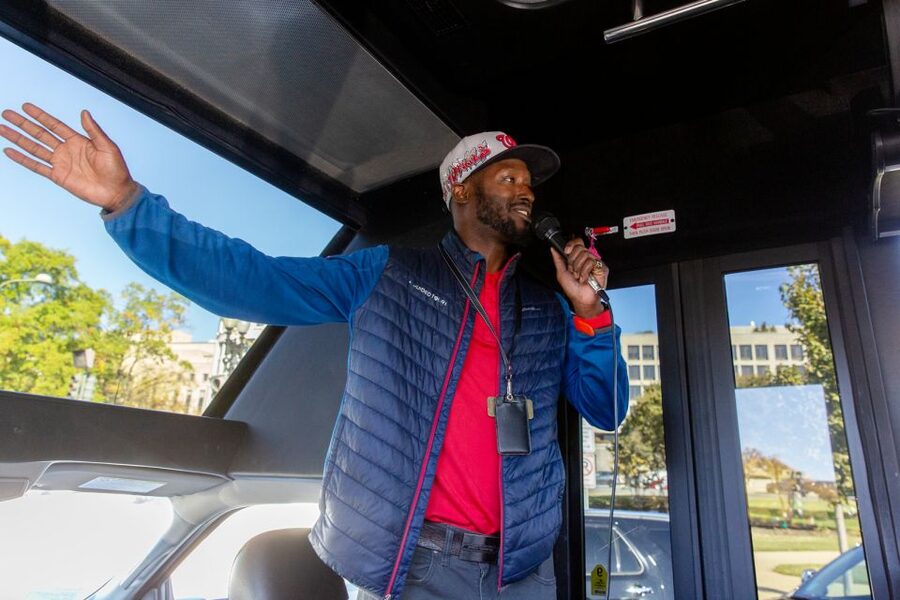
The itinerary includes time next to Howard University, described as one of the oldest black universities in the United States. You take a stroll around the campus area as you learn more about the civil rights movement with your guide.
This part works if you want to understand history as systems, not just events. Howard represents education, leadership development, and intellectual power. Those ingredients show up repeatedly across civil rights history, from organizing to journalism to legal work to political leadership.
A practical note: campuses often feel open and quiet compared with the monument crowd. If you want a slower photo moment, this is likely a good place to take it.
Le Droit Park, Shaw, and U Street: the story behind Black Broadway
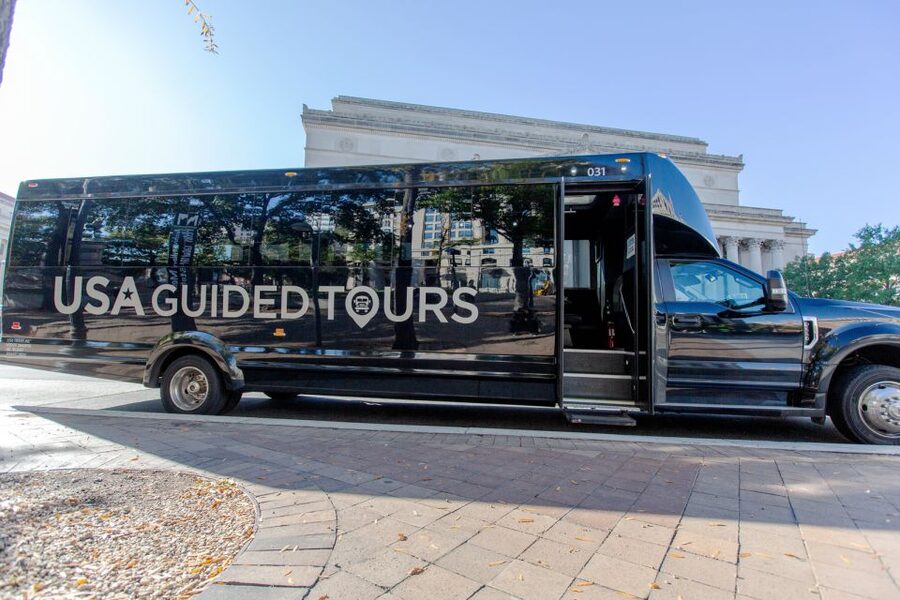
The bus drives through Le Droit Park, Shaw Neighborhood, and Historic U Street. This section connects history to community life. You also hear about U Street’s past as home to what’s often called Black Broadway, with entertainment legends from the past and present.
This is more than a fun side detour. It adds a crucial “culture and community” layer to the civil rights story. Civil rights movements do not run only on policy and protests. They also run on networks, pride, art, music, and gathering places where people build momentum and resilience.
If you’re the type who likes to picture neighborhoods as living places, this part helps. You start seeing DC not just as government buildings and memorials, but as a map of people making a life and creating influence.
African American Civil War Memorial and Museum: turning the lens
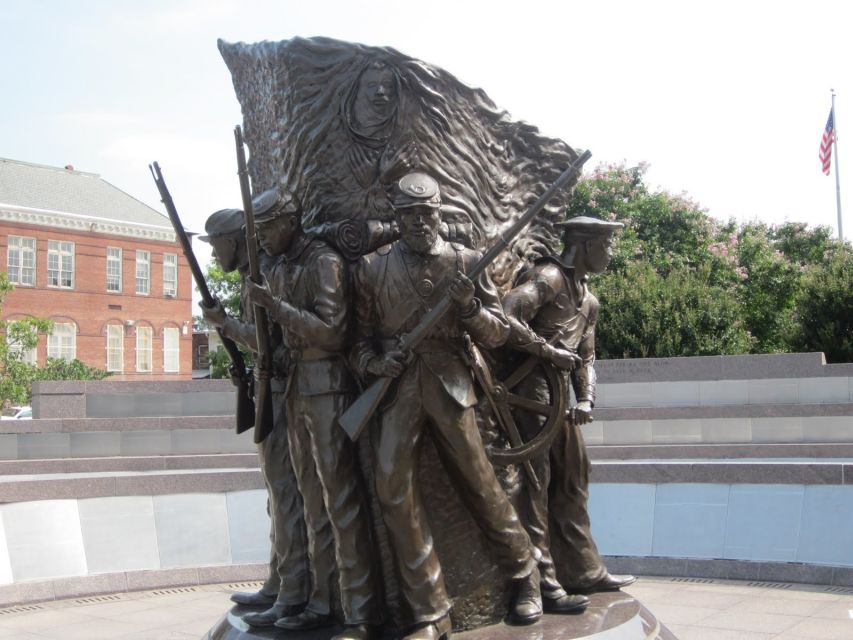
One of the standouts on this route is the stop outside the African American Civil War Memorial and Museum. The tour focuses on how the course of the Civil War was impacted by African American soldiers who perished on the front lines.
This is a powerful pivot point because many DC itineraries give Civil War history only a light touch. Here, the stop explicitly centers African American service and sacrifice. It’s a reminder that the fight for freedom in the United States did not begin with the Emancipation Proclamation alone, and it did not end at the Civil War boundaries people often learn in school.
Keep an eye on how your guide frames the tradeoffs and the consequences. This stop can feel like a hard lesson, but it also gives you a richer framework for understanding later civil rights gains.
Freedom Plaza to MLK Memorial area: tying power and place together
As the tour moves through downtown, you get sights such as Freedom Plaza on Pennsylvania Avenue, the White House, the Martin Luther King Jr. Memorial, and the National Council of Negro Women. You also visit the Logan Circle historic district and see the Metropolitan AME Church and the Mary McLeod Bethune Council House.
This is where the day feels like it becomes a network. You’re not just seeing one monument. You’re seeing how leaders and organizations were placed near political power, civic infrastructure, and community spaces.
For me, this is the practical payoff: the names on plaques start to feel connected. Instead of remembering random stops, you can remember relationships. That helps when you walk into the Smithsonian museum and see artifacts and stories that echo these exact locations.
Museum time at the Smithsonian: make it your own
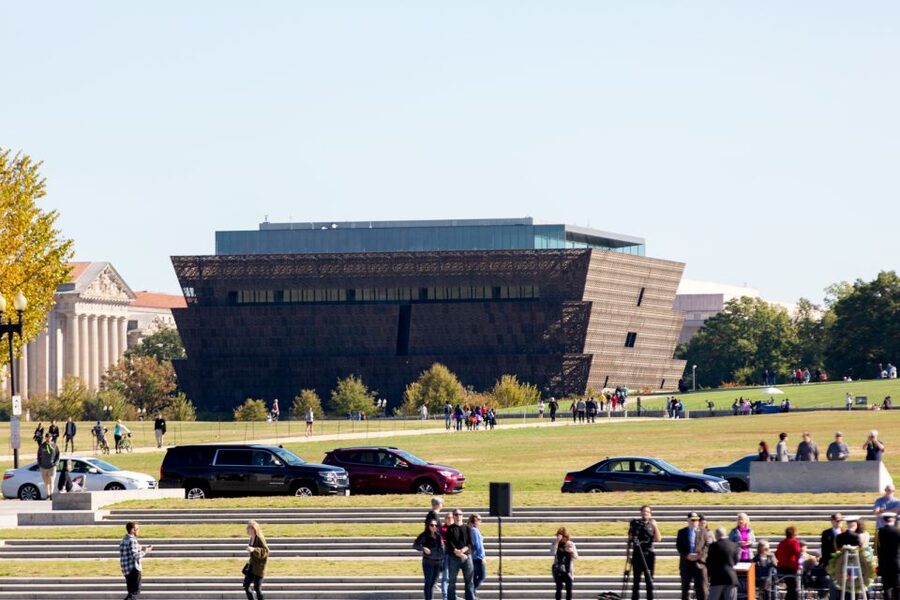
The tour finishes at the Smithsonian National Museum of African American History and Culture, with reserved entry included. That matters because this museum can be busy, and a timed entry pass reduces the stress of lining up.
You explore the exhibits at your own pace. The guided bus portion ends, and your freedom starts. This is a good setup if you like flexibility, but it does require a little planning from you.
Before you go in, decide what you want most:
- A few exhibits you want to see for sure
- A theme you want to track, like education, activism, military service, or arts
- Time to read carefully, versus time to walk quickly
A helpful way to make this museum visit feel “guided” even when it is self-paced is to pay attention to the names and institutions you saw outside. Mary McLeod Bethune keeps showing up in DC locations during the day. Frederick Douglass does too. Howard University and the idea of community leadership also connect.
One extra note: this activity includes museum entry, but it is not an official Smithsonian tour. You are paying for the tour supplier’s guiding and perspective, and that guide context should help you interpret the exhibits once you’re inside.
Also, do not underestimate the stamina factor. One simple tip from past participants: bring food. The day is long, and you may not want to rely on quick meal options on the fly. Even a small snack can keep your energy steady when you’re standing and walking for hours.
The guide and driver make or break the day
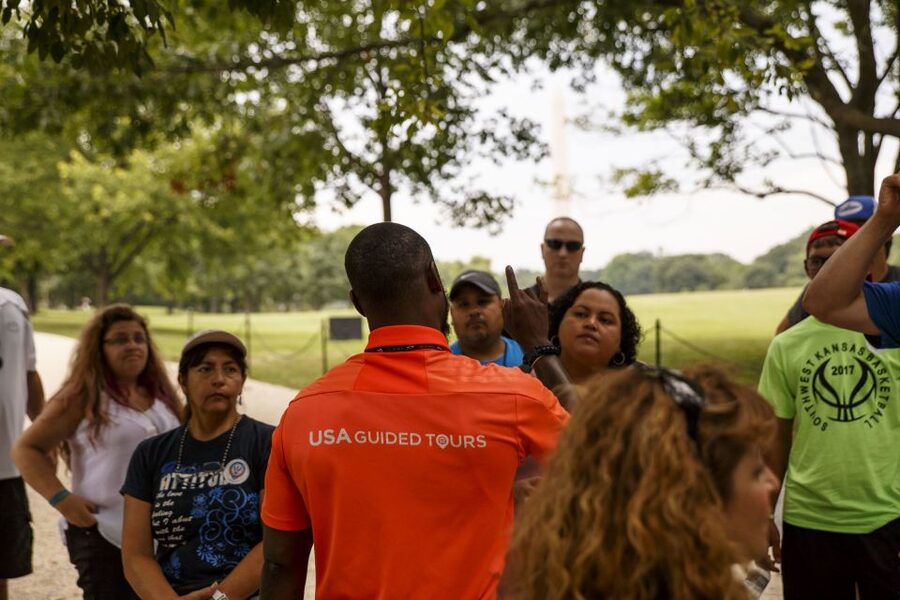
The tour lists a live English-speaking guide, and the guide is central to the experience. Past departures include guides such as Dre and Elvis Pate, plus driving teams like Jesse, Leonard, Whiz Khalifa, Calvin, Thomas, and others. You can expect a style that blends facts with engagement, and the best part is that your guide is not just naming places, they’re explaining why those places mattered.
A couple practical notes from real experience patterns:
- If audio quality seems off on your bus, ask to sit where you can hear clearly, since at least one departure mentioned a muffled mic.
- If you have questions, use the moments between stops. The Q and A energy often turns a photo stop into a learning moment.
Even the bus ride itself plays a role. When the guide speaks clearly and the driver handles traffic smoothly, you get to stay mentally present instead of fighting the logistics.
Price and value: what you get for $89
At $89 per person for about 4 hours, the value is mostly in two things: guided transportation and reserved museum entry. You are paying for a whole structure.
Here’s the honest math in travel terms:
- Without a bus tour, you’d still need to plan multiple stops across DC. That can mean time spent coordinating, waiting for transit, and dealing with parking or rideshare costs.
- Museum timed entry is included, which reduces wasted time and anxiety.
- You also get a guide who ties sites together so you do not feel like you’re reading a list while you move.
Food is not included, and hotel pickup or drop-off is not included unless you pick a private option. So you should budget for your own meal or snacks. With that accounted for, $89 feels like a reasonable price for a guided day that ends at a major Smithsonian museum.
Who should book this tour, and who might not love it
This tour fits you if you want:
- A structured way to see DC’s African American history without building a DIY route
- Monument context plus lesser-known neighborhood storytelling
- A museum visit that starts with momentum and ends with choice
It might be less ideal if you want:
- A fully guided walkthrough inside the museum
- A loose, casual “hop on, hop off” style day
- Lots of time at fewer stops, since it’s paced as a route plus museum time
If you’re traveling with kids, it can work well because the stops are varied and the guide can keep things moving. Just remember you will be on the bus, and bringing snacks helps.
Should you book this African American History Tour and museum entry?
Yes, book it if you want a day that connects the big monuments to the people, institutions, and neighborhoods that shaped civil rights history. The reserved Smithsonian entry is a real perk, and the bus route gives you a smart way to cover distances without turning the day into a transportation project.
I would especially recommend it if you’ve visited DC before and felt like the story was too fragmented. This tour helps you connect dots, and it does it while you’re still energized, not exhausted from sprinting between sites.
If you are the type who likes total control, you can still use this as a “framework day.” Even then, plan your museum priorities before you enter so the self-guided time works for you.
FAQ
How long is the tour?
The duration is 210 minutes, about 4 hours.
Where does the tour start?
The meeting point can vary depending on the option booked. Listed starting locations include US Navy Memorial Plaza and nearby addresses on Pennsylvania Avenue NW.
What is included in the price?
The tour includes a bus tour, a guide, transportation by air-conditioned bus, and reserved entry to the Smithsonian National Museum of African American History and Culture.
Is the Smithsonian museum tour guided?
No. The museum time is included with reserved entry, but the museum is explored at your own pace. The bus portion is guided.
What should I bring?
Food and drinks are not included, so you should plan for snacks or a meal on your own. The day is long on a bus and at stops, so having something with you can help.
What language is the tour guide?
The tour is in English.
How flexible is cancellation?
Free cancellation is available up to 24 hours in advance for a full refund. Reserve now and pay later is also offered.
Newest Washington Dc reviews on the site
- DC: Washington Monument Direct Entry with Guidebook★ 4.9 · 479 reviews
- Washington DC: See the City Segway Tour★ 4.8 · 407 reviews
- Washington DC: Monuments by Moonlight Nighttime Trolley Tour★ 4.6 · 1,529 reviews
- Washington DC: Arlington Nat. Cemetery Ticket & Tram Tour★ 4.6 · 544 reviews
- From Washington DC: Old Town Alexandria & Mount Vernon Tour★ 4.6 · 393 reviews
- Washington, DC: Day & Night Electric Cart & Vintage Car Tour★ 4.6 · 308 reviews
- Washington, DC: Hop-On Hop-Off Old Town Trolley City Tour★ 4.3 · 647 reviews
- DC: Monuments & Memorials Sunset Tour by Open-top Bus★ 4.1 · 415 reviews
Washington DC Tours, compared.
DC Memorials Night Tour: Glass-Roof Convertible Upgrade Option
Read our review →
National Mall Monuments Night Tour with 10+ Stops, Entry Tickets
Read our review →
Washington DC Monuments by Moonlight Tour by Trolley
Read our review →
Hop-on Hop-off Sightseeing Tour by Open-top Bus with 18 Stops
Read our review →
Washington DC in One Day: Guided Sightseeing Tour
Read our review →
DC Monuments and Capitol Hill Tour by Electric Cart
Read our review →
Washington DC Moonlight Tour by Electric Cart
Read our review →
Washington DC Hop-On Hop-off Trolley Tour with 15 Stops
Read our review →Browse the lists this tour appears in