Reviewed · NEW YORK CITY TOURS & ACTIVITIES
Wall Street Insider Tour with a Finance Professional
Wall Street reads differently when you have an insider, and this 75-minute walk turns eight blocks of Lower Manhattan into a clear story of how money, power, and public life got intertwined. You start near 15 Broad Street, use a mobile ticket, and you’ll cover major landmarks without needing to worry about tight museum schedules.
I love the finance-industry guide approach, especially the way guides connect big institutions to what life looks like for traders and dealmakers. I also like that the route is mostly outdoors, and you cover about a mile at a relaxed pace, which makes it easy to fit into a busy day.
One thing to plan for: you do not go inside the NYSE, since the exchange has been closed to visitors since 2001. If you expected that, adjust your mental picture, because you’re here for stories, context, and street-level perspective more than building access.
In This Review
- Key things to know before you walk Wall Street
- Wall Street Insider in 75 Minutes, and Why That Timing Works
- Your Guide Matters: Finance Professional Perspective, Small Group Pace
- Meeting at 22 Broad St: A Practical Starting Point for FiDi
- Stop 1, Federal Hall: Where Washington Became President
- Stop 2, Trinity Church: Hamilton’s Resting Place and the Shadow of 9/11
- Stop 3, Charging Bull: The Symbol You Understand More After the History
- The Federal Reserve Finish: Ending Near Today’s Economic Power
- What You Really Gain: How Wall Street Stories Explain the Modern Day
- Weather, Shoes, and Small Extras That Help
- Who Should Book This Wall Street Insider Tour, and Who Might Skip It
- Should You Book This Wall Street Insider Tour?
Key things to know before you walk Wall Street
- Insider-led storytelling from finance professionals, often with personal anecdotes from working in the industry (names like Jesse, Jose, Julie, and Dana come up often in feedback).
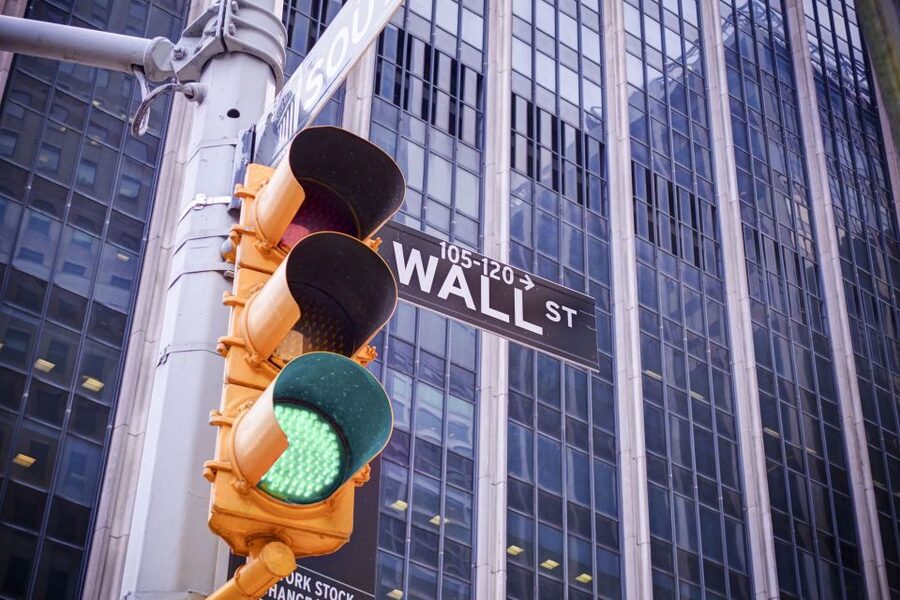
- No NYSE entrance, so you’ll rely on the guide’s explanations from the sidewalk and nearby viewpoints.
- 400 years compressed into eight blocks, including the Dutch trading era that shaped what came next.
- Short, manageable walking, about a mile, mostly flat, with a small group cap of 20.
- You’ll hear the hard parts, not just the success stories, including topics like the slavery market, historic bombings, and the 9/11 impact.
Wall Street Insider in 75 Minutes, and Why That Timing Works
This is a smart-length tour for Lower Manhattan. At about 1 hour 15 minutes, you get the core story of Wall Street without blowing half a day on logistics or waiting around for crowds.
The best value here is not the “see everything” feeling. It’s the way a finance professional helps you read what you’re looking at. You’ll walk past symbols and institutions that most people treat like nameplates on a map, then you’ll get the why behind them.
The price is $39 per person, which is reasonable for a guide-led, small-group experience that includes multiple well-known stops. Plus, key stops like Federal Hall have free admission, and the main viewing happens outdoors anyway, so you’re not paying to “access” the street.
Booking tends to happen ahead of time, with an average lead time around 17 days. If you’re traveling during a busy week, I’d treat this like a “lock it in” activity rather than something you can casually decide last minute.
Other New York City outings to compare
- NYC: SUMMIT One Vanderbilt Tickets
★ 4.7 · 51,195 reviews - NYC: 9/11 Memorial & Museum Timed-Entry Ticket
★ 4.8 · 31,428 reviews - NYC: Empire State Building Tickets – Observatory & Museum
★ 4.7 · 25,757 reviews
Your Guide Matters: Finance Professional Perspective, Small Group Pace
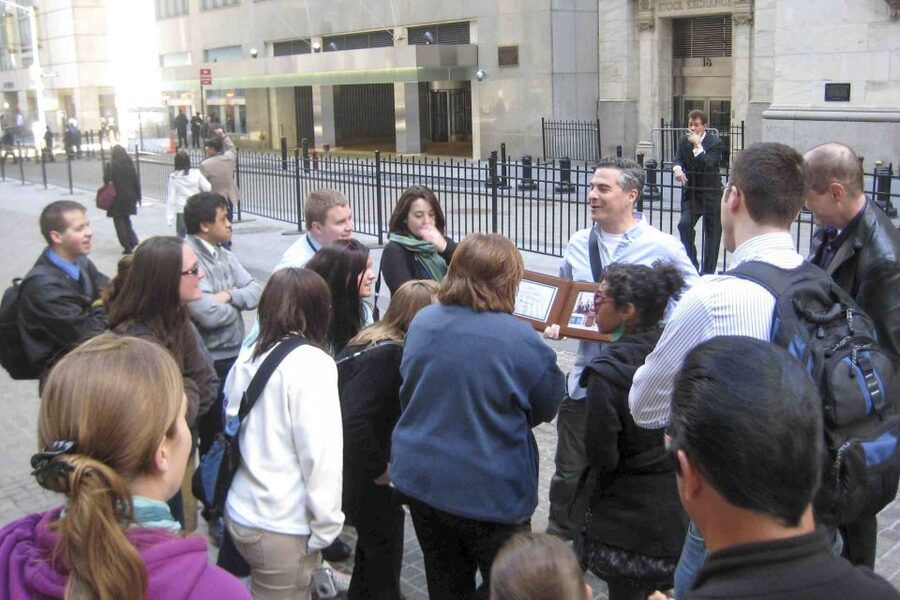
The tour’s biggest selling point is the guide. This is led by Wall Street insiders, meaning you’re not getting a standard “history lecture on sidewalks.” The explanations are framed like someone who has worked in the finance world would talk about them, including what meetings look like, how institutions formed, and how money culture affects everyday choices.
You’ll also notice the group size. It’s capped at a maximum of 20 people, which makes it feel easier to ask questions and hear answers. In feedback, people often praise the way guides keep explanations clear and entertaining, including humor and personal anecdotes. Some names that show up repeatedly include Jesse, Jose, Julie, Emily, and Dana.
That said, guide style can vary. One negative note you should keep in mind is that a guide can sometimes talk a lot about themselves, or you might face sound issues if a microphone isn’t used. Practical fix: stay closer to the front, and don’t be shy about asking a quick follow-up if you want more focus on the finance angle.
Meeting at 22 Broad St: A Practical Starting Point for FiDi
You’ll meet at 22 Broad St (near where you can easily connect from public transportation). That matters because Lower Manhattan can drain your energy if you have to fight long cross-town walks before the tour even starts.
The tour begins at 1:30 pm, and it ends near Harry B Helmsley Plaza at 137 Broadway, which places you in the general orbit of the Federal Reserve area. That end point is useful because it lines up with the mental arc of the tour. You finish at a place that feels like “current power,” after you’ve walked through the earlier roots.
You’ll also get a mobile ticket, which keeps things simple. In a neighborhood where phone reception and street navigation can be tricky, having your ticket ready on your device reduces friction before you even start.
And because the route is mostly outdoors, bring a plan for weather. The tour runs rain or shine, so check the local forecast and dress for it. Comfort footwear is not optional, since you’re doing a full city-block rhythm for about a mile.
Stop 1, Federal Hall: Where Washington Became President
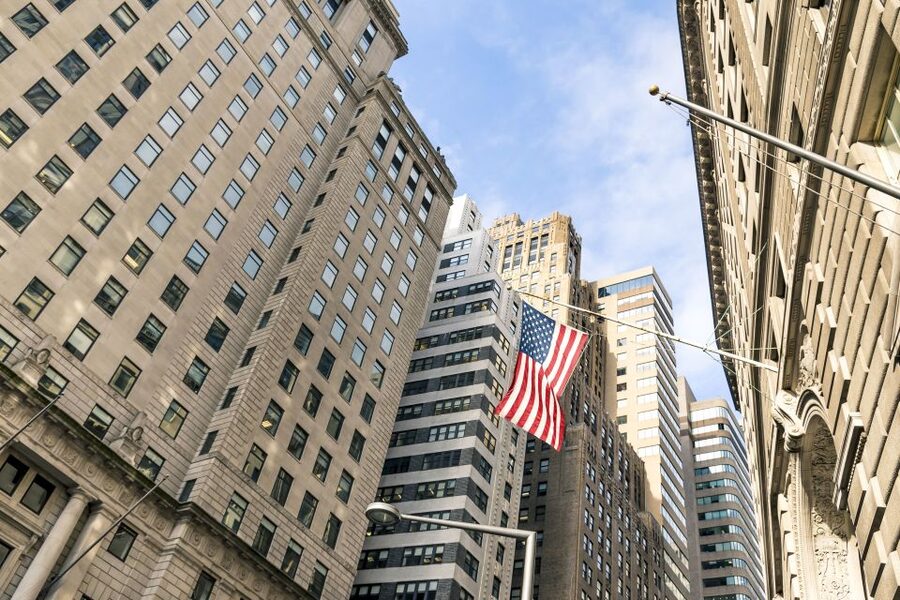
The tour’s first key stop is Federal Hall, with admission ticket free. This is where the story of the United States gets personal. You’re not just hearing about institutions as concepts, you’re seeing a landmark tied to early national leadership.
Federal Hall is especially valuable on a finance tour because it connects the start of the republic to the start of formal civic structures. Wall Street grew up alongside the idea that markets and government would influence each other. When you stand where George Washington became President, you get a concrete anchor for that transition from “new country” to “organized systems.”
What to watch for while you’re there: let the guide connect the building’s significance to how money and policy started to share the same stage. People often expect Wall Street history to start with banks and trading. This stop reframes it by showing how the nation’s founding helped define what finance would later look like.
Drawback: if you arrive with the mindset that this will only be NYSE-and-banks talk, you may feel a quick pivot toward broader national history. But that context is exactly what makes the finance story click.
Same corner of the map, another day out:
- NYC: Empire State Building Observation Deck Tickets
★ 4.7 · 22,072 reviews - New York City: Statue of Liberty & Ellis Island with Ferry
★ 4.6 · 18,683 reviews - New York City: American Museum of Natural History Ticket
★ 4.5 · 15,447 reviews - Statue of Liberty and Ellis Island Tour: All Options
★ 5.0 · 13,571 reviews
Stop 2, Trinity Church: Hamilton’s Resting Place and the Shadow of 9/11
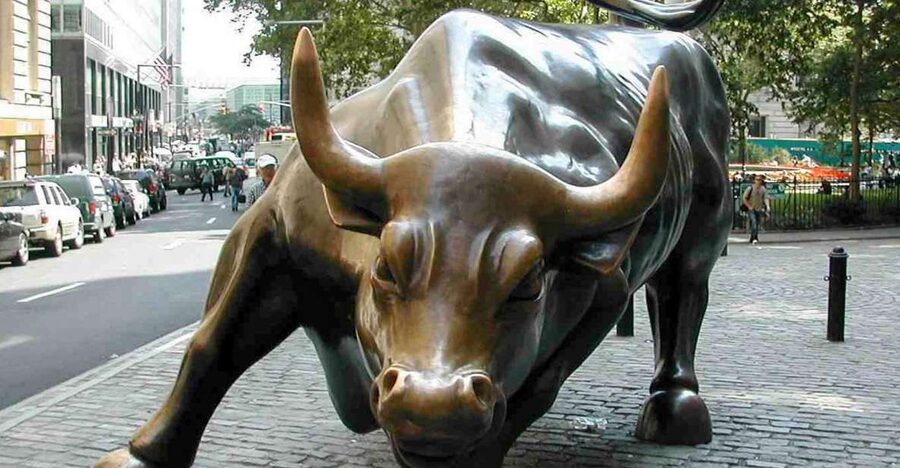
Next up is Trinity Church. It’s one of those places where the atmosphere slows you down, and the tour gives you permission to notice it rather than rushing past.
The church is a burial place of American giants like Alexander Hamilton. It also sits close enough to the neighborhood’s 20th-century tragedies that you’ll likely hear about how the space carries layers of meaning, including the former shadow of the Twin Towers.
This is a powerful stop on a Wall Street tour because it’s a reminder that the Financial District is not just money buildings. It’s people, grief, ambition, and history that survived long after a deal was signed.
The “insider” part here is in the framing. Instead of treating Hamilton as trivia, you’ll connect him to the broader ecosystem of early U.S. finance and the founding-era mindset that shaped later institutions.
A practical consideration: Trinity Church and nearby sidewalks can get crowded, especially around peak commute hours. If you want photos, ask your guide when the timing is best, then step aside rather than stopping in the middle of pedestrian flow.
Stop 3, Charging Bull: The Symbol You Understand More After the History
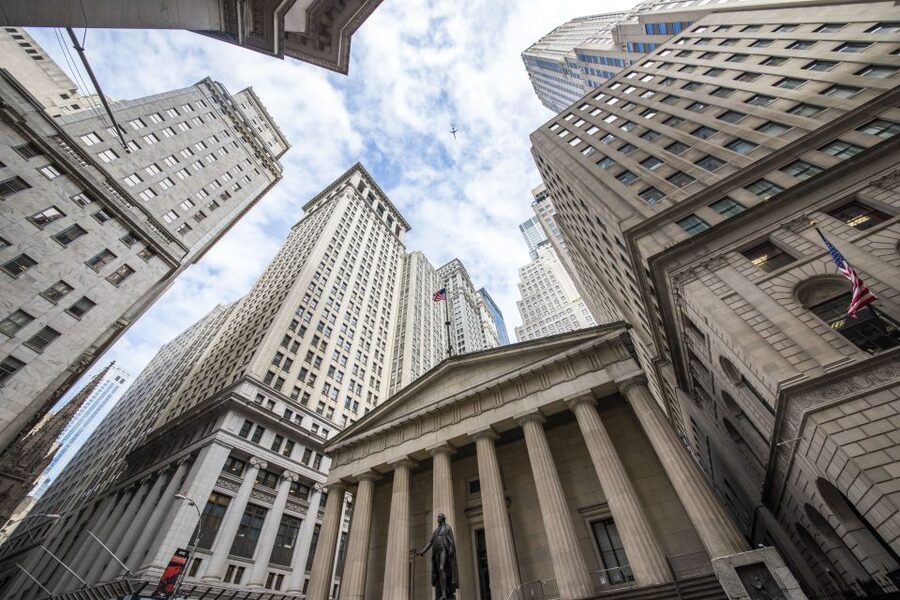
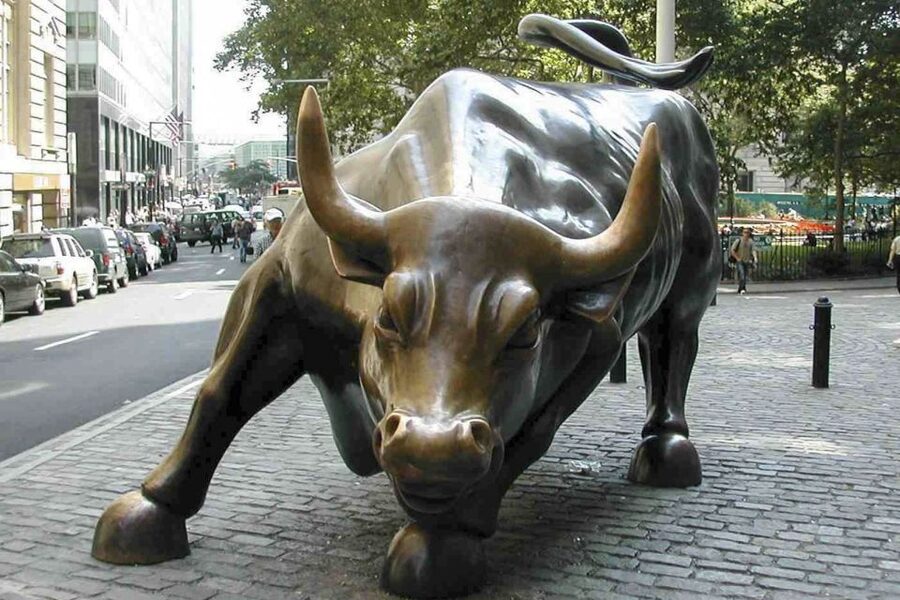
Then you hit Charging Bull, the famous Wall Street Bull. It’s a quick photo stop, and the point is not the bull itself. The point is what it symbolizes, and how that symbol fits into the bigger machine of markets.
When you stand in front of it after hearing about centuries of trading and institution building, it starts to make more sense. The bull reads like a confidence icon, but the tour context helps you see it as a shorthand for risk, optimism, and the expectation of growth in the economy.
Charging Bull is also where the tour becomes more than “serious history.” It’s a chance to reset your brain. You get a fun moment, and then you move on with a clearer sense of how the story connects to today.
Tip: keep your camera ready, but also stay aware of foot traffic. This area is a photo magnet, so plan for a quick shot rather than lingering in one spot.
The Federal Reserve Finish: Ending Near Today’s Economic Power
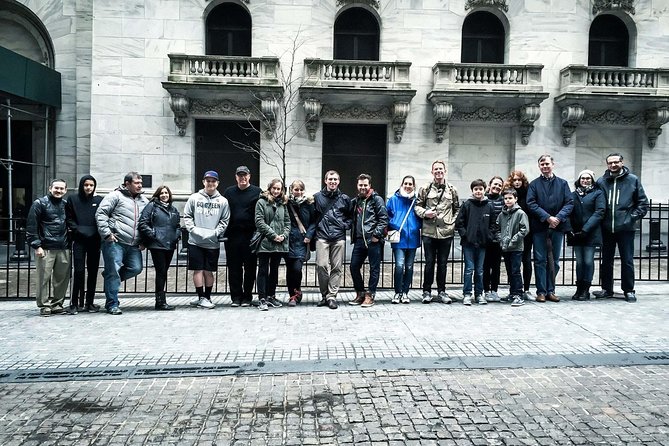
The tour ends near the Federal Reserve, close to Harry B Helmsley Plaza. That finish is smart, because it keeps the story moving from origins to influence.
Earlier in the walk, you build the foundation: early national leadership, churchyard historic connections, and Wall Street’s evolution from the past into the current financial system. Ending near the Federal Reserve gives you the final piece, the idea that modern finance isn’t just about markets, it’s also about policy and the tools that shape economic direction.
In one of the stronger pieces of tour feedback, a guide like Jesse did not shy away from harder chapters, including slavery market history, bombings in the 20th century, and how 9/11 changed the area. That kind of honesty makes the ending feel less like a bland “big building moment” and more like the culmination of what you’ve learned about power and consequences.
The practical takeaway: stay present as you approach the finish. This is the moment where the tour’s themes align, and you’ll understand why the Financial District is so important beyond headlines.
What You Really Gain: How Wall Street Stories Explain the Modern Day
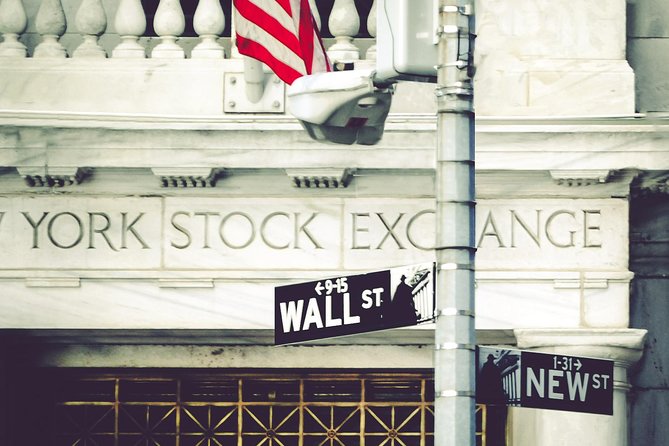
The best part of this tour is not any single landmark. It’s the way the guide connects the landmarks into one narrative that explains how finance became part of daily life in New York.
You’ll cover more than 400 years of Wall Street history, including how a Dutch trading outpost helped set the stage for what followed. You’ll also hear how big institutions grew through immigrant-driven entrepreneurship and how the neighborhood’s architecture reflects those changing eras.
That’s where finance professionals shine on this kind of walk. They don’t just list facts. They explain relationships. Why certain buildings and agencies matter. How decisions get made. Why meetings and momentum cluster around these blocks.
If you care about current events, you’ll like how the tour frames the idea that the fate of the economy is tied to systems you can literally see from street level. And if you’re more of a general history person, you still get plenty. The tour is built to work without needing a finance background, and feedback often notes that it stays engaging for kids and mixed-age groups.
Balanced reality check: the tour is mostly outside. So while you may step inside a few buildings, you should not expect a lot of indoor viewing time. On a gray or rainy day, the pace feels fine, but you’ll feel more exposed.
Weather, Shoes, and Small Extras That Help
Because it’s mostly an outdoor walking experience, plan around comfort. Wear shoes you trust on sidewalks with curb cuts and street crossings. Even if the walking route is fairly level and about a mile total, that distance in Lower Manhattan adds up quickly.
The tour runs rain or shine, so bring a lightweight rain layer if the forecast looks uncertain. If you forget, the tour has a small practical safety net: a face mask may be available for $1.
Bring water if you tend to get thirsty in summer heat. There are not many opportunities to sit like you’d find in a museum setting. The tour lasts about 75 minutes, so dehydration is usually preventable with smart prep.
If you want the best audio experience, stay near the guide when the route tightens up. One piece of feedback notes a situation where there was no microphone, which made it harder to hear. Even if your tour uses better sound setup, being closer is always safer.
Who Should Book This Wall Street Insider Tour, and Who Might Skip It
You should book this if you like the Financial District as a living story. It’s ideal if you want an insider voice to explain what you’re seeing, from Federal Hall to Trinity Church and the bull symbol, ending near the Federal Reserve.
It’s also a good fit if you want an easy day plan. The route is short, about a mile, and the group is capped at 20. That makes it easier to handle than longer walking marathons.
Consider skipping if your top priority is building access. The NYSE is not visited, because it has been closed to visitors since 2001. You’re also not guaranteed lots of time inside multiple buildings, since the tour is mostly outdoors.
And if you prefer very strictly timed, minimal storytelling, be aware that guide personalities can affect the flow. Some people love the humorous, personal anecdotes. Others may want less talk about the guide’s own background. You can reduce the risk by going in with a flexible mindset and asking questions to steer the conversation toward what you care about.
Should You Book This Wall Street Insider Tour?
Yes, if you want a short Wall Street walk with a finance professional who can connect history, institutions, and modern meaning in plain language. The value is strong for the price when you factor in the free-admission stop, the small group, and the fact that you’re getting expert context for landmarks you’ll remember.
Also, it’s a smart move if you’re traveling with mixed interests. History fans get Federal Hall and Trinity Church. Finance-minded people get the structure of modern finance and how it grew. Families often find it entertaining, and kids can handle the pacing since it is not a marathon.
Skip it only if the NYSE interior is your must-have. This tour is about what you can see and understand outside, and the “insider” is the guide, not the building access.
If that matches your style, this is an efficient way to learn the Financial District without feeling lost in all the names and buildings.
Newest New York City reviews on the site
- New York City: Private Walking Tour with a Local★ 4.6 · 771 reviews
- Washington DC Day Trip by Bus from New York City★ 4.7 · 600 reviews
- NYC: Wall Street and Financial District Walking Tour★ 4.9 · 284 reviews
- Wall Street Insider Tour with a Finance Professional★ 4.5 · 660 reviews
- True Crime New York: NYPD-Guided Mafia Walking Tour w/ Food★ 4.6 · 318 reviews
- NYC: Woodbury Common Premium Outlets Shopping Round Trip Service★ 4.0 · 784 reviews
- Williamsburg Food Tasting & Walking Tour★ 5.0 · 228 reviews
- Whitney Museum of American Art Admission Ticket★ 4.0 · 1,579 reviews
New York City Tours & Activities, compared.

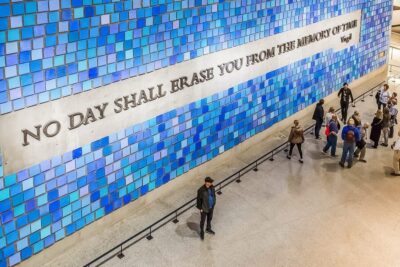
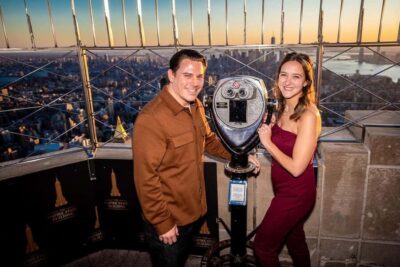
Empire State Building Tickets – Observatory & Museum
Read our review →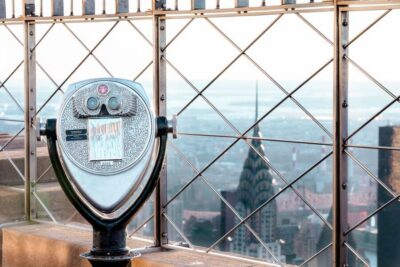
Empire State Building Observation Deck Tickets
Read our review →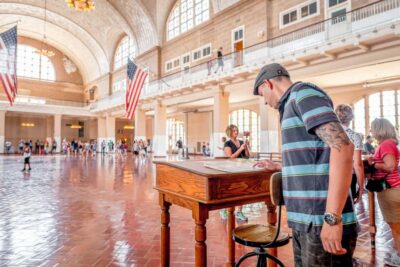

Statue of Liberty and Ellis Island Tour: All Options
Read our review →