
Reviewed · JACKSON HOLE TOURS
Sunset 4-Hour Grand Teton Wildlife Adventure
Sunset turns the Tetons into a wildlife stage. This small-group wildlife adventure runs right into prime evening activity, with a guide who helps you read behavior, tracks, and habitat from a comfy 4×4 with a roof hatch. I especially like the seven-traveler setup with a window seat for everyone, plus the high-end Swarovski-style spotting view. The only real catch is simple: wildlife is wild, so sightings depend on conditions and timing.
What makes it feel different from a basic drive is the way the tour mixes hands-on spotting with on-the-spot learning. You get professional-grade gear plus iPads to connect what you see to what it means in the ecosystem. Even better, the guides come with science backgrounds, so you get the why behind the where, not just facts.
Plan on 4 hours total, starting and ending at 210 N Cache St in Jackson. You are also covered for the basics inside the vehicle, with snacks, bottled water, and coffee and or tea along the way. The sunset timing can be chilly, so dress for the outdoors.
In This Review
- Key highlights worth getting excited about
- Sunset Wildlife in Grand Teton, What Makes This Timing Work
- The Vehicle Setup That Gives Everyone a Real Chance to See
- Premium Scopes and Binoculars, Plus iPads That Speed Up Identification
- Where You Start in Jackson Hole, and How the 4 Hours Typically Feel
- Stop One in Grand Teton: Wildlife Hotspots From a Safari-Style Ride
- A quick heads-up on what you should not expect
- Guides With Science Backgrounds, and Why Their Style Changes Everything
- Species You Might See, and How to Think About Those Sightings
- Value and Price, What $198 Buys You in the Real World
- Tips to Get More From Your Sunset Trip
- Who This Tour Is Best For, and Who Might Skip It
- Should You Book Sunset 4-Hour Grand Teton Wildlife Adventure?
- FAQ
- What is the group size for the Sunset 4-Hour Grand Teton Wildlife Adventure?
- How long is the tour?
- What time of day is it, and what does that mean for wildlife?
- What’s included with the tour price?
- Do I need to pay the Grand Teton National Park entrance fee separately?
- Is tipping included?
- Are there any age limits for kids?
- Where does the tour start and end?
Key highlights worth getting excited about
- Sunset timing for active animals: You hunt for wildlife when visibility is good and behavior often ramps up
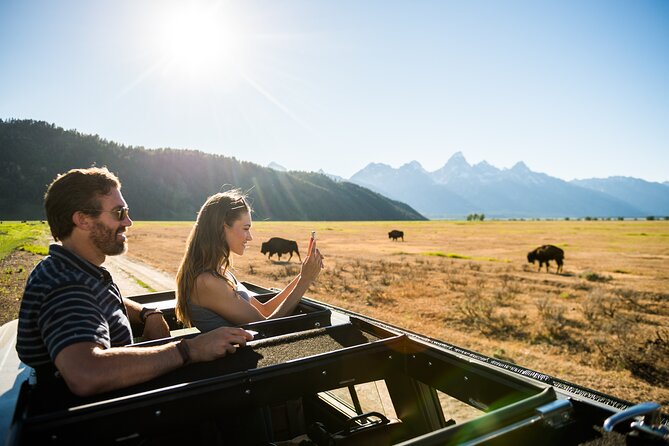
- Window seats plus roof-hatch viewing: Everyone gets a viewing angle, without leaving the vehicle
- Premium Swarovski-style scopes and binoculars: Better optics means more confident identification
- Science-backed naturalist guides: You hear ecology, geology, and cultural history explained clearly in plain language
- iPads to match what you’re seeing: Quick context helps you spot patterns faster
- Maximum 7 travelers: Small group energy, more time at each stop, less crowd pressure
Sunset Wildlife in Grand Teton, What Makes This Timing Work
Grand Teton National Park is stunning in daylight. But for wildlife, sunset is often the sweet spot. That is when many animals feed, move between cover and open meadows, and start using the edges of the habitat more actively. On this tour, the whole rhythm aims at that window, so you are not just sightseeing, you are timing your chances.
The light also helps your eyes and your camera. As the sky cools and the ground warms up late-day patterns, animals can look more defined against grass, sage, or rocky slopes. One guide even helped people frame the Hunter’s Moon at sunset through a scope, which is a neat reminder that the optics are part of the fun, not just the wildlife.
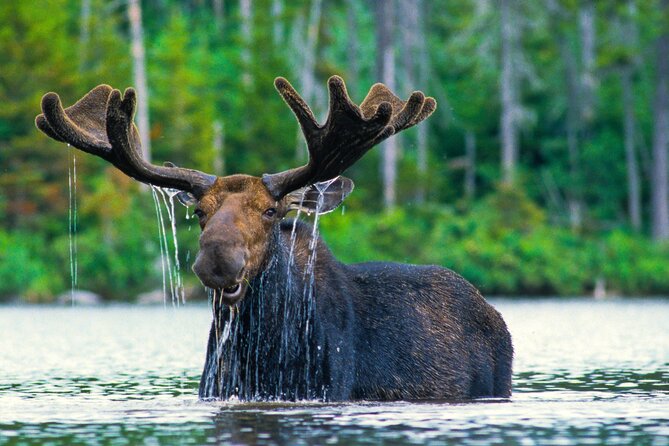
This is not a guarantee tour. You might spot a moose in a prime roadside position, or you might catch something farther out that still looks fantastic through a scope. You are paying for the search, the equipment, and the skill to make the most of whatever shows up.
Other Jackson outings to compare
- From Jackson Hole: Yellowstone Old Faithful, Waterfalls and Wildlife Day Tour
★ 5.0 · 1,557 reviews - Grand Teton Wildlife Safari in a Enclosed or Open-Air Vehicle (season dependent)
★ 5.0 · 1,212 reviews - Sunrise 4-Hour Grand Teton Wildlife Adventure
★ 5.0 · 899 reviews
The Vehicle Setup That Gives Everyone a Real Chance to See
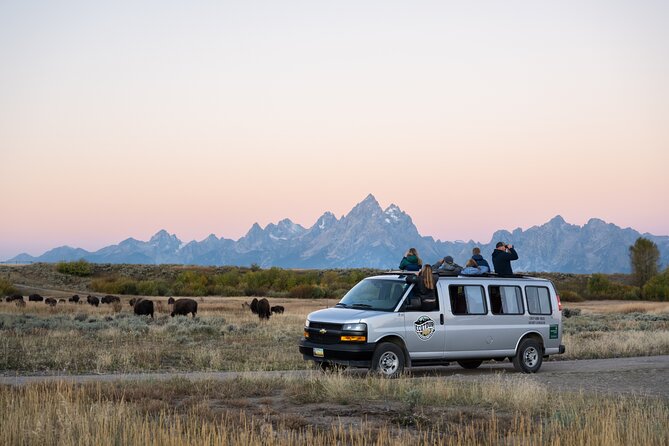
This tour runs in a custom vehicle built for wildlife viewing. The big selling point is access: you sit with a window seat so everyone has a stable view line, and you can use roof hatch viewing when the action is higher or you want a better angle.
In practical terms, that means two things you will feel right away:
- You spend less time craning around other people.
- You can switch from watching with your eyes to using the scopes without turning your whole body into a pretzel.
It is also a comfort win. Grand Teton evenings can mean wind and cold, even in months when daytime feels mild. Sitting inside while still getting great spotting access makes it easier to stay focused on the animals instead of battling the elements.
Small-group matters here. With a maximum of seven travelers, your guide can slow down when wildlife appears, and you are less likely to feel like you are part of a line of cars.
Premium Scopes and Binoculars, Plus iPads That Speed Up Identification
The equipment is not just a gimmick. If you have ever watched a wildlife video and wondered how people get those crisp, close-up views, this is the answer. You get spotting scopes and binoculars, and you also get iPads to help interpret what you are looking at.
Here is the value for you: scopes let you see finer details at distance, like body shape, antler or horn structure, and how an animal holds itself. Binoculars are faster for scanning and tracking movement. Together, they cover different kinds of sightings.
The iPads add a layer that helps you stop guessing. Even if you are not a wildlife expert, you can match the animal you are seeing to real context from the guide. That often turns a random sighting into a real moment of learning, like understanding why an animal chooses certain terrain, or what its movement suggests about feeding or safety.
And yes, the guide uses the equipment with you. The goal is not to toss gear in your lap. It is to help you use it well, especially as animals move.
Where You Start in Jackson Hole, and How the 4 Hours Typically Feel
The meeting point is 210 N Cache St, Jackson, WY 83001. The tour ends back at the meeting point, so you are not thinking about where to park or how to get home after dark.
The duration is about 4 hours. In that time, you are usually hopping between promising areas in the park region, following the guide’s instincts about where wildlife may be active at that hour. Think of it as a moving game of attention. You scan, you listen, you spot, you pause, then you learn.
This matters because wildlife is not static. An elk that was visible five minutes ago can vanish behind a rise. A moose can relocate from one side of the road corridor to the other. Your best moments often happen when the guide keeps you flexible and stays alert for the next clue.
Same corner of the map, another day out:
- Grand Teton Half Day Tour
★ 5.0 · 1,067 reviews - Tetons and Snake River Scenic Float Trip In Jackson Hole
★ 5.0 · 1,000 reviews - Whitewater Rafting in Jackson Hole : Family Standard Raft
★ 5.0 · 965 reviews - Horseback Riding with Grand Teton Views in Jackson Hole
★ 4.5 · 916 reviews
Stop One in Grand Teton: Wildlife Hotspots From a Safari-Style Ride
The tour focuses on Grand Teton National Park and wildlife hotspots from the comfort of a 4×4 safari-style vehicle. You do not just drive through the scenery. Your guide helps you read the landscape based on ecology, behavior, geology, and local cultural history.
What makes the stop feel special is the way the guide shifts between three modes:
- Spotting and zooming in so you can identify animals correctly
- Teaching what you are seeing in plain language, especially behavior
- Tying it to the bigger system so the habitat makes sense, not just the animal
You will likely encounter a mix of species depending on season and conditions. The park is home to grizzlies, wolves, elk, moose, bison, antelope, bighorn sheep, and bald eagles. In winter and cold months, you can still have excellent sightings, because animals often concentrate their movement and feeding around predictable food sources and shelter.
In the real world, your actual best moment might be a bull moose close to the road, a bison group at a flat feeding spot, pronghorn seen clearly at a distance with help from a scope, or a bird of prey gliding overhead. Guides also focus on how to observe safely and respectfully, so you spend time watching rather than pushing closer.
A quick heads-up on what you should not expect
You should not expect every animal on the species list every time. This is not a zoo. It is a search with professional help. Your odds improve with the timing, the equipment, and the guide.
Guides With Science Backgrounds, and Why Their Style Changes Everything
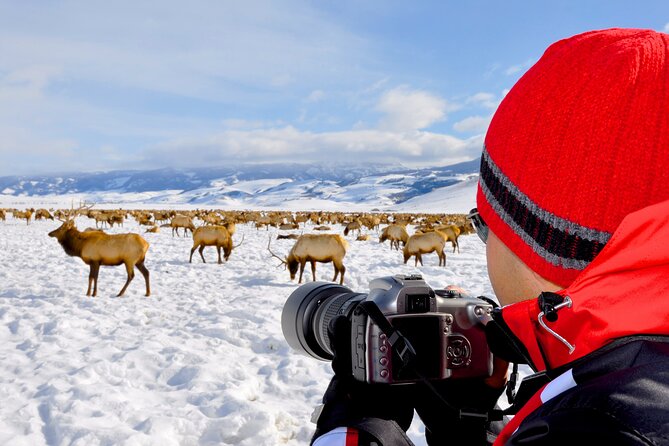
One of the strongest parts of this tour is the human factor. This is not a drive-by guide job. The guides have science backgrounds and years of experience, and they bring that into how they teach.
You can see the pattern across guides. People consistently describe feeling comfortable, learning a lot, and getting pulled into the action with good communication. Many guides tailor the tour to what you want to focus on, which is helpful if you are traveling as a couple, a solo traveler who wants quiet time, or a family that needs breaks and clear explanations.
Names that pop up again and again in guide credits include Kirk, Ricky, Billy, Joy, Raf, and Ashley. While each has a different personality, the common thread is that they:
- spot wildlife by knowing where to look
- set up scopes so you can actually see the details
- keep the tone friendly and easy
- explain the ecology and geology in a way that makes the park feel connected, not random
From the experiences described, guides also tend to add thoughtful comfort. People mention hot drinks like coffee and hot chocolate, snacks, and even small extras like hand warmers that make the cold more tolerable.
Species You Might See, and How to Think About Those Sightings
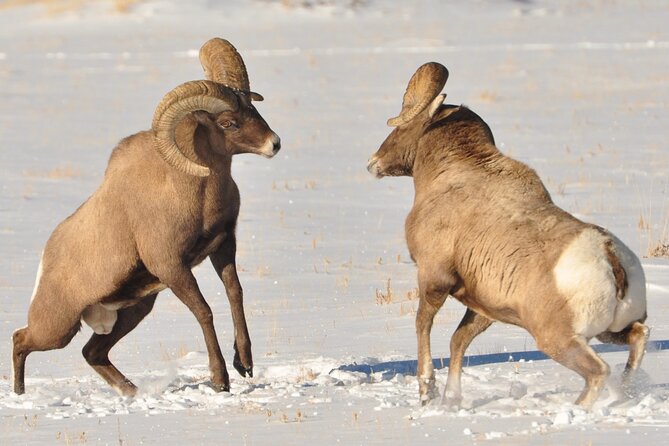
Let’s talk reality. The Grand Teton area can produce big wildlife moments. Still, distance and light vary, and wildlife may be moving.
Here are examples of sightings that have been part of this tour experience for different groups: moose, bison, elk, pronghorn, coyote glimpses, wolves, big horned sheep, bald eagles, and additional birds like swans and herons. Some tours also turn up close-up viewing of an individual bull moose or a dramatic herd moment, depending on what is happening that day.
So how should you think about your own day?
- If you see an animal quickly, it does not always mean it will stay in place. A good guide helps you get the best view fast.
- If you miss something you hoped for, the guide’s job is to redirect your attention to what is actually available, without acting like you are failing.
- Even when animals are farther out, scopes can turn a dot into an identification.
If you care about photography, you will also get more consistent results because the guide helps you position for the right angles at the right time.
Value and Price, What $198 Buys You in the Real World
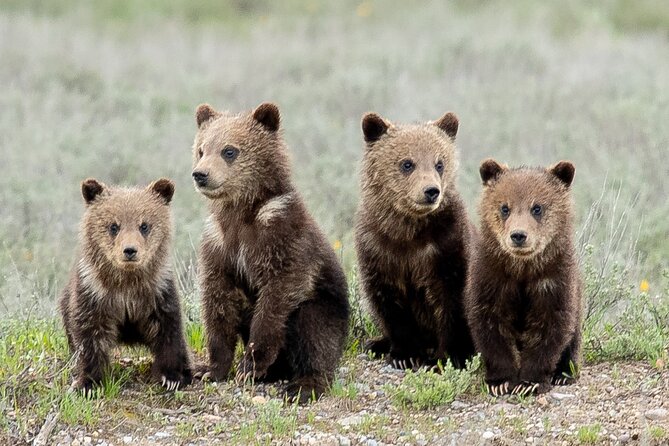
At $198 per person for about 4 hours, the price is not cheap. But for what you are getting, it makes sense for many visitors.
Here is what you are paying for, in practical terms:
- a small group size with maximum seven travelers
- a custom vehicle designed for viewing, including roof hatches and panoramic windows
- professional spotting gear like scopes and binoculars
- iPads plus teaching that helps you interpret what you see
- snacks, bottled water, and coffee or tea
Now the cost you still need to plan for: the Grand Teton National Park entrance fee is not included. It is listed as $20 per person, valid for 7 days, and you can purchase it on the tour. If you already have a park pass, bring it.
Then there is gratuity. Tips are not included, and 15 to 20 percent is appreciated. For a guide-led experience, that matters.
I tell people to do a quick math check before booking. Add the park entrance fee if you need it, and mentally reserve your tip. Once you do that, you are really comparing this to other guided tours that either cost less but offer weaker viewing gear, or cost similar amounts but do not include the small-group optics and instruction.
Tips to Get More From Your Sunset Trip
You do not need to be a wildlife expert. But a few choices help you get better results fast.
Dress for cold. Sunset can mean real temperature drop, especially when you are sitting ready for scope viewing. Wear layers you can move in, and bring something warm for your hands if you get cold easily.
Charge your phone or camera. The vehicle and guide help with viewing, but you still want your gear ready for photos and short clips.
Use the scopes early. If you wait, an animal might move on. When you see movement that seems promising, ask the guide to set up a view.
Ask questions in the moment. The guides are there to explain ecology, geology, and cultural history, and that kind of context often makes it easier to spot what comes next.
Stay patient when the action is quiet. The best sightings often come after a stretch of careful scanning.
Who This Tour Is Best For, and Who Might Skip It
This tour is a strong fit if you want:
- a small-group wildlife outing, not a big bus crowd
- premium spotting tools plus guidance using them
- learning that connects wildlife behavior to habitat and geology
- a sunset experience with a logical plan
It is especially good for couples and solo travelers who want a high-quality wildlife morning or evening without the guesswork. Families can also do well, as long as the kids meet the age guideline. For children 8 and under, a private tour is required to ensure comfort and flexibility.
Who might want to consider alternatives? If you are the type who needs constant action every minute, wildlife tours can feel slow at times. If you want strict guarantees on specific animals, this is still a wild setting where sightings depend on real conditions.
Should You Book Sunset 4-Hour Grand Teton Wildlife Adventure?
Book it if you care about seeing wildlife with help, not just hoping for the best. The big reasons are the roof-hatch viewing, the small seven-person group, the premium scope setup, and the iPad support that helps you understand what you are actually looking at.
Also book it if you like learning while you travel. The guide structure puts ecology, geology, and behavior together in a way that makes the park feel more than scenery.
You may want to rethink it if you cannot handle paying the park entrance fee on top of the tour price, or if you get frustrated by wildlife unpredictability. If the weather is truly poor, the tour requires good conditions, and you may be offered a different date or a refund.
If that all sounds manageable, this is one of the most efficient ways to get a top-tier wildlife sunset experience out of Grand Teton without feeling rushed or crowded.
FAQ
What is the group size for the Sunset 4-Hour Grand Teton Wildlife Adventure?
The tour has a maximum of 7 travelers, so it stays small and easier to view wildlife.
How long is the tour?
It runs for about 4 hours.
What time of day is it, and what does that mean for wildlife?
It is a sunset tour, which targets a time when animals are often more active.
What’s included with the tour price?
Included are snacks, bottled water, coffee and or tea, spotting scopes and binoculars, wildlife specimens and iPads, and the specially designed adventure vehicle with roof hatches and panoramic windows.
Do I need to pay the Grand Teton National Park entrance fee separately?
Yes. The park entrance fee is $20 per person and is not included. If you already have a valid park pass, bring it. You can also purchase the pass on the tour.
Is tipping included?
No. Gratuities are not included, and a 15 to 20 percent tip is appreciated.
Are there any age limits for kids?
For families traveling with children 8 and under, you must book a private tour to ensure optimal convenience, comfort, and flexibility.
Where does the tour start and end?
The tour starts at 210 N Cache St, Jackson, WY 83001, and it ends back at the same meeting point.
Newest Jackson reviews on the site
- Yellowstone Old Faithful Snowcoach Tour from Jackson Hole★ 5.0 · 213 reviews
- Yellowstone Old Faithful Full-Day Snowmobile Tour from Jackson Hole★ 5.0 · 318 reviews
- Sunrise 4-Hour Grand Teton Wildlife Adventure★ 5.0 · 899 reviews
- Snake River Scenic Float Trip with Teton Views in Jackson Hole★ 5.0 · 864 reviews
- Yellowstone National Park – Full-Day Lower Loop Tour from Jackson★ 5.0 · 502 reviews
- Tetons and Snake River Scenic Float Trip In Jackson Hole★ 5.0 · 1,000 reviews
- Half Day Grand Teton Wildlife Safari Tour★ 5.0 · 259 reviews
- Half-Day Wildlife Safari Tour in Grand Teton National Park★ 5.0 · 341 reviews
Jackson Hole Tours, compared.
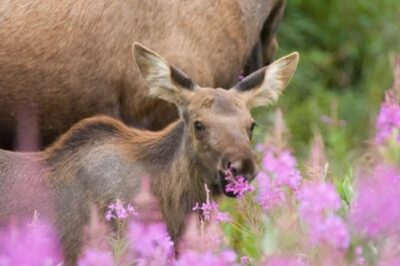
From Jackson Hole: Yellowstone Old Faithful, Waterfalls and Wildlife Day Tour
Read our review →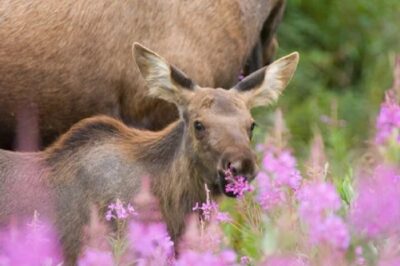
Grand Teton Wildlife Safari in a Enclosed or Open-Air Vehicle (season dependent)
Read our review →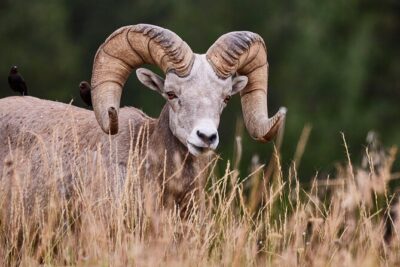
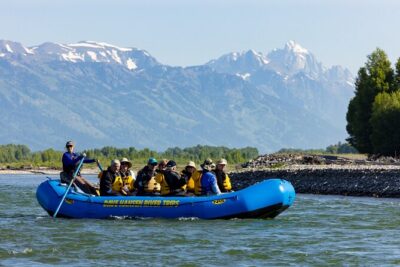
Tetons and Snake River Scenic Float Trip In Jackson Hole
Read our review →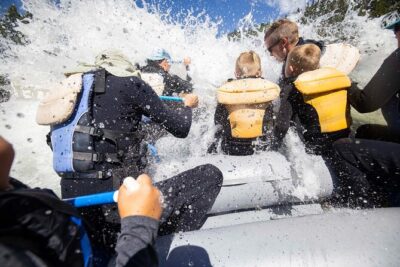
Whitewater Rafting in Jackson Hole : Family Standard Raft
Read our review →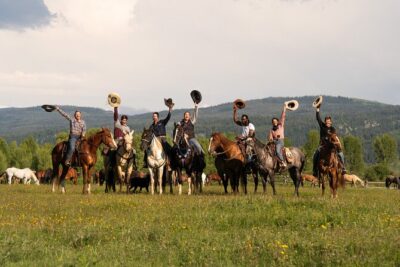
Horseback Riding with Grand Teton Views in Jackson Hole
Read our review →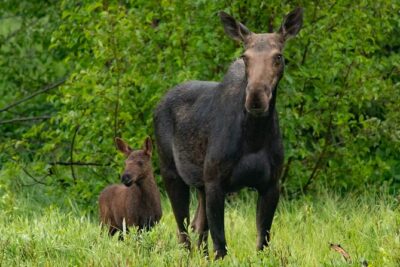
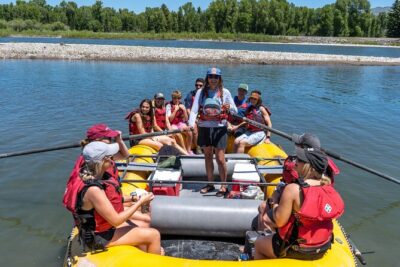
Snake River Scenic Float Trip with Teton Views in Jackson Hole
Read our review →Browse the lists this tour appears in