
Reviewed · SAFARI
Grand Teton Wildlife Safari in a Enclosed or Open-Air Vehicle (season dependent)
Grand Teton wildlife hits different at first light. This is a small-group safari where you ride in an open-air vehicle (seasonal) and scan Grand Teton National Park with a local naturalist for wolves, moose, elk, and more. I especially like that the guide ties sightings to ecology, history, and geology, so the trip feels like more than just stopping for photos. The main thing to consider is weather, since the ride style and which barn stops you get depend on the season.
Your comfort matters here. You get snacks, bottled water, and soda, plus binoculars and time at viewpoints where you can slow down and look closely. If you do the sunrise or sunset option, plan on it feeling colder than you expect, even in summer.
One drawback to be ready for: this tour is not a guarantee of specific animals, and sights can still be far away. Your odds are best at dawn or dusk, but you should still keep your expectations flexible.
In This Review
- Key Safari Highlights You Can Count On
- How the Safari Vehicle Changes by Season
- Dawn and Dusk Wildlife Odds in Grand Teton
- What the Naturalist Guide Actually Adds
- Stop 1 Grand Teton: The Wildlife Scanning Zone
- Mormon Row Historic District: The Barn Photo Classic
- T.A. Moulton Barn vs John Moulton Barn
- Binoculars, Snacks, and Photo-Friendly Breaks
- Price and Value: What $159 Buys You
- Packing Tips That Match the Actual Conditions
- Who This Tour Fits Best (And Who Should Rethink It)
- Should You Book This Grand Teton Wildlife Safari?
- FAQ
- How long is the Grand Teton wildlife safari?
- Where does the tour start and end?
- What vehicle do I ride in?
- Are snacks and drinks included?
- Do I get binoculars?
- Do I need to pay Grand Teton entrance fees?
- Is hotel pickup available?
- Is the barn stop included in winter?
- Are children allowed?
- Is it a good idea for people with back problems in summer?
Key Safari Highlights You Can Count On
- Dawn or dusk timing for more active wildlife movement
- Open-air in season, with an enclosed heated or air-conditioned ride at other times
- Binoculars and a spotting scope to help you see animals at distance
- Photo stops built into the route, especially around Grand Teton and Mormon Row
- Small group cap (12 max) for easier spotting and more guide attention
- Wildlife plus stories, covering ecology, history, geology, and culture as you ride
How the Safari Vehicle Changes by Season
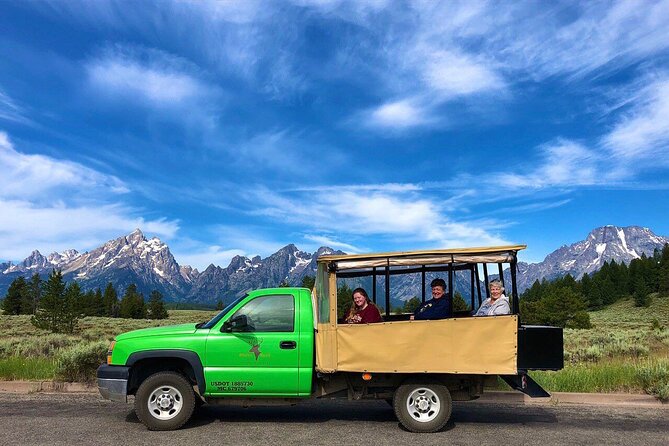
This tour keeps the spirit of a safari, but the vehicle changes with the calendar. From June 15 to mid-September, you’ll typically ride in a customized open-air safari vehicle when conditions allow. It is a great way to feel connected to the park, but it also means you are exposed to wind and temperature shifts.
From mid-September to June 14, the ride becomes an enclosed, heated, or air-conditioned vehicle, depending on the season. That swap is not a small detail. It changes how long you’ll comfortably stay out scanning the terrain, especially on colder morning tours or windy shoulder-season dates.
One more practical note: the company doesn’t run the same experience every month. In winter, the route still focuses on wildlife and big views, but the barn photo stops are affected by snow.
Other Jackson outings to compare
- Half-Day Wildlife Safari Tour in Grand Teton National Park
★ 5.0 · 341 reviews - Half Day Grand Teton Wildlife Safari Tour
★ 5.0 · 259 reviews - Miami: Everglades Safari Park Airboat Tour
★ 4.4 · 1,267 reviews
Dawn and Dusk Wildlife Odds in Grand Teton
Grand Teton is built for early eyes. This safari is designed around times when animals are more likely to be moving, so you are out at dawn or dusk rather than mid-day when many sightings slow down.
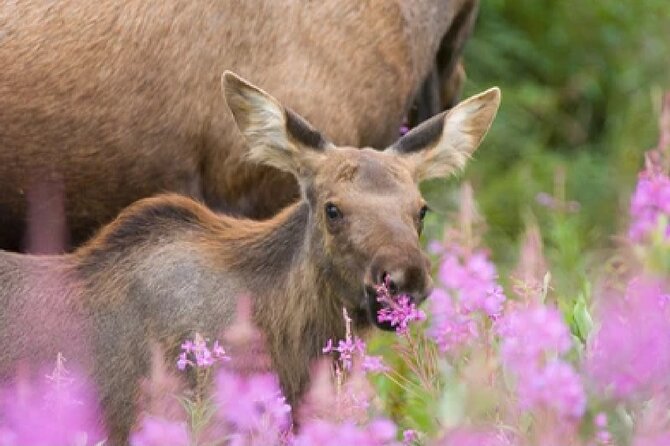
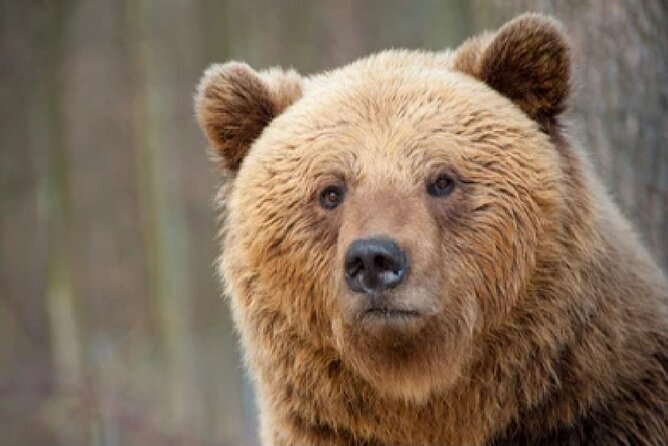
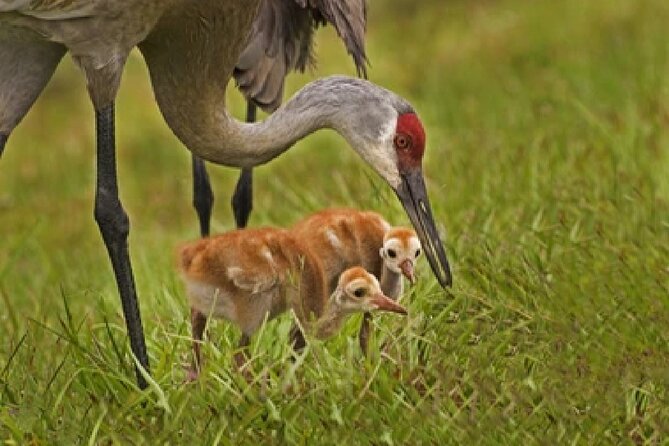
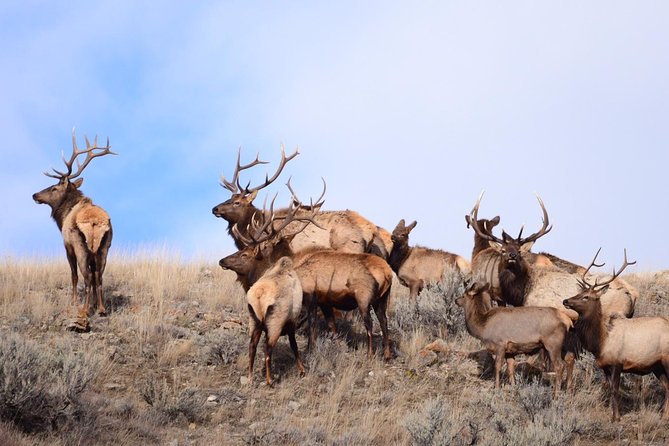
In the park, you’re scanning for a wide set of mammals, including wolves, moose, elk, bison, mule deer, pronghorn, and you may even catch black or grizzly bear near the road. Birds are a big part of the experience too, since the park supports 300-plus bird species. Your guide also watches overhead for raptors like bald eagles, and for other birds such as osprey, owls, and hawks.
The sensible takeaway: treat this as a guided search, not a vending machine for wildlife. The guide is working a route and using park knowledge to put you where animals might appear. Your best strategy as a passenger is to stay alert, listen for the guide’s pointers, and be ready to look quickly.
What the Naturalist Guide Actually Adds
The value here comes from the guide’s job, which goes beyond spotting. The ride includes interpretive stops where the guide explains ecology, history, geology, and culture, then uses those stories to help you understand what you are seeing.
I love when a guide can connect the dots. On this safari, that connection tends to show up in how your guide talks about:
- Why certain areas feel more alive at dawn or dusk
- How the park’s geology shapes what you see
- What the animals likely doing and how to read the clues
Guide quality is one of the most praised elements in the feedback I saw from real trips, with names like Kyle, Kelsey, Phil, Anthony, Cameron, Neil, Pat, Allie, and Jack showing up again and again. What they have in common is energy and effort: they keep scanning, they work the group so everyone gets a good look, and they are active about helping with wildlife viewing.
In other words, you are paying for a faster, smarter way to look. You could drive the park yourself, but you would have to do the “where to look” homework. This tour gives you that legwork.
Stop 1 Grand Teton: The Wildlife Scanning Zone
Your main wildlife focus is Grand Teton National Park itself, where the safari route covers part of the 310,000 acres of park terrain. The guide keeps the group scanning for a long list of mammals and birds, with the expectation that sightings shift across seasons.
This is where the safari format really helps. You’re driving on dirt roads and paved highways, so you get movement without leaving the comfort of your seat. When something pops up, the guide can slow or stop in a safe, legal way so you can switch from “driving attention” to “spotting attention.”
Expect plenty of moments that feel like:
- Look up, eagle overhead.
- Look sideways, animals moving through trees.
- Look farther, moose or elk that only becomes obvious once you stop focusing on the road.
Binoculars and a spotting scope are part of the included setup, and the feedback from past riders strongly suggests they are effective for animals that are not right next to the road.
Don’t forget the park’s scenery side either. The route includes views tied to the Snake River with the mountain backdrop. Your guide also explains geology and ecology before heading back toward Teton Village.
Same corner of the map, another day out:
- From Jackson Hole: Yellowstone Old Faithful, Waterfalls and Wildlife Day Tour
★ 5.0 · 1,557 reviews - Grand Teton Half Day Tour
★ 5.0 · 1,067 reviews - Sunset 4-Hour Grand Teton Wildlife Adventure
★ 5.0 · 1,020 reviews - Tetons and Snake River Scenic Float Trip In Jackson Hole
★ 5.0 · 1,000 reviews
Mormon Row Historic District: The Barn Photo Classic
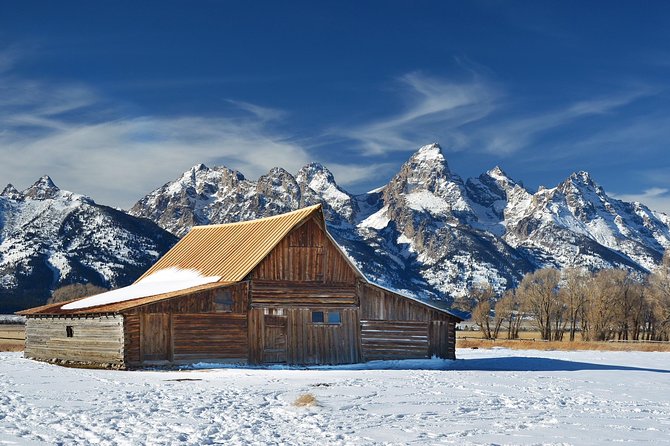
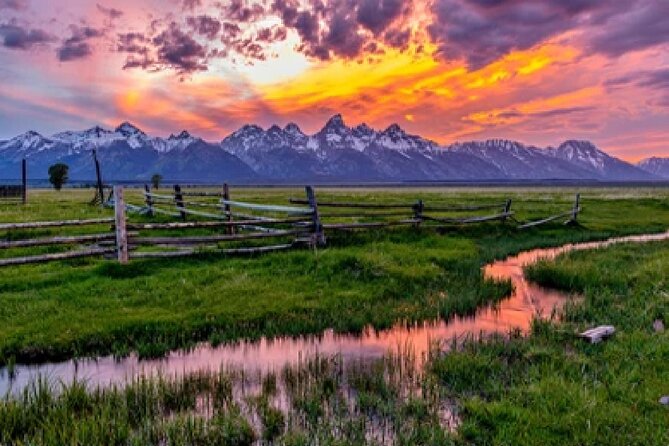
In March through November, your safari includes a stop at the Mormon Row Historic District. This is built for a quick, memorable photo. You’ll stop at the spot linked with the most photographed barn in America, and the guide shares context about early Mormon homesteaders in Jackson Hole.
The stop is time-limited (about 20 minutes), which is perfect if you want the iconic view without losing too much of your wildlife time. It also means you’ll want to be ready: camera, phone, and any lenses you use should be easy to grab fast.
Because this stop depends on snow conditions, it disappears during the winter months. If your trip dates fall in December to February, plan on skipping the barn stop and focusing on wildlife and general park viewing instead.
T.A. Moulton Barn vs John Moulton Barn
This next photo stop, also about 20 minutes, happens in March through November tours. The guide stops at either the T.A. Moulton Barn or the John Moulton Barn, depending on conditions.
This detail matters more than it sounds. Mormon Row photos are about the angle and the light, and the barn names tell you you’re at the same historic cluster, just with a different exact target. The experience is still very much about the visual icon and the homestead history.
If your date range includes the spring or fall window, this is one of the easiest “I want the classic shot” moments on the trip. In winter, it is not part of the route because of snow coverage.
Binoculars, Snacks, and Photo-Friendly Breaks
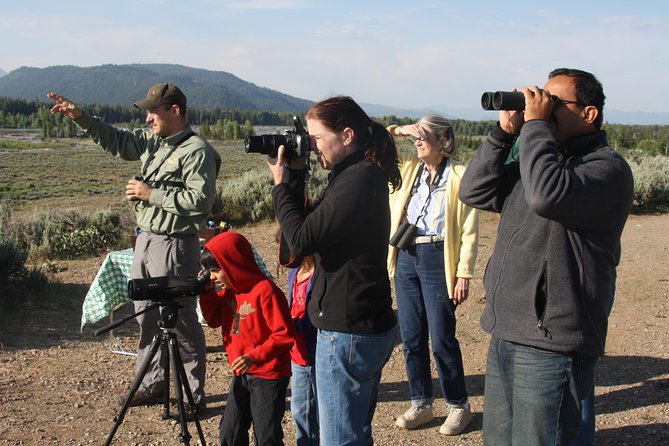
Good wildlife tours respect your attention span. This one includes the small comforts that keep you focused:
- Binoculars and a spotting scope
- Snacks, bottled water, and soda
- Stops designed so you can photograph wildlife, terrain, and viewpoints
If you do the early or late tours, comfort can become part of the game. Even in summer, it can feel cold during sunrise or sunset. One review specifically notes wool blankets for chilly moments on a sunrise outing, which is the kind of practical detail that makes a difference when you are waiting for an animal to appear.
My advice is simple: dress for temperature, not just for the afternoon forecast. Bring layers you can actually manage in the moment, and wear clothing that lets you stand still without freezing.
Also, expect that animals may be at a distance. That is normal here. Binoculars help you turn a “maybe that’s something” moment into a true sighting.
Price and Value: What $159 Buys You
At $159 per person for about 4 hours, this safari is priced like a guided wildlife and interpretation experience, not like a casual park drive. The math is easier when you look at what’s included.
You are getting:
- A guide with wildlife scanning skills and ecology, history, geology, and culture storytelling
- A small-group format (max 12 travelers)
- Transport in an open-air or enclosed vehicle (season dependent)
- Binoculars and a scope
- Snacks, bottled water, and soda
- Time for photo stops at standout areas
What is not included: National park entrance fees, gratuities (recommended at 10 to 15 percent), and for summer tours, hotel pickup and drop-off. Those omissions are typical for park experiences, but they matter for your total budget.
So is it worth it? If you want your wildlife effort guided, and you value understanding what you are seeing, yes. If you are the type who enjoys driving solo, buying binoculars once, and gambling on timing, you might decide to DIY. But for most people, the guide turns “searching” into “knowing where to look next.”
Packing Tips That Match the Actual Conditions
The tour has different clothing needs depending on the season, and the company is pretty direct about it.
For June to mid-September, wear sturdy walking shoes, bring a jacket, and plan for long pants. You can feel chilled even in summer, especially around sunrise and sunset when you are standing or sitting in cooler air.
For winter months, you’ll want full snow gear, including snow boots, snow pants or bibs, a winter jacket, gloves, and a beanie or scarf.
One more practical tip: the vehicle type changes your comfort level, so pack for the outside conditions even if you are in an enclosed ride. Wind can be strong in the region, and waiting for wildlife means staying ready longer than you think.
Who This Tour Fits Best (And Who Should Rethink It)
This safari is a strong match for people who want wildlife plus context, and who like a guided plan at dawn or dusk.
It is also a good fit if you:
- Want a small-group experience instead of a huge bus
- Don’t own binoculars (and prefer to use the included gear)
- Enjoy learning about ecology, geology, and history while you watch wildlife
A couple of “check first” points:
- Children age 5 and younger are not allowed.
- Summer safari tours are not recommended for travelers with back problems, since the open-air ride is not the most forgiving setup.
- This is geared to most travelers overall, and service animals are allowed.
If you have mobility challenges or discomfort with extended standing or chilly air, consider the enclosed winter months as the easier comfort option.
Should You Book This Grand Teton Wildlife Safari?
Book it if you want a structured way to look for wolves, moose, and elk at the best hours, with the added bonus of naturalist interpretation. I especially recommend it for first-time visitors who want to feel confident about what they are seeing, and for anyone who loves the idea of a true guided scan rather than random driving.
Hold off or think twice if:
- You get uncomfortable in cold morning air and don’t plan to dress in layers
- You expect specific animals on demand
- You prefer total control and are happy to drive yourself
If you can be flexible, dress smart for the season, and trust the guide’s scanning rhythm, this is the kind of half-day that can change how you see Grand Teton. You’ll come away with more than photos, you’ll have a better read on the park.
FAQ
How long is the Grand Teton wildlife safari?
The tour runs about 4 hours.
Where does the tour start and end?
It starts at 210 N Cache St, Jackson, WY 83001, and ends back at the meeting point.
What vehicle do I ride in?
Vehicle type depends on the season. In summer, you ride in an open-air safari vehicle when conditions allow. In mid-September to May, you ride in an enclosed, heated or air-conditioned vehicle.
Are snacks and drinks included?
Yes. The tour includes snacks, bottled water, and soda.
Do I get binoculars?
Yes. Binoculars and a scope setup are provided.
Do I need to pay Grand Teton entrance fees?
National park entrance fees are not included.
Is hotel pickup available?
Hotel pickup in the Jackson Hole area is available upon request from November to mid-May. For summer tours, hotel pickup and drop-off are not included.
Is the barn stop included in winter?
No. The Mormon Row Historic District and the barn stop happen on March to November tours, and they are not included on December to February departures due to snow coverage.
Are children allowed?
Children 5 years and younger are not allowed.
Is it a good idea for people with back problems in summer?
The summer open-air safari is not recommended for travelers with back problems.
Newest Jackson reviews on the site
- Yellowstone Old Faithful Snowcoach Tour from Jackson Hole★ 5.0 · 213 reviews
- Yellowstone Old Faithful Full-Day Snowmobile Tour from Jackson Hole★ 5.0 · 318 reviews
- Sunrise 4-Hour Grand Teton Wildlife Adventure★ 5.0 · 899 reviews
- Snake River Scenic Float Trip with Teton Views in Jackson Hole★ 5.0 · 864 reviews
- Yellowstone National Park – Full-Day Lower Loop Tour from Jackson★ 5.0 · 502 reviews
- Tetons and Snake River Scenic Float Trip In Jackson Hole★ 5.0 · 1,000 reviews
- Half Day Grand Teton Wildlife Safari Tour★ 5.0 · 259 reviews
- Half-Day Wildlife Safari Tour in Grand Teton National Park★ 5.0 · 341 reviews
Safari, compared.
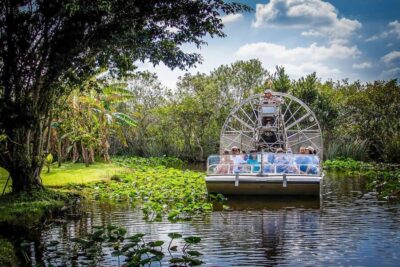
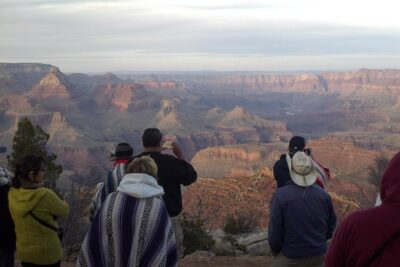
3 Hour Off-Road Sunset Safari to Grand Canyon with Entrance Gate Detour
Read our review →
Off the Beaten Path Ketchikan Photo Safari – 3 hr.
Read our review →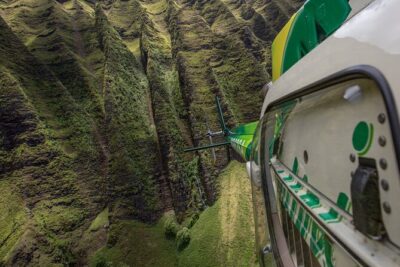
Kauai Deluxe Waterfall Safari: Helicopter Tour
Read our review →
Big Island, Hawaii: Volcanoes National Park Safari
Read our review →
3 Hour Back-Road Safari to Grand Canyon with Entrance Gate By-Pass at 9:30 am
Read our review →Browse the lists this tour appears in