Reviewed · TICKETS
San Francisco: California Academy of Sciences Entry Ticket
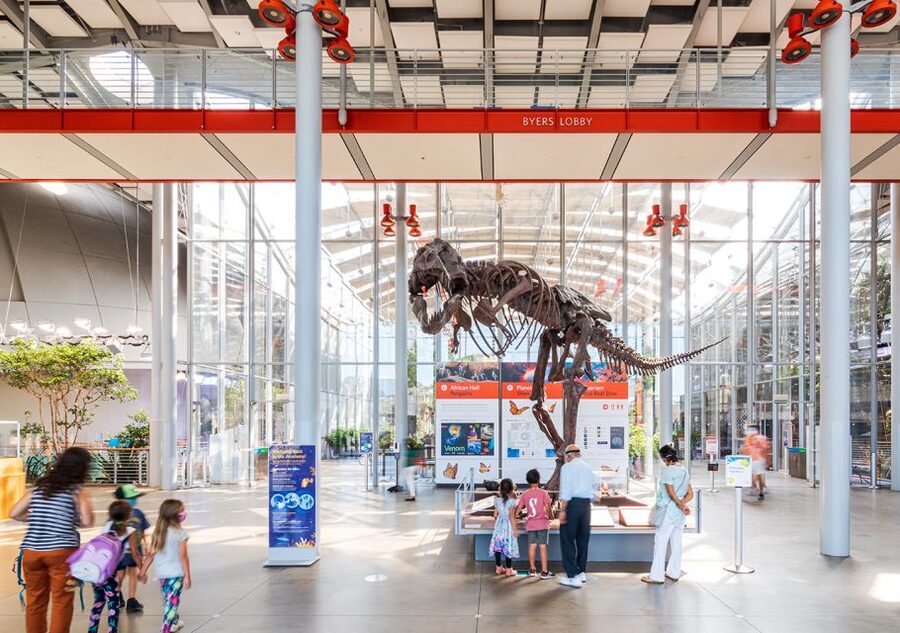
Golden Gate Park has a whole science world. The California Academy of Sciences packs the aquarium and rainforest into a single admission, so you can bounce between animals, science labs, and big-screen shows without ticket juggling.
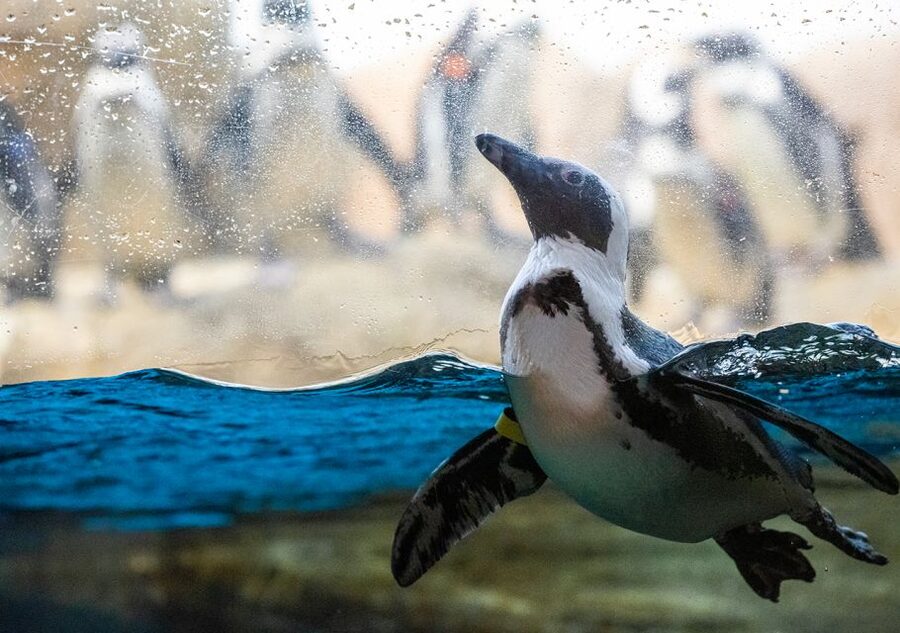
I especially like two things: the chance to meet nearly 60,000 live animals in the indoor reef, and the fact that penguin time in African Hall is built into the flow of your visit.
One watch-out: it is a popular, big place, so the most in-demand slot, the Morrison Planetarium, can sell out, and kids under 4 cannot enter the Planetarium. Build your day around the planetarium first, then everything else fits around it.
In This Review
- Key things to know before you go
- First Stop: Arriving in Golden Gate Park and Getting Your Bearings
- The Living Indoor Reef: The Aquarium Route That Makes the Day Click
- African Hall Penguins: The One Zone Kids Usually Want Again
- Morrison Planetarium: Big-Screen Science and How to Pick the Right Show
- Four Stories of Rainforest Life: Birds, Reptiles, Amphibians, and Quiet Wonder
- Naturalist Center Hands On: Specimens and Activities That Keep Minds Moving
- Living Roof and Wander Woods: Fresh Air Science With SF Views
- Tiny Chef, Big Impact: A Seasonal Planetarium Film Plus a Mini-Exhibit
- Price Value Check: What $49 Gets You, and Where Costs Can Sneak In
- Timing Your Day: How Long You Actually Need
- Who Should Book This Ticket?
- Should You Book This San Francisco Academy of Sciences Ticket?
Key things to know before you go
- The indoor coral reef is the main character with nearly 60,000 live animals and more than 1,000 species represented
- Plan for at least one planetarium show in the 75-foot Morrison Planetarium, with themes that change throughout the day
- Rainforest dome is four stories of living habitat with free-flying birds plus reptiles and amphibians
- Naturalist Center is made for hands-on science with specimens and activities for kids and adults
- Wander Woods and the 2.5-acre living roof add outdoor learning and skyline views
- Tiny Chef, Big Impact runs seasonally with a 20-minute film and mini-exhibit starting Dec 13 through Spring 2026
First Stop: Arriving in Golden Gate Park and Getting Your Bearings
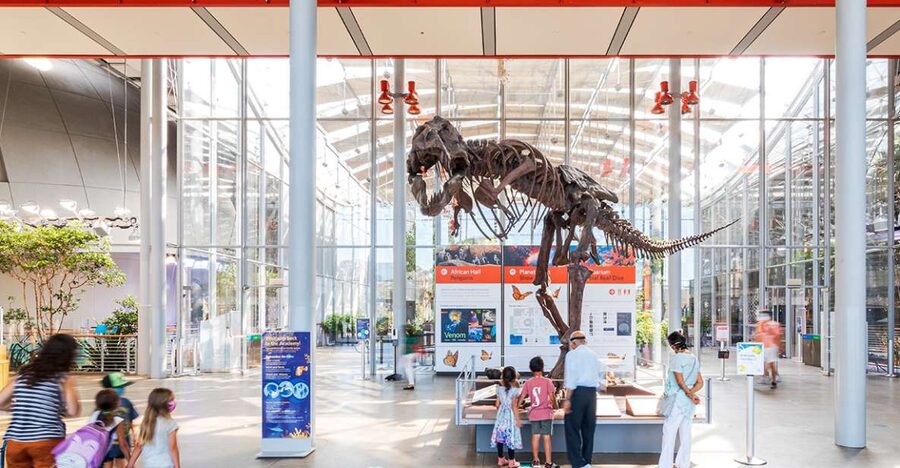
The Academy of Sciences sits right inside Golden Gate Park at 55 Music Concourse Drive. This is the kind of attraction where getting oriented early saves you time later, because you will want to hop between major zones without backtracking.
Your ticket gets you general entry plus all exhibits and shows, including Tis the Season for Science. That sounds simple, but it matters because you are not forced into a “pick one thing” strategy. In a single day, you can realistically do animal-heavy highlights and still catch at least one big show.
I like this format because it feels like a choose-your-own-adventure museum, not a one-track checklist. If you come with kids, you can follow their energy from penguins to hands-on science, then slow down for the rainforest or a planetarium seat when they need a break.
One practical note from the way the place functions: if you care most about the planetarium, make that the anchor. The Academy runs different show themes at varying times, and the Planetarium has age rules (no entry for children under 4), so schedule it before you wander too far.
Other America outings to compare
- NYC: SUMMIT One Vanderbilt Tickets
★ 4.7 · 51,195 reviews - NYC: 9/11 Memorial & Museum Timed-Entry Ticket
★ 4.8 · 31,428 reviews - NYC: Empire State Building Tickets – Observatory & Museum
★ 4.7 · 25,757 reviews
The Living Indoor Reef: The Aquarium Route That Makes the Day Click
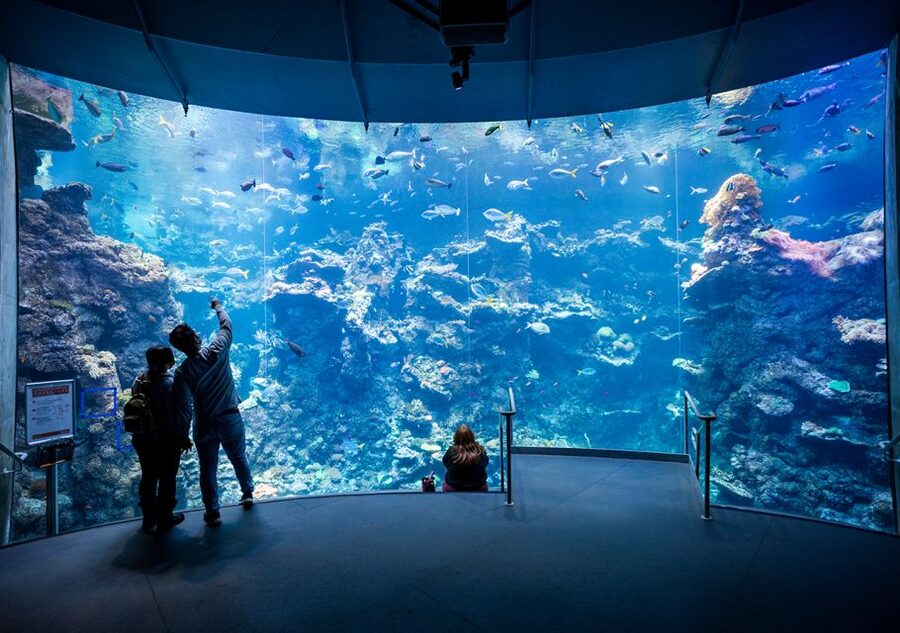
The best way to start your day is with the indoor aquarium and coral reef. This is the part of the Academy that most people feel in their gut: you walk into a living system built for close viewing, with a deep, dramatic sense of scale.
You are looking at a living reef setting described as the world’s deepest living indoor coral reef. The numbers are the point here: nearly 60,000 live animals and representation of more than 1,000 unique species. That is why this zone works even if your group is small or you do not have time to see every corner.
What I like is that the aquarium is not just “pretty tanks.” It is designed as an animal-first experience, so you can spend real time watching feeding behavior and movement without needing special tools or background knowledge.
A bonus detail you should plan for: African Hall is a highlighted stop for penguins, and the Academy includes feeding as part of the experience. It is one of those moments that turns a museum visit into a memory, and it pairs perfectly with the aquarium because the energy stays high.
If you are traveling when it is foggy or chilly, the aquarium is also a strong weather-proof choice. Even if you only get through part of the reef, you will leave feeling like you saw the “main thing.”
African Hall Penguins: The One Zone Kids Usually Want Again
African Hall is where the day often gets loud in the best way. If you have kids, penguins pull focus fast, and the Academy builds in a chance to watch them being fed.
This matters because a good museum day needs rhythm. Animal viewing gives you that constant motion and surprise, while other zones, like the rainforest or Naturalist Center, can be slower and more hands-on. Penguins act like a reset button between those styles.
The pairing with the aquarium route is smart. You are already thinking about habitats and living systems, and then African Hall gives you another habitat story with its own personality. It also helps you pace your visit. Do the penguin feeding, then switch your group from standing-staring to interactive-science mode.
My advice: if you have limited time, prioritize the penguin zone and at least one other major anchor, like the rainforest dome or planetarium. Trying to “win” by seeing everything can backfire. The Academy is big enough that chasing speed can make the best moments feel rushed.
Morrison Planetarium: Big-Screen Science and How to Pick the Right Show
The Morrison Planetarium is the Academy’s big-screen draw, with a 75-foot viewing space. You can catch the latest show as part of your ticket, and themes change at varying times throughout the day.
This is a major value point: planetarium admission is included, so once you book your entry ticket, the planetarium becomes a “schedule your one right moment” problem, not a “pay extra” problem.
One caution: children under 4 are not permitted inside the Planetarium. If you are traveling with younger kids, plan a different indoor anchor for that time window, then rotate to meet the age requirements.
How I would make the decision: pick the show that best matches your group’s energy right now. If you have restless kids, a shorter attention-friendly option can work better than a theme you personally want most. If your group loves space and astronomy, aim for the show that feels like a true crowd-pleaser for your style of sci-fan.
Also, if you can, reserve your planetarium time early. Several people noted that Planetarium slots can sell out, and it is the one area where missing the show can feel like a real letdown compared with still having the aquarium and rainforest.
Same corner of the map, another day out:
- NYC: Empire State Building Observation Deck Tickets
★ 4.7 · 22,072 reviews - NYC: Edge Observation Deck Admission Ticket
★ 4.6 · 20,918 reviews - Grand Canyon West, Hoover Dam Stop and Optional Lunch and Skywalk
★ 5.0 · 19,535 reviews - New York City: Statue of Liberty & Ellis Island with Ferry
★ 4.6 · 18,683 reviews
Four Stories of Rainforest Life: Birds, Reptiles, Amphibians, and Quiet Wonder
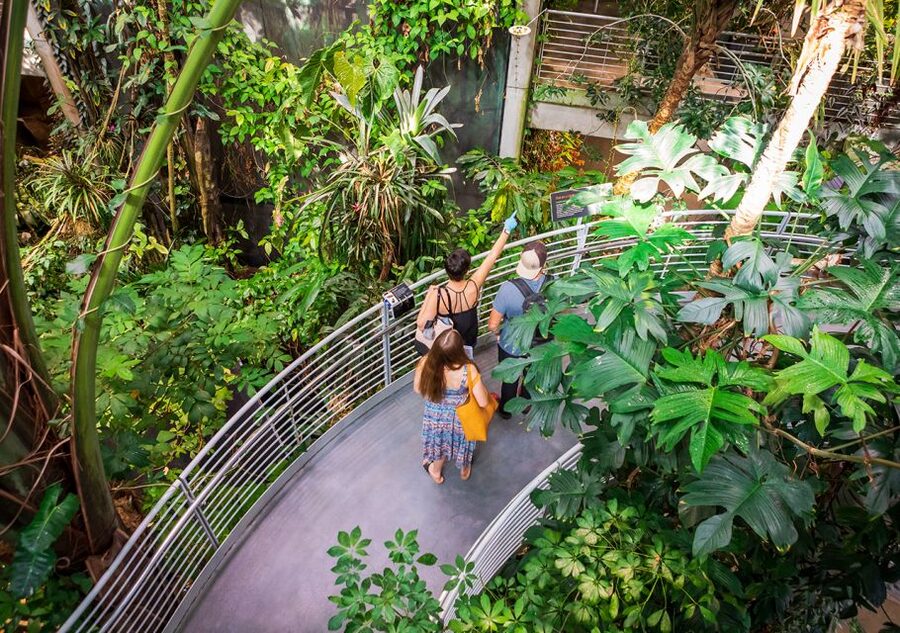
The rainforest dome is a full-on habitat experience. It is described as a lush, four-story rainforest teeming with life, and it is designed so you can move at your own pace while still feeling surrounded by nature.
Inside, you will see life like free-flying birds plus reptiles and amphibians. That combination is part of why the rainforest dome is a top draw. It is not one species, one look, one tank. It is a layered ecosystem experience, so even if you have seen animal exhibits before, this one tends to feel different.
This zone is also a great break from pure animal viewing. You can slow down and look longer, notice details, and let kids ask those questions they usually save for the car ride home. The Academy has a habit of giving you just enough structure to make your observations more meaningful.
If your group tends to run hot and sweaty, plan to take it in manageable chunks. Rainforest spaces can feel more humid, and you will want breaks anyway to keep everyone cheerful for the next stop, like the Naturalist Center or living roof.
Naturalist Center Hands On: Specimens and Activities That Keep Minds Moving
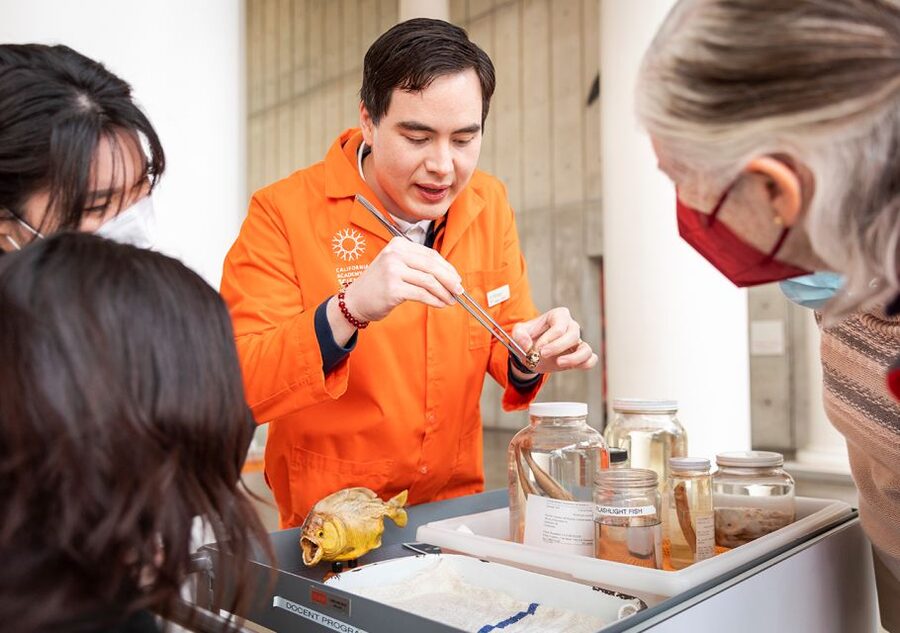
The Naturalist Center is where the Academy’s science education feels most practical. You investigate hundreds of specimens and can dabble in hands-on activities for both kids and adults.
This zone matters because it gives you more than watching. It turns the day from “look at animals” into “learn how science works,” with interaction that feels appropriate for different ages.
What I like here is that it does not rely on prior expertise. Even if you do not know a thing about taxonomy or ecosystems, you can still participate. Kids often love the tactile side of science, while adults get the satisfaction of seeing real objects and learning context.
If you are traveling with a mixed-age group, this is one of the best spots to share attention without everyone needing the same fascination at the same moment. Split tasks mentally: one person reads labels, another focuses on the activity, and you meet back up for the discoveries you all notice.
If you are trying to fit everything into one day, give the Naturalist Center time even if you think you will “skip it.” It is one of the only places where the day shifts from spectacle to participation.
Living Roof and Wander Woods: Fresh Air Science With SF Views
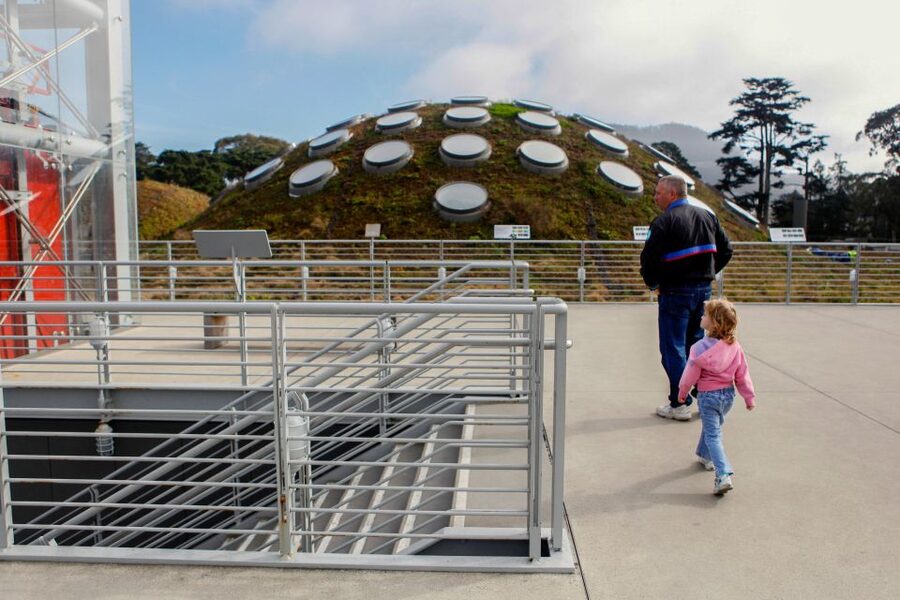
Outside time is built into the Academy experience. You get access to rooftop views on the 2.5 acre living roof, which turns the idea of “nature” into something you can see and walk around.
If you like science that connects to city life, this is a strong payoff. A living roof is not just a cute design feature. It is a way of showing how ecosystems can function even in a dense urban setting.
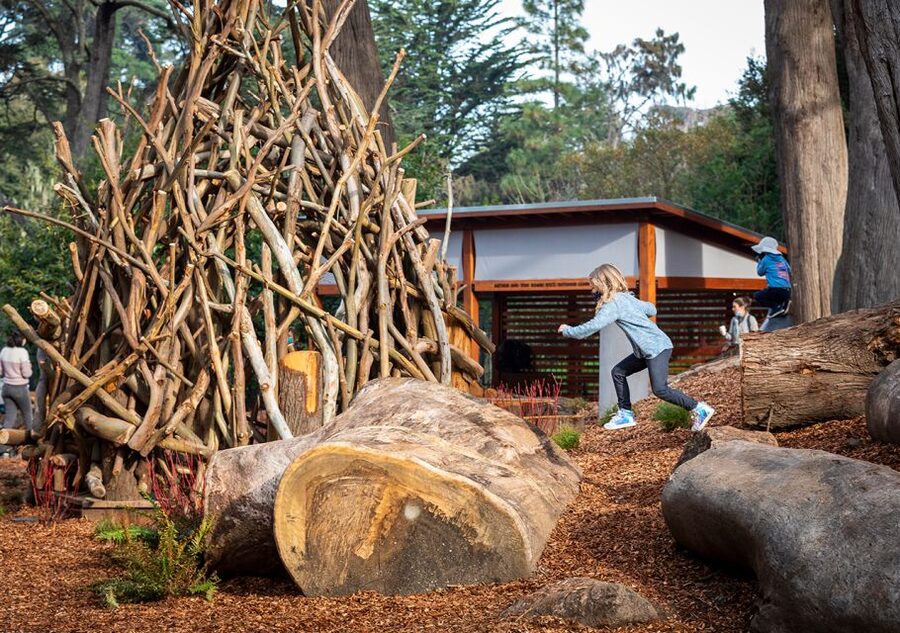
Then comes Wander Woods, an outdoor nature play and exploration space. This is the part that helps kids burn energy while staying in the Academy’s theme. It also gives you a natural reset before heading back inside for the remaining exhibits or another show.
Practical advice: plan for shoes that can handle outdoor walking, and take breaks. Even if you are not “doing much,” a full day of indoor floors plus outdoor paths can add up fast.
Tiny Chef, Big Impact: A Seasonal Planetarium Film Plus a Mini-Exhibit
If you are visiting during the Tiny Chef run, it is worth checking because it adds a modern, playful layer to the Academy’s education style. The Academy’s new exhibit is We’re going BIG on TINY, featuring a stop-motion star called Tiny Chef.
The highlight is a newly-created 20-minute film that plays on the Morrison Planetarium big screen, with the silly-but-serious message that tiny actions can make a big difference for the planet. The film and mini-exhibit open Saturday, Dec 13, and are listed as on view through Spring 2026.
This is not just a movie. There are also Tiny Chef props and a photo opportunity, plus custom merchandise. Even if you do not plan to buy anything, this kind of “world-building” helps kids remember the science message long after the film ends.
How to use this in your day plan: if your group includes kids who love pop-culture-style learning, consider choosing the planetarium time that matches the Tiny Chef film. If your group is more focused on space, you might prefer a different planetarium theme and treat Tiny Chef as your bonus stop later.
Price Value Check: What $49 Gets You, and Where Costs Can Sneak In
At about $49 per person, the value hinges on one thing: your ticket includes all exhibits and shows. That means you can use the whole day, hop zones as your group’s curiosity changes, and still keep your budget stable once you walk in.
I think this is why it often feels like a good deal for families. You are not doing a la carte pricing for the aquarium, rainforest dome, Naturalist Center, and planetarium. In one admission price, you cover the Academy’s main draws.
The main cost warning is food. Food and drinks are not included, and some people have flagged that dining prices can feel high. So if you are budgeting, plan ahead with snacks you can carry, or set expectations that you might spend more for quick meals on site.
Also remember, this is a big place. If you rush and miss the one or two biggest shows, you can end up feeling like you did not get your money’s worth. Your best strategy is simple: pick your planetarium show, then build the day around the rest.
Timing Your Day: How Long You Actually Need
A one-day pass sounds like “a few hours,” but this museum’s scale can surprise you. Many people report spending around 4 to 5 hours, even when they focused on the core highlights.
My suggestion for a smoother visit is to plan for roughly that window, especially if you want planetarium time. Start with the aquarium zone, then do penguins, shift to rainforest, and finish with Naturalist Center and outdoor areas like the living roof and Wander Woods.
If you are visiting with kids, the Academy’s layout helps. You get multiple energy styles: fast-moving animal viewing, then hands-on science, then a big show. That keeps the day from becoming one long “stand and read” slog.
If the Planetarium is sold out during the time you want, do not panic. You can still build a great day around the aquarium, penguins, rainforest dome, and Naturalist Center. The drawback is that the planetarium is the most “reservation-dependent” part, so you should treat it like the anchor, not the bonus.
Who Should Book This Ticket?
Book this if you want a science day that works for both kids and adults, with animal exhibits, hands-on learning, and big-screen shows all tied to one admission. It is also a good fit if your trip to San Francisco needs a weather-proof indoor option that still has outdoor space and views.
I would skip it if your group only wants one kind of attraction, like just planetarium or just a zoo-style walkthrough. The Academy works best when you let it be a mix.
Also consider it if you are traveling with younger kids who are under 4. Because Planetarium entry is not allowed for that age group, you will need a backup plan for that time block.
If you want the best shot at a satisfying one-day experience, reserve a planetarium slot early, then let the rest of the day flow.
Should You Book This San Francisco Academy of Sciences Ticket?
Yes, if you want maximum variety for one price. The ticket covers all exhibits and shows, and the big anchors are exactly the kind that make a short SF visit feel complete: indoor reef aquarium, penguins, four-story rainforest, hands-on Naturalist Center, outdoor living roof, and a planetarium show.
If you are the type who hates scheduling and could be frustrated by sold-out show times, adjust your expectations and be flexible on the planetarium. Plan your day with the aquarium and rainforest as your safe core, then treat the planetarium as the bonus you hope to lock in early.
Newest America reviews on the site
- Alaskan Cultural, Culinary and Lumberjack Show Experience★ 4.5 · 230 reviews
- 3 Hour Rainforest Walk & Totem Park Wild Wolf Tours★ 5.0 · 265 reviews
- Snorkel Alaska★ 5.0 · 301 reviews
- Walking Food Tour Exploring Hanalei★ 5.0 · 282 reviews
- Waimea Canyon Downhill Bike Ride★ 5.0 · 650 reviews
- Bourbon History Tour★ 5.0 · 219 reviews
- Kauai Adventure: Kayak & Hike to Secret Falls with Expert Guide★ 5.0 · 1,387 reviews
- Wailua River Kayak and Sacred Falls Guided Hike with Lunch★ 5.0 · 783 reviews
Tickets, compared.

Empire State Building Tickets – Observatory & Museum
Read our review →
Empire State Building Observation Deck Tickets
Read our review →