
Reviewed · SAN ANTONIO TOURS
San Antonio: UNESCO World Heritage Missions Tour
Four missions and one UNESCO story.
This guided, half-day San Antonio tour mixes Mission San José and Mission Concepción with striking Spanish-Moorish silhouettes, then adds the real-life engineering of the Espada Aqueduct and Acequia system. You also get a Rose Window moment and time for the award-winning film Gente de Razon. The only real drawback to plan around is that food and drinks are not included, so you will want to think ahead for comfort, especially in warm weather.
What makes this work well is the flow: narration on the ride, guided time inside key sites, and built-in chances to wander on your own. Guides such as Domingo and Alex stand out in the reviews for balancing clear explanations with enough freedom to explore at your pace, including time at the San Antonio Missions National Historical Park Visitor Center.
In This Review
- Key points before you go
- Where this UNESCO Missions tour fits in your San Antonio day
- Mission San José: where the tour starts to make sense
- Mission Concepción: frescoes, the Rose Window, and visual storytelling
- Mission San Juan: balancing guided time with your own pacing
- Mission Riverwalk Hike and Bike Trail: birds, wildlife, and a break from pure sightseeing
- Visitor Center + Gente de Razon: why this film stop matters
- Espada Aqueduct and Acequia: the mission that still runs
- Guides, narration, and how the tour stays easy to follow
- Price and value: why $65 can work even if you only have a half-day
- Who this tour suits best (and who might want a different plan)
- Should you book the San Antonio Missions UNESCO tour?
- FAQ
- Which missions and sights are included?
- How long is the tour?
- Is food or drinks included?
- Do I get hotel pickup and drop-off?
- Is the tour wheelchair accessible, and what should I bring?
- What is the cancellation policy?
Key points before you go
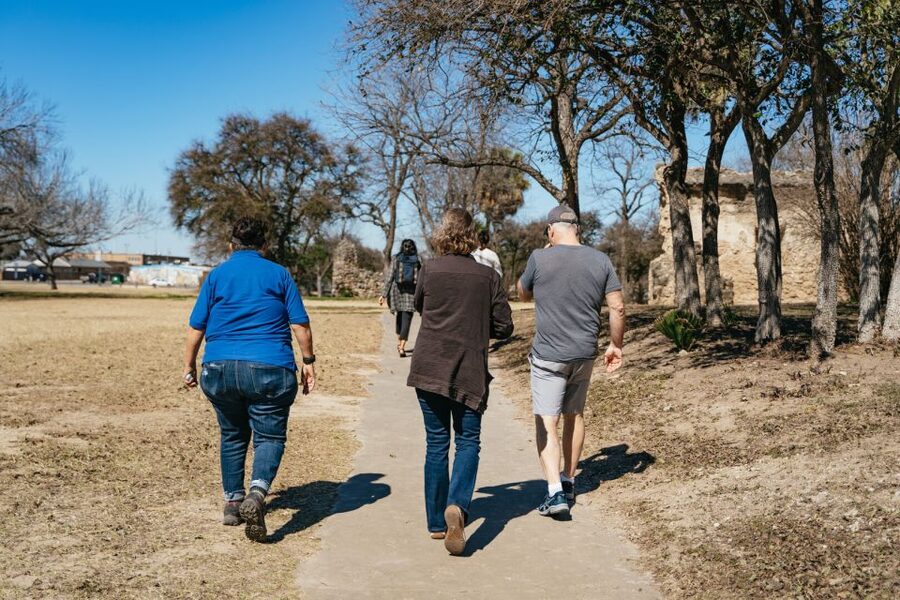
- UNESCO World Heritage focus on four Spanish Missions, including Mission San José, Mission Concepción, Mission San Juan, and Mission San Francisco de Espada.
- Mission silhouettes with Spanish and Moorish-influenced details, with time to spot architectural standouts like the Rose Window.
- Film plus on-site context through the award-winning Gente de Razon viewing and the Visitor Center stop.
- Mission Riverwalk Hike and Bike Trail time for birds and wildlife, not just buildings and plaques.
- Espada Aqueduct and Acequia still used today, so the site feels practical, not just historical.
- Smaller-group feel when schedules line up, which can make questions easier and the pace calmer.
Where this UNESCO Missions tour fits in your San Antonio day
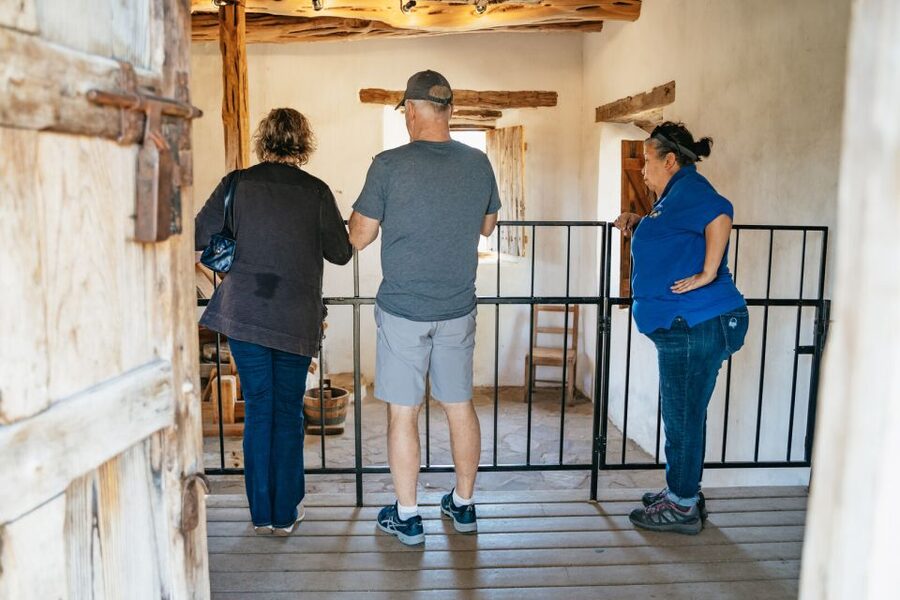
San Antonio can be intense if you stack too many plans. This one is built for “see the important stuff without burning your whole day.” At 210 minutes, you are getting a guided sweep through the San Antonio Missions National Historical Park sites, plus time to look around and absorb what you’re seeing, not just ride past it.
I like the structure because it targets several kinds of learning at once. You get the big visuals (mission architecture, frescoes, and the Rose Window), the cultural layer (Spanish mission life and the meaning behind the buildings), and the practical layer (the irrigation system that is still operating). That matters because the missions are not only pretty church walls. They were an entire system for religion, farming, community life, and water control in South Texas.
The itinerary also keeps you moving but not sprinting. You travel between missions by van, then switch modes on-site, with guidance first and then time to explore. That combination is a big deal if you want your day to feel organized, especially if it’s your first time in San Antonio.
Other San Antonio outings to compare
- San Antonio Missions UNESCO World Heritage Sites Tour
★ 4.5 · 918 reviews - San Antonio Haunted History Ghost Tour
★ 4.5 · 771 reviews - New York City: American Museum of Natural History Ticket
★ 4.5 · 15,447 reviews
Mission San José: where the tour starts to make sense
Mission San José is one of the most emotionally satisfying stops because it helps you understand why these places became so meaningful in the first place. The tour is set up to start with the oldest sites, and San José does that job well. It is a strong “first mission” because you can connect the architectural look to the Spanish mission purpose right away.
Once you arrive, you typically start with guided orientation. That helps you notice things you would otherwise miss. Instead of wandering through thinking, What am I supposed to see?, you get a framework for the mission layout, the idea of mission life, and why the site survived while so much else changed across centuries.
Then comes the part that I think is the secret sauce: you get time to explore on your own. That matters because missions reward a slower look. You might linger on the details of Spanish design, or take your time reading interpretive boards. If you like photos, you can also use the self-guided portion to find good angles against the South Texas sky, where the mission silhouettes become part of the viewing experience.
A practical note: wear comfortable shoes. These sites involve walking and uneven surfaces. One of the recurring themes in the tour experience is that guides help with logistics like pointing out where to go first, and it makes your time inside feel more efficient.
Mission Concepción: frescoes, the Rose Window, and visual storytelling
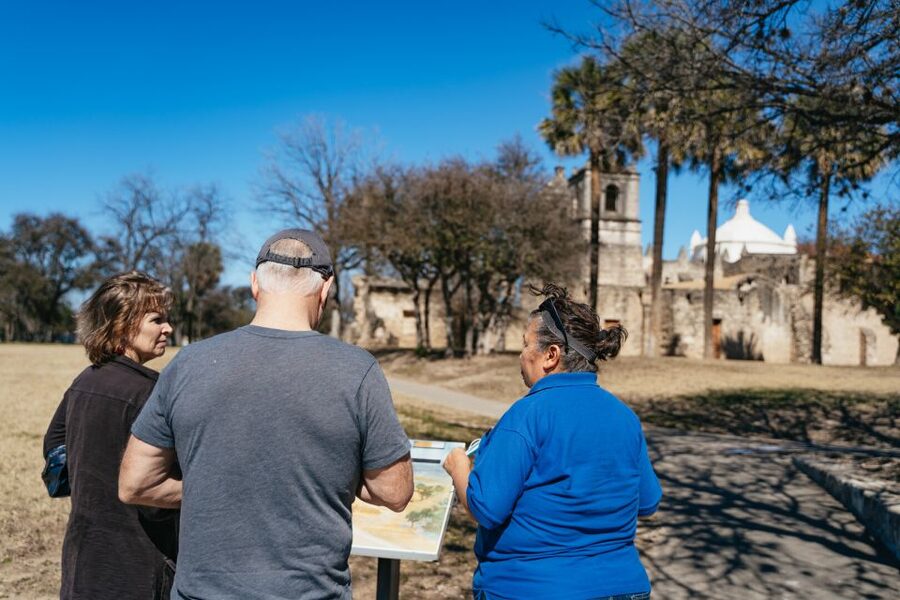
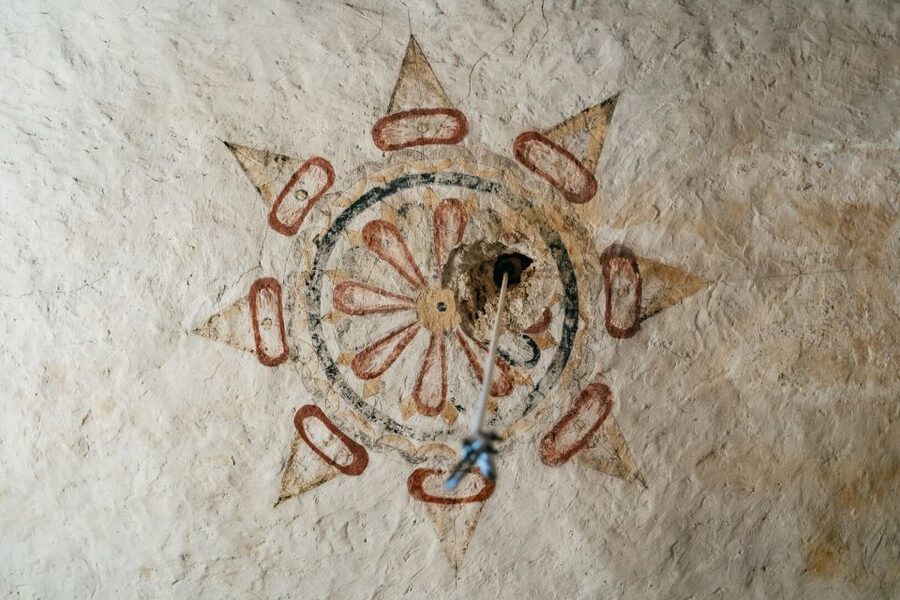
Mission Concepción is where the tour turns more visually dramatic. The highlights call out original frescoes here, and that is exactly the kind of detail that makes a guided stop worth the ticket price. Frescoes can look like art you pass by quickly, but with context you start noticing the preservation, the themes, and the way the space is meant to be viewed.
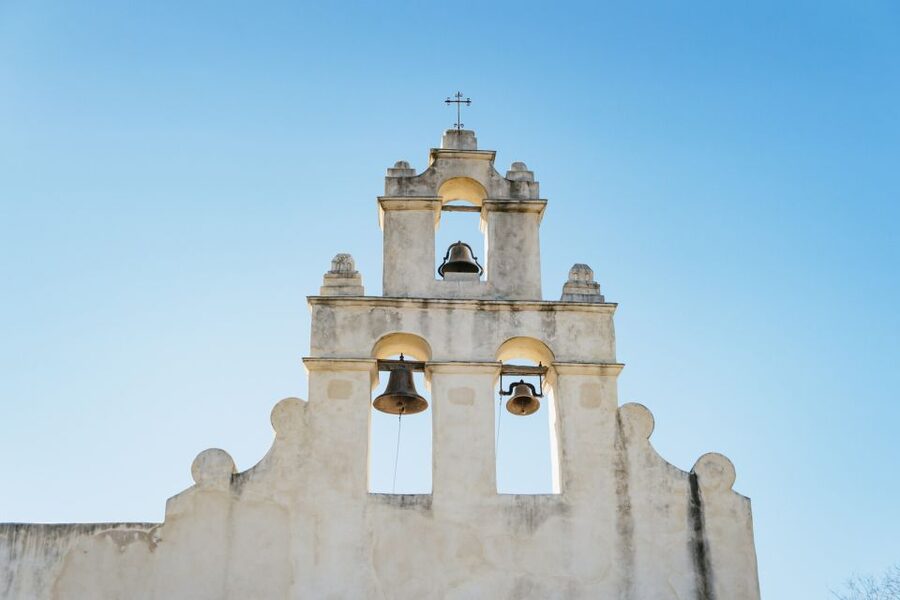
You are also looking for architecture that blends styles. The tour emphasizes silhouettes with Spanish and Moorish-influenced design. When you line up the view against the sky, those elements become easier to recognize, and that is a big part of the magic people talk about.
The Rose Window is another key moment. Even if you are not a serious architecture person, a distinctive baroque-style feature catches your eye fast. Seeing it in person changes how you understand the missions. It stops being just “old church buildings” and becomes a living example of design choices, artistic influences, and craftsmanship.
The other thing I like about Mission Concepción as a stop is that it supports a different learning style. If you enjoy images and visual proof, the frescoes do that. If you prefer stories and explanations, the guided narration around the site’s meaning helps you connect the art to the mission’s role in community life.
Mission San Juan: balancing guided time with your own pacing
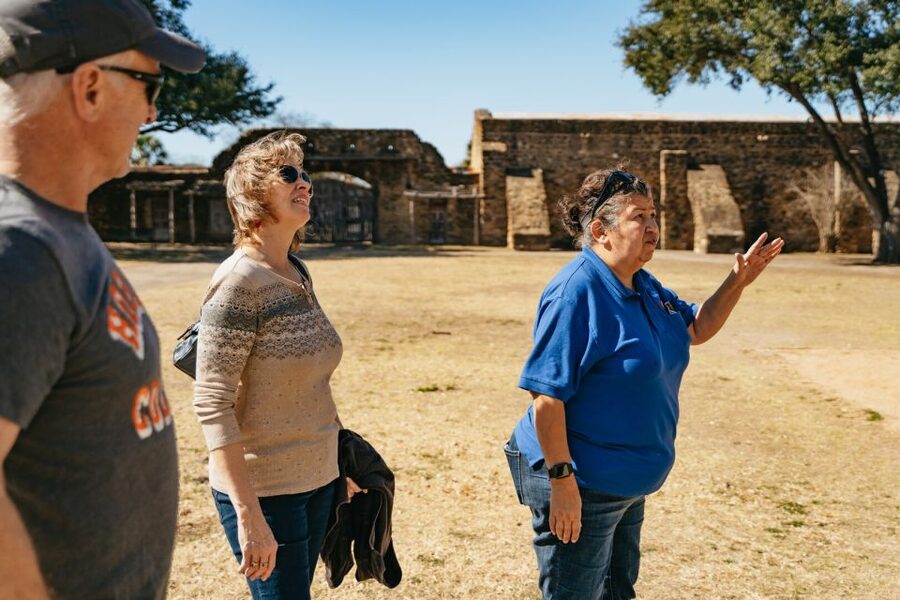
The tour includes Mission San Juan as part of the core mission sequence. This is an important stop because it gives you contrast. After seeing San José and Concepción, you start comparing. You can notice differences in layout, details, and how each mission communicates its identity through architecture.
What makes San Juan especially useful on a short 210-minute tour is the balance between guide-led explanation and independent exploration. In the reviews, the best comments consistently mention that guides provide information while traveling, then give enough time at each mission for you to wander, read boards, and ask questions.
That approach makes sense. You do not want a rush-through where everything feels like a checkbox. You also do not want to be completely on your own with no context, because you might miss why the site matters. The tour’s pacing is built to solve that.
If you are the type who enjoys taking your time with photos, this portion is where you can slow down a bit. Use the self-guided window to frame the mission against the sky and watch how the architecture reads from different angles.
One consideration: the time is fixed. A longer wander would be nice in a perfect world, but on a half-day tour, you will spend your time where the guided value is highest.
Same corner of the map, another day out:
- The Haunted Ghost Bus Tour in San Antonio
★ 4.5 · 971 reviews - San Antonio Premium City Tour with Alamo & River Walk Cruise
★ 4.5 · 943 reviews - Bulverde: Saturday Night Rodeo General Admission Ticket
★ 4.8 · 630 reviews - San Antonio: River Walk Cruise Ticket
★ 4.6 · 577 reviews
Mission Riverwalk Hike and Bike Trail: birds, wildlife, and a break from pure sightseeing
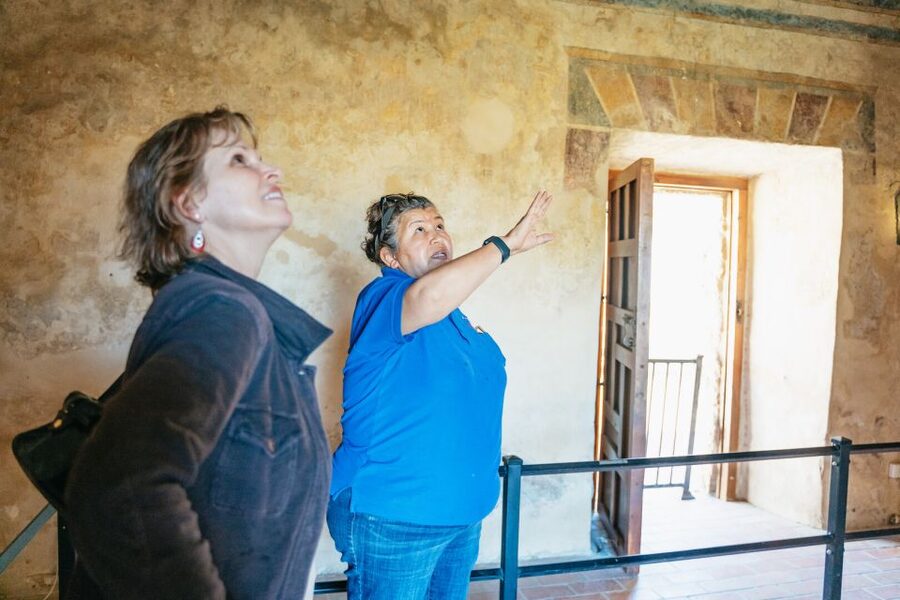
A half-day can feel exhausting when it is all interiors and static views. This tour adds a nature component through time along the Mission Riverwalk Hike and Bike Trail. The tour specifically notes birds and wildlife sightings.
That small slice of outdoor time does a few smart things for you. It lets you cool down mentally, not just physically. It breaks up the pattern of walking mission to mission. And it reminds you these sites were never meant to be isolated monuments. They existed in a working environment shaped by water, agriculture, and daily movement.
If you like easy walking and you want your day to feel more rounded, this is one of the parts that adds breathing room. Just remember the practical basics: comfortable clothes and shoes. Even a short nature segment can become longer than you expect if you stop for photos or if birds are active.
Also, if you are sensitive to sun, plan your timing. You will be looking at open sky views as you follow the mission silhouettes, so a hat and sunscreen are smart even if the day starts cloudy.
Visitor Center + Gente de Razon: why this film stop matters
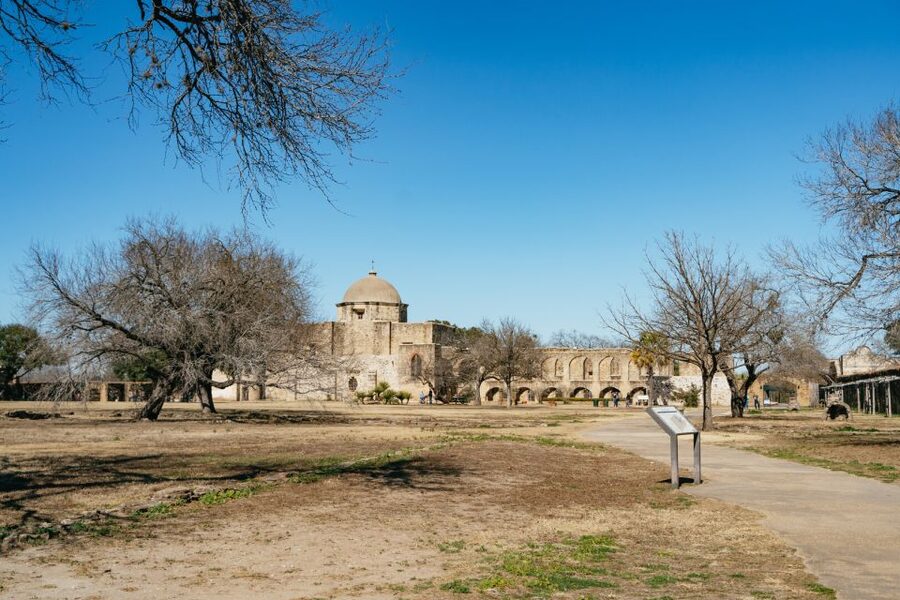
The tour does not only teach with buildings. It also teaches with a story about people. You visit the San Antonio Missions National Historical Park Visitor Center and you view the award-winning film Gente de Razon.
I’m a fan of this kind of stop because it gives the tour something your brain can organize. After you’ve seen architecture, you want a narrative thread that connects what you just walked through to what the missions meant to real families and communities over time. The Visitor Center is built for that kind of orientation, and the film reinforces it.
The benefit to you is simple: without context, missions can blur together. With a film and interpretive guidance, the same buildings start to feel like chapters in one larger story. The result is that your pictures come with mental captions, not just visual memories.
If you prefer learning through stories rather than facts alone, the film portion is the kind of thing that tends to make the tour click. It also gives you a seated break when you need one, and on a 210-minute schedule, those breaks can make the difference between a great day and a tiring one.
Espada Aqueduct and Acequia: the mission that still runs
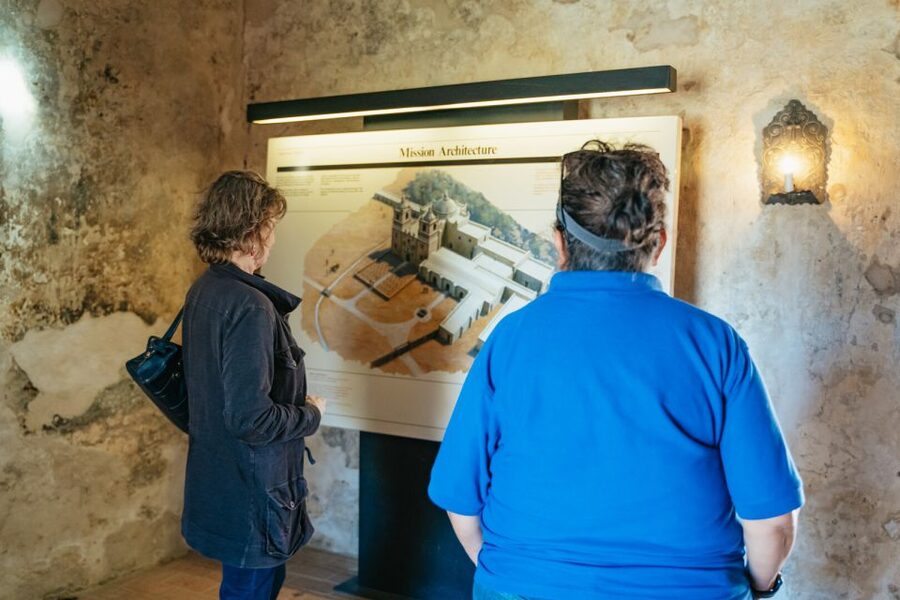
The Espada Aqueduct and Acequia stop is one of the most practical and memorable parts of the entire experience. The highlights and description emphasize that this is one of the nation’s oldest and longest-running irrigation systems, and that the dam and aqueduct are still in use today.
That detail changes the way you experience the missions. Instead of viewing the sites as solely religious buildings, you see them as part of a working system that supported farming and daily life. Water management is not a side note here. It is core to why communities could survive and grow.
When you watch the irrigation system in action, even if only by observing it visually, you get a new kind of appreciation. This stop connects the past to the present in a way that is easier to feel than many “historical” sites. It is the kind of place where you can stand there, look at the structure, and understand how engineering supports community life.
Also, this is a strong photo subject. The aqueduct and surrounding environment offer lines, angles, and textures that feel different from the mission facades. If you love architecture, it gives you a new category to appreciate.
Guides, narration, and how the tour stays easy to follow
A guided half-day lives or dies on communication. The reviews are consistent about the experience being smooth, and especially about the guides. Domingo and Alex get named repeatedly for providing clear explanations, answering questions, and keeping the pacing steady.
In practical terms, what I think you should look for in a tour like this is a guide who can do three things:
1) Explain the big story as you travel between sites
2) Help you know what to focus on once you arrive
3) Still leave breathing room for you to explore
Based on the feedback, that balance is what makes the difference. You are not stuck waiting in a group with no direction, and you are not floating with no context.
You may also notice guides taking care of small on-the-ground needs, like pointing out restroom locations and offering tips for making the most of your time at each mission. Those details matter because they keep you from spending your limited visit time guessing.
Group size can vary by day. On some dates, people report feeling like it was close to a private experience. When the group is small, questions come easier and the guide can answer at the depth you want.
Price and value: why $65 can work even if you only have a half-day
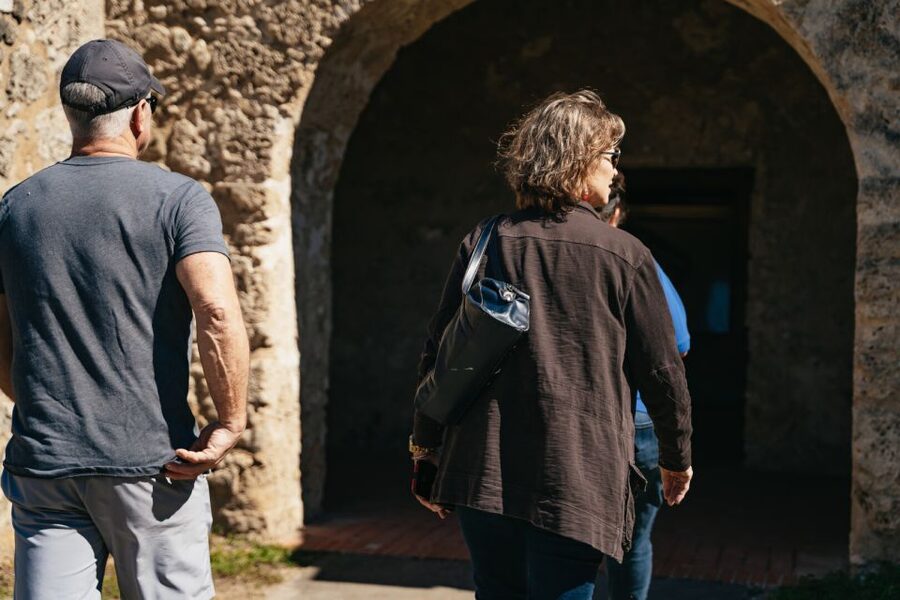
At $65 per person for 210 minutes, this tour is not trying to be the cheapest way to see missions. It is also not priced like a luxury experience. For the money, you are paying for two main things: expert guidance and the “time value” of getting to multiple sites efficiently.
Here’s the value calculation that makes sense:
- You cover multiple major mission stops in one visit, which reduces the cost and hassle of figuring out routes and timing on your own.
- You get guided narration plus recorded elements, so the information keeps coming even while you are traveling.
- You also get included access to the Visitor Center stop and the film viewing, so you are not only paying for exterior sightseeing.
And then there is the hidden value: missions can be hard to understand without context. If you love history or architecture, a guide helps you notice meaning in details that you would otherwise overlook. That is where $65 turns into something more than “transportation plus entry.”
Drawback to keep in mind: because food and drinks are not included, you will want to budget for that separately. If you arrive hungry, your comfort can take a hit, especially if it is warm. Add a snack and water plan, and the price starts to feel fair.
Who this tour suits best (and who might want a different plan)
This UNESCO Mission tour is a strong match if you:
- Want to see the main San Antonio Missions UNESCO sites in a short time
- Like a guided explanation but also want time to wander and take photos
- Prefer an organized plan that handles the story thread for you
It may not be perfect if you:
- Want a long, slow, detailed study session at each mission. On a half-day schedule, you will have to choose where you slow down.
- Need food included in the ticket. Since food and drinks are not included, plan your own break.
If you enjoy structured city sightseeing with real context, this fits neatly into a first visit. If you are already deep in mission research and want to spend hours inside each site, you might supplement with self-guided time afterward.
Should you book the San Antonio Missions UNESCO tour?
I’d book this tour if you want the biggest impact from a limited amount of time. The combination of mission architecture, frescoes, the Rose Window, and the Espada Aqueduct and Acequia still in use gives you multiple angles on what the missions represent. Add the Visitor Center and Gente de Razon film, and you walk away with something you can actually explain, not just pictures.
I would pause and plan extra snacks if you know you get hungry easily. Also bring comfortable shoes and be ready for a fair amount of walking in and around the sites.
If you want a guided, well-paced half-day that covers the essentials of the UNESCO missions without turning your schedule into a puzzle, this is a solid choice.
FAQ
Which missions and sights are included?
You’ll visit Mission San José, Mission Concepción, Mission San Juan, and Mission San Francisco de Espada. The tour also includes time at the San Antonio Missions National Historical Park Visitor Center, viewing original frescoes at Mission Concepción, and the Espada Aqueduct and Acequia irrigation system.
How long is the tour?
The duration is 210 minutes.
Is food or drinks included?
No. Food and drinks are not included.
Do I get hotel pickup and drop-off?
Yes. The tour includes hotel pickup and drop-off at downtown area hotels, with pickup beginning 30 minutes prior to departure.
Is the tour wheelchair accessible, and what should I bring?
The tour is wheelchair accessible. You should bring comfortable shoes and comfortable clothes.
What is the cancellation policy?
You can cancel up to 24 hours in advance for a full refund.
Newest San Antonio reviews on the site
- Bulverde: Saturday Night Rodeo General Admission Ticket★ 4.8 · 630 reviews
- San Antonio: Hopscotch Immersive Art Experience Ticket★ 4.7 · 333 reviews
- San Antonio: River Walk Cruise Ticket★ 4.6 · 577 reviews
- San Antonio Premium City Tour with Alamo & River Walk Cruise★ 4.5 · 943 reviews
- San Antonio Haunted History Ghost Tour★ 4.5 · 771 reviews
- The Haunted Ghost Bus Tour in San Antonio★ 4.5 · 971 reviews
- San Antonio Missions UNESCO World Heritage Sites Tour★ 4.5 · 918 reviews
San Antonio Tours, compared.
San Antonio Premium City Tour with Alamo & River Walk Cruise
Read our review →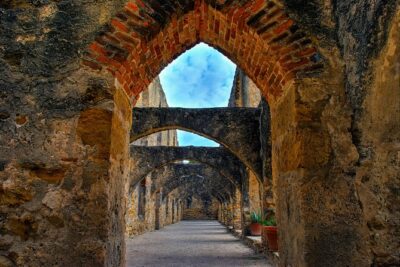
San Antonio Missions UNESCO World Heritage Sites Tour
Read our review →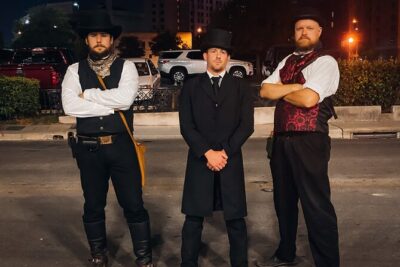

Bulverde: Saturday Night Rodeo General Admission Ticket
Read our review →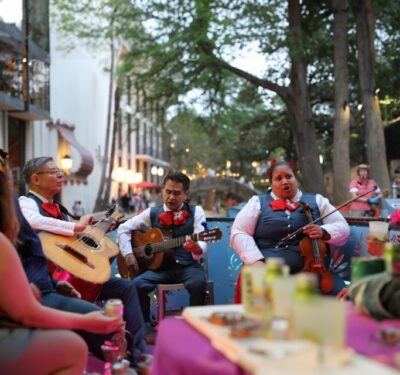

San Antonio: Hopscotch Immersive Art Experience Ticket
Read our review →Browse the lists this tour appears in