
Reviewed · TICKETS
NYC: The Frick Collection Entry Ticket
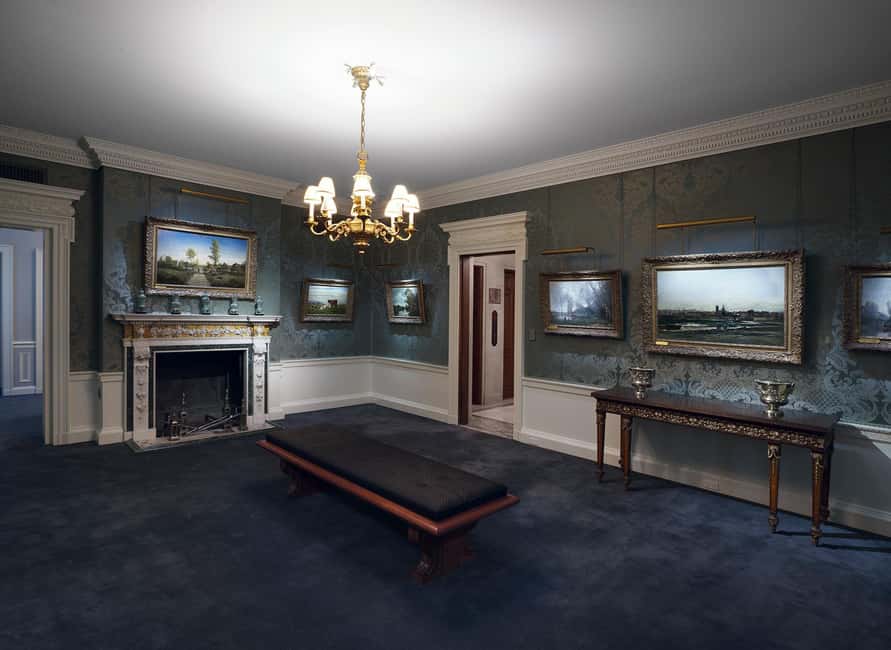
The Frick is a mansion-made for art. With the museum reopening on April 17, 2025 after a major renovation, you get a fresh look at the Fifth Avenue home and its reinspired galleries. I love the intimate house setting, and I love the Renaissance to late 1800s sweep across paintings, sculpture, and decorative arts.
One possible drawback is how strict the rules feel in practice: no photography inside the galleries and no liquids or bottles in the galleries, so you need to plan what you bring.
In This Review
- Key highlights worth planning for
- Why the Frick feels different from other Fifth Avenue museum stops
- The smartest way to use timed entry in New York
- First-floor focus: masterworks in restored galleries
- Second-floor bonus: smaller works, sculpture, and decorative objects
- The Frick’s rules that affect what you bring
- How long to plan, and how to pace yourself inside
- Audio, staff, and the human touch you will notice
- Garden pauses, atrium moments, and why breaks matter
- Value check: does $30 feel fair for what you get?
- Who should book this Frick ticket, and who should skip it
- Should you book?
- FAQ
- How much does the NYC Frick Collection entry ticket cost?
- How long is this ticket valid for?
- Do I need to print a ticket?
- Does this ticket help you avoid waiting at the door?
- Can I take photos inside the museum galleries?
- Are liquids or bottles allowed in the galleries?
- Are children allowed?
Key highlights worth planning for
- A reopened museum in a historic home, with restored rooms on the first floor and more art on the second floor
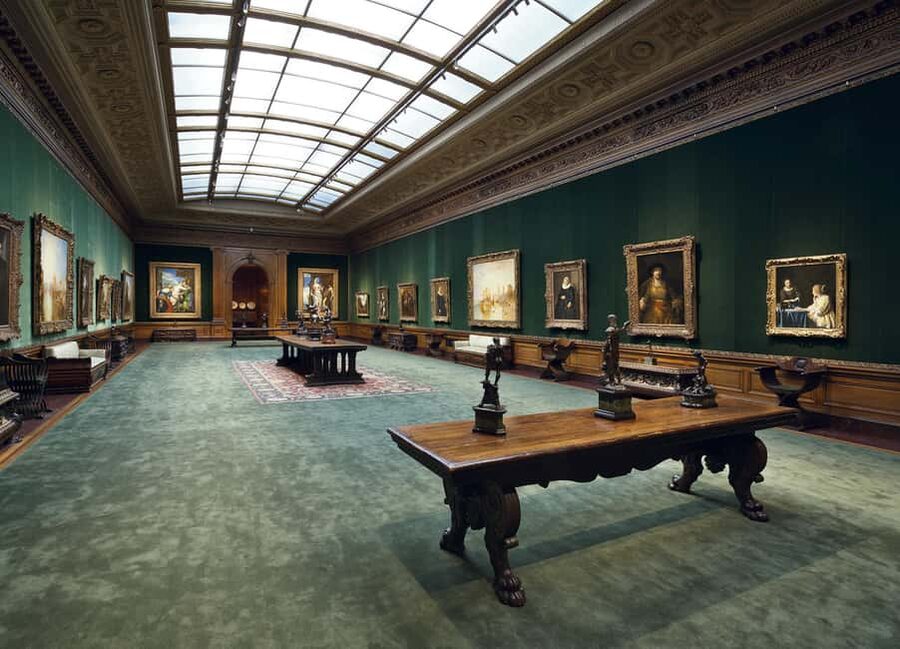
- Masterworks back in place on the first floor, including celebrated names like Bellini, Rembrandt, and Vermeer
- Smaller-scale works spread across a newly opened second floor, from paintings to sculpture and decorative objects
- Skip-the-line entry with a mobile ticket, using timed starting times so you do not waste time at the front
- Photo and bag rules that shape your visit, especially no liquids in galleries and no photos beyond the lobby
Why the Frick feels different from other Fifth Avenue museum stops

The Frick is not trying to be huge. It is a refined Fifth Avenue mansion that turns European fine art into something you can see at human scale, room by room.
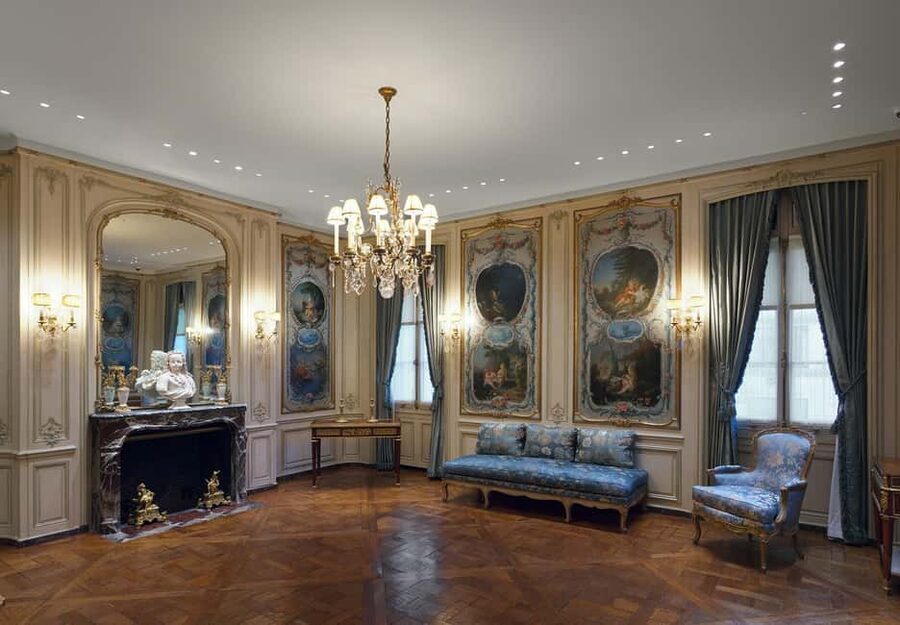
The reopening matters because the museum is still organized as house plus collection, but with more breathing room in its layout. You enter to restored galleries on the first floor and then move upward for additional works on a newly opened second floor, so your eyes get a change of pace.
If you care about the feeling of seeing art in the company of architecture, this place does that well. And if you like a focused time period, the collection is built around European work from the Renaissance through the late nineteenth century.
Other New York City outings to compare
- NYC: SUMMIT One Vanderbilt Tickets
★ 4.7 · 51,195 reviews - NYC: 9/11 Memorial & Museum Timed-Entry Ticket
★ 4.8 · 31,428 reviews - NYC: Empire State Building Tickets – Observatory & Museum
★ 4.7 · 25,757 reviews
The smartest way to use timed entry in New York
Your ticket is valid for 1 day and tied to starting times. That is the big practical advantage. You present your mobile ticket and go in, rather than spending your precious time waiting in a long line.
Still, do not treat a timed ticket as a guarantee that the entrance area will be empty. On busy days, you can run into congestion near security and check-in, so I would build in a little buffer.
Also note the visit is not kid-friendly. Children 10 and under are not permitted, so if you are traveling with younger kids, the Frick is simply not the right match.
Plan how long you want to be inside. One of the nice things about a smaller museum is that you can see everything if you move quickly, but you can also linger and still feel like you are making progress.
First-floor focus: masterworks in restored galleries
The first floor is where you get the headline experience. This level is designed for the Frick’s iconic works, installed again in restored galleries as part of the reopening.
Here is where you should expect some of the biggest names connected to the collection, including Bellini, Rembrandt, and Vermeer. Even if you only know a couple of artists, seeing them in the same building and within a coherent sequence can feel more satisfying than jumping between unrelated blocks of museum space.
A practical tip: as you move from room to room, pause for a full minute before you start scanning. The Frick is the kind of place where a slow look reads better than a speed run. The building itself helps you settle in.
If you like European painting for its craft, this is also a place to notice details you might normally miss in a museum crowd. Brushwork, color, and lighting effects often feel clearer when the room size stays manageable.
Second-floor bonus: smaller works, sculpture, and decorative objects
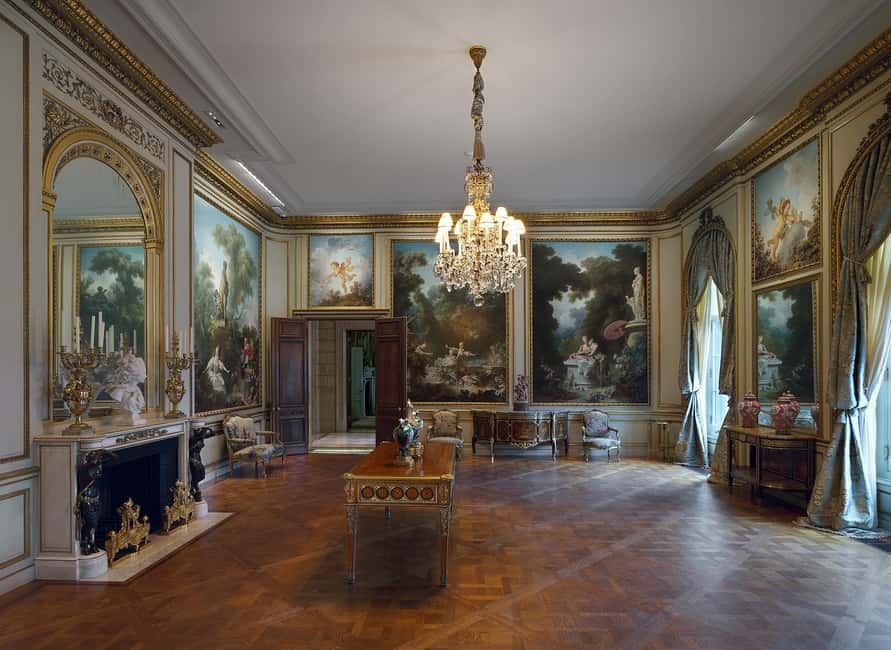
The second floor is where the museum expands your sense of the collection beyond the biggest paintings. After the renovation, smaller-scale paintings, sculpture, and decorative objects are displayed throughout this newly opened level.
This is valuable because it gives you a fuller picture of what collectors and patrons cared about in their homes. You are not only seeing standalone artworks. You are seeing how objects and styles made their way into daily life, taste, and status.
You should treat the second floor as a change in pace, not a checklist. If you go up expecting one more room of paintings, you might miss the fun of how decorative arts can complement fine art viewing.
Same corner of the map, another day out:
- NYC: Empire State Building Observation Deck Tickets
★ 4.7 · 22,072 reviews - New York City: Statue of Liberty & Ellis Island with Ferry
★ 4.6 · 18,683 reviews - New York City: American Museum of Natural History Ticket
★ 4.5 · 15,447 reviews - Statue of Liberty and Ellis Island Tour: All Options
★ 5.0 · 13,571 reviews
The Frick’s rules that affect what you bring
The museum is strict about in-gallery behavior, and that shapes the logistics of your visit. Two rules matter most day-of: no liquids or bottles in the galleries, and photography is not allowed inside the museum galleries.
That can be a culture shock if you are used to other big-city museums where no-flash photos are common. Here, your phone becomes a tool you might use less, which can actually help you focus, but you should know it ahead of time.
Bags and size also matter. Luggage or large bags are not allowed, and oversized items must be left in the coat check. So if you are carrying a bigger daypack or anything that can get flagged as oversized, plan to travel light.
A good mindset is to treat the galleries like a quiet library. Bring what you need, leave what you do not, and accept that the museum wants you to keep hands and items under control.
How long to plan, and how to pace yourself inside
You can cover all rooms in about an hour if you are the type who keeps moving and you are not inclined to linger. But this is not a museum where you need to sprint, and the reopening’s layout encourages you to take a longer, more paced route.
Some people feel the experience is pleasantly not crowded, while other moments can feel busier, especially in transition areas. That is partly why timed entry helps, even if it does not remove every bottleneck.
If you want the best flow, use a simple two-part rhythm. Spend your first chunk on the first-floor restored galleries with masterworks. Then switch to the second floor for the smaller works and decorative objects, where your brain gets a different kind of payoff.
Also, take advantage of the museum’s audio. Audio is described as free, and it is one of the ways you can get more context without standing there reading every placard.
Audio, staff, and the human touch you will notice
The Frick experience often feels guided, even when you are not on a formal tour. Staff and guards are positioned throughout and can be helpful with practical directions and art context.
In a smaller museum, that human support matters. If you want to ask a question about what you are seeing, you are more likely to get a real answer because there is less noise and less rushing between rooms.
Audio also helps you avoid the phone trap some museums create. The best scenario is that you use audio to understand what you are looking at, then look again without needing constant screen time.
The overall vibe tends to be well run. Reviews point to helpful staff and a smooth entry experience once you are past the front desk.
Garden pauses, atrium moments, and why breaks matter
Do not treat the museum as only indoor art. There is a garden space where you can sit and reset. Some visitors specifically mention Russell Page’s garden being restored, even if it was snow-covered at the time of their visit.
That kind of stop is underrated. The Frick is concentrated, and a short outdoor break can make your indoor viewing feel fresher when you go back in.
The atrium can also be a highlight space. One review notes a concert in the atrium, and that is a good reminder that the building is not only for still images. If you happen to catch a special moment there, it can add a different layer to the day.
Value check: does $30 feel fair for what you get?
At about $30 per person, this ticket can feel like good value if you care about European art and you want quality over size.
The Frick is not trying to beat you with square footage. It is built around a particular collecting idea, then housed in a mansion that turns every viewing room into part of the presentation. That density of high-impact works is one reason people say it feels worth the time and money.
Also, skip-the-ticket-line entry is not just convenience. In New York, time is the hidden cost. When you arrive with timed entry and a mobile ticket, you reduce stress at the front end and can focus on the art when you walk in.
If you want a full day plan, budget some extra spend for the cafe. The cafe gets described as good, but also pricey, which is a pretty honest New York reality.
Who should book this Frick ticket, and who should skip it
Book this if you want a high-quality European art visit that feels personal. You will likely love the Renaissance to late 1800s focus, the restored first-floor galleries, and the second-floor expansion into smaller works and decorative arts.
It is also a good pick if you like historic architecture. The museum experience is not separated from the building. The house is part of the show.
Skip or reconsider if your priorities are mainly photos and casual browsing. No photography in the galleries is a hard limit, and the no-liquids rule also makes you travel lighter than you might like.
And if you are traveling with kids under 10, this museum is off the table. Age rules are firm here.
Should you book?
Yes, if you are an art lover who wants a concentrated, well-run museum visit with a real sense of place. The renovation and reopened galleries make it easier to experience the collection with a fresh layout, and the timed entry plus mobile ticket reduces the hassle that usually comes with popular NYC stops.
If you are traveling specifically for selfies or you need to bring water and keep it with you in galleries, this ticket may feel restrictive. In that case, you might prefer a museum with more photo flexibility and fewer in-gallery rules.
FAQ
How much does the NYC Frick Collection entry ticket cost?
The ticket price is $30 per person.
How long is this ticket valid for?
The ticket is valid for 1 day. You’ll also see starting times based on availability.
Do I need to print a ticket?
No. You present your mobile ticket for entry.
Does this ticket help you avoid waiting at the door?
Yes. It includes skip-the-ticket-line entry.
Can I take photos inside the museum galleries?
No. Photography is not allowed inside the galleries. Photography is permitted only in the Frick lobby.
Are liquids or bottles allowed in the galleries?
No liquids or bottles are allowed in the galleries unless medically necessary.
Are children allowed?
Children 10 and under are not permitted in the museum.
Newest New York City reviews on the site
- All Inclusive Airport Departure Transfer NYC/ Brooklyn/Queens★ 4.0 · 342 reviews
- The Escape Game Brooklyn: Epic 60-Minute Adventures in City Point★ 5.0 · 332 reviews
- New York Aquarium Admission★ 4.0 · 298 reviews
- Brooklyn Food Walking Tour: Local Eats & Family‑Run Shops★ 5.0 · 592 reviews
- Brooklyn Bridge & DUMBO Food Tour: Local Eats & Landmarks★ 5.0 · 478 reviews
- New York City: City Highlights Guided Bike or eBike Tour★ 4.5 · 229 reviews
- New York City: Superheroes of NYC Guided Walking Tour★ 4.5 · 271 reviews
- NYC: Sunset Sail Aboard Schooner Adirondack★ 4.9 · 283 reviews
Tickets, compared.


Empire State Building Tickets – Observatory & Museum
Read our review →
Empire State Building Observation Deck Tickets
Read our review →

Browse the lists this tour appears in