
Reviewed · NEW YORK CITY TOURS & ACTIVITIES
NYC: MoMA Before-Hours Tour with Art Expert
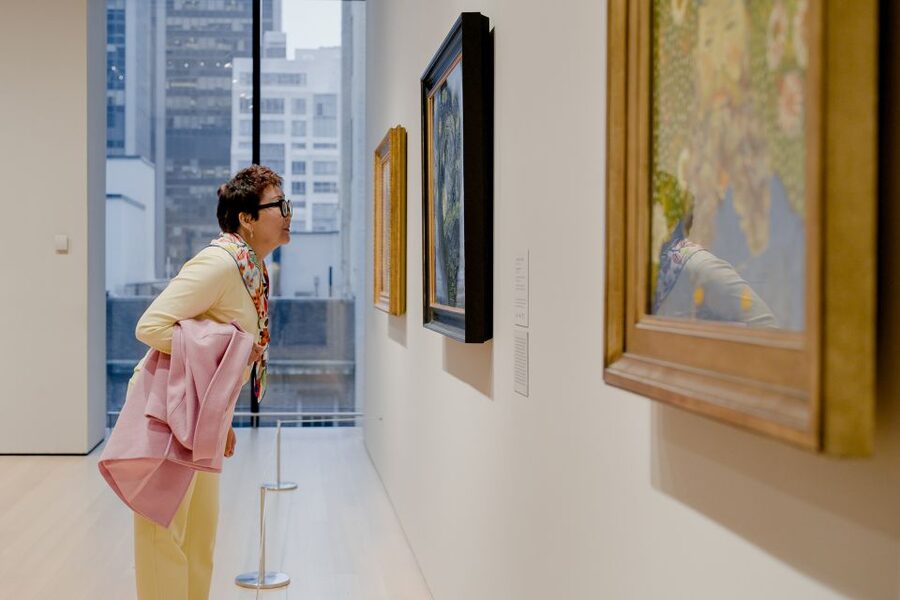
Walking into MoMA before the masses is a whole different vibe. You get a 1-hour art historian guided walk through MoMA’s top rooms via a private entrance, so you can really look without shoulder-to-shoulder chaos. I especially like how the guide points out details you’d miss on your own, and how the best-known works feel calmer when you’re not surrounded by a line of people. The main drawback is simple: at $112 for only an hour of guided time, it’s a splurge that you should book only if you value interpretation, not just access.
If you love modern and contemporary art, this is a smart way to start your MoMA visit. You also don’t stop at MoMA, because you get admission to MoMA PS1 in Long Island City, so your ticket covers two major stops in Queens and Manhattan.
One more thing to consider: the tour itself is short, so if you want to linger for a long time in only a couple of rooms, you might wish the guided portion ran longer.
In This Review
- Key Takeaways
- Why MoMA Before Opening Feels Different
- The 1-Hour Art Historian Walk: What You Actually See
- Meeting Point and Getting In Through the Private Entrance
- Highlights on the Route: Monet to Warhol, With Contemporary Follow-Through
- The Impressionist Doorway
- Post-Impressionist Intensity
- Cubism and a Big Shock Moment
- Matisse and the Art of Momentum
- Pop Art and Familiar Objects
- Contemporary Art Stops: Elizabeth Murray, Cindy Sherman, Ai Weiwei
- After the Hour: How to Use MoMA’s Six Floors Like a Pro
- MoMA PS1 Added Value in Long Island City
- Price and Practical Value at $112 for One Hour
- Tips for Enjoying MoMA in Peace (Without Fighting the Clock)
- Who This Tour Fits Best (and Who Might Skip It)
- Should You Book This MoMA Before-Hours Tour?
- FAQ
- How long is the MoMA before-hours tour?
- What is included in the price?
- Where do I meet for the tour?
- Can I bring food or drinks?
- Are luggage or large bags allowed?
- Can I record video during the tour?
- Is the tour wheelchair accessible?
- What are MoMA’s general opening hours?
- Can I cancel for a full refund?
Key Takeaways
- Private entrance and early entry mean you’ll see major galleries with far fewer people than usual.
- The guide is an art historian, and many groups are led by professors and curatorial-minded experts like Matthew, Cathy, Karla, Betty, and Marie-Anne.
- The hour focuses on high-impact works from Monet and Van Gogh to Picasso and Warhol, plus contemporary artists.
- After the guided part, you can stay and explore MoMA’s six floors at your own pace.
- You also receive MoMA PS1 admission, which adds a contemporary punch in Long Island City.
Why MoMA Before Opening Feels Different
MoMA is famous for being busy. That matters, because modern art rewards looking, not rushing. When you arrive early, the museum feels quieter and more human, and you can take in scale, color, brushwork, and composition without noise from the next group.
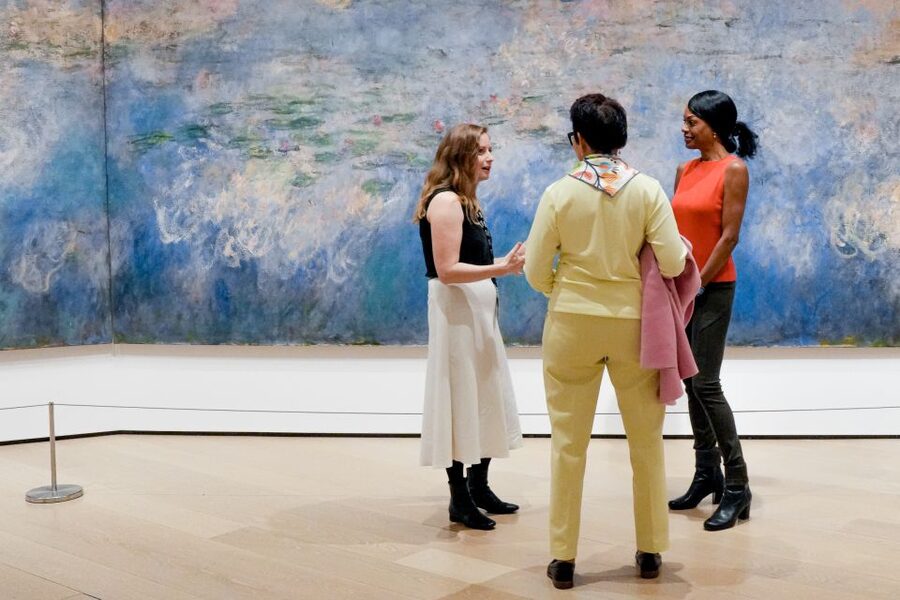
What I like most is the contrast you get. You spend the hour soaking up the works while the galleries are mostly empty, then you see how the whole vibe changes once the public opening rush hits. It’s a rare chance to appreciate art on your terms, not on a timed sprint.
The second thing I like is the way an art historian can change how you see. Even when you already know famous titles, the guide’s explanations often steer you toward fresh questions, like how a scene is built or why a technique matches the mood of the era.
Other New York City outings to compare
- NYC: SUMMIT One Vanderbilt Tickets
★ 4.7 · 51,195 reviews - NYC: 9/11 Memorial & Museum Timed-Entry Ticket
★ 4.8 · 31,428 reviews - NYC: Empire State Building Tickets – Observatory & Museum
★ 4.7 · 25,757 reviews
The 1-Hour Art Historian Walk: What You Actually See
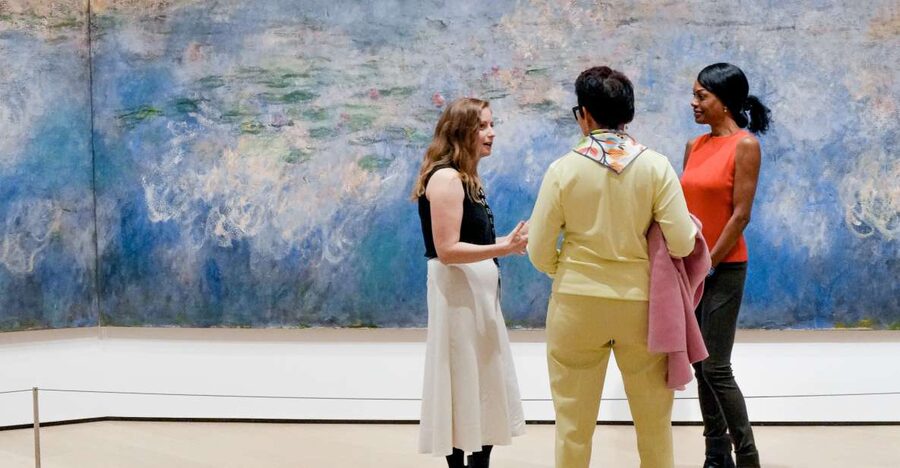
This is a guided 1-hour tour inside MoMA, led in English by an art historian. The group stays smaller than a typical museum crowd, and the guide uses that time to bring you to a set of key works and themes. Then, you’re free to explore the museum afterward at your own pace.
In past tours, guides have been praised for several things that really affect your experience. People mention how guides picked pieces that were challenging in a thoughtful way, how they connected works across time, and how they used close looking strategies instead of just listing facts. Some guides also made the hour feel interactive, with questions that help you read the art rather than just recognize it.
The hour is not meant to cover everything. You’re choosing a “best version” route, focused on making the most important rooms and artworks land emotionally and historically, before the museum fills up.
Meeting Point and Getting In Through the Private Entrance
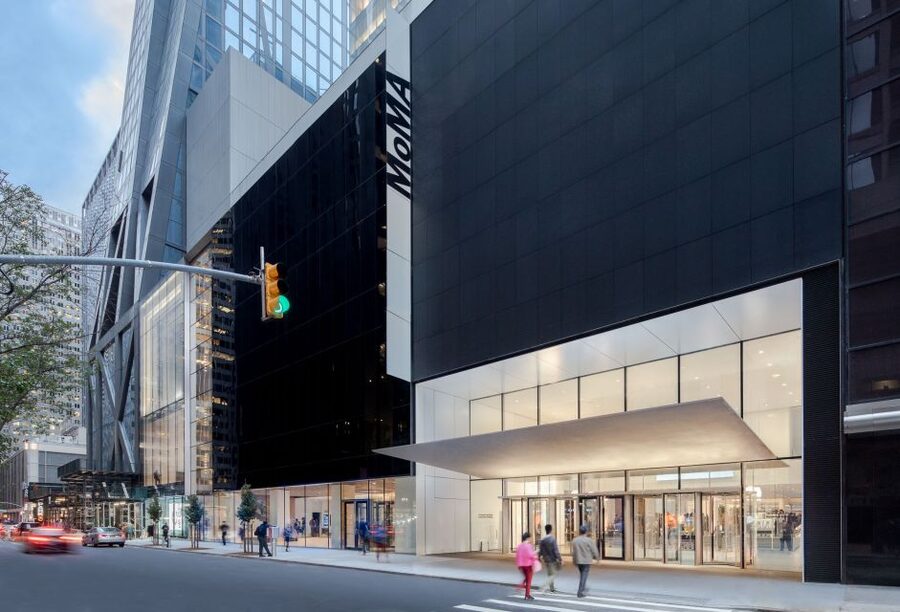
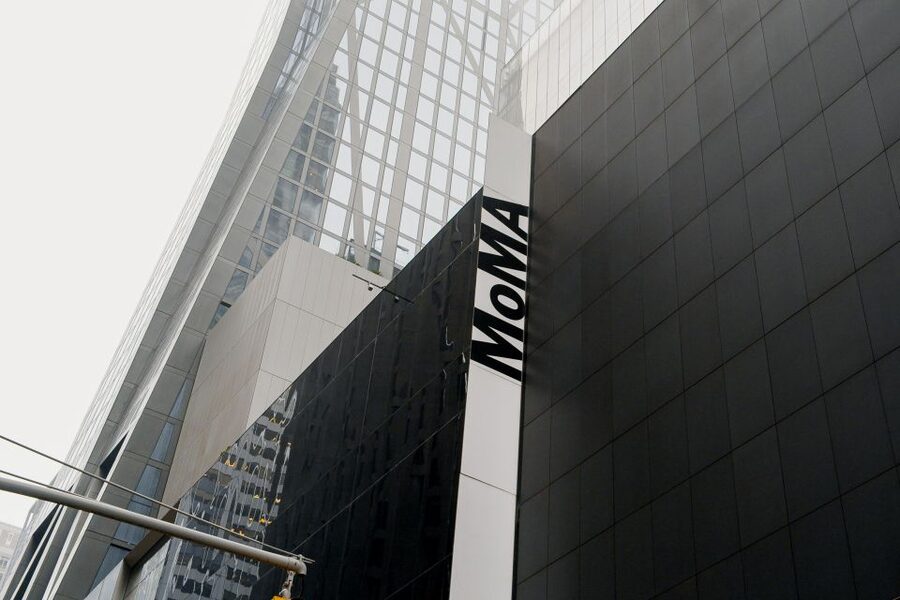
Plan to arrive early enough to find the entrance calmly. You enter through the Ronald S. & Jo Carole Lauder Building entrance, which sits east of the main entrance. It’s directly to the left of The Modern restaurant, and you should look for the curved silver awning.
This matters because the whole point is skipping friction. Once you’re in, the private entrance setup helps you get into galleries sooner and with less waiting than the standard flow.
Also know the rules before you go. You can’t bring food or drinks, and you shouldn’t bring luggage or large bags. Video recording is also not allowed, so if you like documenting art, be ready to rely on photos without video and take notes instead.
Highlights on the Route: Monet to Warhol, With Contemporary Follow-Through
The tour itinerary is built around a mix of well-known masterpieces and modern building blocks that help you understand how MoMA thinks. Based on the works typically included, you can expect stops that cover major movements and shifts in style.
Same corner of the map, another day out:
- NYC: Empire State Building Observation Deck Tickets
★ 4.7 · 22,072 reviews - New York City: Statue of Liberty & Ellis Island with Ferry
★ 4.6 · 18,683 reviews - New York City: American Museum of Natural History Ticket
★ 4.5 · 15,447 reviews - Statue of Liberty and Ellis Island Tour: All Options
★ 5.0 · 13,571 reviews
The Impressionist Doorway
You may get time with Water Lilies by Monet, often described as a standout when it’s viewed in an empty salon. Seeing a large work like that with space around you changes your perception. You can step back, notice how color shifts across the surface, and actually follow the rhythm of the paint.
Post-Impressionist Intensity
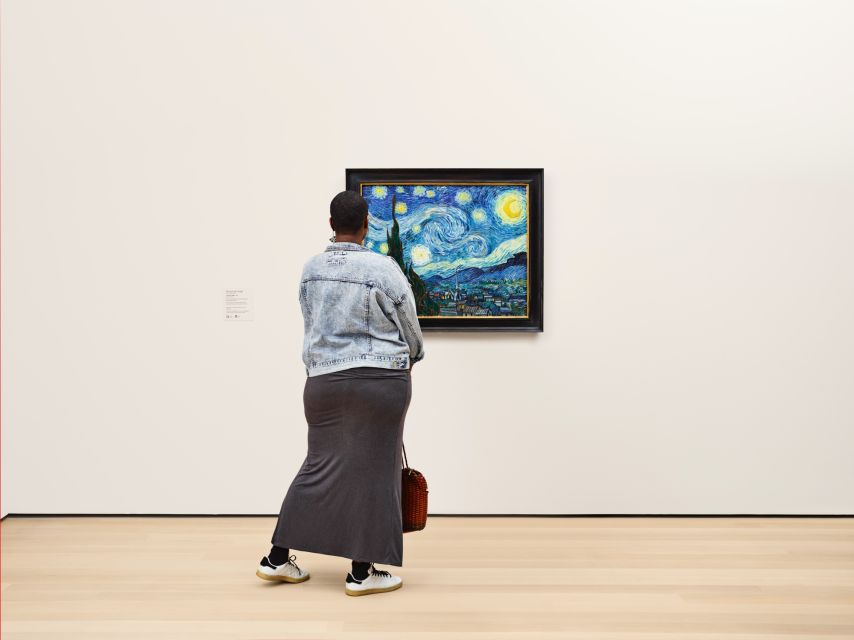
Van Gogh’s The Starry Night is another frequent highlight. Early morning viewing helps because you’re not trying to interpret brush marks while people crowd behind you. It’s easier to focus on the energy in the sky and how the composition pulls your eye.
Cubism and a Big Shock Moment
Picasso’s Les Demoiselles d’Avignon is included in the tour’s typical highlights list. This painting is confrontational by design, so crowding can make it feel more like a spectacle than an artwork you can study. In a quieter room, you can look at figures, angles, and distortions more carefully.
Matisse and the Art of Momentum
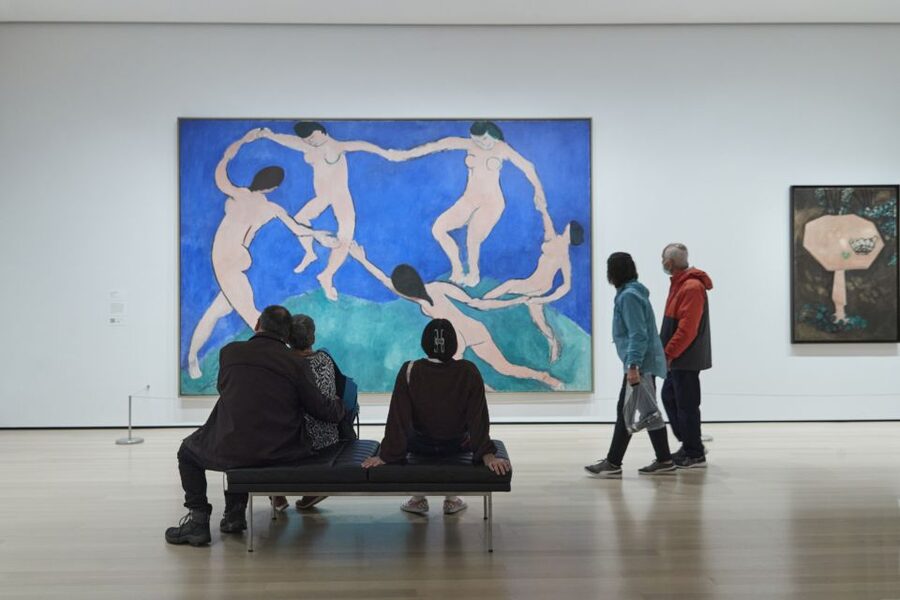
Matisse’s Dance (I) appears among the works you might see. The guide time here is valuable because it’s not just about what you see, it’s about how movement is translated into pattern and shape. A good historian will point you to what the artwork is trying to make your body feel.
Pop Art and Familiar Objects
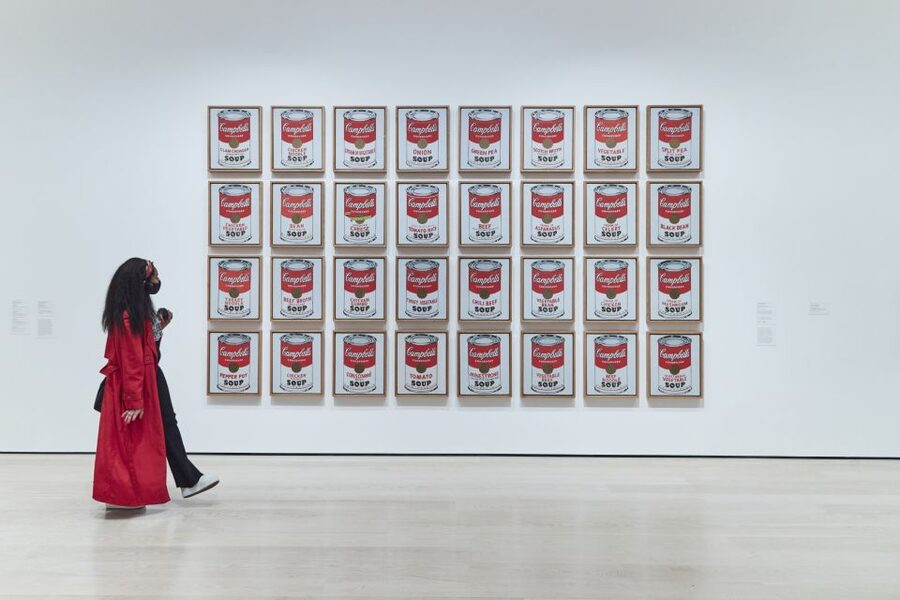
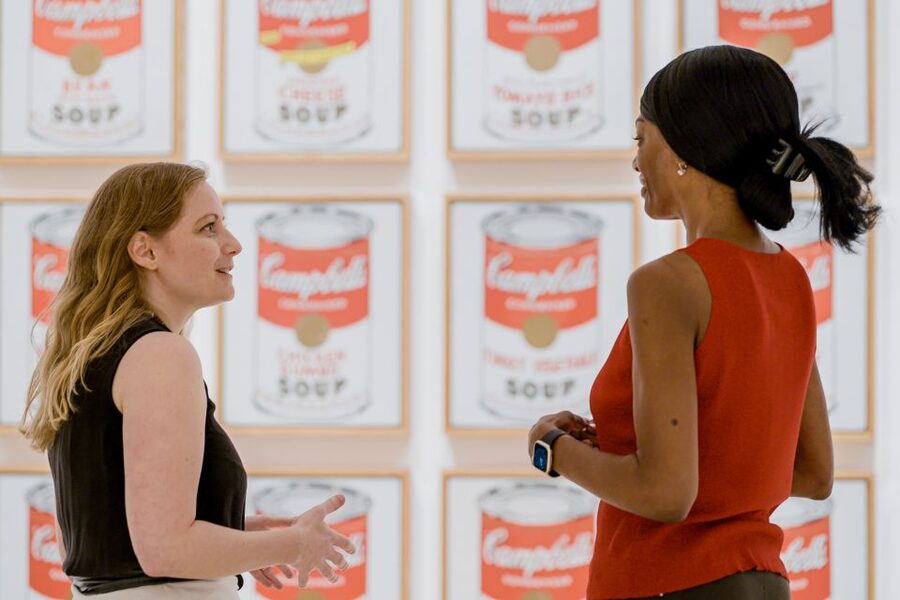
Warhol’s Campbell’s Soup Cans is also on the list of major works. Seeing this early helps you notice the repetition, the small variations, and the question of what everyday things mean once they become art. You can also compare it mentally to earlier movements covered on the route.
Contemporary Art Stops: Elizabeth Murray, Cindy Sherman, Ai Weiwei
MoMA doesn’t stop at European masters, and this tour nudges you into the contemporary side too. You’ll see modern and contemporary pieces by artists such as Elizabeth Murray, Cindy Sherman, and Ai Weiwei, plus other contemporary works depending on the specific route.
This matters because modern art history isn’t a straight line. The more you understand earlier shifts in form and subject, the easier it becomes to read later experiments. A historian guide can help you connect why an approach looks radical in one period but feels logical in another.
In several accounts, people loved how guides used thought-provoking questions and moved beyond the obvious talking points. That style tends to work well for contemporary art, where there’s often no single right answer, only stronger ways to look.
After the Hour: How to Use MoMA’s Six Floors Like a Pro
Once the tour ends, you’re not done. You can stay and explore MoMA’s six floors at your leisure. That’s where your planning makes the biggest difference.
Here’s how I’d use the rest of the visit if you want maximum value:
- Decide what you want most: painting, sculpture, design, film, or performance-like works.
- Pick a short “must see” list of your favorite artists before you arrive, like Monet, Van Gogh, Picasso, Matisse, Warhol, or the contemporary artists mentioned above.
- Then, wander with a purpose by asking yourself what each room is doing, not just what each artwork is called.
MoMA is broad. You can go from 1880s-era European painting and sculpture to later modern and contemporary media, and that jump can be thrilling if you give yourself time to adjust. If you only have one visit, that early guided hour is your cheat code for how to read the museum.
Also, don’t rush out the moment the crowds arrive. The contrast helps, but the galleries are still worth seeing after the opening rush. Your early access gives you a foundation, and you’ll have a better sense of what to prioritize next.
MoMA PS1 Added Value in Long Island City
The tour includes additional admission to MoMA PS1, the contemporary art center in Long Island City, Queens. That’s a real value add, because it turns your MoMA visit into a two-location day that’s much more than “one museum and done.”
PS1’s role is to push further into the experimental and contemporary scene. Even if you already like MoMA’s main collection, PS1 is where you often feel closer to the edge of what contemporary artists are trying. It’s also a different setting, which keeps your day from feeling repetitive.
If you’re building an art-focused itinerary in NYC, this combo is smart. It gives you both the collection-driven strength of MoMA and the contemporary, off-center energy of PS1.
Price and Practical Value at $112 for One Hour
Let’s talk money. At $112 per person for a 1-hour before-hours guided tour, this is not a budget buy. Some people feel it’s pricey, and if you’re the type who only wants to walk around and self-navigate, you might feel that pinch.
Here’s where I see the value stacking up:
- You’re paying for private, early access that dramatically reduces the crowd factor during the most important time window.
- You’re paying for interpretation from a guide who can help you notice technique, context, and connections.
- You’re also getting MoMA PS1 admission, which expands what your ticket covers beyond MoMA.
So the question is not just whether it’s worth it for MoMA. It’s whether it’s worth it for the full day plan: early access plus guided insight plus PS1.
If you love art history and want your attention directed in a way you can’t easily replicate alone, this price starts to make sense fast. If you’re already comfortable reading the museum on your own, you may want to consider a standard ticket instead and put that money into more time in neighborhoods.
Tips for Enjoying MoMA in Peace (Without Fighting the Clock)
This tour works best when you treat the first hour as your set-up. Then you use the rest of the day with a calmer mind.
A few practical habits that make a difference:
- Wear layers. Early hours can be cool, and museums keep their own indoor climate.
- Bring a small notebook. Video recording is not allowed, and writing down what the guide says is a great way to hold onto the insights.
- Think in themes, not just artworks. For example, you can follow one idea like how artists distort reality, or how repetition changes meaning in modern art.
- If there’s an artwork you really care about, be ready to point it out. Several groups mention that guides responded to interests and picked works accordingly.
If you’re traveling with kids or teens who like art, this kind of structured focus can also help. The quieter galleries make it easier to ask questions and look long enough to get something out of the experience.
Who This Tour Fits Best (and Who Might Skip It)
This tour is a strong match if you:
- Want to see MoMA highlights with fewer people.
- Love explanations and context, especially for big, famous, or difficult works.
- Prefer a short guided start, then freedom to explore on your own.
It may be less ideal if you:
- Only care about quickly checking off the famous titles.
- Want a long, leisurely guided experience, since the guided portion is just one hour.
- Are budget-focused and can’t justify paying extra just to avoid crowds.
For first-time MoMA visitors, I think the early start is a big win. For repeat visitors, it can still be worth it if you want the curated context and the chance to see certain rooms without the usual rush.
Should You Book This MoMA Before-Hours Tour?
Book it if your ideal NYC day includes quiet looking, expert guidance, and an art plan that extends beyond Manhattan. The empty-galleries factor is a real treat, and the art historian approach tends to give you new ways to see even the most famous works like Water Lilies, The Starry Night, Les Demoiselles d’Avignon, and Warhol’s Campbell’s Soup Cans.
Skip it if you’re mainly chasing MoMA as a checklist, or if you don’t care much for guided interpretation. In that case, a regular visit plus time at PS1 on another day could stretch your budget further.
If you do book, show up early, come with at least a couple of must-see artists in mind, and treat the guided hour as your on-ramp to the rest of the museum. Then go explore MoMA’s six floors, and finish with PS1 in Long Island City for a stronger contemporary ending to your day.
FAQ
How long is the MoMA before-hours tour?
The guided experience is 1 hour.
What is included in the price?
You get exclusive early access to MoMA before opening hours, a MoMA entry ticket, a MoMA PS1 entry ticket, and an art historian guide.
Where do I meet for the tour?
Enter MoMA through the Ronald S. & Jo Carole Lauder Building entrance, which is east of the main entrance and directly to the left of The Modern restaurant. Look for the curved silver awning.
Can I bring food or drinks?
No. Food and drinks are not allowed.
Are luggage or large bags allowed?
No. Luggage or large bags are not allowed.
Can I record video during the tour?
Video recording is not allowed.
Is the tour wheelchair accessible?
Yes, it is wheelchair accessible.
What are MoMA’s general opening hours?
MoMA’s general hours are Saturday to Thursday, 10:30 AM to 5:30 PM, and Friday, 10:30 AM to 8:30 PM.
Can I cancel for a full refund?
Yes. You can cancel up to 24 hours in advance for a full refund.
Newest New York City reviews on the site
- All Inclusive Airport Departure Transfer NYC/ Brooklyn/Queens★ 4.0 · 342 reviews
- The Escape Game Brooklyn: Epic 60-Minute Adventures in City Point★ 5.0 · 332 reviews
- New York Aquarium Admission★ 4.0 · 298 reviews
- Brooklyn Food Walking Tour: Local Eats & Family‑Run Shops★ 5.0 · 592 reviews
- Brooklyn Bridge & DUMBO Food Tour: Local Eats & Landmarks★ 5.0 · 478 reviews
- New York City: City Highlights Guided Bike or eBike Tour★ 4.5 · 229 reviews
- New York City: Superheroes of NYC Guided Walking Tour★ 4.5 · 271 reviews
- NYC: Sunset Sail Aboard Schooner Adirondack★ 4.9 · 283 reviews
New York City Tours & Activities, compared.

Empire State Building Tickets – Observatory & Museum
Read our review →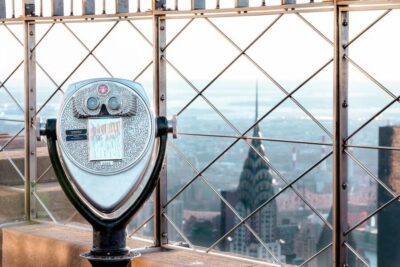
Empire State Building Observation Deck Tickets
Read our review →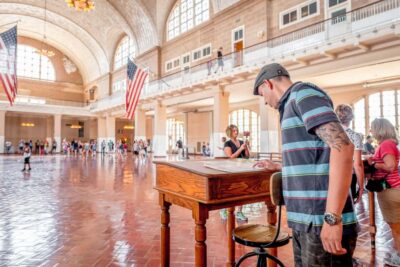

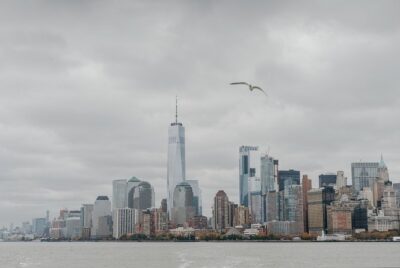
Statue of Liberty and Ellis Island Tour: All Options
Read our review →
Browse the lists this tour appears in