
Reviewed · PLANTATION TOURS
New Orleans: Oak Alley Plantation Tour with Transportation
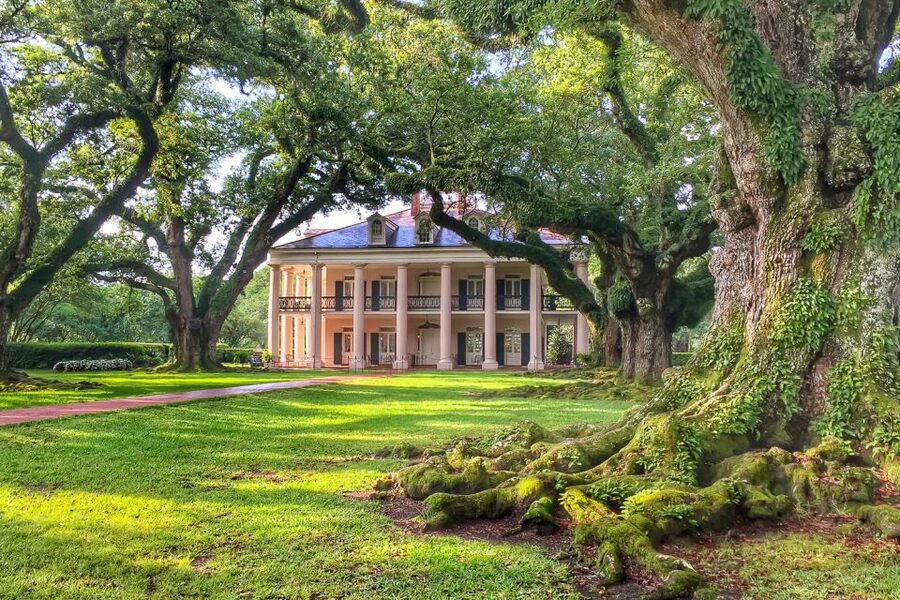
Oak Alley Plantation packs a lot into one half-day. You get a 1/4 mile Allee of oaks plus a guided visit to the Big House exhibit, along with reconstructed slave cabins and a slavery exhibit with an interpreter.
One thing to consider: the on-site time can feel tight if you want to linger over every placard and artifact. Some people end up doing more of a “see the highlights” pace than a slow, sit-down walk around the whole property, including time for cafe food.
In This Review
- Key points at a glance
- Getting to Oak Alley: the bus ride, the views, and why it’s worth it
- The 1/4 mile Allee of oaks: iconic, and grounded in real labor
- Inside the Big House: what you’re guided through, and what you might miss
- Sugarcane Theater, slavery exhibits, and the reconstructed cabins
- Gardens, blacksmithing, and why your “free time” is the make-or-break part
- The optional 90-minute Manchac Swamp upgrade: what it adds to the story
- Price and value: what $89 buys you on a long day
- Who this tour is best for, and who should manage expectations
- Should you book Oak Alley with transportation?
Key points at a glance
- Round-trip transportation from New Orleans saves you the stress of driving and parking on a long day.
- Guided Big House tour gives structure, and the interpreter-led slavery content keeps the focus honest.
- Iconic oak alley walk is the star, and the guides explain how it ties to enslaved labor.
- Café access on site works for quick lunch, but you may need to plan if you want a longer meal.
- Swamp tour upgrade (Manchac Swamp) adds an easy wildlife cruise where alligators can be part of the show.
Getting to Oak Alley: the bus ride, the views, and why it’s worth it
The big win here is simple: you do not have to coordinate a car. The tour includes round-trip transportation, and the trip from New Orleans is long enough that being in a comfortable coach matters. One review called out the drive as about an hour to an hour and a half each way, which matches how it feels in real time when you add stopovers and boarding.
Along the route, you pass multiple plantation estates and get real “plantation corridor” context as you travel. You also cross the Bonnet Carre Spillway and can enjoy a panoramic view of Lake Pontchartrain. It sounds like an extra detail, but it helps your brain shift from New Orleans streets to the scale of Louisiana agriculture.
Meeting point is straightforward if you plan ahead. You pick up at the Lighthouse Ticket Office at Toulouse St and the Mississippi River, right at the Steamboat Natchez dock behind JAX Brewery. Tours depart from 400 Toulouse Street, New Orleans. Bring your barcoded voucher and show it about 15 minutes before your scheduled departure time.
If you get a lively driver, the drive itself can become part of the experience. Reviews specifically mention drivers like Alton, Ken, Donald, Robert, and Melinda sharing stories and fun facts on the way out. That matters on this kind of tour, because it sets expectations before you reach the property.
Other New Orleans outings to compare
- Swamp Boat Ride and Oak Alley Plantation Tour from New Orleans
★ 5.0 · 3,303 reviews - Oak Alley Plantation Tour with Transportation from New Orleans
★ 4.5 · 1,747 reviews - Whitney Plantation Tour with Transportation from New Orleans
★ 4.5 · 1,351 reviews
The 1/4 mile Allee of oaks: iconic, and grounded in real labor
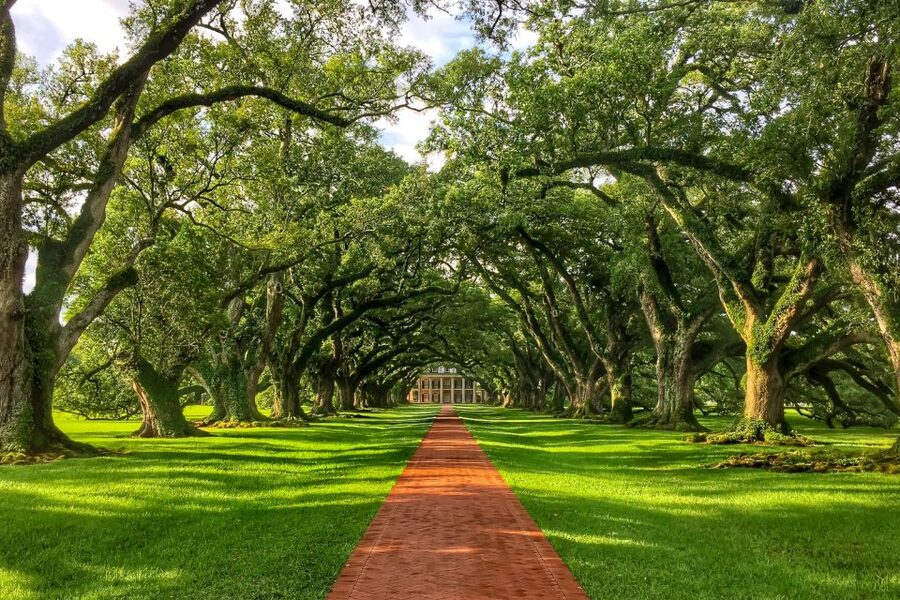
The oak alley walk is the headline attraction for a reason. You’re looking at a tree-lined approach that stretches about a quarter mile, with oaks that date back roughly 250 years. It’s scenic in a classic Louisiana way, and it also has a factual weight because the alley was created using enslaved labor sometime in the 1820s through the 1840s.
That pairing changes how you experience the walk. The trees can feel dreamy, but the interpretation keeps it from turning into just a photo stop. Plan for the walk when light is good and you want time to take in the full perspective from end to end. Also, note that this is where the tour’s visual payoff hits hardest, so if your day is crowded, this portion is the one you do not want to rush.
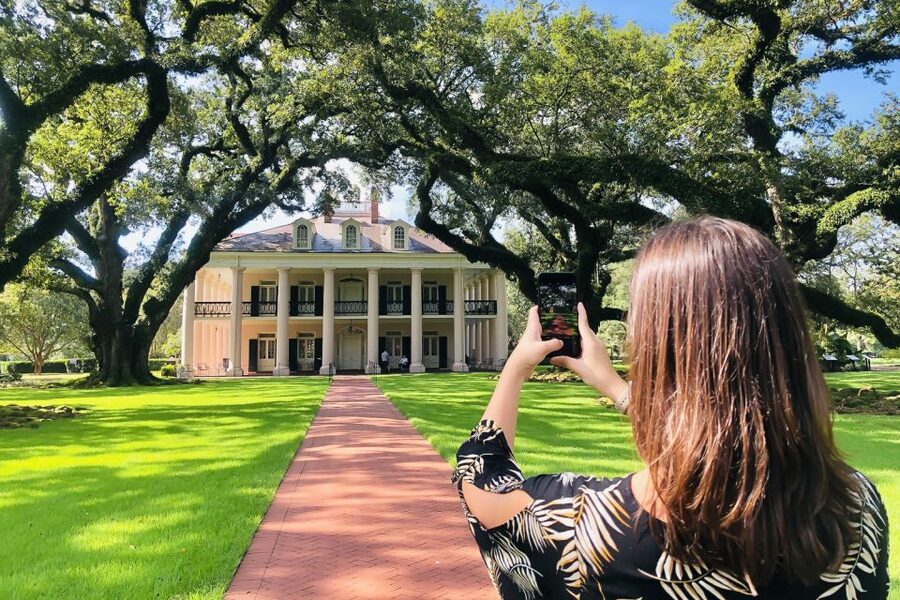
Photography rules are also part of your “plan the day” math. You cannot take cameras into the plantation home, but photography is encouraged on the balcony, the grounds, and in self-paced exhibits. So if you want oak alley shots and garden views, you’re in the right places for photos.
Inside the Big House: what you’re guided through, and what you might miss
The guided tour of the Big House exhibit is a major reason people feel the transportation ticket is worth it. You get a structured walkthrough and an explanation of how the mansion functioned for the planter family, while also setting the frame for how enslaved people lived and worked on the same property.
The Big House is described as a 1839 Greek Revival mansion built with prestige and power in mind, so the attention to symmetry, scale, and materials helps you understand why this home looked like authority. But the key value is not the styling. It’s the way the tour ties the house to the system that supported it.
A couple practical notes that affect your comfort:
- The tour requires phone and electronic devices to be muted and turned off inside the Big House exhibit.
- Photography and video are not allowed inside the plantation home.
Accessibility matters here. The second floor has 22 stairs, and while most of the exhibits are handicapped accessible, that specific climb may be a deal-breaker for some. A video tour is available in the media room, but seating is limited, so it has to be reserved for guests who cannot climb those stairs.
Some people also felt the house portion moved quickly. One person mentioned the inside tour felt fast and they missed rooms, and another noted that the house tour did not show as many working areas (like kitchens or attics) as they expected. That does not mean the tour is weak, but it does explain why pace matters. If you want maximum time in the home, bring extra patience, and plan to make the grounds your longer stop.
Sugarcane Theater, slavery exhibits, and the reconstructed cabins
This tour’s interpretive choices are its emotional core. You’re not only seeing architecture and gardens. You’re also being guided into the lived reality behind the plantation’s prosperity.
You get reconstructed slave cabins and a slavery exhibit with an interpreter. That’s the part that often shapes how people rate this tour overall. In multiple reviews, the slave quarters are described as eye-opening, and the interpretation is credited as a reason the experience felt meaningful.
You’ll also see the Sugarcane Theater, which shares a film on sugarcane production and displays. Since the plantation economy depended on that crop, it helps connect what you see in the mansion and gardens to what the labor made possible. This is also where the tour becomes more than a “sightseeing” stop, because it gives you an industrial story, not just a mansion story.
One fair warning: some visitors wished the tour spent more time on what enslaved people endured, not just what the system did or the hardships of the slave owners. That feedback is useful because it tells you what to expect from the tone. It’s interpretive and guided, but if you want an extremely detailed focus on daily suffering, you may still wish you had more time to sit with the materials at your own pace.
Same corner of the map, another day out:
- New Orleans Premier Ghost, Voodoo and Vampire Walking Tour
★ 4.5 · 12,856 reviews - New Orleans Steamboat Natchez Jazz Cruise with Dinner Option
★ 4.0 · 7,533 reviews - Adults-Only New Orleans Ghost, Crime, Voodoo, and Vampire Tour
★ 5.0 · 6,545 reviews - New Orleans Food Walking Tour of the French Quarter with Small-Group Option
★ 5.0 · 6,118 reviews
Gardens, blacksmithing, and why your “free time” is the make-or-break part
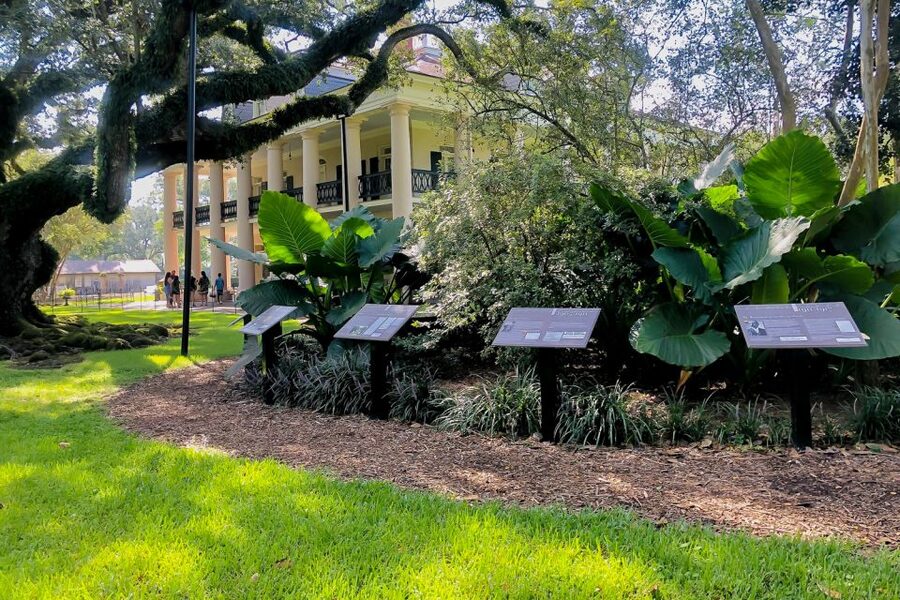
After the guided elements, you get time to explore on your own. The exact balance varies by day and schedule, but at least one reviewer described about 40 minutes for the guided house tour and roughly 30 minutes of walk-around time after. Other reviews mention having around two hours total on site, and a few people felt 2 hours was too short to take in everything, read placards carefully, and still enjoy food.
That is the biggest planning point for your day. Oak Alley is not just the house. It’s gardens that reflect different eras, including East and West Gardens that are reflective of the 1840s and the 1930s. It’s also practical history, like the blacksmithing exhibit that includes the plantation’s original forge.
One of the more interesting details here is that blacksmithing and the forge are not just “cool props.” They connect to how plantation life worked logistically: repairs, hardware, tools. If you like material culture, slow down for this stop.
About the cafe: you can purchase food at the Plantation Café. It sells snack, salad, or sandwich options, and you can eat at picnic tables or aboard the coach. Several reviews point out it’s best used for quick meals. One person said eating before you go helped, another noted the cafe can be better for grabbing something fast than spending lots of time, and another wished there were extra minutes to eat hot or sit down.
If you’re the type who likes a full, unhurried lunch, consider arriving hungry and bringing a realistic expectation for pacing once the house tour time is locked.
The optional 90-minute Manchac Swamp upgrade: what it adds to the story
If you want more than plantation grounds, the swamp tour upgrade is the cleanest add-on. It’s a 90-minute cruise through Manchac Swamp at a privately-owned wildlife refuge.
You board a comfortable, covered pontoon boat and ride with a local captain. The captain drives, and you get history and context tied to Frenier and Cajun culture, including fishing, hunting, and trapping. You should also keep your eyes open for alligators, since they can leap up for snacks.
This upgrade works well because it shifts your day from architecture and interpretive exhibits to ecology and local culture. It also gives you time outside in a way that plantation schedules sometimes compress. If your main interest is photography of nature or you simply want a break from the enclosed or guided portions, it can be a smart use of your time and money.
One practical point: you are adding more time overall, so check how it affects your return plan. The standard tour duration is long already, listed as 315 to 465 minutes, so the upgrade can push your day later.
Price and value: what $89 buys you on a long day
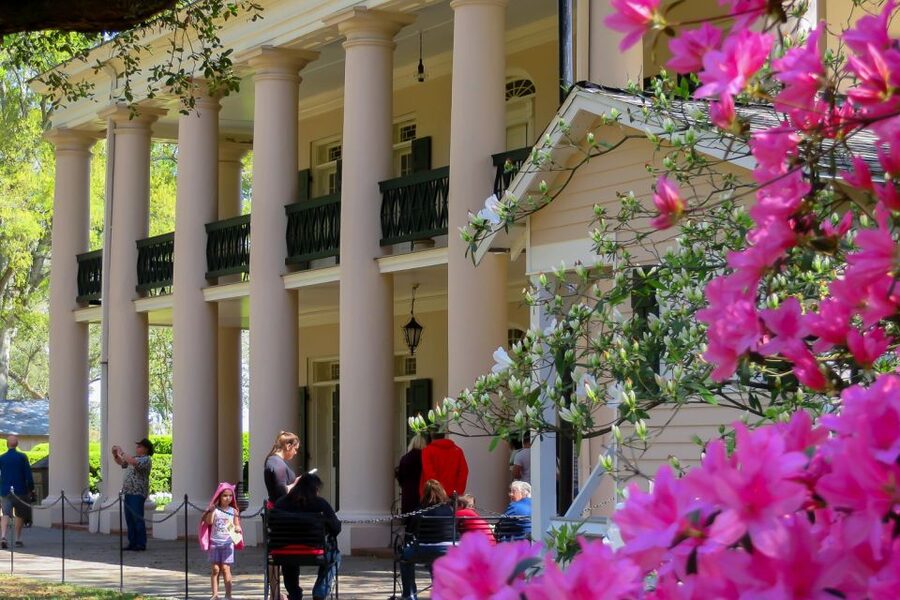
At $89 per person, this is not cheap, but it also does not feel overpriced for what you’re getting. Your money goes into round-trip transportation plus a guided Big House tour plus multiple included exhibits and interpretive stops.
Compared to trying to do Oak Alley as a self-guided day, transportation is the big value lever. The drive is substantial, and the tour format reduces decision fatigue. Plus, having a guide for the Big House can be the difference between seeing rooms and understanding what they represent in the plantation system.
The included extras also matter:
- Sugarcane Theater film and displays
- Reconstructed slave cabins and a slavery exhibit with an interpreter
- East and West Gardens interpretation
- Blacksmithing exhibit including the original forge
- On-route passes of nearby plantations and a Bonnet Carre Spillway view
The best value tends to come if you actually plan to use the guided portions and not just show up for photos. If you already know plantation history deeply and only want the scenery, you may feel the schedule moves too fast. But if you want structure, interpretation, and you prefer not to handle driving, the price starts to make sense fast.
Who this tour is best for, and who should manage expectations
This tour is a great fit for you if:
- You want a guided, structured visit rather than a solo self-paced day.
- You care about interpretive exhibits that address both the planter household and enslaved life.
- You’d rather read context from a guide while you’re standing in the right place.
It may be less ideal if:
- You strongly prefer long unstructured time on the grounds. Some visitors felt the time allotment for exploring could be longer.
- You want detailed access to every functional room inside the house. If you expect kitchens or attic walkthroughs like a museum tour, you might find the pacing less expansive than you want.
- You are sensitive to no-photo rules in the home. Oak alley and grounds are photo-friendly, but the interior is restricted.
If your group includes mobility needs, know that most exhibits are accessible, but the second floor of the Big House exhibit has 22 stairs, and alternative video viewing is available in the media room with limited seating.
Should you book Oak Alley with transportation?
Yes, if you want the easiest, most guided way to see Oak Alley and you’re comfortable with a schedule that prioritizes the main exhibits. The round-trip transportation saves time and hassle, and the guided Big House tour plus slavery interpretation is the heart of why this experience is more than just scenic trees.
I’d especially book it if you like learning while you walk, and you want the oak alley experience with context built in. If you prefer a slower, deeper wander through every garden corner and exhibit placard, consider adding the swamp tour upgrade or planning an extra day in the area so you can breathe after the guided portions.
Newest New Orleans reviews on the site
- New Orleans: French Quarter, Voodoo and Cultural Experience★ 4.5 · 972 reviews
- From New Orleans: Oak Alley Plantation Tour★ 4.5 · 443 reviews
- New Orleans: Beloved Bites & Famous Dishes Food Tour★ 4.8 · 239 reviews
- New Orleans: Voodoo Queen Tour of French Quarter★ 4.7 · 482 reviews
- New Orleans: Bayou Tour in Jean Lafitte National Park★ 4.8 · 428 reviews
- New Orleans: Swamp Boat Ride & Oak Alley Plantation Tour★ 4.7 · 383 reviews
- New Orleans: Whitney Plantation Tour with Transportation★ 4.7 · 619 reviews
- New Orleans: Guided Swamp Cruise by Tour Boat★ 4.7 · 570 reviews
Plantation Tours, compared.

Swamp Boat Ride and Oak Alley Plantation Tour from New Orleans
Read our review →
Oak Alley Plantation Tour with Transportation from New Orleans
Read our review →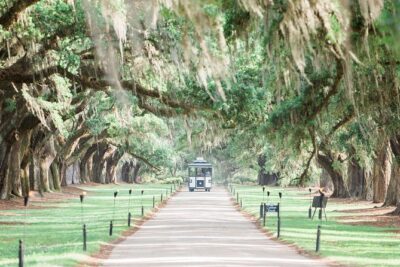
Boone Hall Plantation All-Access Admission Ticket
Read our review →
Whitney Plantation Tour with Transportation from New Orleans
Read our review →
Bayou Swamp Tour and Oak Alley Plantation Tour
Read our review →
Oak Alley Plantation & Airboat Swamp Combo Tour
Read our review →
Magnolia Plantation Admission & Tour with Transportation from Charleston
Read our review →
Pearl Harbor, Dole Plantation, and Polynesian Center from Waikiki
Read our review →Browse the lists this tour appears in