
Reviewed · WALKING TOURS
New Orleans: French Quarter Food History Walking Tour
Food plus stories, in the French Quarter.
I like how this tour pairs signature Louisiana dishes with real context, so you taste and then understand what you just ate. My other favorite part is the range, from gumbo to pralines to sweet bread pudding, so it feels like a full sampler menu without the planning headache.
You’ll walk between spots rain or shine, and it is not a slow stroll. Keep one thing in mind: this is not gluten-free, dairy-free, or vegan, and you will also want to be ready for a hot sauce stop if you are sensitive to spice.
Finally, the guides seem to make or break the vibe, and the most highly praised names I saw associated with this tour include Beth, Gary, Dylan, Meg, and John (often called John the Professor). The common thread is storytelling that connects the food to the neighborhood, not just a list of what you are eating.
In This Review
- Key reasons this tour is worth your time
- Where this French Quarter food history tour fits in your trip
- Meeting at 316 Chartres St, the 3rd Block Depot kickoff
- 3rd Block Depot gumbo and potato salad, the first Louisiana lesson
- Hot sauce bar stop, tasting heat like a local
- Leah’s Pralines, a Creole sweet intermission
- NOLA Poboys catfish po-boy, seafood tradition in one bite
- Muffuletta plus boudin balls, two icons that explain the menu
- Creole Cookery red beans and rice, comfort with a workday story
- Bananas foster bread pudding, dessert that lands the finale
- Vegetarian option that actually changes the route
- Price and value: is $85 fair for 3 hours?
- Pacing, rain plans, and what to bring
- Guides like Beth, Gary, Dylan, Meg, and John the Professor
- Who should book this tour, and who should skip it
- Should you book this French Quarter food history tour?
- FAQ
- How long is the New Orleans French Quarter Food History Walking Tour?
- Where do I meet the guide?
- How many food tastings do I get?
- Do they offer a vegetarian option?
- Is there a gluten-free, dairy-free, or vegan option?
- Are drinks included?
Key reasons this tour is worth your time
- Gumbo to bananas foster: you get the savory arc, then the dessert finale.
- Hot sauce bar sampling: you can taste the heat range and learn what people mean by local spice.
- Both iconic sandwiches: po-boy and muffuletta show up on the same route.
- Creole staples in real places: you’re not just eating copycat versions.
- Vegetarian option is built in: black-eyed pea soup, veggie jambalaya, and portobello po-boys.
- Strong guide energy: multiple top-rated guides are praised for humor and interaction.
Where this French Quarter food history tour fits in your trip
The French Quarter can feel like one big blur of music, balconies, and quick bites. This is the kind of tour that helps you slow down and make sense of the neighborhood through food. You start in the heart of it and walk a route that connects dishes to the people and trade that shaped New Orleans cuisine.
At 3 hours and with multiple stops, it works well when you arrive. I especially like doing this earlier in the trip because it gives you a mental map of what to order later, including the local logic behind each classic.
You also get something that many food tours skip: the historical “why.” Not a lecture, more like story threads that show up while you’re still holding a plate.
More Walking Tours in New Orleans
- New Orleans Premier Ghost, Voodoo and Vampire Walking Tour
★ 4.5 · 12,856 reviews - New Orleans Food Walking Tour of the French Quarter with Small-Group Option
★ 5.0 · 6,118 reviews - St. Louis Cemetery No. 1 Official Walking Tour
★ 4.5 · 3,941 reviews
Meeting at 316 Chartres St, the 3rd Block Depot kickoff
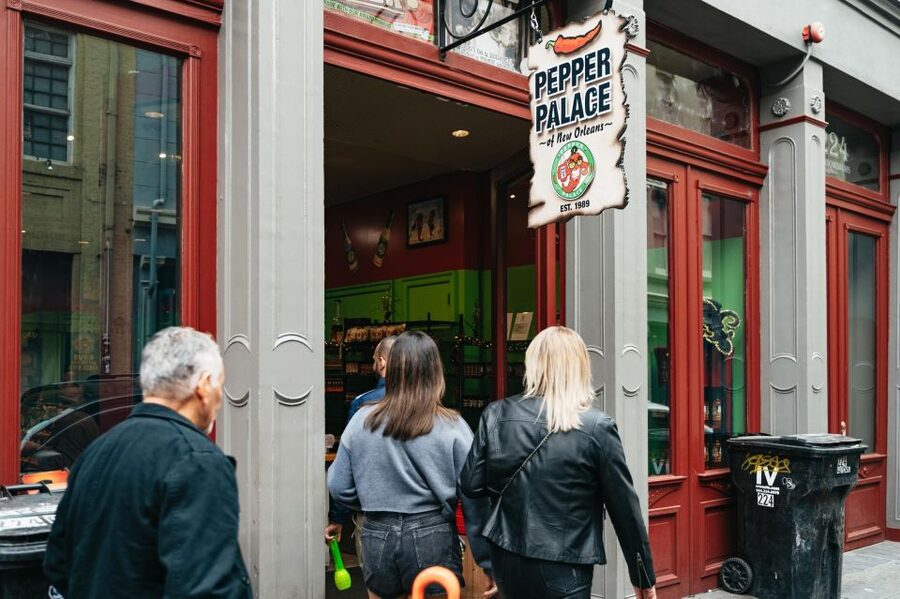
You meet your guide at 316 Chartres St, inside the 3rd Block Depot restaurant. That matters because the tour begins in an actual eating spot, not outside with generic instructions. It also keeps the start time simple: show up, meet the guide, and you’re off.
Because it is a walking tour, your comfort matters. Wear shoes you can stand in for a few hours, especially if it is hot or humid. And if you are the type who gets snacky quickly, go with the empty stomach plan. This tour is built around tasting, not light grazing.
One practical note: it’s rain or shine. The route stays on foot, so bring a small umbrella or rain layer if the forecast looks iffy.
3rd Block Depot gumbo and potato salad, the first Louisiana lesson
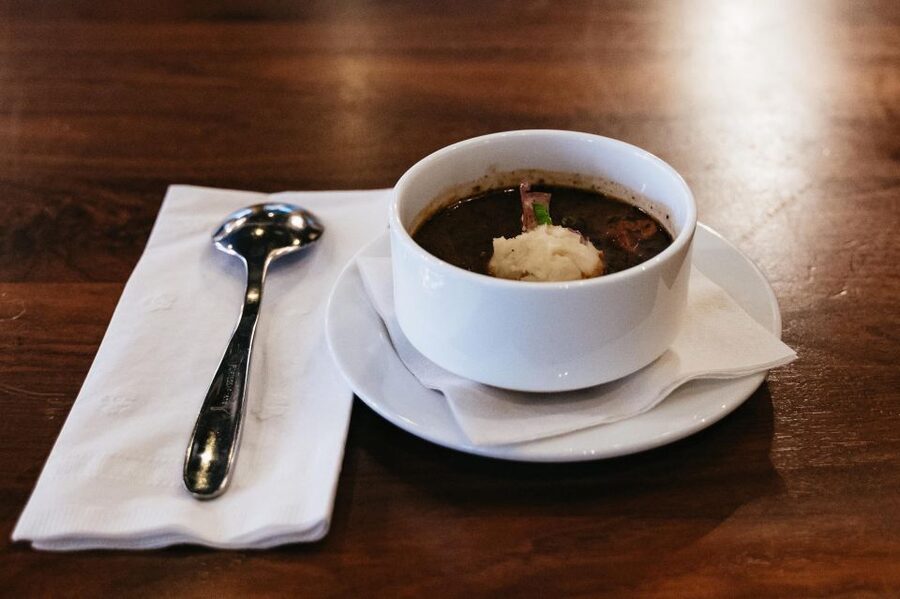
Your first stop is 3rd Block Depot, where you start with their rustic Cajun-style gumbo served with warm potato salad. Gumbo is one of those New Orleans dishes that people talk about like a family member, and the guide’s job is to explain why it sits at the center of the culinary story.
The gumbo choice here is helpful for first-timers because it gives you a baseline flavor profile early. Then the potato salad adds a softer, comforting texture so you are not overwhelmed before the day even warms up.
If you love thick, peppery comfort food, this is a strong opening. If you are not a big stew person, I’d still try it. The point of the tour is to taste the classics in context, and gumbo is the classic.
Hot sauce bar stop, tasting heat like a local
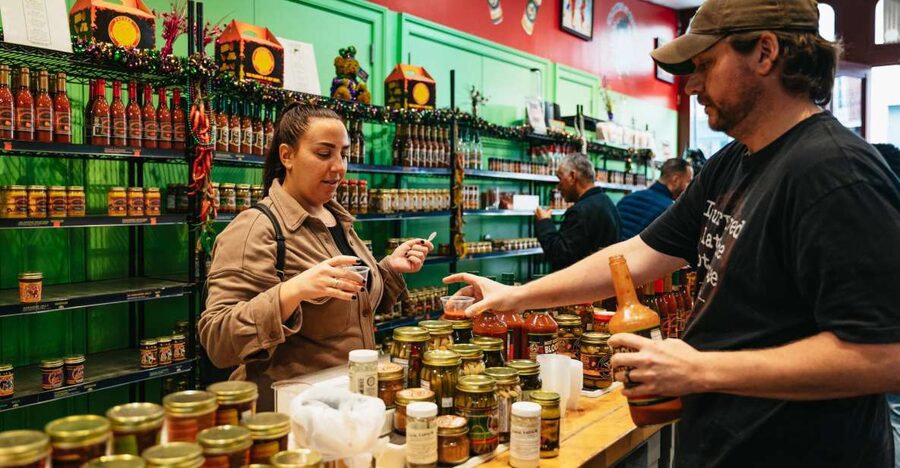
Next you hit a hot sauce bar where you can sample dozens of fiery varieties. This is one of the most fun stops because it turns “spicy” from a guessing game into something you can calibrate in real time.
Even if you do not plan to buy bottles, the tasting helps you understand why New Orleanians treat hot sauce like part of the meal. You’ll also get a feel for flavor differences, not just burn levels, since sauces can vary by heat, tang, and spice mix.
Here is a heads up: if you truly cannot handle heat, tell your guide at the start. You can often taste with a lighter hand, but this is still a planned feature of the route.
Other New Orleans outings to compare
- New Orleans: Beloved Bites & Famous Dishes Food Tour
★ 4.8 · 239 reviews - Little Havana Food and Walking Tour in Miami
★ 5.0 · 8,882 reviews - NYC Bus Tour of Brooklyn, Bronx, Queens: Art, Food & Sports
★ 5.0 · 3,805 reviews - Chef Guided Food Tour of Pike Place Market
★ 5.0 · 3,733 reviews
Leah’s Pralines, a Creole sweet intermission
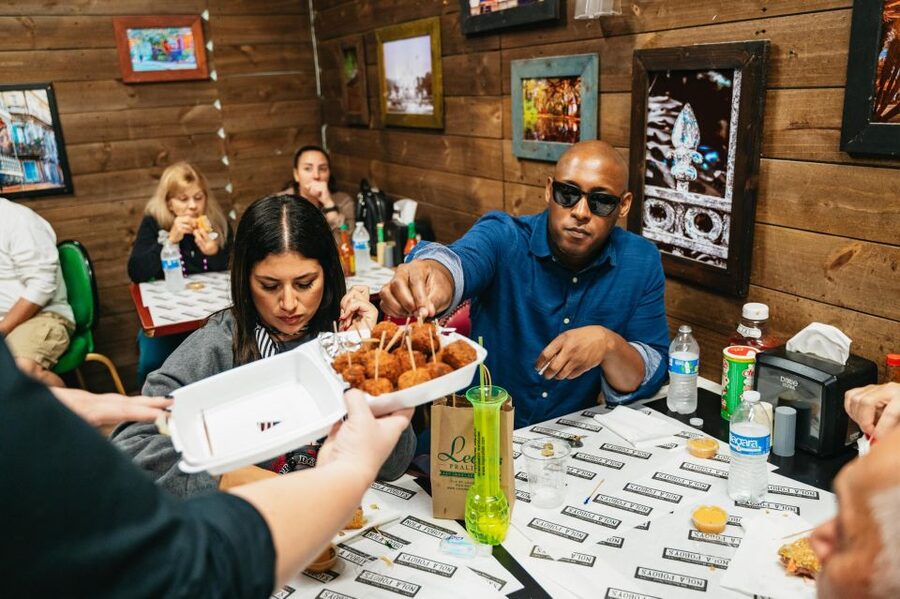
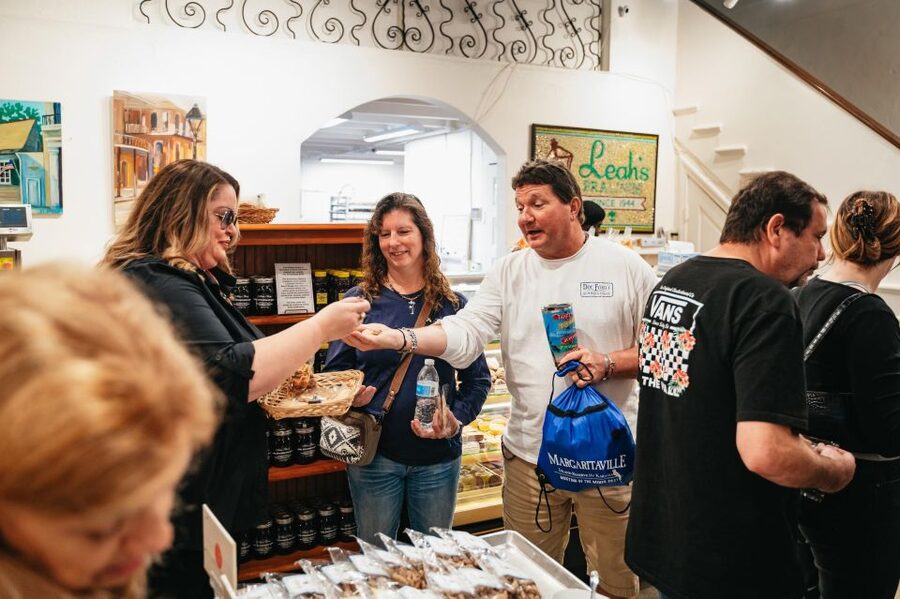
Then you roll into Leah’s Pralines, a classic sweet stop where you sample a Creole-style item. Pralines are a good palate reset too, especially when you’ve already had something savory plus hot sauce.
What I like about this stop is pacing. It breaks up the day so you are not stuck in straight savory mode. And it gives you a New Orleans souvenir you can actually remember by flavor, not just by photo.
If you are a sweet tooth, this is the moment you start smiling, even if you were skeptical at gumbo.
NOLA Poboys catfish po-boy, seafood tradition in one bite
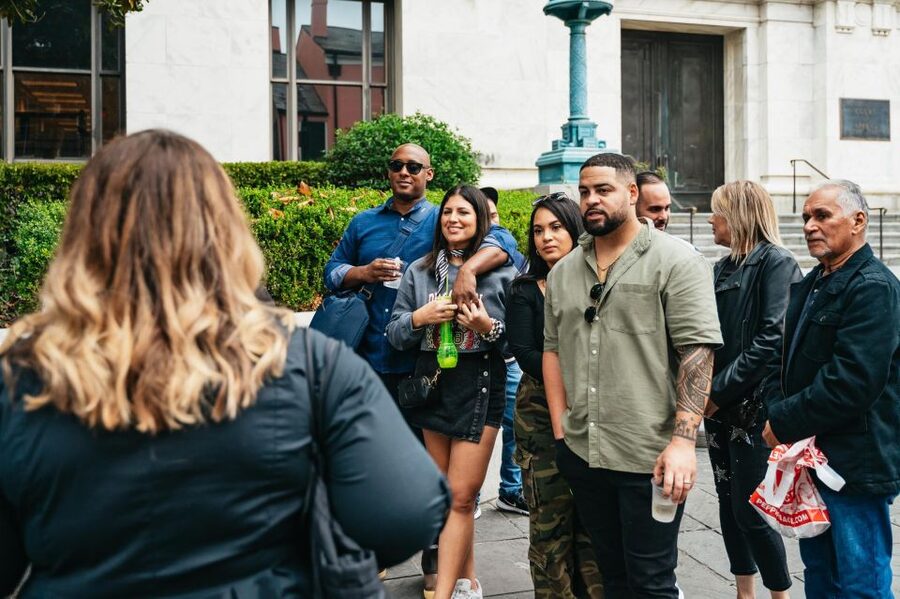
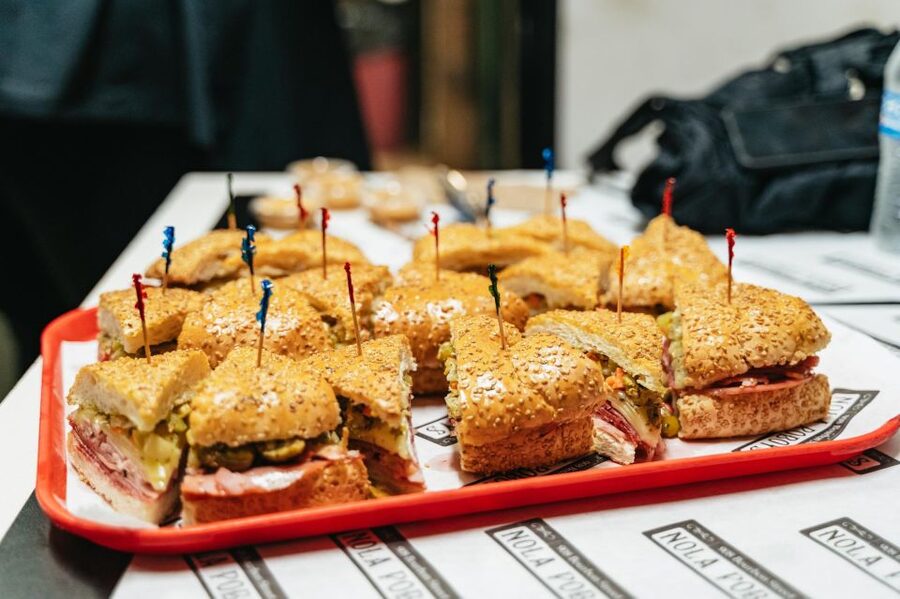
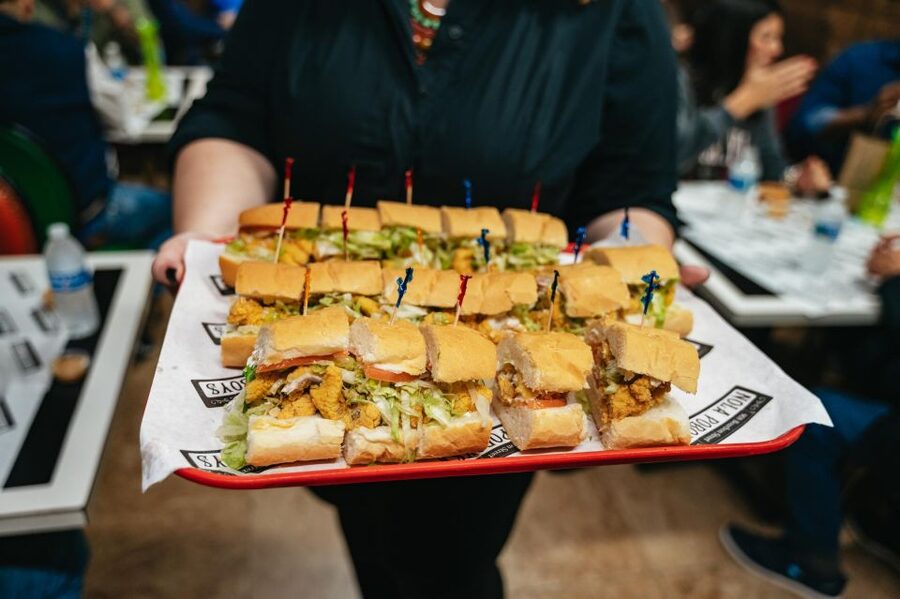
At NOLA Poboys, you learn more about Louisiana’s seafood tradition before you bite into a freshly fried catfish po-boy. This stop is where the tour shifts from “what this dish is” into “how the region eats.”
Po-boys are iconic for a reason: they are portable, satisfying, and designed for real hunger. Catfish adds a local signature that feels tied to the coast and waterways that shape New Orleans cooking.
If you want an easy win on a first visit, the po-boy stop is it. The guide context makes it more than just fast food on vacation.
Muffuletta plus boudin balls, two icons that explain the menu
Next comes another New Orleans original: the muffuletta sandwich. This is the other half of the sandwich story, and it’s smart to pair these two. Po-boy is about crunch and fried comfort; muffuletta is about bold, packed flavor, often built on layers that feel more “assembled” than fried.
After that, you get boudin balls, which bring the Cajun and Creole influence together in a snackable form. Boudin is one of those Louisiana ingredients that people either love fast or want to take a careful first bite. Either way, the tour format makes it easier to try without committing to a full plate.
This is also the part of the route where I recommend slowing down mentally. You are eating multiple signatures close together, so focus on texture and seasoning. That’s how you’ll actually learn what makes each dish itself.
Creole Cookery red beans and rice, comfort with a workday story
At Creole Cookery, you tuck into red beans and rice. This is a dish with deep connections to everyday life, not just special occasion dining. The guide’s job here is to explain how “regular” food becomes identity in New Orleans.
For me, red beans and rice is the perfect mid-tour meal. It’s filling but not chaotic, rich enough to satisfy, and it gives you a different rhythm from fried seafood and sandwich bites.
If you’ve ever wondered why New Orleans meals can feel both hearty and elegant, this stop is the answer in spoon form.
Bananas foster bread pudding, dessert that lands the finale
You finish on a sweet note with bananas foster bread pudding. Bread pudding is a New Orleans dessert staple, and bananas foster brings that signature caramelized fruit warmth.
This ending makes sense because you’ve spent the day moving through savory heat, savory crunch, and sweet praline flavor. Dessert here isn’t an afterthought, it’s the final flavor arc.
If you are trying to plan your day, note that this tour is built so you do not need a separate dessert stop afterward. You leave full, and usually happy about it.
Vegetarian option that actually changes the route
There is a Vegetarian Option you can request at checkout. For vegetarian guests, the tour includes items like black-eyed pea soup, veggie jambalaya, and portobello po-boys, plus other riffs on Southern classics.
I like this approach because it is not just a swap of one dish for another generic side. It keeps the tour moving through the same culinary categories, but without forcing vegetarians to eat only what’s easiest.
One limitation to plan around: the tour does not advertise gluten-free, dairy-free, or vegan alternatives. It also lists vegan as not suitable, so if you’re strictly plant-based, you’ll need a different food plan.
Price and value: is $85 fair for 3 hours?
At $85 per person for a 3-hour walking tour, you are paying for three things: guided routing, multiple tastings, and the convenience of not having to research each stop. It includes water, and the package also includes tips to servers and waitstaff, which can be easy to forget on your own.
You also get a strong “variety per hour” layout. Gumbo, hot sauce sampling, pralines, two major sandwiches, boudin, red beans and rice, plus dessert. That is not just one meal, it’s a tasting lineup built to cover the main pillars of New Orleans food culture.
Is it expensive? Compared with buying one dish on the street, sure. Compared with booking a single sit-down experience and then adding snacks and dessert later, it often feels like better value, especially because you’re paying once for the whole route.
If you have a tight food budget, treat it like a splurge day. If food is one of the reasons you travel, this price starts to look reasonable fast.
Pacing, rain plans, and what to bring
This is a walking tour on foot with multiple guided tasting stops. The day is designed around short stretches between places, so you are not marching across the city for long periods, but you are still walking.
Bring a water-friendly mindset. Water is included, but in New Orleans humidity, you’ll want to drink regularly. Also, wear comfortable shoes because the stops happen in and out of restaurant spaces.
If you want to enjoy the hot sauce bar, decide your strategy before you panic. You do not need to go full fire-breathing mode. Taste at your comfort level, then use the guide’s context to understand what you’re actually smelling and tasting.
Guides like Beth, Gary, Dylan, Meg, and John the Professor
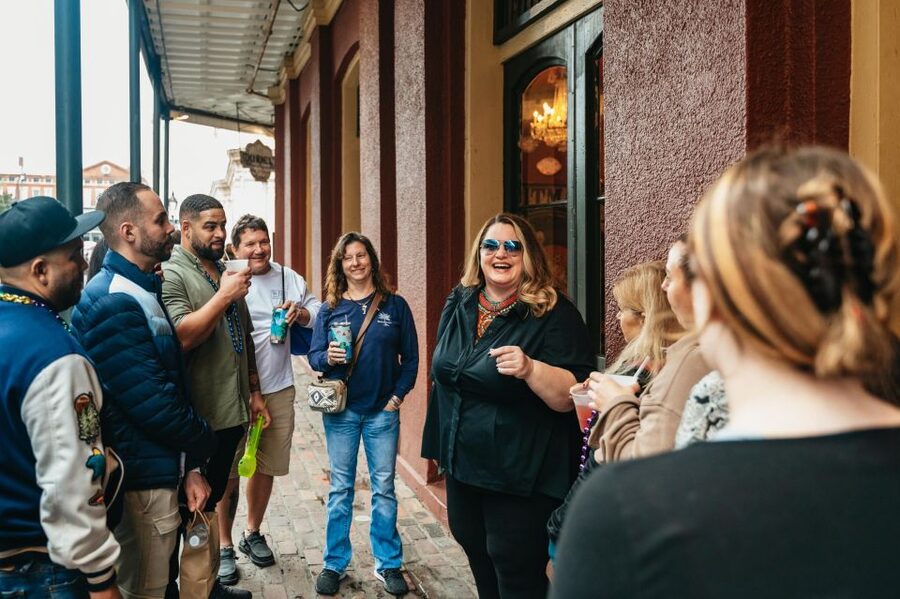
One theme stands out from the guide names attached to top ratings: the tours lean into storytelling. People praise guides like Beth, Gary, Dylan, Meg, and John, often described as John the Professor, for tying the food to the French Quarter and for keeping the energy fun.
The practical takeaway for you is simple. If you like your food explanations with jokes, local color, and clear pacing, you’re likely to feel taken care of. Guides who connect history to dishes also help you order better later, because you learn what to look for when you’re scanning menus.
I’ll add one small caution: the very first stop can feel a bit rough around the edges on arrival, at least based on past experiences with the staff at the starting location. The good news is that once the guide takes over, the tour flow typically feels organized and focused on your food journey.
Who should book this tour, and who should skip it
This is a great fit if you want a curated tasting route through classic French Quarter foods without spending your day hopping between random places. It’s also a strong choice if you want a clear New Orleans starter kit early in your trip.
It is also a solid option if you are a flexible eater who likes sandwiches, fried foods, and hearty comfort dishes. You should be comfortable with seafood flavors, since the po-boy stop uses catfish.
Skip it or choose carefully if you:
- Need gluten-free meals, since no gluten-free option is offered
- Require vegan dining, since vegan is listed as not suitable
- Have serious mobility limitations, even though the tour is marked wheelchair accessible, it is also listed as not suitable for people with mobility impairments
- Have dairy intolerance, since no dairy-free option is stated
Vegetarians should feel good about this route if they request the vegetarian option in advance, since it has dedicated dishes like black-eyed pea soup and portobello po-boys.
Should you book this French Quarter food history tour?
Book it if you want a structured way to eat your way through New Orleans classics, with history explained in a way that stays practical and memorable. The bread-and-butter value is the range: gumbo, hot sauce tasting, pralines, po-boy plus muffuletta, boudin balls, red beans and rice, and dessert, all in one route.
Think twice if you are strict about dietary needs beyond vegetarian, especially gluten-free or vegan. Also, if walking is hard for you, check with the provider about your specific mobility needs before committing.
If you like a guide who can turn food into stories, and you want to leave the French Quarter knowing what to order next, this is a very reasonable splurge at $85.
FAQ
How long is the New Orleans French Quarter Food History Walking Tour?
The tour lasts about 3 hours.
Where do I meet the guide?
You meet inside 3rd Block Depot at 316 Chartres St.
How many food tastings do I get?
The highlights describe up to 9 food tastings, and the included details list up to 8 food samples.
Do they offer a vegetarian option?
Yes. You can request the vegetarian option at checkout, with dishes like black-eyed pea soup, veggie jambalaya, and portobello po-boys.
Is there a gluten-free, dairy-free, or vegan option?
No. The tour states it does not have gluten-free, dairy-free, or vegan options, and it is listed as not suitable for vegans.
Are drinks included?
Water is included. Alcoholic beverages and soft drinks are not included, though stops typically have fully stocked bars where you can purchase drinks if you want.
More Historical Tours in New Orleans
- New Orleans Garden District History Walking Tour
★ 5.0 · 2,879 reviews - French Quarter Historical Sights and Stories Walking Tour
★ 5.0 · 2,724 reviews - New Orleans Small-Group Haunted History Carriage Tour
★ 4.5 · 2,289 reviews - New Orleans Haunted History Ghost Tour
★ 4.5 · 2,084 reviews
More Food & Drink in New Orleans
- Savannah First Squares Culinary & Cultural Walking Food Tour
★ 5.0 · 3,229 reviews - NYC: Chinatown & Little Italy Food Tour with 7 Flavorful Tastings
★ 5.0 · 2,733 reviews - Nashville: Food Tour with 5+ Tastings of Local Delicacies
★ 5.0 · 2,704 reviews - Historic Ybor City Food Walking Tour
★ 5.0 · 2,210 reviews
Newest New Orleans reviews on the site
- New Orleans: French Quarter, Voodoo and Cultural Experience★ 4.5 · 972 reviews
- From New Orleans: Oak Alley Plantation Tour★ 4.5 · 443 reviews
- New Orleans: Beloved Bites & Famous Dishes Food Tour★ 4.8 · 239 reviews
- New Orleans: Voodoo Queen Tour of French Quarter★ 4.7 · 482 reviews
- New Orleans: Bayou Tour in Jean Lafitte National Park★ 4.8 · 428 reviews
- New Orleans: Swamp Boat Ride & Oak Alley Plantation Tour★ 4.7 · 383 reviews
- New Orleans: Whitney Plantation Tour with Transportation★ 4.7 · 619 reviews
- New Orleans: Guided Swamp Cruise by Tour Boat★ 4.7 · 570 reviews
Walking Tours, compared.

History and Hauntings of Salem Guided Walking Tour
Read our review →
New Orleans Premier Ghost, Voodoo and Vampire Walking Tour
Read our review →

Freedom Trail History Small Group Walking Tour
Read our review →
Historic Charleston Guided Sightseeing Walking Tour
Read our review →
New Orleans Food Walking Tour of the French Quarter with Small-Group Option
Read our review →
St. Louis Cemetery No. 1 Official Walking Tour
Read our review →Browse the lists this tour appears in