
Reviewed · WORKSHOPS
New Orleans Demonstration Cooking Class with Meal
Want to master gumbo basics fast? This New Orleans cooking class turns a simple meal into a hands-on Louisiana culture lesson, with chefs guiding you through roux, spice, and the Cajun vs Creole story as dishes cook live. I like the 19th-century molasses warehouse setting and the fact that you walk out with plenty of food and a recipe copy for later. One thing to keep in mind, it can feel busy, and in a larger room you may need to focus to catch every detail.
Inside, the format is built for real learning without pressure. You watch Creole favorites like gumbo and jambalaya come together step by step, then you eat a full sampling of what you just saw, plus coffee, iced tea, water, and one local beer. If you are hoping to cook at the stove yourself, this one is a demonstration only experience, so come for the show and the meal.
In This Review
- Key things that make this class worth your time
- Step inside a converted molasses warehouse on St. Louis Street
- The demo you watch: roux, spices, and the gumbo playbook
- Stop 2 in the French Quarter, and how to use it
- What you eat after the cooking: a full Louisiana sampling
- Drinks: one local beer plus coffee and iced tea
- Seasoning and spice level, plus how to control it
- The French Quarter food logic you learn while you eat
- Recipes to take home, plus the diploma-style challenge
- The value question: is $43 worth it?
- Who this class fits best (and who should skip it)
- Should you book this New Orleans cooking demonstration class?
- FAQ
- How long is the New Orleans cooking demonstration with a meal?
- Where does the class start?
- Is this a hands-on cooking class?
- What is included with the ticket price?
- Does the meal include beer?
- What kinds of dishes are served?
- Can the class accommodate dietary restrictions?
- How do I get the recipes home?
- Is there a group size limit?
Key things that make this class worth your time
- A converted molasses warehouse vibe that keeps the experience casual and memorable
- Live demos of classic Creole dishes, including gumbo and jambalaya, with technique talk
- A full tasting meal, not tiny bites, paired with one local beer or non-alcoholic drinks
- Recipes and a diploma-style follow-up, so you can practice at home
- A real group limit (up to 68), which usually keeps the class flowing, but can be loud
Step inside a converted molasses warehouse on St. Louis Street
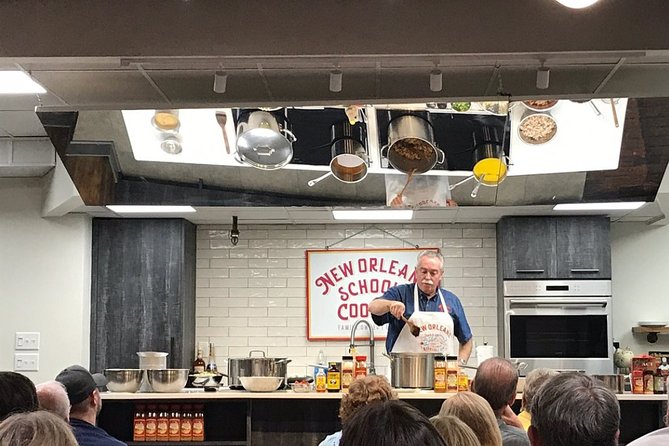
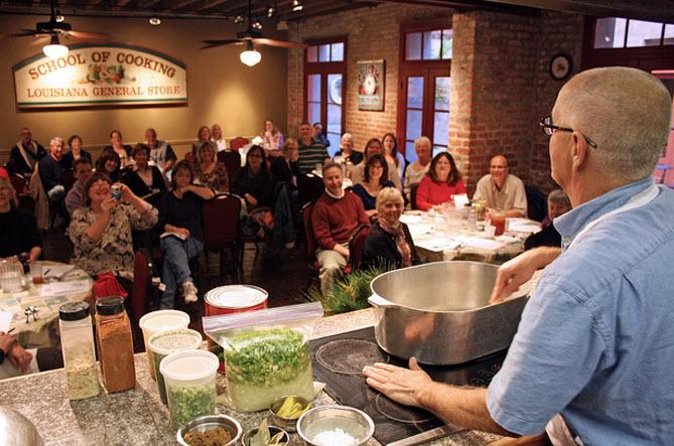
The experience starts at the New Orleans School of Cooking, 524 St Louis St, in a building with the feel of an old working warehouse. The tour format puts you in a shared room with other food lovers, watching from seated arrangements while the chef works in front of you. It is not a stuffy classroom. It is more like a lively dinner show that teaches you what matters, then feeds you what you learned.
Timing is compact, about 2 hours. That matters in New Orleans because your day is usually already planned around meals, music, and walking. This class gives you a structured culinary activity that does not swallow your whole afternoon.
One practical note: with a maximum group size of 68, you can expect a crowd. That is not automatically bad. It does mean you will want to arrive on time, grab a seat where you can hear, and keep your attention on the chef’s table when questions start.
Other New Orleans outings to compare
- New Orleans Hands-On Cooking Class with Meal
★ 5.0 · 1,183 reviews - New Orleans: Cajun and Creole Cooking Class
★ 4.9 · 730 reviews - Undiscovered Charleston: Half Day Food, Wine & History Tour with Cooking Class
★ 5.0 · 948 reviews
The demo you watch: roux, spices, and the gumbo playbook
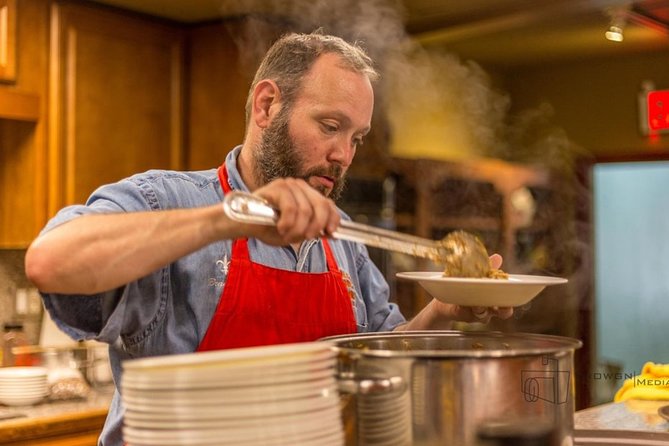
This is a true demonstration class, so you will not chop, stir, or plate on your own. Instead, you watch an expert chef explain the fundamentals and techniques while dishes are prepared live. The teaching center is the flavor logic of Louisiana cooking, especially the role of a good roux in dishes like gumbo.
You will also get the “why” behind the food. The chef talks about the melting pot that shapes Louisiana cuisine, with clear explanation of how Cajun and Creole food traditions differ, and what overlaps. You may notice that the class is designed for beginners, but it still gives real take-home value if you cook at home already.
A detail I appreciate is that the class encourages questions. Chefs in this program are known for storytelling and for explaining what they are doing as they cook, including the spice choices and technique timing that create depth in dishes like gumbo and etouffée. Different sessions may feature different instructors, and names that have appeared include Chef Eric, Chef Austin, Chef Dianne, Chef Viviane, Chef Terri, Lynn, Rene, and Chef Faucheaux. Whoever leads, the goal stays the same: you leave understanding the mechanics of Louisiana flavor, not just the final dishes.
Stop 2 in the French Quarter, and how to use it
Your day includes a French Quarter stop. The schedule is short, so I treat this as a helpful anchor rather than a full guided walk. Think of it as time that keeps you close to one of the most convenient bases for dining, photos, and wandering later.
If you are building your itinerary around food, this works well. You can do the class earlier in the day, then use the French Quarter area afterward for a second bite of local life. If you are planning to see specific sights, having a Quarter connection makes it easier to roll into your next stop without backtracking.
What you eat after the cooking: a full Louisiana sampling

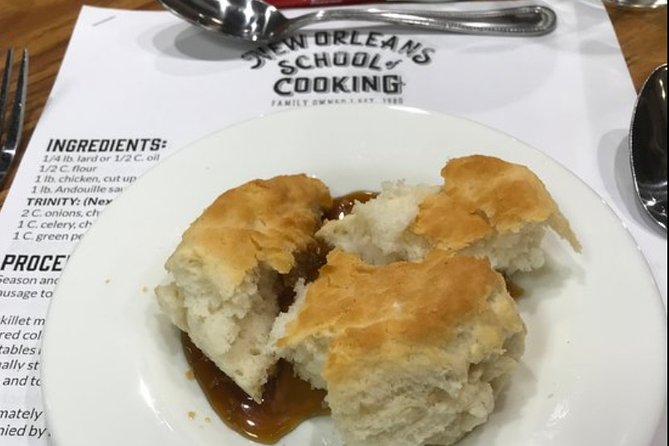
The main payoff is that you do not just watch. After the cooking demonstrations, you get a generous sampling of the items prepared, with drinks to match.
Based on the menu pattern for the class, you can expect a lineup that often includes:
- Starter: corn and crab bisque
- Main: gumbo
- Main: jambalaya
- Main: shrimp or chicken creole
- Main: crawfish etouffée
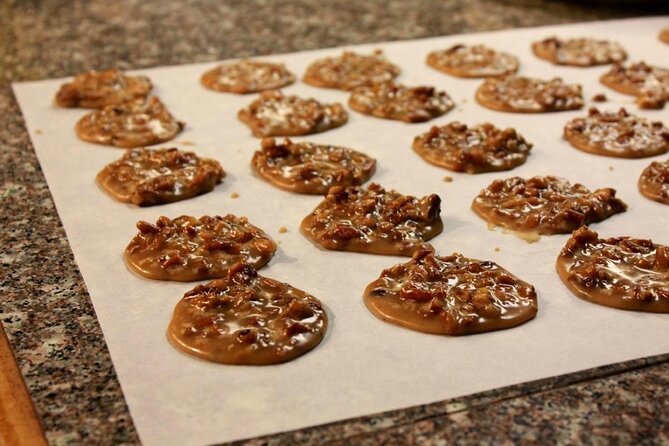
- Desserts: bread pudding, bananas foster, pralines, and pecan pie (often as multiple dessert portions during the meal)
This is one of the best value features, because many cooking classes show you food, but you still have to pay for the actual meal afterward. Here, the meal is part of the ticket price, so you can plan your budget around this instead of guessing what you will eat later.
Same corner of the map, another day out:
- New Orleans Premier Ghost, Voodoo and Vampire Walking Tour
★ 4.5 · 12,856 reviews - New Orleans Steamboat Natchez Jazz Cruise with Dinner Option
★ 4.0 · 7,533 reviews - Adults-Only New Orleans Ghost, Crime, Voodoo, and Vampire Tour
★ 5.0 · 6,545 reviews - New Orleans Food Walking Tour of the French Quarter with Small-Group Option
★ 5.0 · 6,118 reviews
Drinks: one local beer plus coffee and iced tea
Your included drinks list is simple and useful: coffee, iced tea, water, and one local beer. That is a great mix for a class that runs about two hours. If you are avoiding alcohol, you can still settle into the flavors with iced tea, coffee, and water.
Seasoning and spice level, plus how to control it
One small detail that can make the difference for your enjoyment: this class does not aim to make everything extremely spicy by default. What they do instead is leave seasoning blends out for you to adjust to your taste. In past sessions, they mention Joe’s Stuff options on the table, including original, Bayou Blend, and Hot, so you can “doctor it up” without messing with the chef’s core recipe.
If you love heat, this matters. If you are sensitive to spice, it also helps you feel comfortable, because you can add flavor gradually rather than being forced into one intensity level.
The French Quarter food logic you learn while you eat
What makes this class more than a lunch is the way it connects technique to flavor. Gumbo is not just a dish. It is a framework: roux for body, aromatics for base flavor, and the right timing so ingredients keep their character. Jambalaya is a different rhythm, with rice built to absorb seasoning and juices instead of sitting in sauce.
You also hear how dishes fit together in Louisiana meals and why certain combinations show up again and again. For example, the dessert lineup is classic Louisiana comfort food, not just a sweet afterthought. When you taste bread pudding and pralines right after savory dishes, you feel the pattern of the cuisine as a whole.
If you want one practical takeaway, it is that you can recreate the flavor logic at home even if you never make a full pot of gumbo the same way. The class focuses on fundamentals you can use: thickness, seasoning balance, and how spice layers work.
Recipes to take home, plus the diploma-style challenge
You leave with a copy of class recipes. That is a big deal if you like to cook, because the written list lets you repeat what you learned without trying to remember every detail.
There is also a fun follow-up idea: you can receive a diploma by submitting photos of the recipes you make at home. Even if you never get around to submitting anything, the concept nudges you toward practice, and practice is how this learning sticks.
The value question: is $43 worth it?
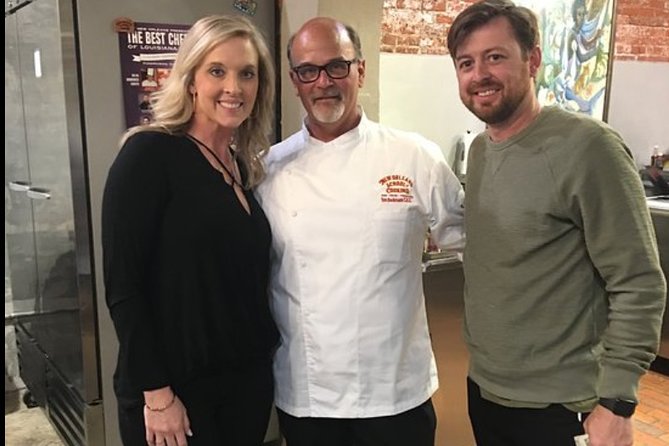
At $43 per person for about 2 hours, this price point can feel like a bargain once you break down what you actually receive. You get a live cooking demonstration, a full tasting meal across multiple savory dishes and desserts, plus coffee, iced tea, water, and one local beer. You also get recipe copies you can use later.
In real travel terms, the biggest value is that you are paying for both education and food in one package. If you were to recreate the same day by buying lunch plus a separate paid cooking experience, you would likely spend more time and money to get the same outcome.
There is also a “time value” angle. Two hours is manageable. It fits into a schedule without forcing you into a half-day or full-day block, which is helpful if you have other priorities around the Quarter.
Who this class fits best (and who should skip it)
This works especially well for:
- First-time visitors who want to understand Louisiana cuisine basics quickly
- People who love learning from a chef, even if you never plan to cook professionally
- Couples and friends who want a shared, fun, story-driven meal
It is also good if you are traveling with someone who is not a strict foodie. The format is entertaining and social. You can enjoy the show even if your cooking skills are limited.
You might want a different option if:
- You were hoping for hands-on cooking, since this is a demonstration only class
- You know you struggle with loud rooms or crowd noise, because the group can be up to 68
- You are very sensitive to spice, since the default flavor approach is not aimed at being extremely hot, though you can adjust using seasoning options on the table
Should you book this New Orleans cooking demonstration class?
I would book it if you want an easy win: Louisiana cuisine basics, served with real samples and real technique talk, in a setting that feels like New Orleans rather than a generic cooking room. The recipe handoff makes it more than entertainment, and the menu scope is wide enough to cover gumbo, jambalaya, and the classic dessert favorites.
If you hate crowds, plan to arrive early for a good seat and keep your attention on the chef. If you want to cook yourself, look for a hands-on class instead.
Overall, this is one of the simplest ways to get a guided taste of Creole cooking and take some of the method home with you, without turning your day upside down.
FAQ
How long is the New Orleans cooking demonstration with a meal?
It runs for about 2 hours.
Where does the class start?
The meeting point is the New Orleans School of Cooking, 524 St Louis St, New Orleans, LA 70130.
Is this a hands-on cooking class?
No. It is a demonstration class only, with no hands-on training.
What is included with the ticket price?
You get the cooking demonstration, a full meal with generous samples of what is prepared, coffee, iced tea, water, and one local beer, plus a copy of the class recipes.
Does the meal include beer?
Yes. Your meal includes one local beer, along with coffee, iced tea, and water.
What kinds of dishes are served?
The menu can include items such as corn and crab bisque, gumbo, jambalaya, shrimp or chicken creole, crawfish etouffée, bread pudding, bananas foster, pralines, and pecan pie.
Can the class accommodate dietary restrictions?
Yes. Dietary restrictions can be accommodated. For a $5 upcharge payable at check-in, you receive vegan, gluten-free, and nut-free substitutions called gumbo z’herbes (soup) and creole z’herbes (entree). These substitutions are discussed and provided as part of the class materials, but they are not the recipes demonstrated during the cooking.
How do I get the recipes home?
You receive a copy of the class recipes at the end of the experience.
Is there a group size limit?
Yes. The experience has a maximum of 68 travelers.
Newest New Orleans reviews on the site
- New Orleans: French Quarter, Voodoo and Cultural Experience★ 4.5 · 972 reviews
- From New Orleans: Oak Alley Plantation Tour★ 4.5 · 443 reviews
- New Orleans: Beloved Bites & Famous Dishes Food Tour★ 4.8 · 239 reviews
- New Orleans: Voodoo Queen Tour of French Quarter★ 4.7 · 482 reviews
- New Orleans: Bayou Tour in Jean Lafitte National Park★ 4.8 · 428 reviews
- New Orleans: Swamp Boat Ride & Oak Alley Plantation Tour★ 4.7 · 383 reviews
- New Orleans: Whitney Plantation Tour with Transportation★ 4.7 · 619 reviews
- New Orleans: Guided Swamp Cruise by Tour Boat★ 4.7 · 570 reviews
Workshops, compared.
New Orleans Hands-On Cooking Class with Meal
Read our review →
Undiscovered Charleston: Half Day Food, Wine & History Tour with Cooking Class
Read our review →


Beginner-Friendly Waikiki Beach Surfing Lesson
Read our review →
Browse the lists this tour appears in