
Reviewed · WORKSHOPS
New Orleans: Cajun and Creole Cooking Class
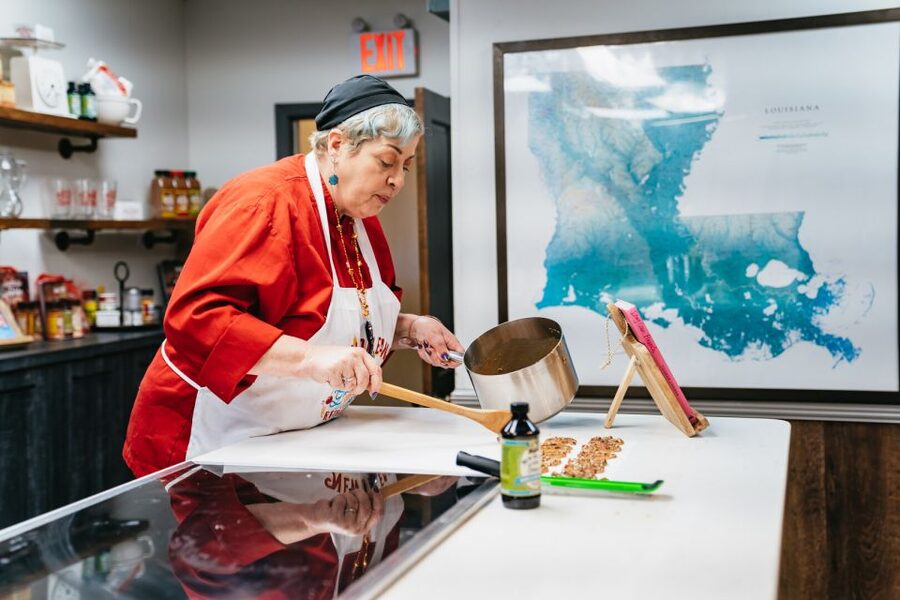
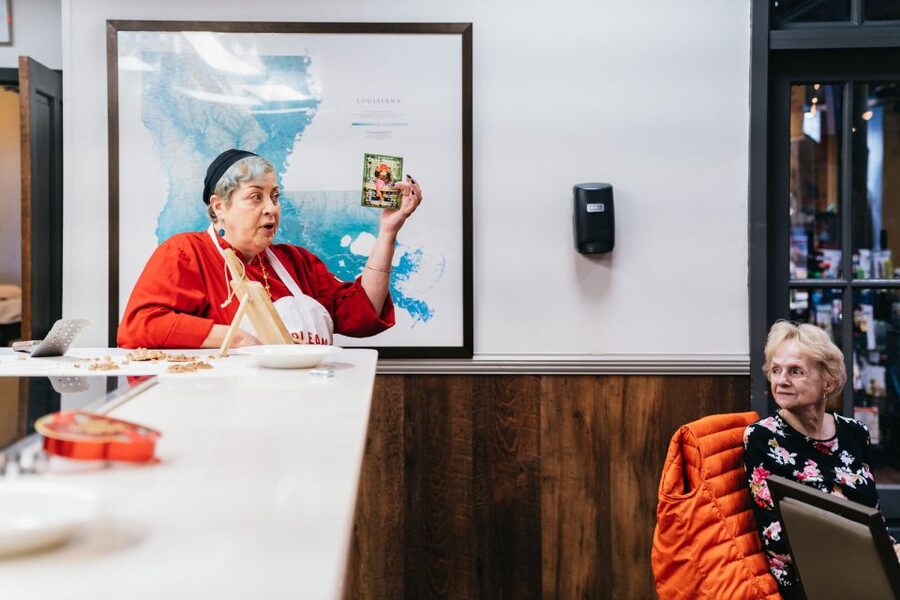
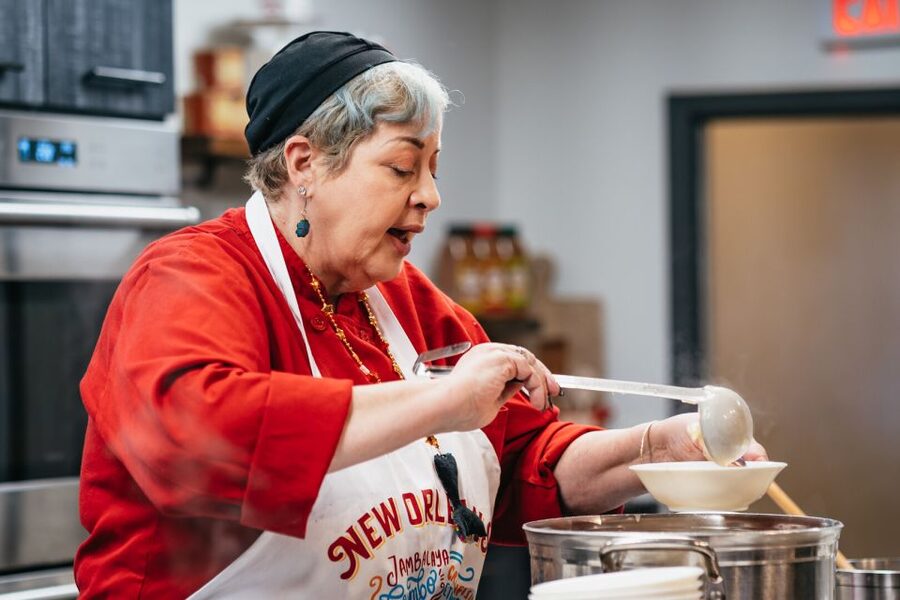
Cajun and Creole, minus the stress. I love the French Quarter setting in a renovated early-1800s molasses warehouse, and I love that you get straight-up culinary know-how through a live chef demo plus a big 3 or 4-course meal. One thing to think about: this is mostly a cooking demonstration, so if you want hands-on chopping and stirring, you may feel a bit disappointed.
You’ll sample New Orleans favorites like gumbo, jambalaya, shrimp creole, crawfish etouffee, and pralines, with local drinks such as Dixie beer (plus iced tea and lemonade). You also leave with recipe copies and a coupon for the general store, which is a smart way to keep the flavors going after your trip.
In This Review
- Key Takeaways Before You Go
- Inside the French Quarter, in an early-1800s molasses warehouse
- The “class” is a chef-led cooking demonstration, and that can be a good thing
- What you will eat at 10:00 AM, from gumbo to pralines
- Drink plan for the morning slot
- What you will eat at 2:00 PM, with shorter menu patterns
- The dishes that teach you the region, not just fill your plate
- The chef storytelling is the real ingredient
- Eat now, shop later, and plan your appetite
- Recipe copies and a general store coupon that actually help you cook again
- Price and value: is $40 fair for 150 minutes plus a full meal?
- Who should book this Cajun and Creole demo
- Quick tips to get the most from your 150 minutes
- Should you book this Cajun and Creole cooking class?
- FAQ
- How long is the Cajun and Creole cooking class?
- What time slots are available?
- Is it a hands-on cooking class?
- What food is included?
- What drinks are included?
- Are outside drinks allowed?
- Where do I check in?
- Do I receive recipes to take home?
- Is hotel pickup or drop-off included?
- Is the experience wheelchair accessible?
Key Takeaways Before You Go
- French Quarter molasses warehouse vibe in an early-1800s building that makes the whole meal feel like a time machine
- Live demo format where you sit back, watch closely, and learn the steps and stories
- Three to four courses in the price with Cajun and Creole classics, not just a small snack
- A “learn then eat” flow with tasting built right into the experience
- Take-home tools: recipe copies plus a general store coupon for seasonings
Inside the French Quarter, in an early-1800s molasses warehouse
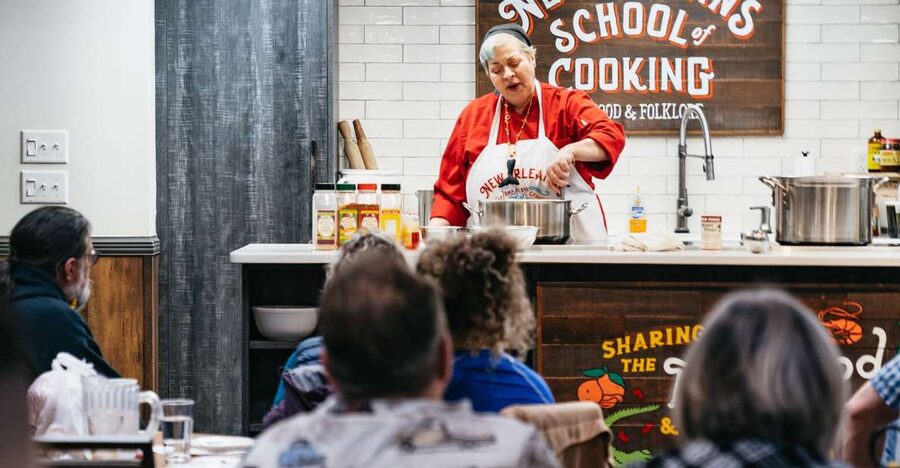
Walking into the New Orleans School of Cooking General Store is part of the fun. Check in at the register, then take in the shop feel before the demo starts, because this place is tied to the same food world you are about to eat.
The standout detail is the building itself. The class happens in a renovated molasses warehouse built in the early 1800s, and that context matters. New Orleans cooking is not just about flavors, it is about what people had access to and how communities adapted over time. Being in that old warehouse makes it easier to pay attention to the chef’s explanations and not treat this as just another food stop.
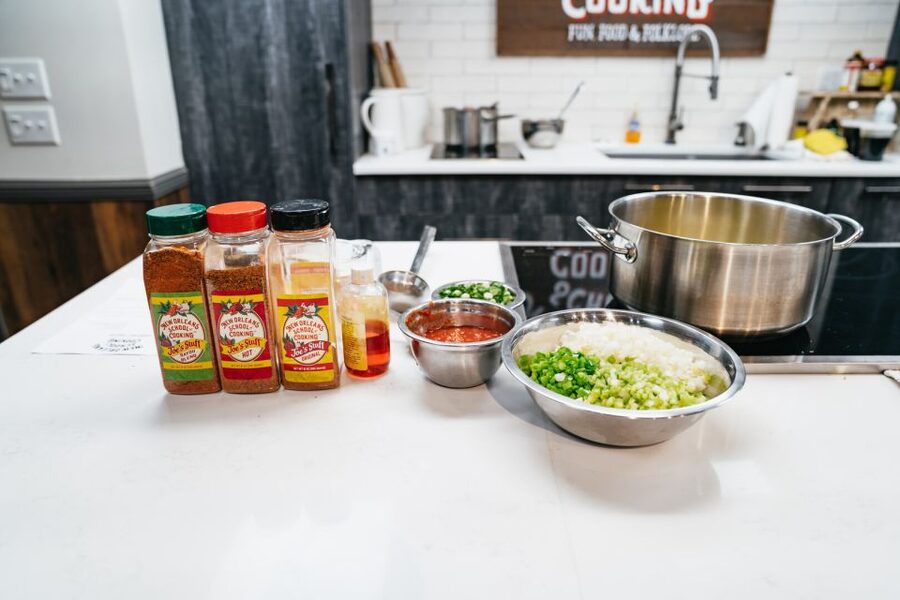
Before you sit down, you can also browse locally sourced products. If you have ever thought, I want that seasoning taste without guessing, this is where it clicks. The store is home of Joe’s Stuff Creole Seasoning, a name that comes up for people who cook and for those who want to recreate meals later.
Other New Orleans outings to compare
- New Orleans Demonstration Cooking Class with Meal
★ 5.0 · 3,000 reviews - New Orleans Hands-On Cooking Class with Meal
★ 5.0 · 1,183 reviews - Undiscovered Charleston: Half Day Food, Wine & History Tour with Cooking Class
★ 5.0 · 948 reviews
The “class” is a chef-led cooking demonstration, and that can be a good thing
The title says cooking class, but the structure is a demo. The experience is built around you watching the chef prepare authentic Cajun and Creole recipes while learning the why behind the how. You get to listen, ask questions, and follow along as dishes come together course by course.
This format has two big advantages. First, you get to focus on technique and timing without worrying about burning a roux or overcooking seafood. Second, you get the stories tied to the dishes, and those stories make the flavors more memorable.
The main drawback is simple. If your dream is to wear an apron and do most of the cooking yourself, plan for a lighter, observational experience. You are there to learn like a student in the front row, not to be the person holding the spoon.
What you will eat at 10:00 AM, from gumbo to pralines
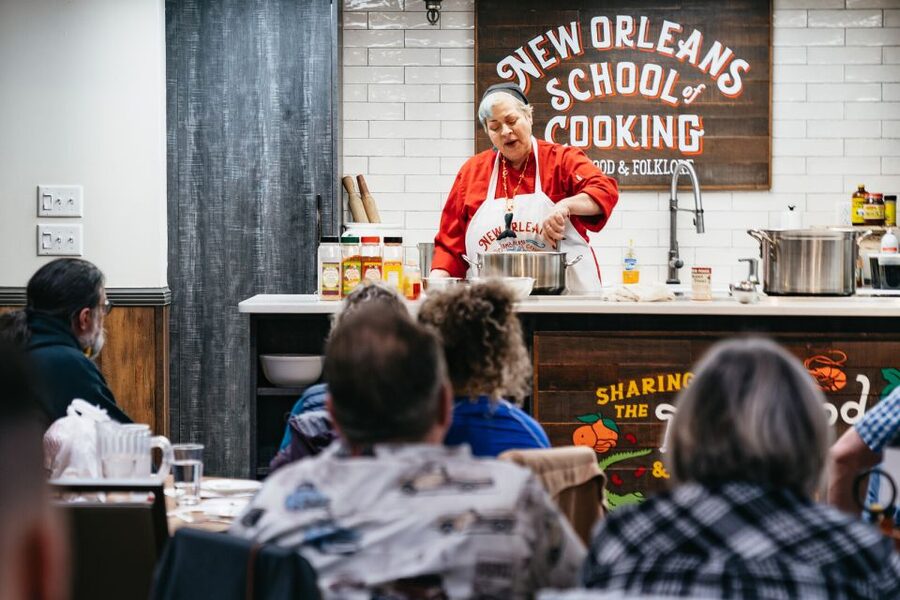
The 10:00 AM class runs about 150 minutes, and you will get a 3 or 4-course Cajun and Creole meal. The exact menu shifts by day, but gumbo shows up often, along with the dessert stars of pralines and other New Orleans favorites.
Here is what a few of the 10:00 AM days look like:
- Saturday, Sunday, Wednesday: gumbo, jambalaya, bread pudding, and pralines
- Monday: gumbo, red beans and rice, pecan pie, and pralines
- Tuesday: gumbo, jambalaya, bananas foster, and pralines
- Thursday: corn and crab bisque, shrimp creole, bananas foster, and pralines
- Friday: crawfish etouffee, shrimp and artichoke soup, bread pudding, and pralines
If you are the kind of person who likes to taste the classics back to back, this morning schedule is strong. You end up with a full spread of Louisiana comfort food, plus desserts that show up in New Orleans for a reason.
Drink plan for the morning slot
For the 10:00 AM class, hot coffee is included. You will also be offered Dixie beer and non-alcoholic drinks like iced tea and lemonade as part of the meal experience.
One more note to keep in mind: the activity states drinks are not allowed. Since beverages are clearly included, what that usually means in practice is that you should not plan on bringing outside drinks into the event space. If that matters to you, it is worth messaging ahead with a quick question.
Same corner of the map, another day out:
- New Orleans Premier Ghost, Voodoo and Vampire Walking Tour
★ 4.5 · 12,856 reviews - New Orleans Steamboat Natchez Jazz Cruise with Dinner Option
★ 4.0 · 7,533 reviews - Adults-Only New Orleans Ghost, Crime, Voodoo, and Vampire Tour
★ 5.0 · 6,545 reviews - New Orleans Food Walking Tour of the French Quarter with Small-Group Option
★ 5.0 · 6,118 reviews
What you will eat at 2:00 PM, with shorter menu patterns
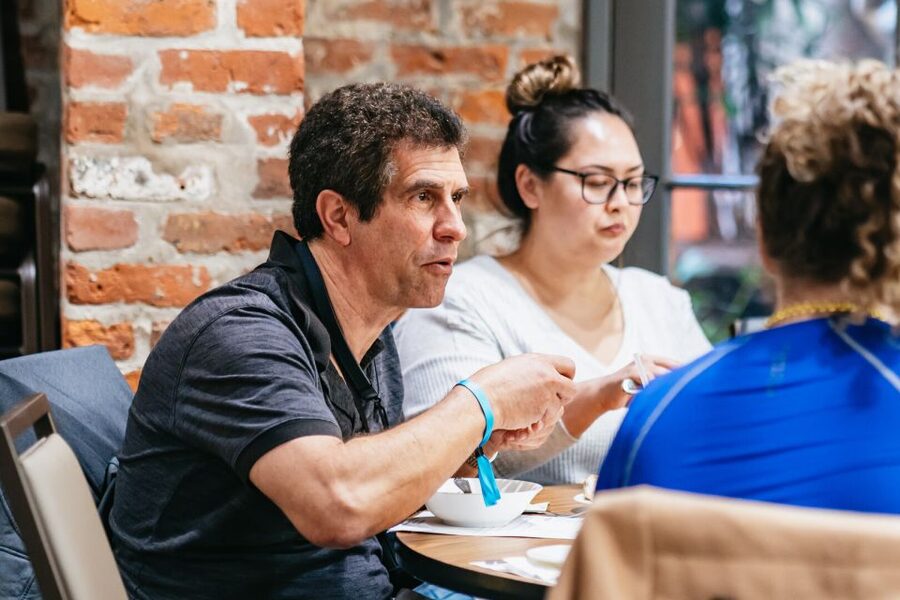
The 2:00 PM class also runs about 150 minutes, with a Cajun and Creole meal included. The menus are a bit tighter here, with pralines showing up across all listed 2:00 PM days.
A few examples:
- Saturday: crawfish etouffee, shrimp and artichoke soup, and pralines
- Sunday, Tuesday: corn and crab bisque, chicken etouffee, and pralines
- Monday, Thursday, Friday: gumbo, jambalaya, and pralines
- Wednesday: gumbo, chicken creole, and pralines
This afternoon schedule works well if you want a late lunch or if you want to eat this first and keep dinner easy. It also gives you flexibility to add another French Quarter meal later without feeling like you have to commit to a full multi-course sit-down.
The dishes that teach you the region, not just fill your plate
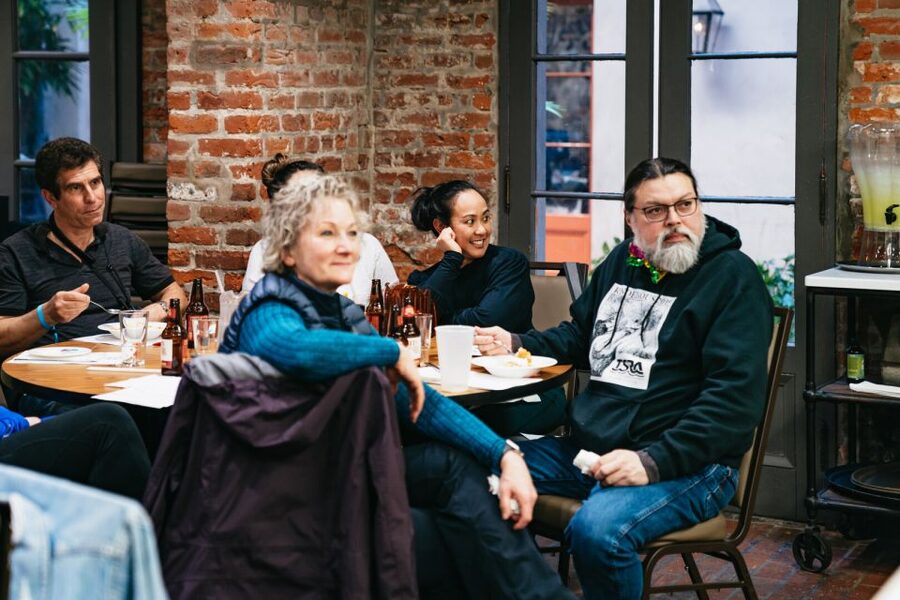
A lot of Cajun and Creole cooking feels similar until you taste and understand the differences. This experience is built to help you connect the dots.
For instance:
- Gumbo is a centerpiece dish where the chef can explain thickening, flavor building, and how the stew becomes its own category.
- Jambalaya gives you a second lens, especially around rice, seasoning, and layering flavor.
- Etouffee like crawfish etouffee and etouffee-style ideas with chicken show you the sauce approach, not just the protein.
- Shrimp creole and corn and crab bisque show you how Creole cooking can run sweeter, tangier, and more sauce-forward, depending on the recipe.
- Pralines are the dessert takeaway you can actually picture making later, which is rare for restaurant sweets.
If you pay attention to what the chef highlights, you should leave with a clearer sense of how Cajun and Creole overlap while still having their own personalities.
The chef storytelling is the real ingredient
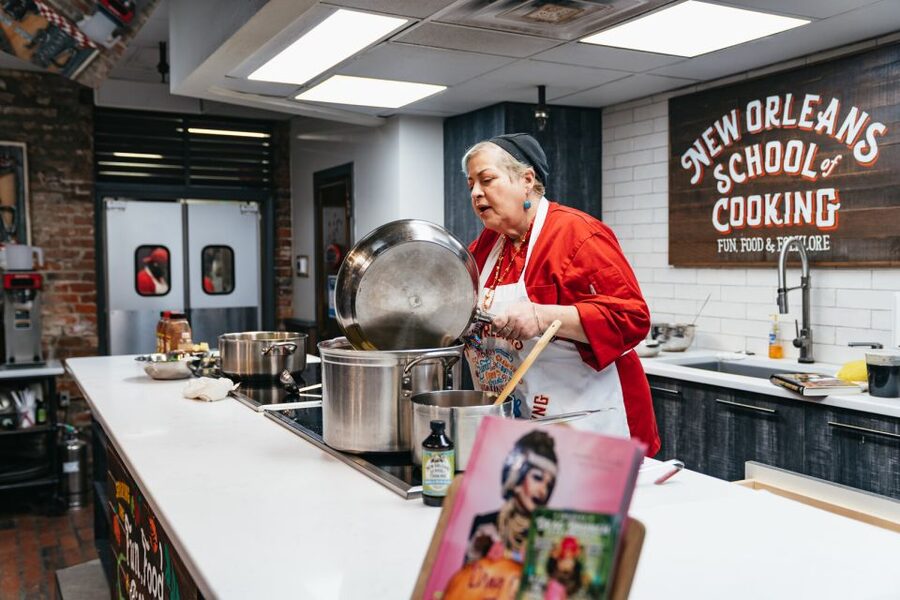
This is one of those experiences where the cooking is important, but the explanation is what makes it stick. The chef is the instructor, and the demo is wrapped in context: culinary heritage, folklore, and how New Orleans culture and cuisine weave together.
What I like about this approach is that it helps you taste with intention. You do not just eat gumbo because it is popular. You learn why a dish exists, what it reflects, and what locals might mean when they talk about the food.
The experience has been led by different chefs across classes, and you may see names like Austin, Lynn, Dianne Honoré, Harriet, Eric, Michael, and Rene. Some instructors are known for combining humor with history, and that matters because it turns listening into something you want to do.
Eat now, shop later, and plan your appetite
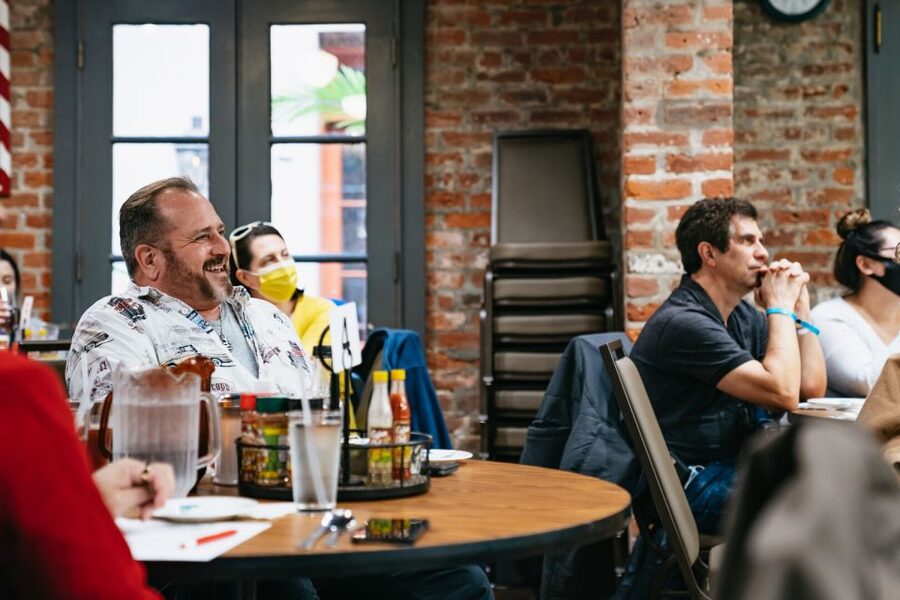
This is not a light tasting. You should go in ready to eat, because the meal is a core part of the experience and includes multiple dishes plus dessert.
That means it is smart to avoid a big breakfast or a heavy snack right before your class time. If you are trying to stack multiple French Quarter activities in one day, schedule this earlier rather than right before dinner. You will likely want a slower pace afterward.
Also, since the class includes drinks, you can keep your plans simple. Expect Dixie beer plus iced tea and lemonade, and for the morning class, hot coffee.
Recipe copies and a general store coupon that actually help you cook again
The take-home part is not just a paper handout. You get recipe copies at the end, plus a coupon you can use in the general store. That combo is a big value boost for anyone who wants to cook after the trip instead of relying on memory.
If you are serious about recreating the flavors, the store is where you can buy the supporting cast. Joe’s Stuff Creole Seasoning is the standout product name tied to the location, and it makes a lot of sense as a souvenir because seasoning is one of the easiest ways to bring New Orleans into your kitchen.
Pralines and gumbo are also the kinds of foods people can learn from at home if they have a real recipe in front of them. The more you pay attention during the demo, the more useful those recipe copies become.
Price and value: is $40 fair for 150 minutes plus a full meal?
At $40 per person, this experience can feel like a bargain when you look at what you get. You are paying for:
- a live chef instructor
- a 3 or 4-course Cajun and Creole meal
- included drinks
- recipe copies
- and a coupon for additional purchases
In other words, you are not paying just for the show. You are paying for a structured food experience that fills your stomach and sends you home with tools to cook again.
One way to judge value for yourself is this. If you already love gumbo, jambalaya, or pralines, you are basically buying a guided way to try multiple dishes in one sitting, in a meaningful setting, without needing to research 10 menus on your own. If those dishes are not on your radar, you may still enjoy it for the culture and the storytelling, but the value lands best when you are hungry for Louisiana comfort food.
Who should book this Cajun and Creole demo
This is a great fit if you want:
- a fun, laid-back food activity that teaches you something
- a chef-led explanation instead of a hands-on class at a crowded station
- a French Quarter experience that includes shopping and a proper meal
- an easy way to bring flavors home with recipes and seasoning
It is also a good choice for groups, including teens and mixed ages, because everyone can watch and taste without needing different skill levels.
If you are the type who learns best by doing, you might feel you are watching too much. In that case, search for a more hands-on option and compare formats before you commit.
Quick tips to get the most from your 150 minutes
Here are a few practical things that make the experience easier and more enjoyable:
- Show up with an appetite. You are eating a full meal, plus dessert. Plan your day so you are not stuffed beforehand.
- Sit where you can hear. The demo depends on listening, so if sound is an issue for you, aim for closer seats.
- Ask about the technique. The point is to learn how flavors build, not just what ingredients are used.
- Have your shopping list ready. If you want seasoning, browse before you leave, and use that general store coupon at the end.
- Pick the menu that matches your cravings. Morning menus often include more variety, while afternoon menus tend to be more condensed but still focused and complete.
Should you book this Cajun and Creole cooking class?
Book it if you want an efficient New Orleans food experience that blends Cajun and Creole classics, storytelling, and a real meal, all in a memorable early-1800s warehouse setting. At $40, the recipe copies and the general store coupon help push it from a one-time activity into something you can repeat at home.
Skip it or reconsider if you specifically want a hands-on cooking workshop where you do the bulk of the cooking. This one is built for watching, learning, and eating, which can still be a win, but it is best matched with the right expectations.
If you are in the French Quarter and you want a flavorful way to understand the region beyond the usual restaurant rounds, this is one of the smartest ways to spend a couple hours.
FAQ
How long is the Cajun and Creole cooking class?
The class runs about 2 hours, or 150 minutes.
What time slots are available?
There are two class times: 10:00 AM and 2:00 PM.
Is it a hands-on cooking class?
The experience is set up so you sit back and watch the chef prepare authentic Cajun and Creole recipes, then you enjoy the finished meal.
What food is included?
You get a 3 or 4-course Cajun and Creole meal. The included dishes change by day and class time, with options like gumbo, jambalaya, crawfish etouffee, shrimp creole, and pralines.
What drinks are included?
The meal includes Dixie beer, iced tea, and lemonade. Hot coffee is included for the 10:00 AM class only.
Are outside drinks allowed?
The activity notes that drinks are not allowed.
Where do I check in?
Enter the New Orleans School of Cooking General Store and check in at the register.
Do I receive recipes to take home?
Yes. You receive recipe copies to recreate the dishes at home.
Is hotel pickup or drop-off included?
No. Hotel pickup and drop-off are not included.
Is the experience wheelchair accessible?
Yes, the experience is wheelchair accessible.
Newest New Orleans reviews on the site
- New Orleans: French Quarter, Voodoo and Cultural Experience★ 4.5 · 972 reviews
- From New Orleans: Oak Alley Plantation Tour★ 4.5 · 443 reviews
- New Orleans: Beloved Bites & Famous Dishes Food Tour★ 4.8 · 239 reviews
- New Orleans: Voodoo Queen Tour of French Quarter★ 4.7 · 482 reviews
- New Orleans: Bayou Tour in Jean Lafitte National Park★ 4.8 · 428 reviews
- New Orleans: Swamp Boat Ride & Oak Alley Plantation Tour★ 4.7 · 383 reviews
- New Orleans: Whitney Plantation Tour with Transportation★ 4.7 · 619 reviews
- New Orleans: Guided Swamp Cruise by Tour Boat★ 4.7 · 570 reviews
Workshops, compared.
New Orleans Demonstration Cooking Class with Meal
Read our review →
New Orleans Hands-On Cooking Class with Meal
Read our review →
Undiscovered Charleston: Half Day Food, Wine & History Tour with Cooking Class
Read our review →


Beginner-Friendly Waikiki Beach Surfing Lesson
Read our review →
Browse the lists this tour appears in