
Reviewed · WHALE WATCHING
Monterey Bay: Whale Watching Tour
Whales in Monterey feel close. This 3 to 4 hour cruise works the Monterey Bay National Marine Sanctuary, where the water is teaming with big animals, often close to shore. I like that you get a proper naturalist focus, scanning for humpbacks plus dolphins, porpoises, and even fin and blue whales when conditions line up.
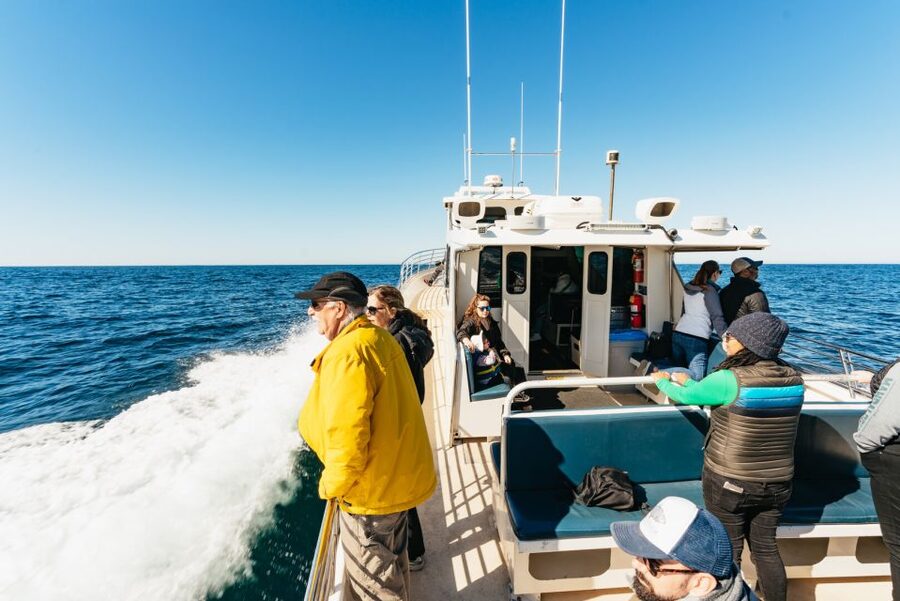
I also like the small-boat vibe, with at least one group calling out about 25 people on board, so you are not stuck staring through a forest of shoulders. It is a well-paced outing with hot beverages included, but one thing to plan for is motion, the ocean can be choppy, and seasickness help is sold at the office.
In This Review
- Key points to know before you go
- Why Monterey Bay whales feel extra watchable
- Before you board: parking, check-in, and what to bring
- From Discovery Whale Watch to Old Fisherman’s Wharf: the calm start
- Cannery Row and the Sanctuary edge: what you should be watching for
- On the water in summer and fall: feeding whales and fast-changing sightings
- Winter cruises for gray whales: why the south-end change matters
- The biologist guide, hot drinks, and the human touch on board
- Comfort tactics for a 3 to 4 hour whale watch
- Price and value: is $75 worth it?
- Who should book, and who should rethink it
- Should you book this Monterey Bay whale watching cruise?
Key points to know before you go
- Monterey Bay wildlife is close to shore, thanks to the bay’s submarine canyon.
- Season changes the mission: summer and fall often focus on feeding whales, winter often tracks migrating gray whales.
- A biologist guide brings context to what you are seeing and why the sanctuary matters.
- Early check-in and waivers take time, so do not roll up at the last minute.
- Dress for cold and wind, even on sunny days off the pier.
- Bring your own snacks if you want, since food is not included.
Why Monterey Bay whales feel extra watchable
Monterey Bay is built for whale spotting. The key is the deep submarine canyon close to shore, which pulls food toward the surface. When whales follow that food, you get more sightings, and sightings that do not feel like a distant speck on the horizon.
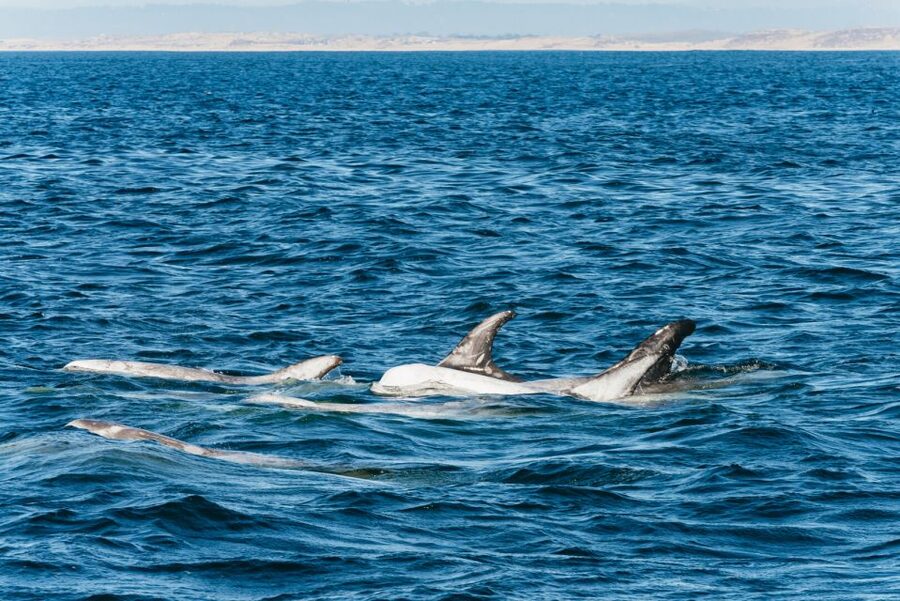
On this cruise, you are not just out for one animal. You keep your eyes moving for a mix of species, including humpback whales, dolphins, porpoises, and sometimes blue whales and fin whales. In winter, the focus shifts south to follow migrating gray whales, which changes the whole feel of the trip from feeding behavior to travel paths.
If your “perfect whale watch” includes variety, this is a good match. You can spend a full chunk of the trip scanning, then feel that little buzz when the boat adjusts to a new sighting. That rhythm is one of the reasons people keep booking again.
Other Monterey outings to compare
- Monterey: Monterey Bay Dolphin and Whale Watching Boat Tour
★ 4.7 · 1,645 reviews - 4 Hour Whale Watching Tour From Monterey
★ 5.0 · 1,045 reviews - Monterey: Sunset Whale Watching Cruise with A Guide
★ 4.7 · 519 reviews
Before you board: parking, check-in, and what to bring
Start with practical basics. Check in at the Discovery Whale Watch office at least 45 minutes before departure and make sure every person completes the electronic coastguard waiver. You get a waiver link by email, and you can forward it to the rest of your group.
Parking is straightforward. The closest lot is the Monterey Harbor Waterfront at 245 Washington St. Pay in advance using the ParkMobile app or the pay stations, because failing to pay can lead to a $49 ticket. After parking, walk toward Wharf 1, look for the pink Harbor House, continue to the yellow Crab House, then turn right. Discovery Whale Watch is the blue building on the right, address 66 Fisherman’s Wharf.
What to bring is also clear. You want a photo ID or passport, comfortable shoes, sunglasses, a sun hat, and sunscreen. Even if you expect mild weather on land, bring layers, because the water breeze and wind can cut fast. If you are prone to motion sickness, bring your own remedy or plan to buy some at the office.
From Discovery Whale Watch to Old Fisherman’s Wharf: the calm start
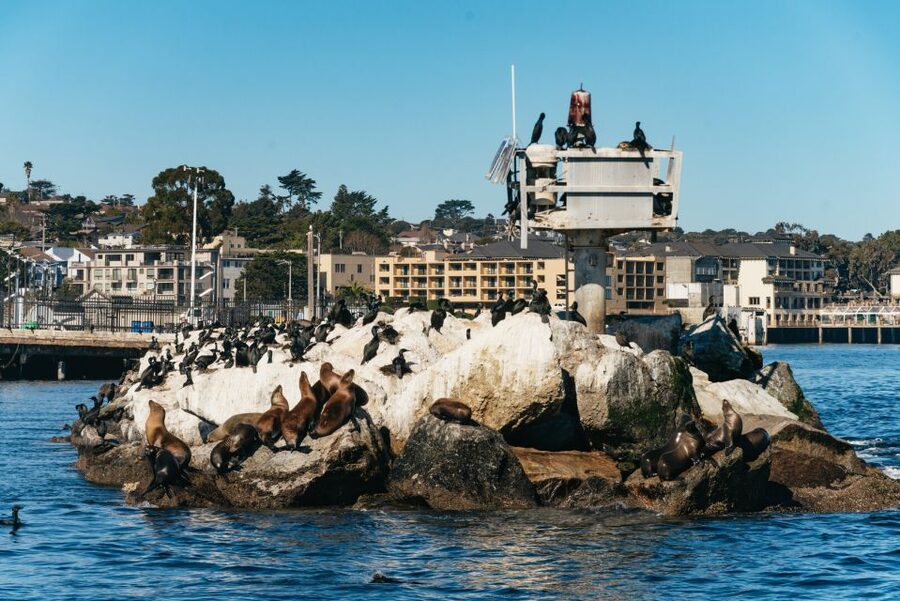
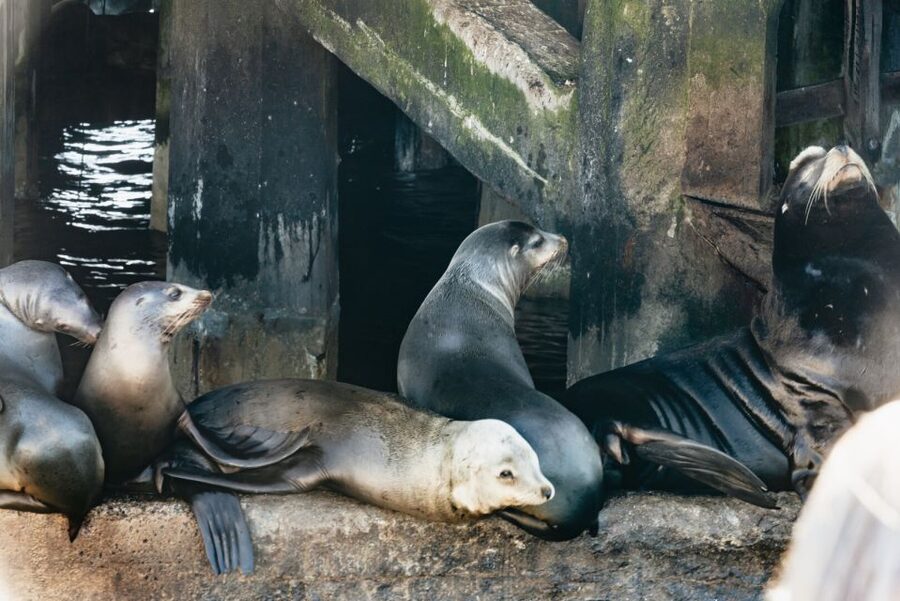
You begin at Discovery Whale Watch, then head to the boarding area near Old Fisherman’s Wharf. This is a fun warm-up. As the boat leaves the dock, you may see hundreds of Californian sea lions in the harbor. It is a nice reminder that Monterey Bay wildlife is not just “out there,” it’s right in the working harbor too.
This early stretch matters for your attention. The best whale watching is the kind where you learn how to scan: horizon line, surface breaks, spouts, and then the direction the animals move. Sea lions help you get in the right mindset. Even if whales are quiet at first, you will not feel like you are wasting time.
Also, this is when you can settle in. The cruise is 3 to 4 hours depending on the option booked, so getting your spot early helps. If you want quick access to different angles, pick a seat that makes it easy to move without squeezing past people.
Cannery Row and the Sanctuary edge: what you should be watching for
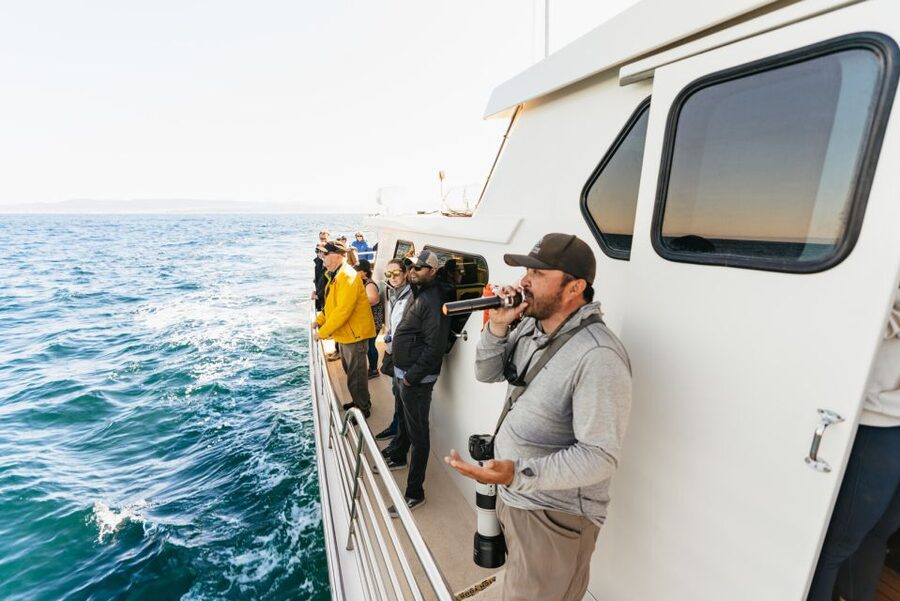
Next you pass Cannery Row, then enter the Monterey Bay National Marine Sanctuary. This is where your scanning shifts from harbor wildlife to open-water action.
Keep your eyes open for feeding behavior. The sanctuary is famous for food coming up into reach, and that is what draws whales close. Depending on the season, you might see humpbacks feeding at the surface, along with dolphins and porpoises moving in and out of the water. Sometimes you will spot birds and bait activity too, which can be a clue that something bigger is in the area.
Onboard, the biologist guide helps you connect the dots. You learn what different species tend to do during feeding, and what conservation work protects this environment. That kind of explanation is not filler. It changes how you interpret what you are seeing, especially when animals are surfacing fast or moving away from the boat.
If you are the type who hates waiting, this part gives you a job. Watch for patterns: repeated surface blows, quick turns, and sudden bursts of activity nearby.
Same corner of the map, another day out:
- Monterey’s 17 Mile Drive Guided Electric Bike Tour, 3 hr
★ 5.0 · 870 reviews - From San Francisco: Monterey and Carmel Day Tour
★ 4.4 · 476 reviews - Monterey: Whale Watching Tour with A Marine Guide
★ 4.7 · 348 reviews
On the water in summer and fall: feeding whales and fast-changing sightings
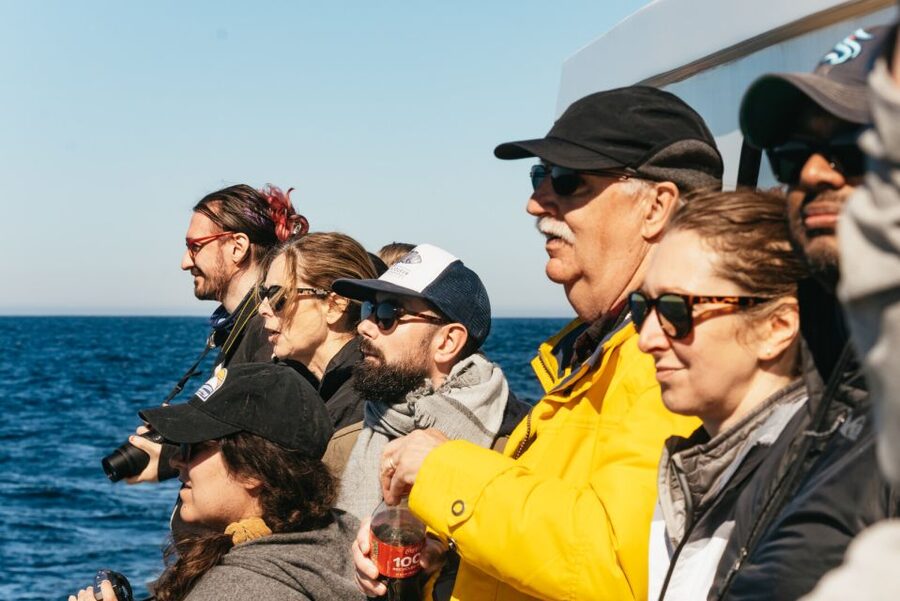
In summer and fall, the cruise often focuses on feeding whales that come to feast on small fish and krill. This is the time when many people get those classic moments: whales rising close to the surface, lots of movement, and a sense that the bay is alive with food.
Humpback whales are spotted almost daily, and you might also see other species including blue whales, fin whales, gray whales, and even orcas. You can also get a healthy dose of dolphins. One reason the trip feels exciting is that the boat is not locked into one spot for the entire time. It keeps working the area to maximize your odds.
What I like most is the mixture of “big whale” and “small marine life.” Dolphins and porpoises can make the surfaces feel active even when the whales are taking a breath cycle. That matters because whale spotting is naturally stop-and-wait. Having more than one kind of wildlife on the move keeps the energy up.
If you want your photos to actually look good, you also need a mindset change. Instead of chasing one moment, watch for a few surfacing cycles. Most of your best shots come from repeated opportunities, not one lucky flash.
Winter cruises for gray whales: why the south-end change matters
In winter, the cruise shifts to the south end of Monterey Bay to follow migrating whales, including gray whales. This is not just a route swap. It changes what you are likely to see.
Feeding behavior tends to look one way. Migration looks another way. You may notice more movement through an area rather than a constant feeding frenzy. The good news is you still have a shot at whales plus dolphins and other sea life, and the crew focuses on getting you to sightings efficiently.
Winter trips can also mean colder wind and rougher water than you expect. That is why the basics matter: layers, hat, sunscreen if the sun shows, and comfortable shoes with grip. There are restroom facilities on the vessel, which helps when weather makes stops and repositioning feel longer.
One more practical point. When winter is gray and the ocean is moving, your best strategy is comfort first. If you manage your body well, you can stay alert and scan longer.
The biologist guide, hot drinks, and the human touch on board
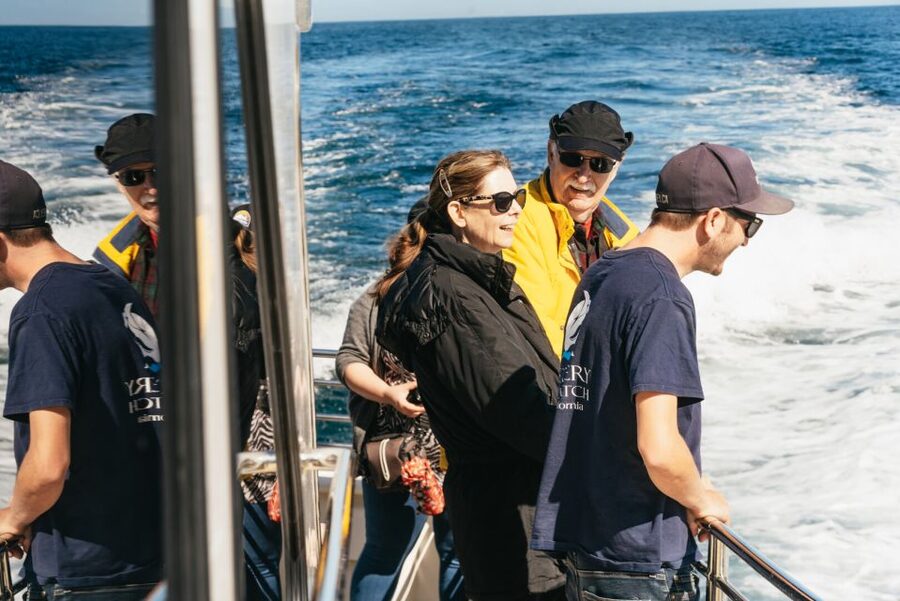
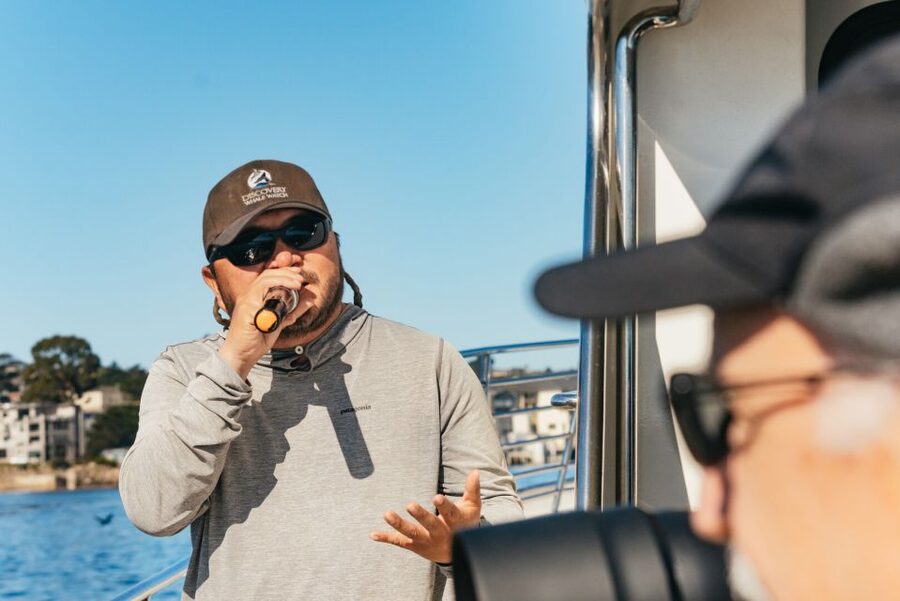
The cruise includes a biologist guide and onboard commentary in English, plus hot beverages. That might sound like small stuff, but it makes the whole experience easier to enjoy. When you understand what you are seeing, the whales stop being random sightings and start feeling like behavior with a reason.
In the field, a good guide also knows how to keep the group calm. Several people praised guides by name, including Isaiah, and others like Maddy, Ryan, Sophie, and Maddy again in different trips. Some guides brought humor into the mix, and at least one person specifically mentioned sea shanties. That kind of light touch helps on a day when you might spend time scanning for spouts.
The hot drinks also help more than you think. Even mild days off the pier can feel sharp once you are out past the harbor. If you bring layers, you will feel warmer, but that drink is what turns the cold into just a temporary annoyance.
Comfort tactics for a 3 to 4 hour whale watch
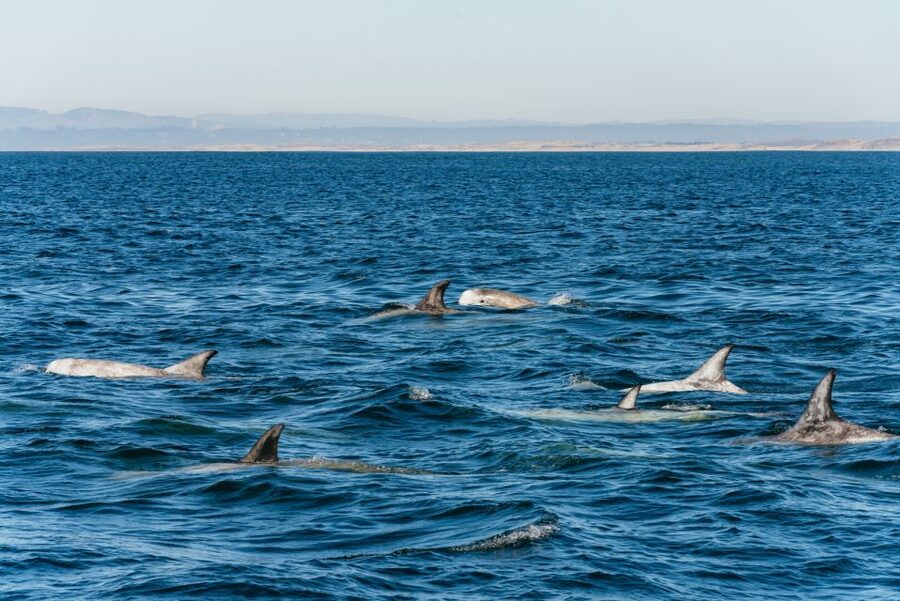
This cruise runs between 3 and 4 hours, and that length is exactly why planning comfort matters. You are on the water for a long stretch, and whales are not machines. They surface when they surface.
Here are the practical moves that match what you are told and what people report:
- Wear comfortable shoes you can stand in for better viewing angles.
- Use layers so you can adjust as wind changes.
- Bring sunglasses and a sun hat, because glare can be intense when the sky clears.
- If you get motion sick, buy a remedy at the office or bring your own. Remedies are available for purchase, and the crew also seems to help when someone is struggling, including ginger-based relief in at least one situation.
You can bring a small packed lunch and non-alcoholic beverages, which is handy if you want control over your snack timing. Food is not included on the tour, and there are restroom facilities on board, so you can plan around that instead of waiting for luck.
Also, smoking is not allowed, and alcohol and drugs are not allowed. If you want a drink, stick with the hot beverages included, and if you want extra food or drinks, there are options sold on board in some cases.
Price and value: is $75 worth it?
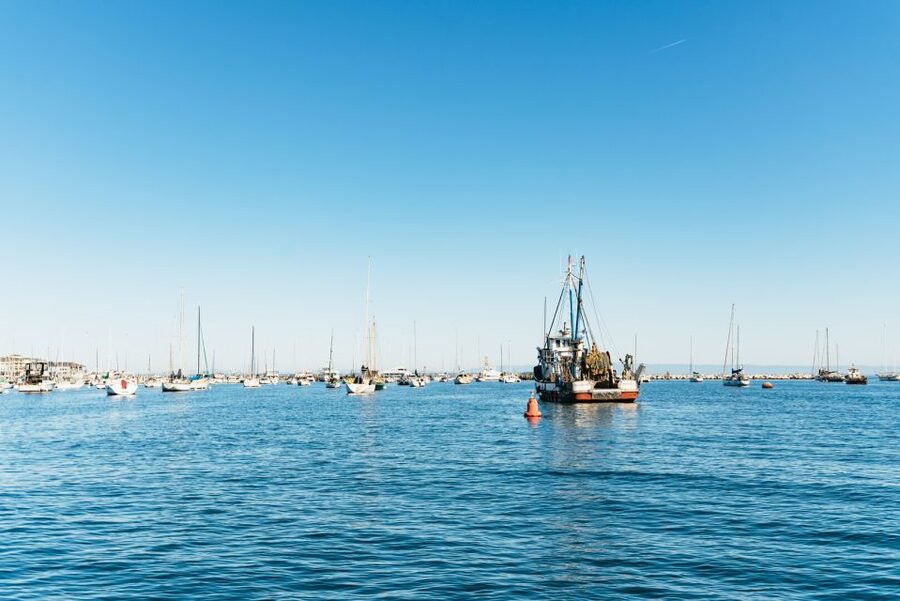
At $75 per person, this is not a budget activity. But you are paying for three things that add up: time on the water, a biologist-led experience, and the infrastructure to seek whales in a busy sanctuary.
A big part of the value is how the trip is set up. It is not a giant busload on a huge ferry. At least one group called out that the boat felt uncrowded, with around 25 people. That kind of sizing matters because you can actually see, reposition, and breathe without constant shoulder contact.
Then there is the whale-watching reality. You might see humpbacks almost daily, but the species mix can change. If you catch a great day with multiple whale types, dolphins, and lots of close surface activity, the experience can easily feel like money well spent.
The overall rating is 4.8 with 2,300 reviews, which is a strong signal that people generally feel the outing delivers. Of course, wildlife is wildlife. You should treat this as a best-effort adventure, not a guaranteed whale parade. Still, the combination of sanctuary access and active search is exactly what gives you a solid shot.
Who should book, and who should rethink it
This is a strong fit if you want nature with real science context and you like the idea of scanning for whales, dolphins, porpoises, and seabirds from a stable viewing deck. It works especially well in summer and fall if your goal is feeding behavior and a higher chance of frequent sightings.
It is also a decent pick for families, since the trip is structured and guided, and some people reported kids having a great time.
But you should rethink it if you have specific constraints. The tour is not suitable for pregnant women and not suitable for people with mobility impairments, based on the provided info. If you are unsure, double-check with the operator before booking.
If you are sensitive to motion, plan ahead. The cruise includes restroom access and the crew appears attentive, but the ocean can still move.
Should you book this Monterey Bay whale watching cruise?
If your travel plan includes Monterey and you want a whale watch that focuses on the Monterey Bay National Marine Sanctuary, I think booking is a smart move, especially in summer, fall, or winter when different whale patterns are in play. The guide component, hot drinks, and the chance for multiple species all add value beyond just taking a boat ride.
Book this if you can handle a few hours outdoors, you dress for the wind, and you are ready to scan steadily. Skip it if motion is a major issue you cannot manage, or if you fall into the stated unsuitability categories for pregnancy or mobility needs.
In short, for a one-time splash in the bay, this is a practical, well-supported way to chase whales where the action tends to happen.
Newest Monterey reviews on the site
- Monterey: Whale Watching Tour with A Marine Guide★ 4.7 · 348 reviews
- Monterey: Sunset Whale Watching Cruise with A Guide★ 4.7 · 519 reviews
- From San Francisco: Monterey and Carmel Day Tour★ 4.4 · 476 reviews
- Monterey: Monterey Bay Dolphin and Whale Watching Boat Tour★ 4.7 · 1,645 reviews
- 4 Hour Whale Watching Tour From Monterey★ 5.0 · 1,045 reviews
- Monterey’s 17 Mile Drive Guided Electric Bike Tour, 3 hr★ 5.0 · 870 reviews
Whale Watching, compared.
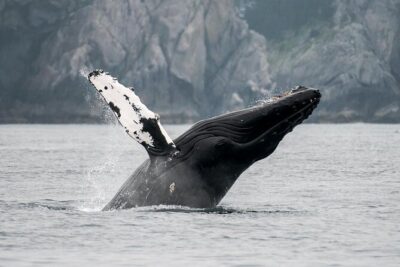
Juneau Wildlife Whale Watching & Mendenhall Glacier
Read our review →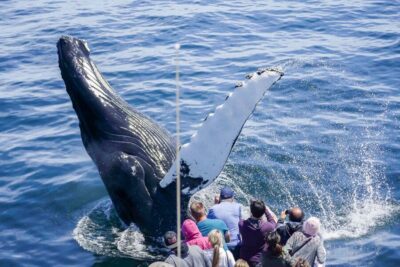
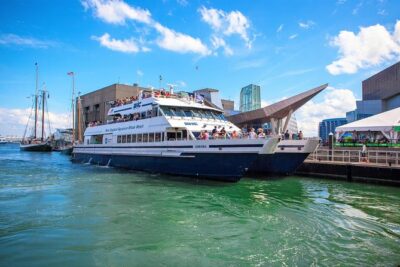
City Cruises Boston Whale Watching Cruise by High-Speed Boat
Read our review →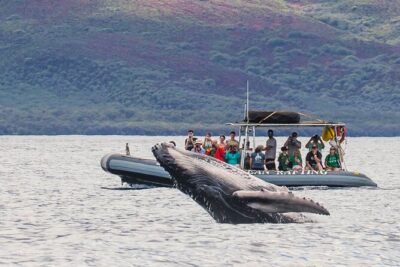
Maui Eco-Raft Tour: Eye-Level Whale or Dolphin Watching – Lahaina
Read our review →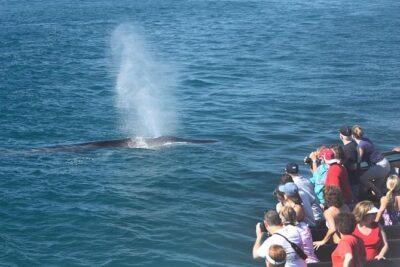
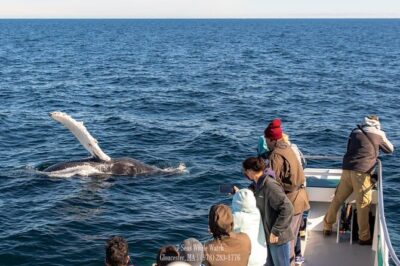
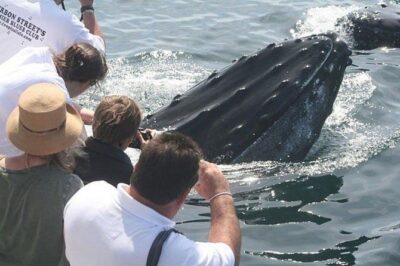
Whale Watching Trips to Stellwagen Bank Marine Sanctuary. Guaranteed sightings!
Read our review →Browse the lists this tour appears in