
Reviewed · WALKING TOURS
Historic Memphis Guided Walking Tour: Memphis Beyond Beale
Memphis history hits the sidewalk fast. I love how this downtown walking tour turns familiar landmarks into real stories, and I like ending at the Peabody Hotel for the Duck March, so the fun lands right on time. It is an easy way to see a lot of Memphis core sights without planning every step yourself.
One catch, you will be outside for about 2 to 3 hours, so come prepared for the weather. If conditions are rough, the operator says the tour may be canceled for poor weather, so be ready to reschedule if needed.
In This Review
- Key highlights worth your time
- Why this walking route feels smarter than a self-guided day
- Meeting at the Peabody and setting your pace
- Barboro Alley: the yellow fever story behind early Memphis
- WDIA-WHRK Radio Building: a Goodwill Station you can picture
- Court Square Fountain: where the city shows its oldest face
- Confederate Park: Battle of Memphis ground in the middle of downtown
- Mississippi River: why Memphis kept getting pulled back to the water
- Cotton Museum at the Memphis Cotton Exchange: the money that built power
- Old buildings around Memphis Tourism: Howard’s Row, downtown at street level
- Peabody Hotel Duck March: the ending you can hear before you see it
- Orpheum Theatre: Memphis entertainment history, plus optional inside access
- The value of $32.92 for a 2 to 3 hour downtown education
- Who this tour fits best, and who might not love it
- Booking and day-of tips that keep your morning smooth
- Should you book Memphis Beyond Beale
- FAQ
- What is the duration of the Historic Memphis Guided Walking Tour?
- Where does the tour start and end?
- What time does the tour begin?
- How much does the tour cost?
- Is a mobile ticket used?
- What is included in the price?
- Is the Orpheum Theatre guided building tour included?
- Is the walking tour outdoors and weather dependent?
- What is the cancellation policy?
Key highlights worth your time
- Peabody Ducks at the right moment after you finish the walking route
- Yellow fever and early downtown life tied to places you can actually stand in
- Court Square Fountain and Confederate Park used as anchors for Memphis Civil War stories
- Mississippi River and Cotton Exchange context that explains why money and trade shaped the city
- Orpheum Theatre add-on for a guided inside look (if available for your day)
Why this walking route feels smarter than a self-guided day
If you only visit the obvious stops, Memphis can feel like a set of separate postcards. This tour strings those pieces together, starting with the city’s early crises and money-making, then moving into Civil War conflict, Prohibition-era shadow stories, and the show-business side of town.
You will get a professional guide and a tight, small group, max 20. That matters because you can ask questions as you walk, instead of saving them for later when your brain is tired and your feet hurt.
Also, you are not just rolling past sites. The guide spends time on what shaped Memphis: health disasters like yellow fever, the boom from cotton and steamboats, wartime strategy, and the kinds of schemes people ran during Prohibition. You leave with a cause-and-effect map of downtown.
Other Memphis outings to compare
- Haunted Memphis Walking Ghost Tour
★ 4.5 · 764 reviews - History and Hauntings of Salem Guided Walking Tour
★ 5.0 · 14,564 reviews - New Orleans Premier Ghost, Voodoo and Vampire Walking Tour
★ 4.5 · 12,856 reviews
Meeting at the Peabody and setting your pace
The tour starts at the Peabody Memphis, 149 Union Ave, Memphis. The scheduled start time is 9:30 am, and the route ends back at the same meeting point.
Because the tour includes multiple short stops, the pacing feels structured. You will spend roughly 10 to 20 minutes at each location, plus some time for walking and moving between them. In practice, that means you get breaks from standing around, which helps if you want to stay engaged without being exhausted.
You should wear shoes you trust on downtown sidewalks. This is a walking tour through the core, and you will likely spend a lot of time on foot, even though each stop is brief.
Barboro Alley: the yellow fever story behind early Memphis
Stop 1 is Barboro Alley, about 10 minutes, with a focus on yellow fever in Memphis. This is one of those stops that does not look historic at first glance, but the guide uses it to show how illness shaped where people went, how the city developed, and why downtown took the form it did.
In one of the most praised parts of the experience, the yellow fever outbreak in the 1870s comes up, and the guide connects it directly to the rise and growth of areas you will see later on this walk. If you like history that feels practical, this is where it starts.
A small consideration: a brief stop means you will not get every detail. You get the big idea fast, then you move on.
WDIA-WHRK Radio Building: a Goodwill Station you can picture
Stop 2 is the WDIA-WHRK Radio Building, another about 10 minutes, centered on the history of WDIA, known as the Goodwill Station. This is Memphis at the crossroads of culture and influence, where radio did not just entertain, it helped shape identity and community.
What I like about including a radio stop is that it broadens the story beyond wars and buildings. Memphis is a music town, and this kind of reference helps you understand why the city’s entertainment tradition became so powerful.
Again, the time is short, so treat it as a signpost. If you want deeper rabbit holes, keep your questions ready for the guide while you are there.
Same corner of the map, another day out:
- Memphis City Tour with Optional Riverboat Cruise & Sun Studio Add-On Options
★ 4.5 · 1,804 reviews - Memphis Mojo Bus Tour
★ 5.0 · 1,476 reviews - Taste of Downtown Memphis Food Tour
★ 5.0 · 909 reviews - Memphis Discovery Tour
★ 5.0 · 721 reviews
Court Square Fountain: where the city shows its oldest face
Stop 3 is Court Square, about 20 minutes. The guide frames it as one of Memphis’s oldest and most beautiful parks, which makes sense once you slow down and look around.
This is a good stop for two reasons. First, it gives you a calmer pause after earlier, heavier topics. Second, it helps you ground the rest of the tour, since court and civic spaces connect to politics, conflict, and the decisions that ripple outward.
A practical tip: if you want photos, this is one of the easiest places to grab them without rushing. Use the extra time here to reset your energy.
Confederate Park: Battle of Memphis ground in the middle of downtown
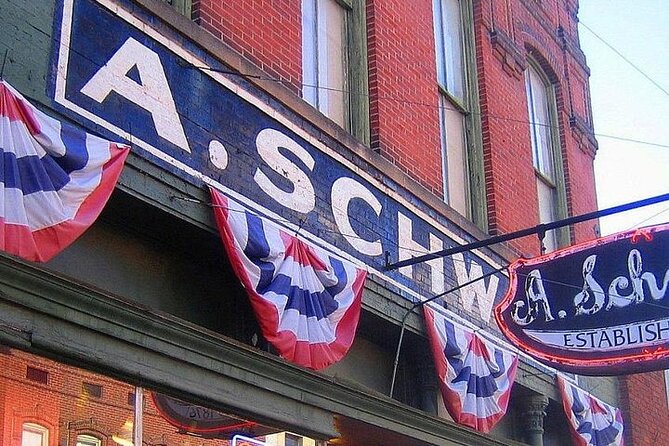
Stop 4 is Confederate Park, about 15 minutes. You also get context that it was renamed Fourth Bluff Park in 2016, and it marks the site of the Battle of Memphis in June 1862.
This stop works well because it ties battlefield history to a place you can actually reach on foot. You are not reading about it from a distance. You are standing where the geography mattered, and the guide helps you understand why the river and bluffs were part of the strategy.
One caution: the tour includes Civil War themes, so it is worth going in with the mindset of learning from the past, not looking for a feel-good history beat. The storytelling is the point.
Mississippi River: why Memphis kept getting pulled back to the water

Stop 5 is the Mississippi River, about 15 minutes, focused on history and importance. This is where you connect Memphis’s story to its engines: trade routes, shipping, and the flow of people and goods that kept the city changing.
You will likely also hear about how the river ties into the broader narrative of Memphis as a river-town, rowdy, ambitious, and always in motion. Even if you think you already know Memphis lore, the river framing makes the rest of the walk click.
Practical thought: this stop may involve open views and changing light. If you are sensitive to sun or cold air, plan accordingly.
Cotton Museum at the Memphis Cotton Exchange: the money that built power
Stop 6 is The Cotton Museum at the Memphis Cotton Exchange, about 10 minutes. The guide uses this stop to explain the Cotton Exchange and historic Cotton Row, tying downtown architecture to the economic boom that came from cotton and related trade.
This is a high-value stop because it answers a question you might not even ask until it is too late: why did Memphis grow where it did? Cotton wealth influenced where business clustered, and that influence shows up in the streets you will walk.
A small drawback is that 10 minutes is just enough to get oriented. If cotton history is your main interest, you may want to follow up on your own afterward.
Old buildings around Memphis Tourism: Howard’s Row, downtown at street level
Stop 7 is Memphis Tourism, about 10 minutes, described as once known as Howard’s Row and home to the oldest collection of original buildings in Downtown Memphis.
This stop is useful because it shows history you can touch. Instead of only thinking about wars and disasters, you start seeing the city as a living set of layers, where older structures remain and new stories grew around them.
You will also get the broader social context as you walk, including references to people who arrived by steamboat and train, plus the ways the city’s economy attracted gamblers, speculators, and fancy newcomers. It is the kind of detail that turns a street into a story.
Peabody Hotel Duck March: the ending you can hear before you see it
Stop 8 is The Peabody Ducks, about 20 minutes. The guide connects the March of the Ducks to the history of the South’s Grand Hotel and explains what makes this tradition so lasting.
This is the moment most people remember, and for good reason. The tour is built to bring you to the Peabody in time, so you are not hunting for the exact timing on your own. You will be in the right place, at the right point in the tour, with context that makes the tradition more than just a cute spectacle.
From a practical standpoint, it is also a perfect pacing finish. After walking, you get a seated or semi-seated kind of watch moment, and you can snack or grab a drink right after if you choose.
Orpheum Theatre: Memphis entertainment history, plus optional inside access
Stop 9 is The Orpheum Theatre. You spend about 1 hour here, and the admission includes a guided tour, with an add-on option that allows a guided building tour.
Here is the key detail to know: the add-on guided building tour is available Monday to Wednesday only, and it can change based on availability. If you book that add-on, you arrive at the theater for the 12:00 pm tour, and your walking guide departs at that time. The theatre is about 2 blocks from where the tour starts, so the move is simple.
What makes this stop valuable is the blend of Memphis’s civic identity and entertainment roots. The Orpheum is described as the premier entertainment venue in Memphis since 1928, so it serves as a bridge between the city’s older structures and its long-running love of performance.
If your schedule is tight, check your day of the week before assuming the extra theatre access will be possible.
The value of $32.92 for a 2 to 3 hour downtown education
At $32.92 per person, this tour is not a bargain price, but it also is not inflated tourist markup. You pay for three main things: a professional guide, a structured route across key downtown sites, and the chance to pair history with two “big Memphis” moments, the Peabody Ducks and the Orpheum stop.
The pricing feels more reasonable when you look at what is included. Most stops have free admission, and you are paying for interpretation and time management, not for a list of paid attractions. If you pick the Orpheum guided inside option when it is available, you add even more value.
Booking pace also suggests demand. The tour is often booked about 22 days in advance on average, so if you are visiting during busy travel weeks, plan to reserve early.
Who this tour fits best, and who might not love it
This is a great fit if you want a first serious pass through downtown Memphis. If you like walking as a way to learn, and you want context behind Beale Street and the river area, you will likely feel satisfied because you cover multiple eras in one morning.
It is also a strong choice for history-minded visitors who do not want to read a museum label for two hours straight. The guide uses stories to connect Civil War sites, public spaces like Court Square, and economic forces like cotton and the steamboat trade.
Who might find it less ideal: if you struggle with walking for 2 to 3 hours outdoors, this may be a challenge. Also, if you only care about one theme, like music only or ducks only, you might feel like the tour covers more than you need.
Booking and day-of tips that keep your morning smooth
You get a mobile ticket, which is convenient. The tour uses a simple start at the Peabody and ends back at the same place, so you are not planning multiple transfers.
Getting there is easier than you might expect. There are several parking garages within a few blocks, and one of the closest is at 149 Peabody Place between Second Street and BB King Blvd, near the Hampton Inn. Public transportation is also nearby.
One more practical note: service animals are allowed, and the tour size is capped at 20, which usually keeps things manageable in tight downtown spaces.
If you are visiting during cold mornings, dress for it. Reviews mention cold weather situations, and even when it is wet or chilly, the tour can still run, sometimes with adjustments.
Should you book Memphis Beyond Beale
Yes, if you want an efficient, story-led way to understand downtown Memphis. I like that it starts with foundational events like yellow fever, then builds to the Civil War, then explains why the Mississippi River and cotton economy mattered, and it ends with one of the city’s most recognizable traditions.
Skip it only if you cannot handle a few hours of walking outside, or if you prefer a self-paced style where you control every stop. Otherwise, this is a smart way to get your bearings fast, with enough detail to make the rest of your Memphis day more meaningful.
FAQ
What is the duration of the Historic Memphis Guided Walking Tour?
The tour runs for about 2 to 3 hours.
Where does the tour start and end?
It starts at the Peabody Memphis, 149 Union Ave, Memphis, TN 38103, and ends back at the same meeting point.
What time does the tour begin?
The scheduled start time is 9:30 am.
How much does the tour cost?
The price is $32.92 per person.
Is a mobile ticket used?
Yes, this experience uses a mobile ticket.
What is included in the price?
Included items are a professional guide, local taxes, and an Orpheum Theatre guided tour if you select that option.
Is the Orpheum Theatre guided building tour included?
It depends on the option you choose. If you select the add-on, you can participate in a guided tour of the building, available Monday to Wednesday only and subject to change based on availability.
Is the walking tour outdoors and weather dependent?
The experience requires good weather. If it is canceled due to poor weather, you will be offered a different date or a full refund.
What is the cancellation policy?
You can cancel for free up to 24 hours in advance for a full refund. If you cancel less than 24 hours before the start time, the amount you paid will not be refunded.
Newest Memphis reviews on the site
- Memphis Discovery Tour with Riverboat Cruise on Mississippi River★ 4.5 · 365 reviews
- Memphis Horseback Trail Ride Tour★ 5.0 · 219 reviews
- Memphis Discovery Tour★ 5.0 · 721 reviews
- Memphis City Tour with Sun Studio Admission★ 5.0 · 691 reviews
- Elvis Presley’s Childhood Home Sightseeing Daytrip from Memphis★ 4.5 · 257 reviews
- Guided Memphis City Tour that includes Riverboat Cruise★ 4.5 · 575 reviews
- Memphis: City Tour with Optional Sun Studios & Riverboat★ 4.5 · 346 reviews
- Memphis: Big Mojo Sun Studio + Music History 3-Hour Bus Tour★ 4.8 · 325 reviews
Walking Tours, compared.

History and Hauntings of Salem Guided Walking Tour
Read our review →
New Orleans Premier Ghost, Voodoo and Vampire Walking Tour
Read our review →

Freedom Trail History Small Group Walking Tour
Read our review →
Historic Charleston Guided Sightseeing Walking Tour
Read our review →
New Orleans Food Walking Tour of the French Quarter with Small-Group Option
Read our review →
St. Louis Cemetery No. 1 Official Walking Tour
Read our review →Browse the lists this tour appears in