
Reviewed · NEW YORK CITY TOURS & ACTIVITIES
Gilded Age Mansions Tour in New York
A stroll through New York’s Gilded Age sounds fancy, but it’s also full of gossip and high stakes. This tour helps you read the city like a storybook, where Gilded Age mansions still shape the streetscape.
I love that you get more than “pretty buildings,” you also hear the people behind them, including architects and owners tied to romance, generosity, scandal, and even murder. I also like the brief interior access at preserved spots, plus a Met stop for context. The main catch: you should expect mostly outside views, with inside time that can be short and selective.
In This Review
- Key things to know before you go
- Gilded Age mansion views, but with real access and strong storytelling
- Price and what $40 buys you in 2 hours
- The route on foot: start at 1 E 78th St, finish at 1109 5th Ave
- Stop 1, 1 E 78th St: the introduction mansion that sets the tone
- Stop 2, 972 5th Ave: a quick entry and a scandal tied to the architect
- Stops 3 and 4, Manhattan and 2 E 79th St: pioneering women, prison, and a mansion saved
- Stop 5, 1009 5th Ave: size surprise and a scholarship gift
- Stop 6, The Metropolitan Museum of Art: Met Gala glamour meets Gilded Age style
- Stop 7, 1040 5th Ave: a resident who helped save another landmark
- Stop 8, Neue Galerie: Vanderbilt connections you can spot in the story
- Stop 9, 2 E 91st St: philanthropy tied to science, arts, and peace
- Stop 10, 1 E 91st St: a surprising link to modern celebrities
- Stop 11, 1109 5th Ave: building despite warnings
- What I think makes this tour worth your time
- A realistic heads-up: what to expect indoors and outdoors
- Practical tips for a smooth 2-hour Upper East Side walk
- Who should book this Gilded Age Mansions Tour?
- Should you book this Gilded Age Mansions Tour?
- FAQ
- How long is the Gilded Age Mansions Tour?
- What does the tour cost?
- Is the tour in English?
- Are tickets mobile?
- Is admission included for the Met stop?
- Is Neue Galerie admission included?
- What about accessibility and service animals?
- How many people are in the group?
- What is the cancellation and weather approach?
Key things to know before you go
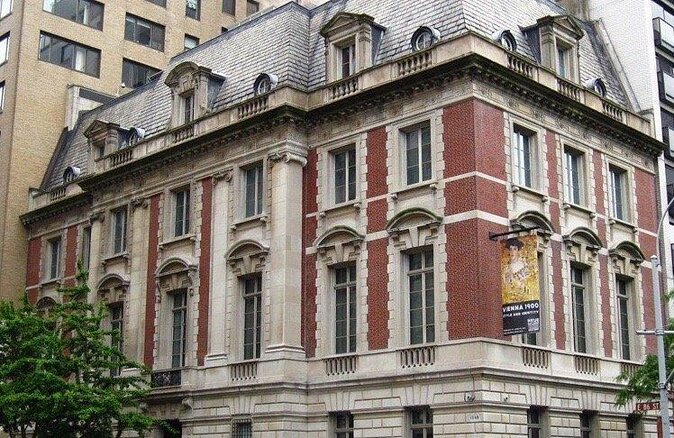
- It’s story-first, not just architecture. You’ll hear the drama behind 5th Avenue and nearby blocks.
- Some interiors are preserved, so you see real craftsmanship, not only facades.
- Small group size (up to 20) keeps the walk moving and makes questions easier.
- Metropolitan Museum of Art stop included gives you a cultural bridge from mansions to modern glam.
- Language is English, and the tour uses a mobile ticket.
- Wheelchair-friendly and service animals welcome, with near public transportation access.
Gilded Age mansion views, but with real access and strong storytelling
New York’s Gilded Age is the era of robber barons, prize-winning social lives, and money so loud it seems painted on the buildings. What makes this tour worthwhile is that you don’t treat those mansions like museum props. You treat them like homes where ambition played out daily, and where reputations could rise or collapse fast.
The tour’s format helps a lot. You get a guide who keeps the momentum and connects each address to a specific human story. In past tours run by Matthew LaSpata, and guided by Care or AJ, the common thread is clear: strong narration, plus visual support like photos and videos. That matters because these buildings can look similar from the sidewalk. The guide helps you spot the differences and, more importantly, explains why they mattered to the people living inside.
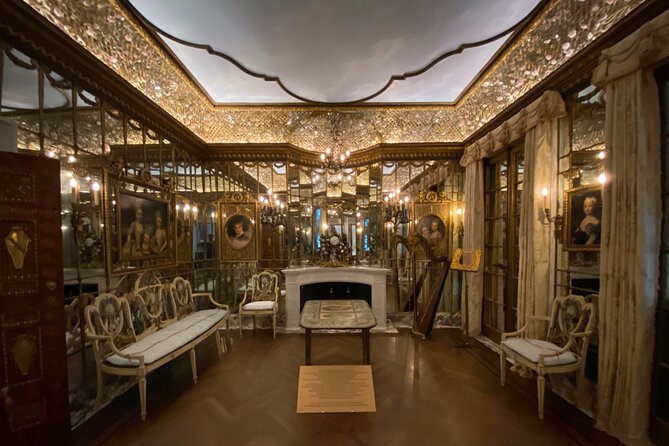
Interior access is a second big value point. You’re not expecting an all-access mansion marathon. Still, a few preserved interiors let you see scale, detailing, and layout choices that you just cannot understand from the street.
The one drawback I’d flag upfront: this is mostly a walking route focused on what remains. Some stops involve buildings that are now something else, like schools or modern institutions. So you will likely have more time with exteriors than with full-room exploration.
Other New York City outings to compare
- NYC: SUMMIT One Vanderbilt Tickets
★ 4.7 · 51,195 reviews - NYC: 9/11 Memorial & Museum Timed-Entry Ticket
★ 4.8 · 31,428 reviews - NYC: Empire State Building Tickets – Observatory & Museum
★ 4.7 · 25,757 reviews
Price and what $40 buys you in 2 hours
At $40 per person for about 2 hours, you’re paying for time and interpretation more than for museums-ticket value. Most stops are free admission as you pass through or enter preserved areas, and one major cultural stop at the Met is handled as part of the experience.
This price feels fair for a few reasons:
- You get a guided narrative across multiple major addresses in a short window.
- The tour includes access to certain interiors that are normally not part of casual sightseeing.
- You’re also getting built-in context from the Met side of the story, not just “look at that house.”
If your plan is already busy, this tour can also act like a shortcut for understanding the Upper East Side. You walk the blocks anyway, and a guide gives you a map in your head. That’s the kind of value that tends to last longer than the photos.
The route on foot: start at 1 E 78th St, finish at 1109 5th Ave
The walk is structured for efficiency. You start at 1 E 78th St and end near 1109 5th Ave. The route concentrates on the Upper East Side, with stops spaced so you’re not stuck in long transfers.
A maximum group size of 20 is a big deal for a small-city feeling inside a big city. You can hear the guide, and you are not waiting while a large group spills across sidewalks.
This tour is also designed with accessibility in mind. It’s wheelchair-friendly, and service animals are welcome. Since it’s near public transportation, you can combine it with other stops in the area without turning the day into logistics.
One practical note: there are multiple quick stops, some with indoor entry, some without. Wear shoes that handle short transitions and cold or hot weather. The tour runs best when you treat it like a guided walk, not a sit-down lecture.
Stop 1, 1 E 78th St: the introduction mansion that sets the tone
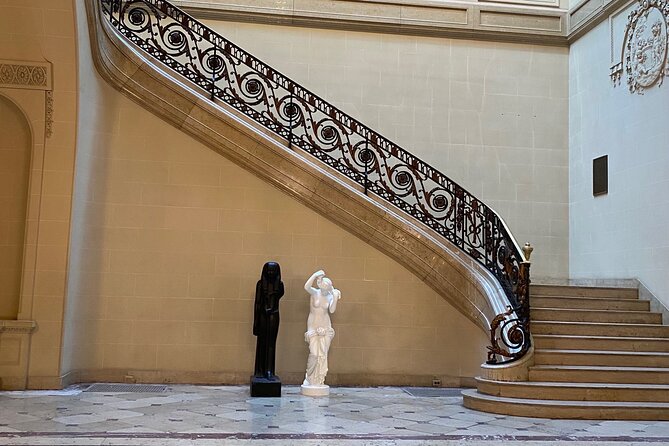
Your tour opens outside at 1 E 78th St. This first stop works like a primer: you get the orientation to Gilded Age society and New York life, plus background on the owner and the architects.
Why this matters: without that setup, the addresses later can feel like random eye candy. With the opening context, you start noticing what the city signaled through design choices, social positioning, and how wealthy families wanted to be seen.
Even though this is a short stop, it sets up the tour’s biggest promise: you’ll be learning who designed these spaces and how they fit into the power networks of the time.
Same corner of the map, another day out:
- NYC: Empire State Building Observation Deck Tickets
★ 4.7 · 22,072 reviews - New York City: Statue of Liberty & Ellis Island with Ferry
★ 4.6 · 18,683 reviews - New York City: American Museum of Natural History Ticket
★ 4.5 · 15,447 reviews - Statue of Liberty and Ellis Island Tour: All Options
★ 5.0 · 13,571 reviews
Stop 2, 972 5th Ave: a quick entry and a scandal tied to the architect

At 972 5th Ave, you get a chance to go inside, and the story turns sharper. The theme here is scandal, with the architect at the center of the tale.
Short indoor time can feel like a tease if you’re hoping for a full mansion walkthrough. But this stop is valuable because it ties design to consequence. The guide uses that entry moment to show you how architecture can be linked to the reputations and conflicts of its creators.
Also, interior moments are where you start to understand why people cared so much about rooms, views, and “impression.” From the outside, you might miss the drama. Inside, the details make it easier to picture how guests moved through the home.
Stops 3 and 4, Manhattan and 2 E 79th St: pioneering women, prison, and a mansion saved
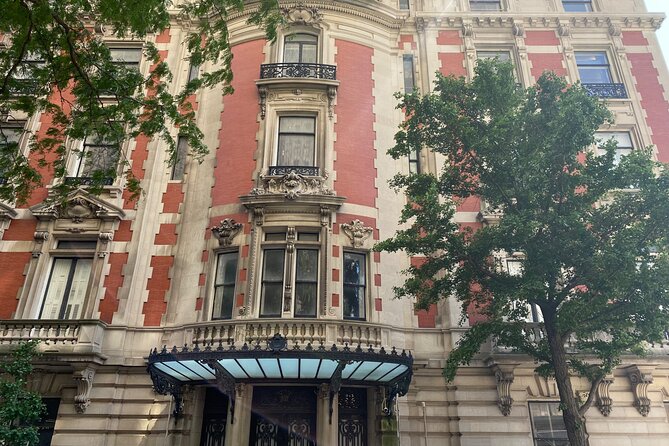
Next comes a stop focused on a woman tied to progress. You learn how an ex-wife of a former owner became a pioneer for women in America. This is one of the tour’s smartest choices, because it broadens the story beyond old-school “men and money” history and connects the Gilded Age to changing roles in society.
Then you reach 2 E 79th St, and the tone gets dramatic. You hear why one former owner went to prison tied to one of the biggest American scandals, plus how two reclusive owners had a connection to a famous man from early New York history. You also learn how a beautiful building was saved from destruction.
That last part is especially important for modern travelers. Most people come to NYC for what they can see today, not what used to exist. A preservation story adds weight to the architecture. It turns the address from a backdrop into a survivor.
Stop 5, 1009 5th Ave: size surprise and a scholarship gift
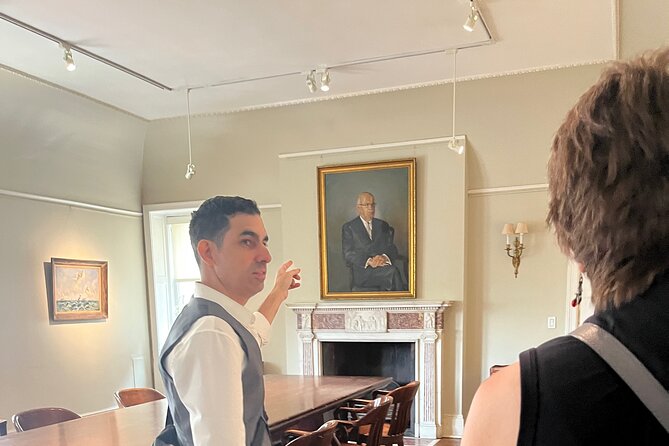
At 1009 5th Ave, you get a “wait, really?” moment about the mansion’s size. Then the story shifts from building scale to what the owner left behind.
You learn how a former owner left a gift that helps many students get full scholarships to one of the best universities in America.
I like this stop because it adds a practical angle to Gilded Age wealth. The mansions represent power and status, but the scholarship story reminds you that money also flowed into education and long-term opportunity. It makes the history feel more connected to real outcomes, not just gossip.
Stop 6, The Metropolitan Museum of Art: Met Gala glamour meets Gilded Age style
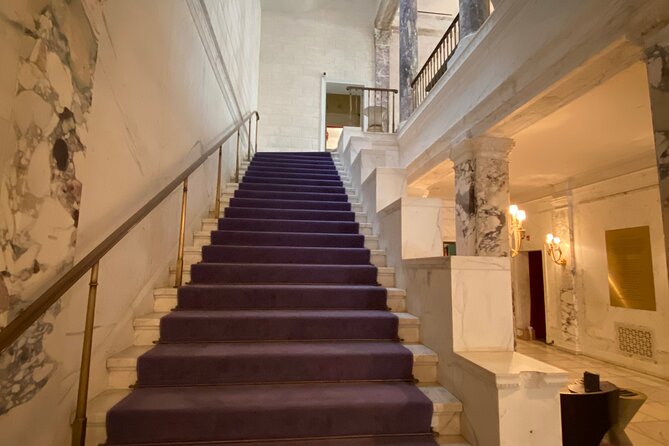
You move into The Metropolitan Museum of Art for a guided segment about the Met Gala and its connection to Gilded Age glamor.
This is a smart pivot. The tour could have ended with “old money built pretty buildings.” Instead, it links the look and social theater of the past to a modern New York ritual. Even if you’re not a fashion person, the Met stop gives you a wider lens: spectacle is not new. The audience changes, the venue changes, but the urge to signal culture stays.
This Met segment is included, so you’re not scrambling for another ticket on top of your tour plan. It also helps you build a mental bridge between what you just saw on the street and why those aesthetic choices keep echoing today.
Stop 7, 1040 5th Ave: a resident who helped save another landmark
At 1040 5th Ave, the takeaway is gratitude for preservation. You learn how a famous former resident helped save one of the most famous and beautiful Gilded Age buildings from being destroyed.
This stop works well after the “saved from destruction” story at 2 E 79th St. Together, they highlight a key truth about historic buildings: survival is rarely guaranteed. People stepped in, fought for protection, and ensured the architecture lived on.
If you tend to think of preservation as automatic, these stories will shift your mindset. The mansions you see now were earned, not simply inherited.
Stop 8, Neue Galerie: Vanderbilt connections you can spot in the story
You then head to Neue Galerie for a brief stop where the Vanderbilt connection is the focus. You learn how the Vanderbilts became the richest family in America and one of the most influential.
This is a short stop, and admission is not included. So treat it as an info stop rather than a full museum plan. Still, it’s valuable because it ties family wealth and influence to an address you will likely notice anyway.
If you’re the type who loves family names and how they connect across institutions, this stop will feel like a helpful thread. It also reinforces a theme the guide likely repeats: the city’s institutions are part of the same social web as its mansions.
Stop 9, 2 E 91st St: philanthropy tied to science, arts, and peace
At 2 E 91st St, the story turns philanthropic. You discover how the owner of this mansion was a pioneer in philanthropy in America, supporting science education, the arts, and peace.
This is one of the tour’s most hopeful angles. Scandal stories can dominate the Gilded Age conversation, but this stop shows another side of wealth: patronage that tries to improve public life, not just private comfort.
It also gives you something to look for when you’re walking later. Once you hear philanthropy stories tied to these addresses, you start noticing how the people of that era placed their money into institutions that outlasted them.
Stop 10, 1 E 91st St: a surprising link to modern celebrities
Next is 1 E 91st St, where you learn a surprising connection to pop culture. The owner of this building has a link to Taylor Swift, Lady Gaga, and the Jonas brothers.
This kind of detail is not just trivia. It’s a bridge. It helps you connect what you’re seeing now to a living city where these addresses still carry prestige. The guide’s job here is to show you that the Gilded Age influence never completely vanished. It just changed costumes.
If you’re touring with teens or a partner who thinks history is boring, this stop can win them over fast.
Stop 11, 1109 5th Ave: building despite warnings
The tour ends at 1109 5th Ave. Here, you hear how the owner was warned not to build it, but defied New York society and built anyway.
That’s a satisfying closer. It echoes a core Gilded Age theme: these families were not always just rich, they were willing to take social risks. They pushed boundaries, and sometimes those pushes created landmarks.
In a two-hour format, the ending matters. This final story leaves you with a sense that the mansions were not only homes. They were declarations.
What I think makes this tour worth your time
The strongest part of the experience is the way the guide stitches together architecture and human behavior. The tour is built around a pattern:
- show an address
- connect it to a person
- give you a story with stakes
- return you to the street with a sharper eye
That’s why it tends to work so well. You can walk by these buildings for years and still not understand what you’re looking at. A guide gives you the missing context in a format that fits a vacation schedule.
I also like that the tour includes a Met connection. Many “mansion” walks stop at the mansion. Here, you see how the same social instincts show up in modern cultural events and institutions.
And I appreciate the interior moments. Even limited access can change how you see a building. When you step inside preserved areas, the craftsmanship becomes real. It’s easier to imagine hosting, entertaining, and life within those walls.
A realistic heads-up: what to expect indoors and outdoors
Plan for mostly outside viewing. Several stops are described with quick timing, and some interiors can be limited to preserved or accessible areas. Some addresses may be buildings that are no longer private homes, so the space you can see is not the same as a full private residence tour.
That’s not a dealbreaker. It just changes the mindset you should bring. If you want an all-day mansion house-party tour, this is not that. If you want a tight, high-story walk that helps you understand the Gilded Age addresses you are already seeing, this fits nicely.
Practical tips for a smooth 2-hour Upper East Side walk
A few things help your experience feel effortless:
- Wear comfortable shoes with good grip. Sidewalks can be uneven around older blocks.
- Dress for the weather. This tour is best when conditions are good, and it’s outdoors between stops.
- Bring your phone for navigation. The tour uses a mobile ticket, and it helps to keep track of where you are in the route.
- If it’s cold, come prepared. Guides on this kind of tour have been known to help with warming comforts like hand warmers, and they often adjust where the group stands to stay comfortable.
Also, since service animals are welcome and the tour is wheelchair-friendly, sidewalks and entrances matter. If you have mobility needs, it helps to mention what pace works for you at the start.
Who should book this Gilded Age Mansions Tour?
This tour is a great fit if you:
- love architecture but also want the human stories behind it
- enjoy the Upper East Side area and want a guided way to understand it
- like history with drama, romance, and scandal in the same package
- want a short, efficient activity around the Metropolitan Museum of Art
It might not be your best choice if you:
- want lots of time inside multiple fully preserved private mansions
- prefer slow museum pacing with long stops in one building
Should you book this Gilded Age Mansions Tour?
Yes, if you want the Upper East Side explained in a fast, engaging way. For the price, the mix of outdoor addresses, selective interior moments, and the Met connection makes it a smart use of two hours.
If you’re on the fence, use this simple test: do you want stories that turn buildings into characters? If that sounds like your kind of sightseeing, book it. If your ideal tour is mostly indoor time with long room-by-room exploration, you may end up wishing for more interior access.
FAQ
How long is the Gilded Age Mansions Tour?
It runs about 2 hours.
What does the tour cost?
The price is $40.00 per person.
Is the tour in English?
Yes, it’s offered in English.
Are tickets mobile?
Yes, the tour uses a mobile ticket.
Is admission included for the Met stop?
Admission to the Metropolitan Museum of Art stop is included.
Is Neue Galerie admission included?
Admission for Neue Galerie is not included.
What about accessibility and service animals?
The tour is wheelchair-friendly, and service animals are welcome.
How many people are in the group?
The tour has a maximum of 20 travelers.
What is the cancellation and weather approach?
Free cancellation is available up to 24 hours in advance for a full refund. The experience requires good weather, and if it is canceled due to poor weather, you’ll be offered a different date or a full refund.
Newest New York City reviews on the site
- New York City: Private Walking Tour with a Local★ 4.6 · 771 reviews
- Washington DC Day Trip by Bus from New York City★ 4.7 · 600 reviews
- NYC: Wall Street and Financial District Walking Tour★ 4.9 · 284 reviews
- Wall Street Insider Tour with a Finance Professional★ 4.5 · 660 reviews
- True Crime New York: NYPD-Guided Mafia Walking Tour w/ Food★ 4.6 · 318 reviews
- NYC: Woodbury Common Premium Outlets Shopping Round Trip Service★ 4.0 · 784 reviews
- Williamsburg Food Tasting & Walking Tour★ 5.0 · 228 reviews
- Whitney Museum of American Art Admission Ticket★ 4.0 · 1,579 reviews
New York City Tours & Activities, compared.



Empire State Building Tickets – Observatory & Museum
Read our review →
Empire State Building Observation Deck Tickets
Read our review →


Statue of Liberty and Ellis Island Tour: All Options
Read our review →