
Reviewed · CARRIAGE RIDES
Gettysburg: Horse-Drawn Carriage Battlefield Tour
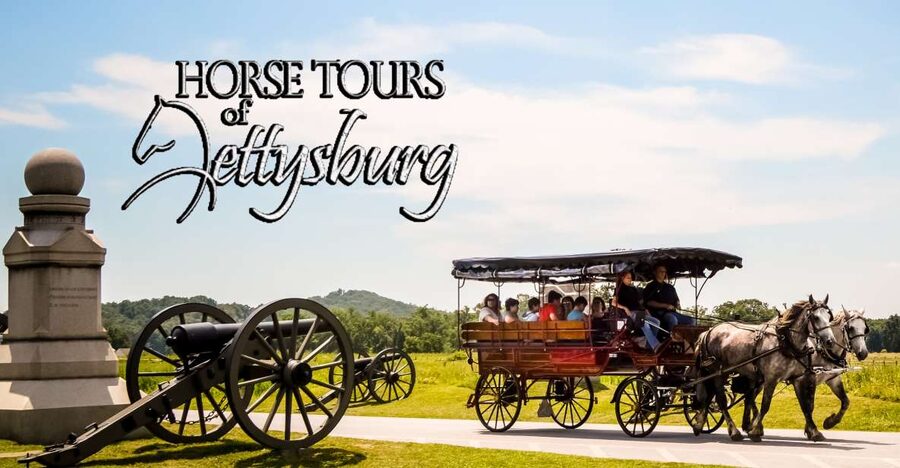
Clip-clop history hits different at Gettysburg. What I like most is the open-top carriage wind-in-your-hair feel and the licensed battlefield guide who keeps your questions front and center. One thing to consider, though, is that a 2-hour ride may focus on part of the battle rather than covering every moment of all three days.
This is a slow, comfortable way to see the big Gettysburg fields without turning your feet into sore souvenirs. You get expansive views around you, and your guide ties those green stretches to what happened in July 1863, plus the way the town protects the memory of the people who lived and fought here.
You’ll be outdoors the whole time, rain or shine, so dress for the weather. And if you use a wheelchair or need accessibility accommodations, this one is not suited for mobility impairments.
In This Review
- Key things that make this carriage tour work
- Entering Gettysburg by carriage, not by foot
- The guide is the main event, and you get to ask questions
- What the 2-hour route tends to cover, and what you should add
- Riding through the fields: pace, views, and the real feel of place
- Meet the horses: part education, part charm
- Comfort and weather: what to bring for a rain-or-shine ride
- Logistics that make your day smoother: parking, meeting point, and small-group flow
- Price and value: is $74 a fair deal?
- Who should book this carriage ride, and who should look elsewhere
- Should you book this Gettysburg horse-drawn tour?
- FAQ
- How long is the Gettysburg horse-drawn carriage battlefield tour?
- How much does it cost?
- What language are the tours offered in?
- Does the tour run in bad weather?
- Is there anything you should bring?
- Is the tour wheelchair accessible?
Key things that make this carriage tour work
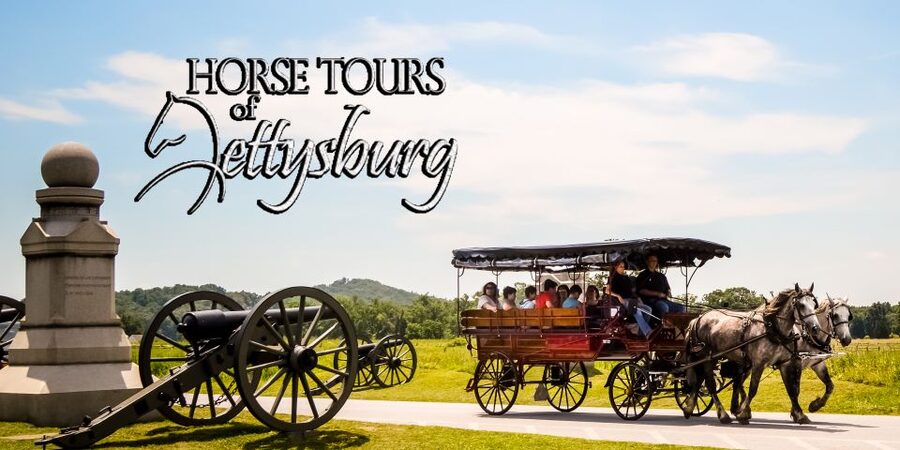
- Open-top ride, calm pace that helps you actually absorb the battlefield
- Licensed battlefield guides who answer questions and keep it conversational
- Small group of up to 10 so you are not lost in the back row
- Time with the horses (petting and photos are part of the experience)
- Rain or shine outdoors with weather-appropriate clothing in mind
- Two hours plus parking included, which makes it easy to slot into your day
Entering Gettysburg by carriage, not by foot
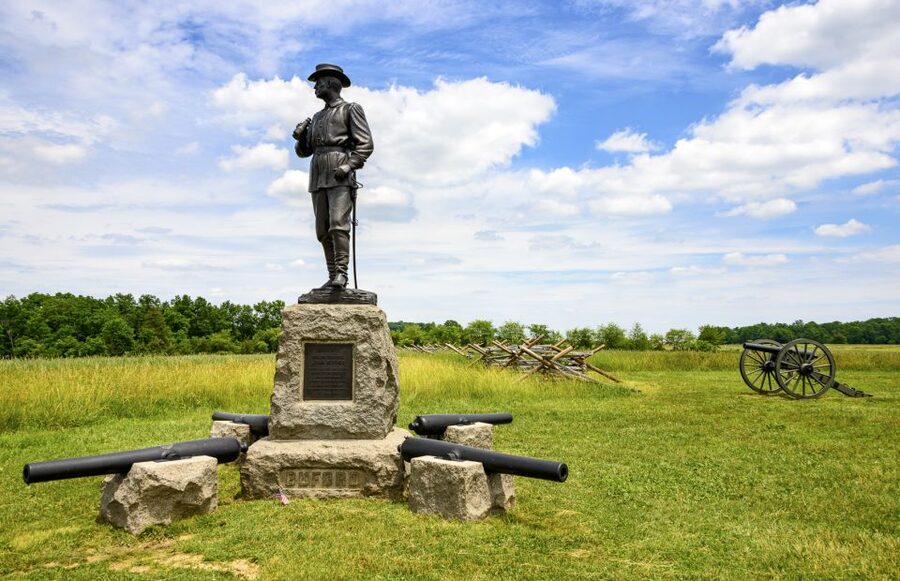
Gettysburg is famous for its roads, monuments, and wide open space. Walking can be great, but it can also turn into a blur of stops and reading. This horse-drawn option changes the rhythm. From the open-top carriage, you get the wind in your hair and a slower pace that makes the battlefield feel like a place you are moving through, not a puzzle you are trying to solve.
The ride is designed for comfort and sightseeing at a gradual speed. That matters here. Gettysburg is not just about one dramatic moment. It is about geography, lines of movement, and how the fighting played out across fields and lanes. A slower pace gives you time to look, listen, and connect the guide’s story to what you can see.
Other Gettysburg outings to compare
- Charleston’s Old South Carriage Historic Horse & Carriage Tour
★ 5.0 · 10,023 reviews - Haunted Evening Horse and Carriage Tour of Charleston
★ 4.5 · 3,678 reviews - Charleston Horse-Drawn Carriage Tour: Explore Historic Charleston
★ 5.0 · 3,561 reviews
The guide is the main event, and you get to ask questions
The carriage is the vehicle. The guide is the experience.
This tour is led by a licensed battlefield guide in English, and the format supports interaction. You are not stuck listening to a single scripted lecture. The best moments tend to be the questions and follow-ups, including questions about other battles or how leaders on each side thought and acted.
You may hear story-driven teaching from guides such as Jim, Dale, Truman, Jeff, or others who have hosted these rides. In the best cases, the guide uses more than facts. One guide-style approach includes interactive moments that help you picture battlefield stress and sound, like roleplay that turns an abstract scene into something you can almost feel.
Also, pay attention to how often the guide brings up both sides of the conflict. Gettysburg can get told as a simple outcome. Here, you get more of the obstacles and pressures that shaped decisions, including the roles of leaders. That balance is a huge part of why people leave feeling they understand the battle better than they did when they arrived.
What the 2-hour route tends to cover, and what you should add
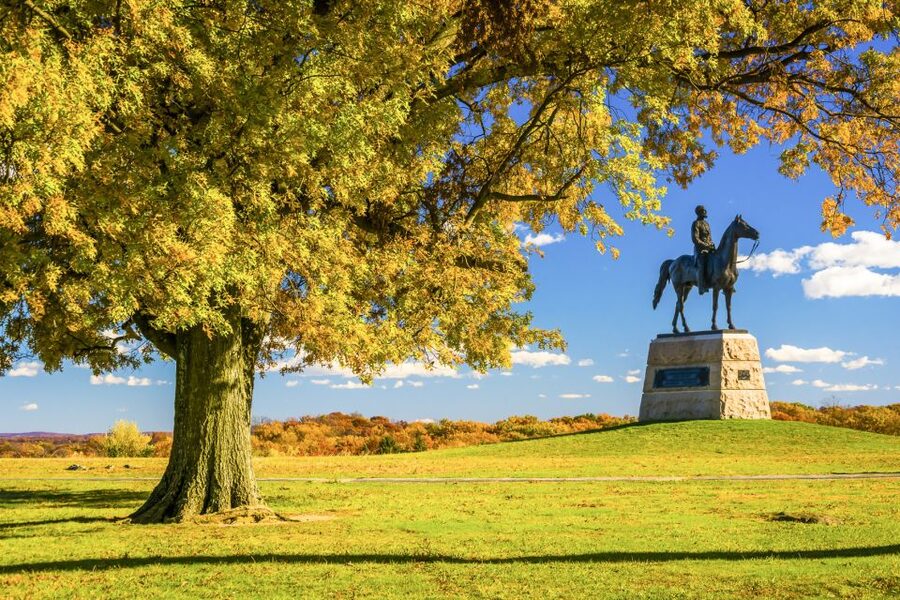
Two hours is a sweet spot for many visitors. It is long enough to build context and explain why certain positions mattered. It is short enough that you do not have to commit an entire day to one activity.
That said, there’s an important planning note. Some 2-hour carriage rides focus more on a particular day of the battle rather than the entire three-day arc. If you want a full, day-by-day walkthrough, consider pairing this tour with another orientation or plan extra time for self-guided exploration.
Here is how to think about the value:
- If you want a first pass, this carriage ride is a strong start. You come away with a clearer mental map.
- If you want a deep dive into every phase of July 1863, treat this as one chapter, not the whole book.
Your guide will also bring in the human side, including the tens of thousands of soldiers who lost their lives and the ordinary townspeople caught in the fighting. That perspective changes how you read the ground afterward, including the preserved fields and historic markers.
Riding through the fields: pace, views, and the real feel of place
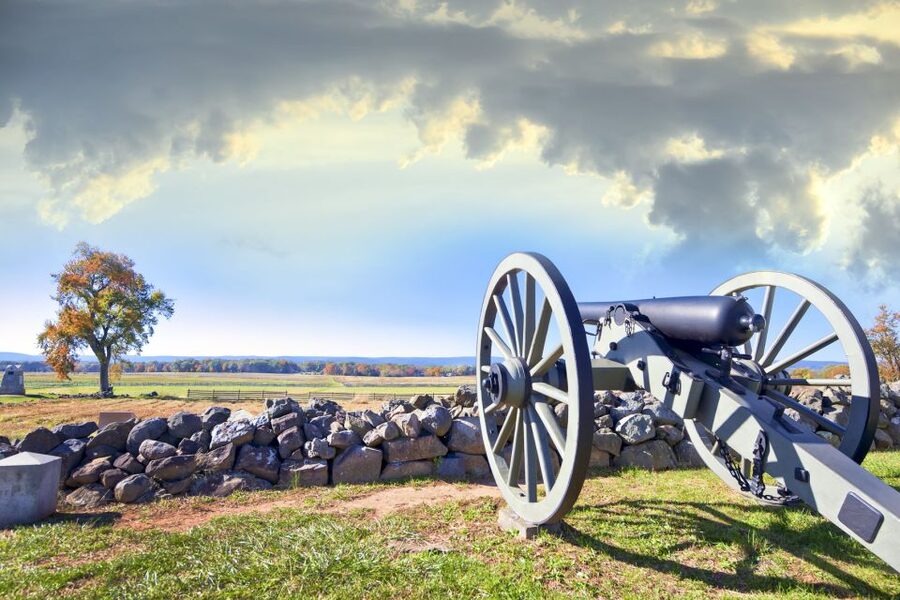
This is an outdoor ride, so the battlefield is not behind glass. You can look across expansive green fields in all directions, and you can feel how open terrain shapes movement. That might sound obvious, but you really notice it when you are sitting back, facing forward, and not constantly scanning for your next stop.
The pace is slow enough to take in scale. It also makes it easier to process what the guide is saying in real time. You can actually look up when something is pointed out. When you are on foot, people often miss the connection between the spoken explanation and the land itself.
One modern detail you should know: you may still hear nearby road noise. Gettysburg is not frozen in 1863, and that is part of what makes the history feel grounded. The carriage still gives you a clear, calm bubble, but you are not totally cut off from the present.
Same corner of the map, another day out:
- 2-Hour Gettysburg Battlefield Guided History Bus Tour with a National Park Guide
★ 4.5 · 2,201 reviews - Civil War Ghosts: Echoes of the Fallen Gettysburg Ghost Tour
★ 4.5 · 913 reviews - Gettysburg Battlefield Self-Guided Driving Audio Tour
★ 4.5 · 910 reviews - Echoes of War All Ages Ghost Tour
★ 5.0 · 658 reviews
Meet the horses: part education, part charm
The horses are not an accessory here. They are part of the show.
People consistently talk about calm, friendly horses and smooth handling by the driver team. You may even get a short break that allows you to pet the horses, which is a crowd-pleaser and a great break from sitting. If you are traveling with kids, this interaction can turn the tour from history homework into a real memory.
The carriage teams you might encounter have included horses with names like Fred and George, Nash and Trina, and Hank and Hunter, based on recent experiences. Each team has its own temperament, but the common theme is gentleness and steadiness.
You might also notice small comfort touches on the ride. On chilly days, some carriages are described as having blankets. On warmer days, cold water may be offered before you head out. If you are the type who gets cold easily, bring a layer even in shoulder season.
And yes, you will spend time outside with the carriage close up. That makes the whole thing feel less like a bus tour and more like a living, working farm-type moment with history attached.
Comfort and weather: what to bring for a rain-or-shine ride
This tour runs rain or shine. That is clear, and it affects your packing more than you might expect.
Wear weather-appropriate clothing, since you are exposed outdoors the entire time. If it is sunny, consider sun protection because sitting still under open air can feel more intense than you think. If it is windy or cold, dress like you expect chill, not like you expect comfort.
Seat comfort is also a real consideration. Carriage seating is what it is: you should expect a firmer ride than a theater seat. If you get sore sitting for long stretches, bring a small cushion or pad. One practical move that helps a lot is wearing shoes you can stand in comfortably when you step on and off at the start and end.
Finally, plan your timing. The tour is 2 hours, and while there may be moments to breathe, the activity is designed around the carriage route, not frequent breaks. If restrooms matter to you, go into it with a buffer.
Logistics that make your day smoother: parking, meeting point, and small-group flow
This is the kind of activity that does better with simple planning.
Parking is included, but you will be guided on where to park when you arrive. Follow staff instructions closely, especially the note not to park on the grass. If you want minimal stress, arrive a few minutes early so you can park, walk over, and be ready to board without rushing.
Group size is limited to 10 participants. That small scale is not just a nice-to-have. It affects how the tour works. You are more likely to hear the guide clearly, and you can ask questions without feeling like you are interrupting a machine.
Meeting up and parking are usually straightforward, but like any outdoor experience in Gettysburg, timing matters. Roads and lots can get busy in peak season, and a smooth start makes the next 2 hours much more enjoyable.
Price and value: is $74 a fair deal?
At $74 per person for a 2-hour carriage tour, you are paying for three things at once:
1) the licensed battlefield guide,
2) the horse-drawn carriage ride itself,
3) included parking.
That bundle is the value play. If you were to hire a guide separately, you would likely spend more. If you were to do it all self-guided, you might get the map but miss the cause-and-effect storytelling that makes Gettysburg click.
Also, the small group size matters for value. With up to 10 people, you get more attention than you would on larger tours. And because the ride is slow, your guide can spend time on your questions instead of just rushing through a route checklist.
One more way to judge value: think about what you want out of Gettysburg on day one. If you want a relaxing introduction and a stronger mental picture before you explore on your own, this $74 spend often feels like a shortcut to understanding.
If you already know every detail of the battle and you want a strict, day-by-day historian’s schedule, you may prefer a different format. For most people, though, this carriage tour is a well-priced way to turn “I’ve heard of Gettysburg” into “I can picture what happened and why.”
Who should book this carriage ride, and who should look elsewhere
This tour is a great match for you if:
- you want a less walking way to experience the battlefield
- you like asking questions and getting answers in plain English
- you want families friendly history that includes time with the horses
- you enjoy being outdoors with a gentle, steady pace
You might rethink it if:
- you use a wheelchair or have mobility impairments, since this tour is not suitable for wheelchair users
- you need a full three-day battle breakdown in one sitting, since the 2-hour format may focus on part of the action
- you are chasing the cemetery experience as a primary goal, because this description focuses on the battlefield ride
Should you book this Gettysburg horse-drawn tour?
I think it is an easy yes if you want a calm, story-led introduction to Gettysburg that does not punish your legs. The combination of a licensed guide, a slow carriage ride, and hands-on horse moments (petting and photos) is exactly the kind of format that makes Civil War history feel real without turning it into a textbook.
Book it if you are okay with 2 hours as a starting point and you are open to adding more coverage elsewhere later. If you are trying to squeeze the entire battle into one activity, you will likely feel happier with a second option. But for most visitors, this carriage ride is a smart, enjoyable way to get your bearings fast and leave with a deeper respect for what unfolded here in July 1863.
FAQ
How long is the Gettysburg horse-drawn carriage battlefield tour?
The tour lasts 2 hours.
How much does it cost?
The price is $74 per person.
What language are the tours offered in?
The live tour guide provides the tour in English.
Does the tour run in bad weather?
Yes. It runs rain or shine since it is an outdoor activity.
Is there anything you should bring?
Wear weather-appropriate clothing.
Is the tour wheelchair accessible?
No. It is not suitable for wheelchair users or people with mobility impairments.
Newest Gettysburg reviews on the site
- Spirits Speak Orphanage★ 5.0 · 271 reviews
- Spirits of Jennie Wade Ghost Night Tour in Gettysburg★ 5.0 · 310 reviews
- Ghost Tour: History and Haunts – Family Friendly – Best in Gettysburg★ 4.5 · 378 reviews
- Echoes of War All Ages Ghost Tour★ 5.0 · 658 reviews
- Gettysburg: Ghost Hunt Tour with Ghost Hunting Equipment★ 4.5 · 589 reviews
- Gettysburg: Private Tour with Licensed Battlefield Guide★ 5.0 · 362 reviews
- Gettysburg: Ghost Hunt Tour with Ghost Hunting Equipment★ 4.5 · 308 reviews
- Gettysburg: 1863 Historic Downtown Walking Tour★ 4.9 · 306 reviews
Carriage Rides, compared.
Charleston’s Old South Carriage Historic Horse & Carriage Tour
Read our review →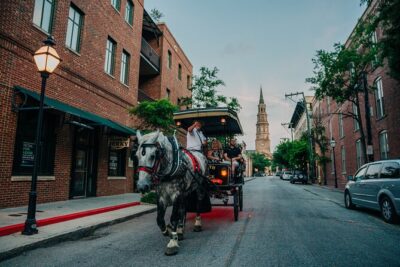
Haunted Evening Horse and Carriage Tour of Charleston
Read our review →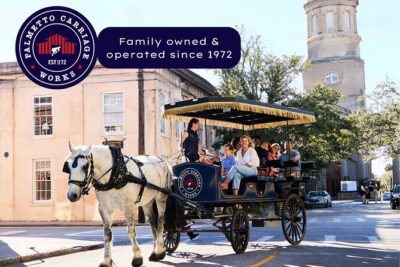
Charleston Horse-Drawn Carriage Tour: Explore Historic Charleston
Read our review →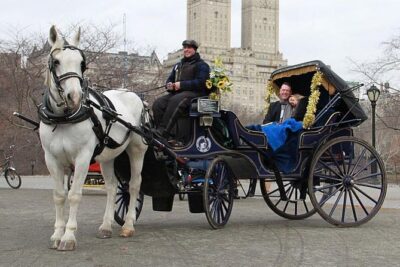
Official NYC Horse Carriage Rides in Central Park since 1979 ™
Read our review →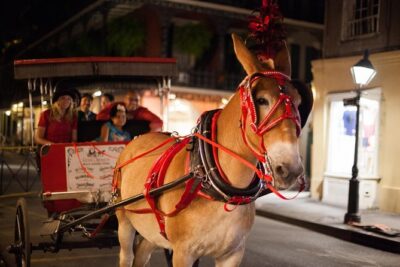
New Orleans Small-Group Haunted History Carriage Tour
Read our review →
Carriage Ride in Central Park (VIP – PRIVATE) Since 1964™
Read our review →
Historical Downtown Tour by Horse-drawn Carriage
Read our review →
Browse the lists this tour appears in