
Reviewed · WHALE WATCHING
Big Island: Pelagic Whale Watch Tour
Catching whales off Kona takes skill and timing. I like how this tour runs a nearshore-to-pelagic search plan, and how the boat setup gives you clear, open viewing while a naturalist helps you call species correctly. You leave from Honokohau Harbor, where calmer, close-to-town access pairs with the option to go offshore and look in much deeper water.
What I like most is the mix of wildlife potential and onboard learning. You can catch everything from spinner dolphins doing bow-riding moves to humpback behaviors like breaches and chin slaps, with terms explained right on the water by guides such as Dennis, Olivia, and Captain Andrew. The tradeoff is simple: this is wildlife in the wild, so you are not buying a guaranteed sighting, and ocean conditions can add some motion.
In This Review
- Key Points at a Glance
- Kona’s Pelagic Whale Watch Starts With a Clever Search Plan
- Honokohau Harbor: Nearshore Chances and Offshore Potential
- What Happens on the 8:30 a.m. Run (3 to 4 Hours on the Water)
- The Artemis Catamaran Setup: Comfort That Actually Matters
- Naturalists Onboard: Learning Whale Talk Without Feeling Like School
- Nearshore Highlights: Humpbacks in Winter, Dolphins Year-Round
- Pelagic Highlights: Deeper Water, Higher Variety
- Sharks, Flying Fish, and the Kona Ecosystem Story
- Dealing With Motion: A Practical Reality Check
- Price and Value: Why $129 Can Be a Good Deal in Kona
- Who This Tour Fits Best
- Should You Book This Pelagic Whale Watch on the Big Island?
- FAQ
- How long is the Big Island pelagic whale watch tour?
- Where do I meet, and when does it start?
- What is included in the ticket price?
- Is hotel pick-up included?
- Is this tour suitable for children?
- What happens if weather is rough or you cancel?
Key Points at a Glance
- Two-zone spotting strategy: nearshore opportunities in winter and a chance to push into deeper pelagic waters
- Deep-water access: the operation holds offshore certification to reach thousands of feet depth when conditions allow
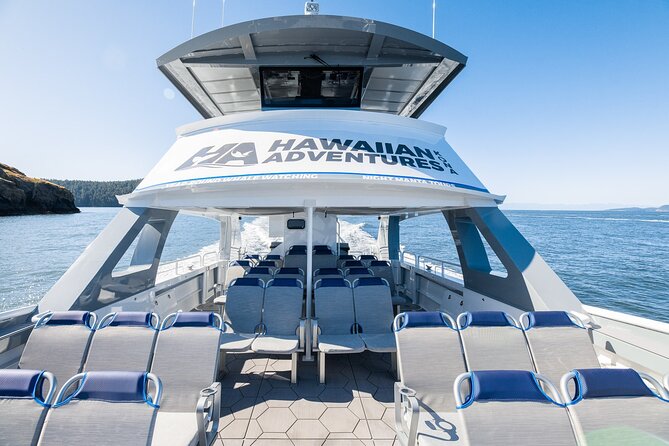
- Comfort and viewing on Artemis: a 46-foot catamaran with 360-degree style viewing, padded seating, and grab points
- Naturalist-led interpretation: you learn what you are seeing and why whales behave the way they do
- Real refreshment on board: soft drinks and bottled water included
Kona’s Pelagic Whale Watch Starts With a Clever Search Plan
If your mental picture of whale watching is just luck, this tour nudges you toward skill. The Kona coast is already prime territory, but what matters is how you search. Here, you start in the nearshore zone for more common sightings and can extend the hunt into offshore waters when the ocean and wildlife line up.
That approach is part of why people rate this so highly. The tour is built for a wider range of species, not just one target. You get a shot at year-round whales and dolphins, plus the winter-season humpbacks that many folks travel for.
One more thing I appreciate: the vessel is designed for wildlife viewing, not long lectures below deck. You are out there for the water.
Other Big Island of Hawaii outings to compare
- Whale Watching On The Big Island
★ 5.0 · 573 reviews - Zodiac Raft Whale Watching Adventure
★ 5.0 · 456 reviews - Whale Watch Excursion from the Big Island
★ 4.5 · 263 reviews
Honokohau Harbor: Nearshore Chances and Offshore Potential
The Big Island’s Kona coast has two very different “hunting grounds,” and this tour is set up to cover both. Nearshore waters can deliver action like spinner dolphins, bottlenose dolphins, and manta rays, along with flying fish close to the surface. In winter months, humpbacks are also part of the nearshore picture.
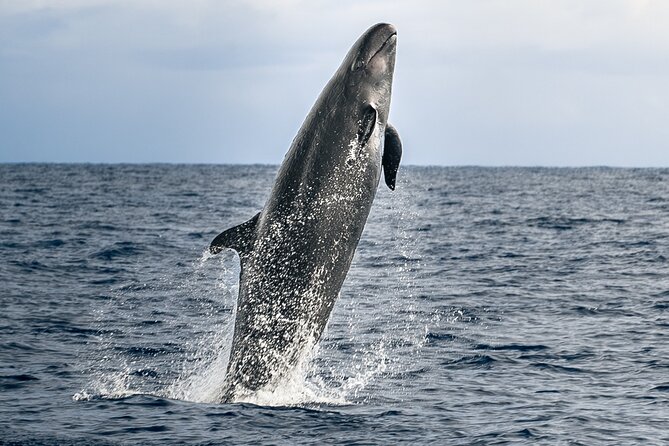
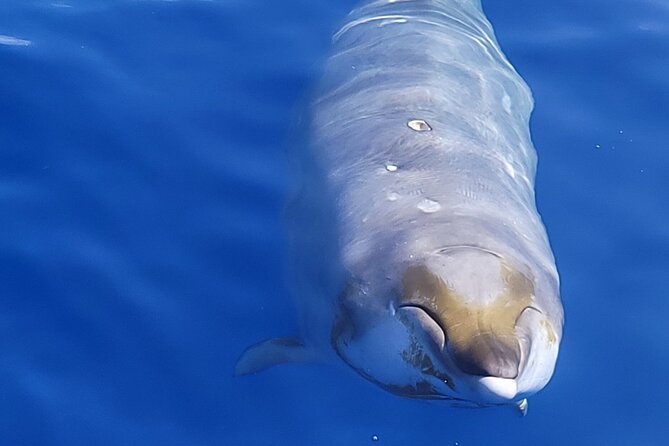
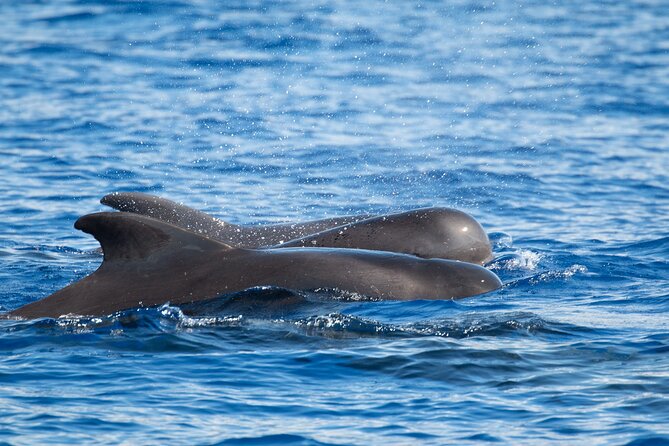
When the crew can safely reach deeper areas, that is where the pelagic zone comes in. The goal shifts from what is usually close to shore to what lives farther out and farther down. This is how you increase the odds for species such as short-finned pilot whales, beaked whales, sperm whales, spotted dolphins, and even whale sharks.
In practical terms, this means you are not stuck doing the same slow scan the whole time. The route can change based on what the marine life is doing.
What Happens on the 8:30 a.m. Run (3 to 4 Hours on the Water)
This is a morning outing, starting at 8:30 a.m. and running about 3 to 4 hours. You meet at 275 Kealakehe Pkwy, Kailua-Kona, then head out for the Honokohau departure area the operation uses.
Once underway, the flow usually goes like this. The skipper and onboard naturalist identify promising zones, you slow down or reposition as wildlife surfaces, and then you spend real time watching behavior, not just spotting a quick blow. The boat time is long enough to benefit from those changes, rather than rushing from one spot to another.
If you are hoping for a specific behavior, morning light and calmer conditions can help. It also gives you time to get back to the rest of your Kona day.
The Artemis Catamaran Setup: Comfort That Actually Matters
Boat comfort sounds like a minor detail until you are the one holding on. Multiple people praise the boat as clean, comfortable, and easy to watch from, and that is a big deal on a 3 to 4 hour water session.
This tour uses a 46-foot catamaran called Artemis. A catamaran generally rides more smoothly through ocean swells than many single-hull boats, and here the design is clearly geared toward viewing. The seating is padded, there are shaded areas plus spots in full sun, and the open style helps you see from more than one angle.
There are also practical safety features that people like for “active” ocean days. You have surround railings and hand holds. One review even called out that motion can still happen, so if you are prone to seasickness, plan for it before you board.
Same corner of the map, another day out:
- Big Island in a Day: Volcanoes Waterfalls Sightseeing and History
★ 5.0 · 6,569 reviews - Big Island Manta Ray Night Snorkel
★ 5.0 · 5,656 reviews - Big Island: Kona Manta Ray Snorkel Tour in Keauhou Harbor
★ 4.5 · 2,465 reviews - Hilo Shore Excursion: Volcanoes National Park & Black Sand Beach
★ 4.5 · 2,338 reviews
Naturalists Onboard: Learning Whale Talk Without Feeling Like School
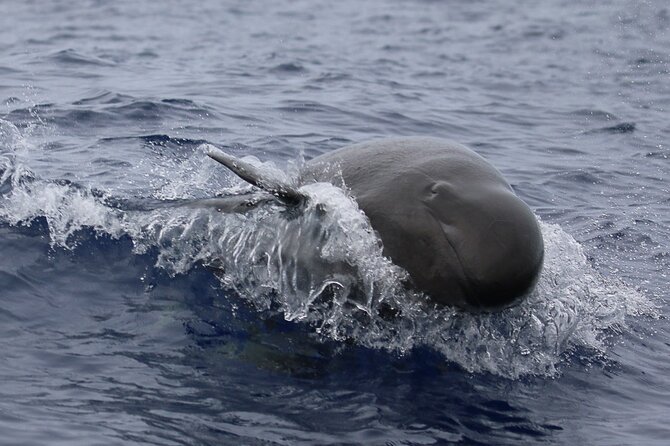
One of the most repeated reasons people love this tour is the naturalist role. This is not just spotting. You get explanation of the animals and what their behavior might mean.
On the water, you learn the “whale language” that makes sightings click. For example, if you see surface action that looks wild but vague, the crew can translate terms like breaches and chin slaps into something concrete. That matters because it helps you watch with intention instead of just scanning the water.
Names that come up in the onboard stories include Dennis, Olivia, and Captain Andrew. You might hear them discuss migration, food, and why whales spend time in Hawaii. You might also get local context about the Kona ecosystem, including mentions like fish and sea life farms along the coast.
The best part is tone. The crew prioritizes safety, and they keep the commentary moving along so you are still watching. You are learning while the ocean is doing the main show.
Nearshore Highlights: Humpbacks in Winter, Dolphins Year-Round
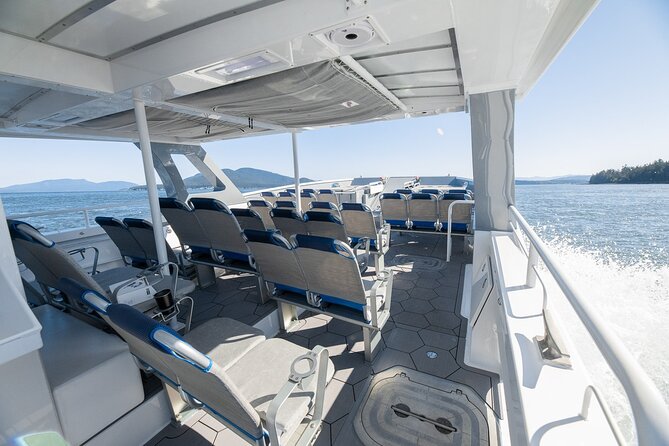
Nearshore waters are where many of the easiest, most frequent encounters happen. If you want more time with dolphins and surface activity, this zone is often a good starting point.
Humpbacks show up during winter months. When they do, you can get dramatic behavior close enough to feel the scale. One account notes the whales in a range of roughly 50 to 200 feet deep, and swimming relatively near the coast. That kind of proximity can make you feel like the whales are part of the landscape you are cruising through.
Outside humpback season, spinner dolphins are a standout possibility. People describe their bow-riding style and energetic surface behavior as a “star” event, even on trips where whales are also present. Bottlenose dolphins can appear too, along with manta rays and flying fish.
And yes, sharks can be part of the picture in nearshore and mixed zones. You might see species such as oceanic white tip sharks, and occasionally other types depending on what the crew finds that day.
Pelagic Highlights: Deeper Water, Higher Variety
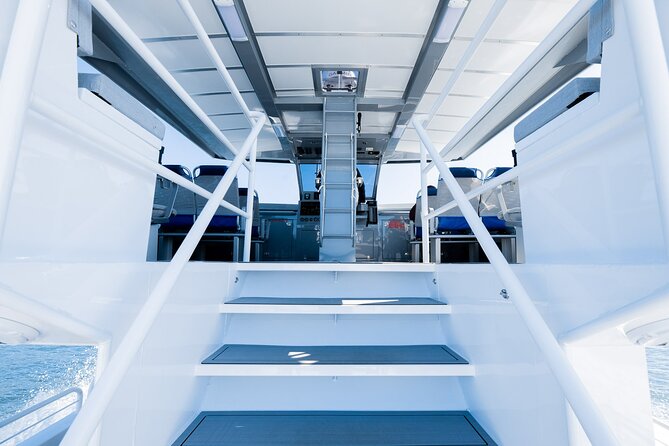
If nearshore is the “more likely” plan, pelagic is the “more surprising” one. Here, the tour can reach offshore areas into water thousands of feet deep. The payoff can be a wider spread of whales and other marine life.
Species mentioned for the pelagic search include short-finned pilot whales, beaked whales, sperm whales, and spotted dolphins. Whale sharks also appear as a target possibility. Those are not guaranteed, but the point is the crew can look in the right places when conditions allow.
This deeper search changes what you experience. Instead of just watching surface blows, you can see longer, broader patterns, like pods moving together and the way other species travel in relation to them. One review even noted oceanic white tip sharks trailing pods of pilot whales, which is the kind of “ecosystem moment” that can feel almost cinematic.
Sharks, Flying Fish, and the Kona Ecosystem Story
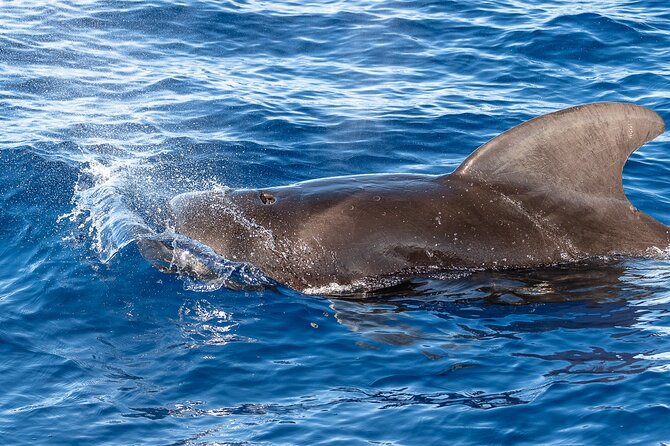
This tour is sold as a whale watch, but the water off Kona does not stay in one lane. You should expect other marine wildlife as part of the day.
Flying fish show up, and when they do, they add that quick flash of motion near the surface. Sharks can be spotted as well. People specifically mention oceanic white tip sharks, and in at least one trip, a tiger shark was seen too. Another account mentions scalloped hammerhead.
Why do these non-whale sightings matter? Because they help you understand how food webs move through the area. When dolphins, pilot whales, sharks, and other surface fish show up in the same day, you are watching more than individual animals. You are catching a system in action.
Dealing With Motion: A Practical Reality Check
I want to be honest about the one thing this tour cannot control: the ocean. Even though the boat is designed for comfort and stability, conditions can still get choppy on the ride out and back.
Some people report feeling fine. Others mention soreness from the ride and recommend taking motion sickness medication if you are prone. That is the most actionable tip you can take from the accounts.
If you know you get seasick, do not wait until you are on deck. Bring something approved for you, and consider eating lightly before boarding. Also, if the weather is less cooperative, the crew may adjust the plan, which can shift what you see.
Price and Value: Why $129 Can Be a Good Deal in Kona
At $129 per person for a 3 to 4 hour pelagic whale watch, you are not buying a budget outing. You are paying for three big things: time on the water, a crew that actively searches, and onboard interpretation.
The value shows up in the details you do not always get elsewhere. Here, cold drinks like soft drinks and bottled water are included. You are also not just looking; you are learning how to identify species and interpret behavior.
The offshore access point is also part of the pricing logic. Many boats stay near shore. This one is set up to reach deeper waters when it makes sense, which expands the range of what could appear.
The one “cost” to factor is that there is no hotel pick-up. You need to be ready to get yourself to the meeting point.
Who This Tour Fits Best
This is a strong match if you want more than a quick photo stop. If you enjoy learning as you watch, the naturalist-led format is a good fit.
It is also a good choice for people who care about comfort and viewing. The open catamaran layout and 360-degree style visibility help you find your best angle when animals surface.
One limitation to note is age. The tour is not appropriate for children under 10. If you are traveling with kids older than that, it can be a memorable half-day that is more than “sit and hope.”
Should You Book This Pelagic Whale Watch on the Big Island?
Book it if you want the best shot at a range of whales and dolphins, including the chance to go deeper than typical nearshore-only routes. I would also book it if you value the naturalist part, because the crew’s ability to explain what you are seeing seems to be the difference between a random sighting day and a “I learned something” day.
Skip or adjust expectations if you are extremely sensitive to motion or if you need a guaranteed outcome. Wildlife days can vary, and some trips may focus more on dolphins, sharks, or other marine life than on humpbacks or whales.
If you are smart about seasickness precautions and you come with flexibility, this is a very solid way to experience Kona’s ocean life.
FAQ
How long is the Big Island pelagic whale watch tour?
The tour lasts about 3 to 4 hours.
Where do I meet, and when does it start?
You meet at 275 Kealakehe Pkwy, Kailua-Kona, HI 96740, and the start time is 8:30 a.m. The activity ends back at the meeting point.
What is included in the ticket price?
The tour includes the whale watching tour, a professional crew, and cold drinks (soft drinks and bottled water).
Is hotel pick-up included?
No, hotel pick-up and drop off are not included.
Is this tour suitable for children?
It is not appropriate for children under age 10.
What happens if weather is rough or you cancel?
The experience requires good weather. If canceled due to poor weather, you will be offered a different date or a full refund. You can cancel for a full refund up to 24 hours in advance.
Newest Big Island of Hawaii reviews on the site
- Zodiac Raft Whale Watching Adventure★ 5.0 · 456 reviews
- Kealakekua Bay Snorkeling Tour – 4 hour Kona Zodiac Adventure★ 5.0 · 508 reviews
- Volcano, Chocolate and Waterfalls of the Big Island★ 5.0 · 238 reviews
- Whale Watch Excursion from the Big Island★ 4.5 · 263 reviews
- Whale Watching On The Big Island★ 5.0 · 573 reviews
- Volcano National Park Adventure from Waikoloa★ 5.0 · 216 reviews
- Big Island, Hawaii: Volcanoes National Park Safari★ 4.5 · 545 reviews
- Hawaii Volcanoes, Waterfalls, Beaches & Hilo Highlights Day Tour★ 5.0 · 391 reviews
Whale Watching, compared.
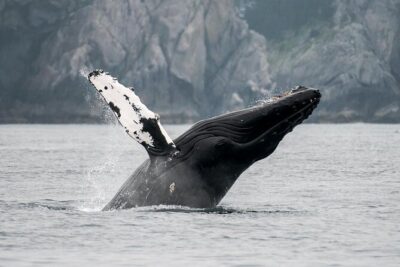
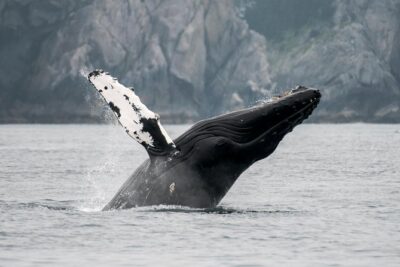
Juneau Wildlife Whale Watching & Mendenhall Glacier
Read our review →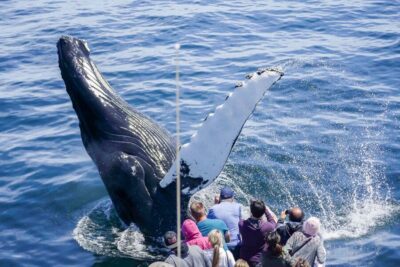
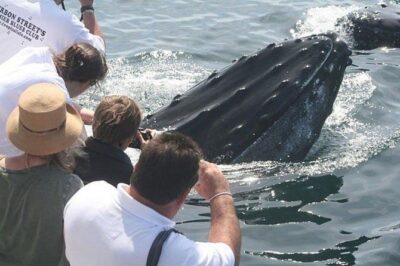
City Cruises Boston Whale Watching Cruise by High-Speed Boat
Read our review →
Maui Eco-Raft Tour: Eye-Level Whale or Dolphin Watching – Lahaina
Read our review →
Browse the lists this tour appears in