
Reviewed · BIG ISLAND TOURS
Big Island: Mauna Kea Summit and Stars Small-Group Adventure Tour
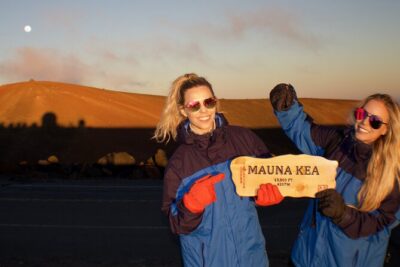
Mauna Kea nights feel bigger. This small-group tour pairs a 11-inch Celestron telescope with a summit sunset above the clouds, all while a guide handles the altitude and timing. You also get a warm parka setup so you can focus on the sky instead of fighting the cold.
I especially like the warm picnic dinner at the Maunakea Visitor Information Station. It is not just food, it is a smart acclimation break plus a chance to learn how Hawaiians used the stars for navigation.
The main drawback to plan for is the altitude and the cold. Even with a careful pace and provided parkas and gloves, thin air can affect breathing, and the weather up high can turn windy fast.
In This Review
- Key things I’d plan around
- Mauna Kea sunset and stars, without the hard parts
- Kona pickup and the 4-wheel drive van experience
- Warm picnic acclimation at the Maunakea Visitor Information Station
- Summit timing: sunset above clouds and Maui views
- Telescope time at night: 11-inch Celestron plus Stellina photos
- Cold weather and thin air: what to expect and how to cope
- Food, hot cocoa, and the small comfort details
- Price and value: is $329.84 worth it?
- Who this tour is best for, and who should skip
- Should you book this Mauna Kea summit and stars tour?
- FAQ
- How long is the Big Island: Mauna Kea Summit and Stars small-group tour?
- Where do I meet the guide for the pickup?
- What meals and drinks are included?
- What stargazing equipment do you use?
- Do you provide a parka and gloves?
- Should I bring a water bottle?
- How big is the group?
- Is this tour suitable for everyone with health conditions?
- What happens if the weather is bad?
Key things I’d plan around
- 11-inch Celestron plus a private star show: You get dedicated telescope time, not a quick stop-and-go glance.
- Stellina digital telescope photos: You can view deep space objects and share captured images afterward.
- Warm picnic at the visitor station: Food and culture-first learning, before you go higher.
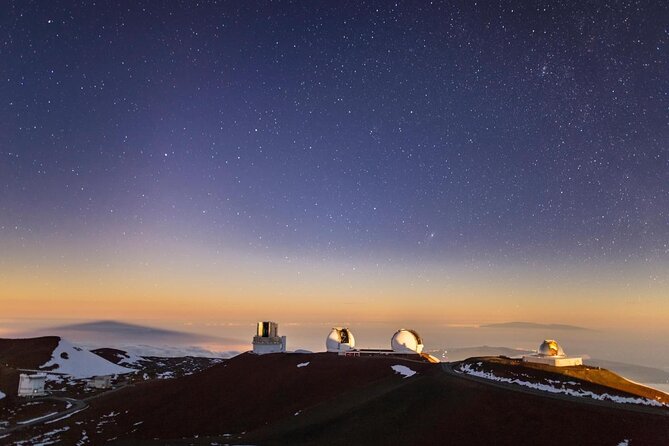
- Sunset above the cloud line: The summit timing aims for a dramatic view over the Pacific.
- Max 12 people in the van: Smaller group size usually means more personal attention on safety and pacing.
Mauna Kea sunset and stars, without the hard parts
Mauna Kea is the kind of place where the night sky stops being a background and becomes the main event. The tour is built around two high points: first, watching the sunset from near the summit area, then descending to stargaze at a more comfortable elevation.
The rhythm matters. Going up and staying up for hours sounds romantic, but altitude is real. This tour uses a sensible break at the visitor station, then finishes with telescope time once the night settles.
And yes, you may get that classic view of Maui from up high. On clear evenings, the islands look closer than you expect, and it is one of those sightings you cannot easily replicate from most viewpoints on the Big Island.
Other Big Island of Hawaii outings to compare
- Big Island in a Day: Volcanoes Waterfalls Sightseeing and History
★ 5.0 · 6,569 reviews - Big Island Manta Ray Night Snorkel
★ 5.0 · 5,656 reviews - Big Island: Kona Manta Ray Snorkel Tour in Keauhou Harbor
★ 4.5 · 2,465 reviews
Kona pickup and the 4-wheel drive van experience
Your evening starts in the Kona area. If you are staying around Kailua Kona, you meet at the Courtyard by Marriott King Kamehameha’s Kona Beach Hotel, and the guide meets you at the benches closest to the parking lot entrance at the curbside.
Keep in mind there can be additional meeting location stops along the way to Mauna Kea. Also, your pickup time may differ from what you see online, so I’d confirm the meeting time and location before you head out.
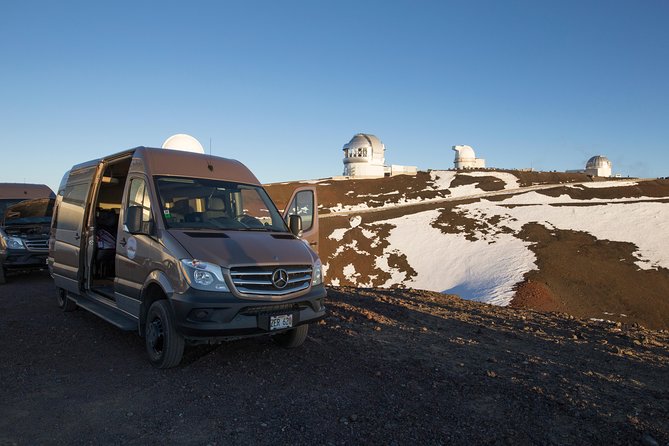
The road to Mauna Kea is four-wheel drive only, and it can be bumpy. This is why the tour uses custom off-road transit vans, not a standard bus-style ride. You still feel the road, but the setup is built for safety and comfort on a rugged access route, with a maximum of 12 passengers per van.
Warm picnic acclimation at the Maunakea Visitor Information Station
This is one of the most important parts of the whole night. Before you go all the way up, you spend about 45 minutes at the Maunakea Visitor Information Station with a warm picnic-style dinner.
Why I like this stop so much: it gives you a buffer to adjust to altitude. People feel it differently, but thin air can hit fast, and having food plus a calm start helps you settle in before the summit push.
You also learn about Hawaiian star navigation during this phase. That matters because it turns the stargazing from a photo moment into a story you can actually connect to. Instead of just naming constellations, you understand why the sky mattered in everyday life.
Dinner is served warm and simple, and the tour is set up to keep things moving without leaving you hungry for the climb.
Summit timing: sunset above clouds and Maui views
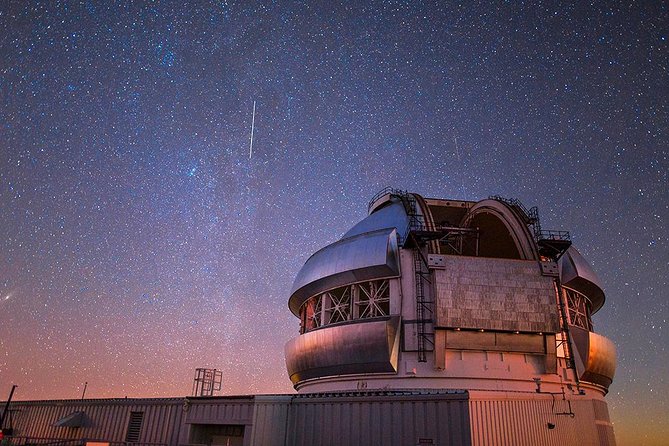
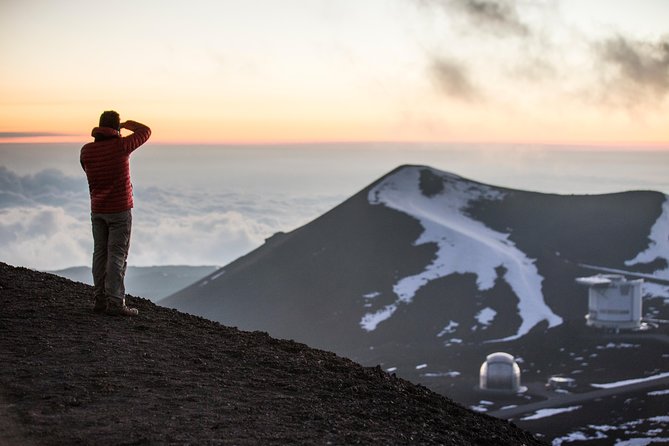
The summit stop is about 30 minutes, and the plan is clear. You go high enough to catch sunset, so you can watch the light drop while the cloud layer breaks underneath you.
This is where you get those wow moments people remember: the Pacific stretching out, clouds sitting under you, and the feeling that you are standing above the noise of the day. On good weather nights, Maui can also show up on the horizon in a way that feels special and direct.
Because time is limited at the top, pacing is key. Guides repeatedly emphasize taking it slow, steady, and breathing carefully during the climb. That focus on safety is not extra, it is part of why the night works.
Same corner of the map, another day out:
- Hilo Shore Excursion: Volcanoes National Park & Black Sand Beach
★ 4.5 · 2,338 reviews - Big Island: Captain Cook Snorkel On A Power Catamaran With Lunch
★ 5.0 · 2,232 reviews - KONA Manta Ray Night Snorkel – FREE re-ride if no Sightings
★ 5.0 · 2,212 reviews - Manta Ray Night Snorkel at Kona, Big Island
★ 5.0 · 1,758 reviews
Telescope time at night: 11-inch Celestron plus Stellina photos
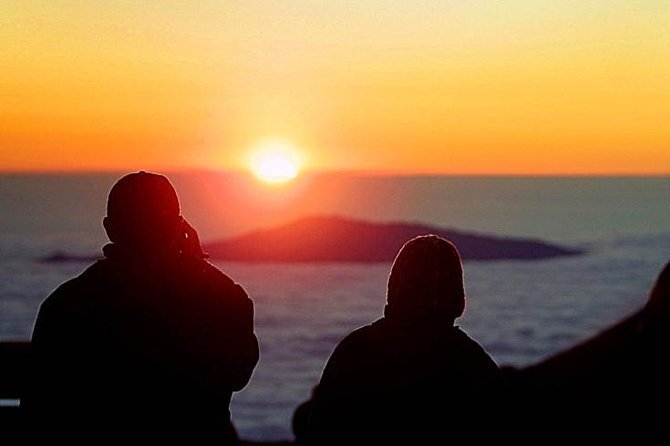
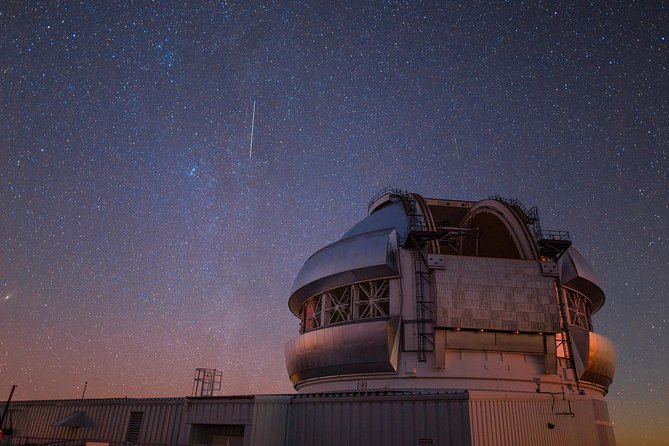
After sunset, you descend to a more comfortable elevation for stargazing. This portion is set for real viewing time, with a private star show that includes hot cocoa and cookies, so your hands and core stay warm while you look up.
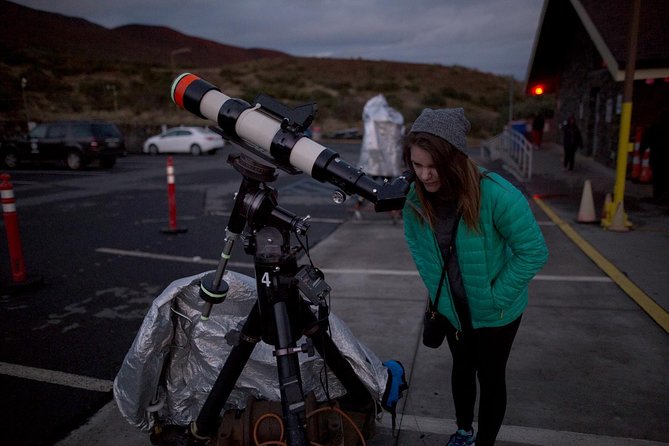
The tour’s main telescope is an 11-inch Celestron. That is the star of the show for seeing planets, star clusters, and other deep-sky targets. Your guide helps connect what you see to the Big Island and to Hawaiian sky traditions, and that makes the hours feel less like staring and more like learning what you are actually looking at.
The digital add-on is the Stellina. You may also get to view deep space objects through it, and the tour includes captured images that you can share with friends and family. I like this because it covers two different kinds of memories: the raw view in the moment and the digital images you can keep after you get back to your hotel.
A quick reality check: stargazing depends on sky conditions. If clouds roll in or fog thickens, you may still see gaps in the sky, but your views can change fast. The tour handles weather variability the best it can, but Mauna Kea’s atmosphere is the boss.
Cold weather and thin air: what to expect and how to cope
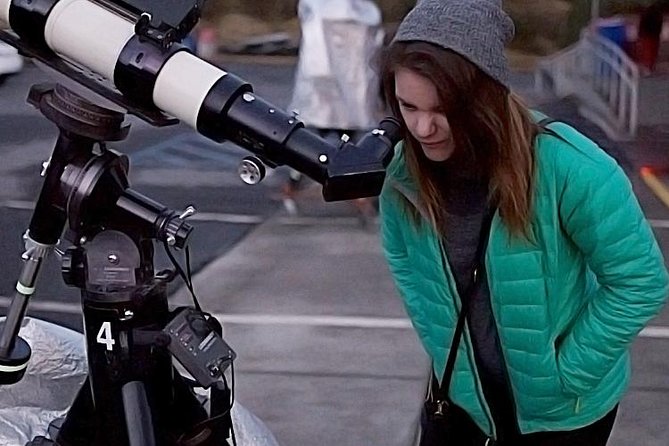
Mauna Kea can get cold and windy. The tour provides hooded parkas and gloves, which helps a lot, but you should still layer.
The common practical advice is simple: wear long pants and closed-toed shoes, then add a sweatshirt or sweater for insulation. You might also want a hat under the parka hood, even though the tour kit covers warmth with the parka itself.
Altitude is another big factor. The tour is not suitable for people with respiratory, circulatory, or heart conditions, and it is not recommended for pregnancy or poor health. If you scuba dive, you also need to avoid the summit within 24 hours after diving due to altitude dangers.
Even if you are healthy, take the breathing guidance seriously. Slow deep breaths during the ascent help, and it is smart to avoid rushing. The ride is also off-road bumpy at times, so go in with the mindset that you are there for a careful, steady evening, not a sprint.
Food, hot cocoa, and the small comfort details
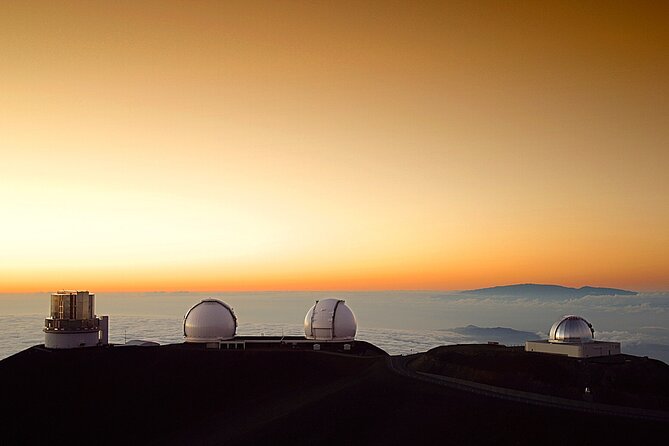
Food is not just a break, it is a fuel plan for a long night above the clouds. You get the warm picnic dinner before the summit, then later you get hot cocoa and cookies during the star show.
I also appreciate the water setup. Guests must bring their own water bottles, but the tour operator provides filtered water refills. That is handy because you can sip steadily and avoid the common problem of forgetting water until you feel bad.
Then there is the clothing sizing detail. You provide your parka size when booking, and if you do not, you will need to contact the operator. This matters because warm outerwear that fits correctly is the difference between comfortable stargazing and spending the night trying to stay warm instead of watching the sky.
Price and value: is $329.84 worth it?
At $329.84 per person for an approximately 8-hour experience, this tour is not cheap. But it bundles the things that usually cost money or time if you try to DIY.
You are paying for:
- A small group format with a max of 12 passengers
- Round-trip transportation via a 4×4 off-road van built for the access road
- Summit-area capability and timing
- Provided hooded parkas and gloves
- Warm picnic dinner plus hot cocoa and cookies
- Telescope setup, including an 11-inch Celestron and the Stellina digital scope
- Guide support for navigation, culture, safety, and pacing
If you compare that to renting a car or jeep and driving up on your own, the value starts to make sense. The road is four-wheel drive only and can be bumpy, and the altitude plus weather swings add risk. For many people, the tour feels like the safer way to get the summit and the best night-sky viewing, without turning it into a logistics headache.
Who this tour is best for, and who should skip
This is a strong choice if you want Mauna Kea without driving stress. It also fits well if you care about the story behind the sky, not just taking photos.
It is especially good for people who want:
- A planned route with acclimation
- A warm, timed dinner setup
- Dedicated telescope viewing time
- A guide who keeps safety and pacing front and center
It is not a good match if you are dealing with health limits related to altitude, or if you are scuba diving within 24 hours of the summit. If you have any respiratory, circulatory, or heart concerns, or if you are pregnant, this tour is explicitly not suitable based on the operator’s guidance.
Also, the minimum age is 13, so it is not designed for younger kids.
Should you book this Mauna Kea summit and stars tour?
I think you should book if you want the full Mauna Kea experience in one organized evening: summit sunset, warm acclimation, then private telescope stargazing with photos and hot cocoa.
Book if you want help with the altitude pacing and weather uncertainty, and you like the idea of a small group capped at 12 people. The provided parkas and gloves alone can save you from the classic mistake of bringing the wrong outerwear.
Skip it if altitude is a concern for you, or if you know cold weather makes you miserable fast. And if stargazing is your only goal, know that cloud and fog can happen, even on the best dates.
FAQ
How long is the Big Island: Mauna Kea Summit and Stars small-group tour?
It runs about 8 hours.
Where do I meet the guide for the pickup?
For people staying in Kailua Kona, the meeting point is the Courtyard by Marriott King Kamehameha’s Kona Beach Hotel. The guide meets you at the benches closest to the parking lot entrance at the curbside, and there may be additional meeting location stops along the way.
What meals and drinks are included?
You get a hot picnic dinner at the Maunakea Visitor Information Station. Later, you also get hot cocoa and cookies during the stargazing portion.
What stargazing equipment do you use?
You get a private star show with an 11-inch Celestron telescope. There is also a Stellina digital telescope, and it can capture images of the Hawaiian night sky that you can share.
Do you provide a parka and gloves?
Yes. Hooded parkas and gloves are included, and you also should bring long pants and closed-toed shoes. The tour recommends layering with a sweatshirt or sweater.
Should I bring a water bottle?
Yes. The tour requires you to bring your own water bottle, and the operator provides filtered water refills.
How big is the group?
The tour has a maximum of 12 travelers.
Is this tour suitable for everyone with health conditions?
No. It is not suitable for people with respiratory, circulatory, or heart conditions, pregnancy, or poor health, due to the high altitude.
What happens if the weather is bad?
The experience requires good weather. If it is canceled due to poor weather, you will be offered a different date or a full refund.
Newest Big Island of Hawaii reviews on the site
- Zodiac Raft Whale Watching Adventure★ 5.0 · 456 reviews
- Kealakekua Bay Snorkeling Tour – 4 hour Kona Zodiac Adventure★ 5.0 · 508 reviews
- Volcano, Chocolate and Waterfalls of the Big Island★ 5.0 · 238 reviews
- Whale Watch Excursion from the Big Island★ 4.5 · 263 reviews
- Whale Watching On The Big Island★ 5.0 · 573 reviews
- Big Island, Hawaii: Volcanoes National Park Safari★ 4.5 · 545 reviews
- Volcano National Park Adventure from Waikoloa★ 5.0 · 216 reviews
- Hawaii Volcanoes, Waterfalls, Beaches & Hilo Highlights Day Tour★ 5.0 · 391 reviews
Big Island Tours, compared.
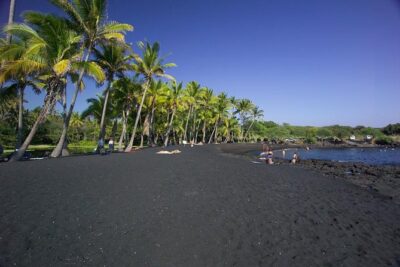
Big Island in a Day: Volcanoes Waterfalls Sightseeing and History
Read our review →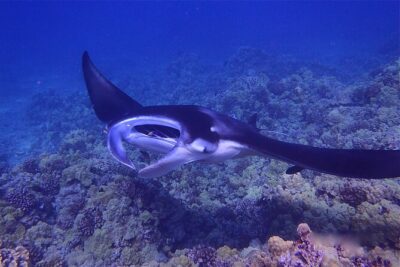
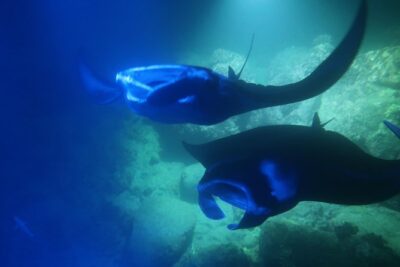
Big Island: Kona Manta Ray Snorkel Tour in Keauhou Harbor
Read our review →
Hilo Shore Excursion: Volcanoes National Park & Black Sand Beach
Read our review →
Big Island: Captain Cook Snorkel On A Power Catamaran With Lunch
Read our review →
KONA Manta Ray Night Snorkel – FREE re-ride if no Sightings
Read our review →
Big Island GOAT Experience: Mauna Kea Summit, Sunset & Stars
Read our review →Browse the lists this tour appears in