
Reviewed · TRAIN EXPERIENCES
New York City Slavery and Underground Railroad Tour
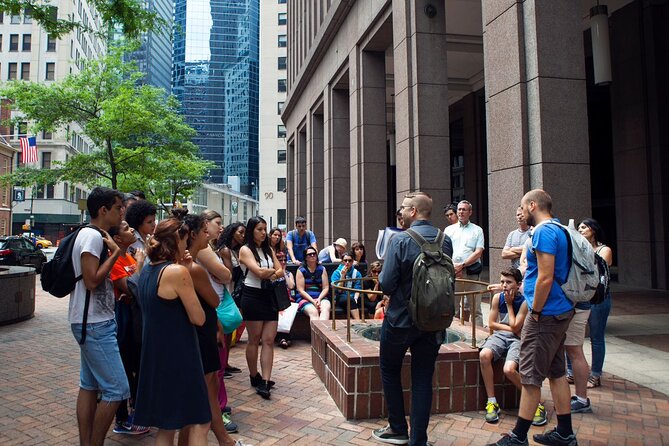
History walks like it’s alive. This 2.5-hour Underground Railroad walk takes you past the spots where slavery shaped New York City and where escape routes bent toward freedom. I especially like how the guide ties street-level landmarks into one clear story along the African-American Freedom Trail.
I also love the emotional stop you end with at the African Burial Ground National Monument. On tours led by guides such as Maya, Ludy, and Sean, the facts come with context, and the tone stays respectful instead of sensational. You’ll walk away with a stronger sense of how New York functioned in the slave system, not just an abstract idea.
One heads-up: it’s a walking tour with a lot of time stopped at corners and memorials, so bundle up and wear shoes you can stand in for long stretches. Construction or limited access at specific exterior points can also change what you see up close.
In This Review
- Key things I’d flag before you go
- Why this 2.5-hour Underground Railroad walk feels worth it
- Start at Bowling Green, then walk into early Manhattan’s layers
- Fort Amsterdam to Fraunces Tavern: where Revolutionary-era New York meets slavery
- Wall Street’s hidden wall and why escape routes mattered
- Foley Square’s monument angle, and why public art has a job
- African Burial Ground National Monument, the emotional finish
- How the guide connects slavery to the Underground Railroad in real time
- Pacing, cold weather, and what to do if the street is loud
- Price check: what $49 buys you in NYC (and what it doesn’t)
- Who this tour suits best
- Should you book this Underground Railroad and slavery tour?
- FAQ
- How long is the tour?
- Where do I meet, and where does it end?
- How much does it cost?
- Is the tour offered in English?
- What is included in the tour price?
- What is the maximum group size?
- Does the tour require good weather?
- Are service animals allowed?
- What kind of ticket do I get?
Key things I’d flag before you go
- Wall Street’s lost wall (1685 to 1699), tied directly to enslaved labor and the city’s built environment
- Fort Amsterdam area context, which helps you understand how early Manhattan links to later slavery
- Abolitionist-era storytelling that names key figures and explains how escapes worked
- Foley Square’s Triumph of the Human Spirit sculpture, a public reminder that enslaved people were here
- African Burial Ground National Monument, the oldest and largest excavated burial ground in New York tied to enslaved Africans
- Maximum group size of 30, making it easier to hear and stay together on busy streets
Why this 2.5-hour Underground Railroad walk feels worth it
New York is loud, fast, and full of distractions. This tour trims all that noise and gives you a tight route with a human scale, so you can actually absorb what you’re seeing. You’re out for about 2 hours 30 minutes, and it’s a small-group format, capped at 30 travelers, with a guide doing the heavy lifting of connecting dots.
At $49 per person, the value depends on what you want. If you’re the type who reads plaques and still feels lost, a guided narrative is the point. And because many of the stops are exterior and free to enter, you’re not paying extra just to stand in the right place.
You’ll also appreciate the practical setup: you get a mobile ticket, confirmation arrives at booking, and there’s no hotel pickup. You’ll meet in Manhattan and finish at the African Burial Ground, which makes it easier to plan dinner afterward.
Other New York City outings to compare
- Verde Canyon Railroad Adventure Package
★ 4.5 · 2,821 reviews - Key West Conch Tour Train
★ 4.5 · 792 reviews - Grand Canyon Railway Train Tickets
★ 4.5 · 717 reviews
Start at Bowling Green, then walk into early Manhattan’s layers
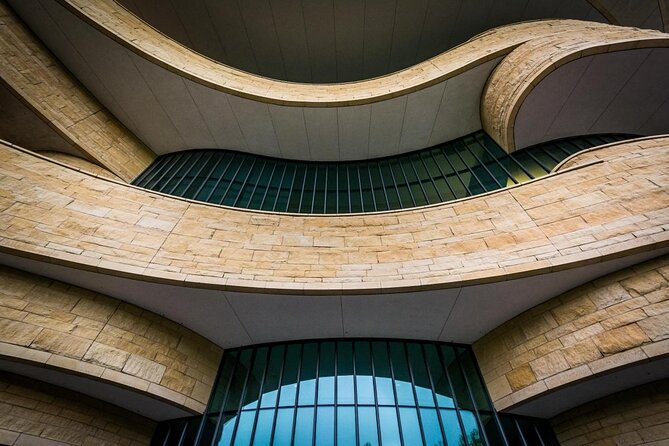
The tour starts outside the National Museum of the American Indian at 1 Bowling Green. Even though the visit is listed as exterior, the building itself is a clue to how power, trade, and politics gathered in early New York. You’ll see the Alexander Hamilton Custom House exterior, built in 1907, and use that as an entry point to talk about commerce and the city’s growth.
From there, you head toward the waterfront history of the area, including Battery Park. This is where the tour’s story starts to widen. Battery Park is framed as a gateway place, with millions arriving there across centuries, long before the Statue of Liberty became the main symbol most people picture.
Here’s the useful part: understanding the early city helps explain why slavery was not a side story. It was woven into labor, building, and the economics of the port and the streets you’ll walk later.
Fort Amsterdam to Fraunces Tavern: where Revolutionary-era New York meets slavery
Your next key stretch keeps you close to the oldest spine of Manhattan, with the Fort Amsterdam area mentioned as the first settlement in colonial Manhattan. The guide uses this to show how enslaved people shaped early New York, not only later as the city expanded.
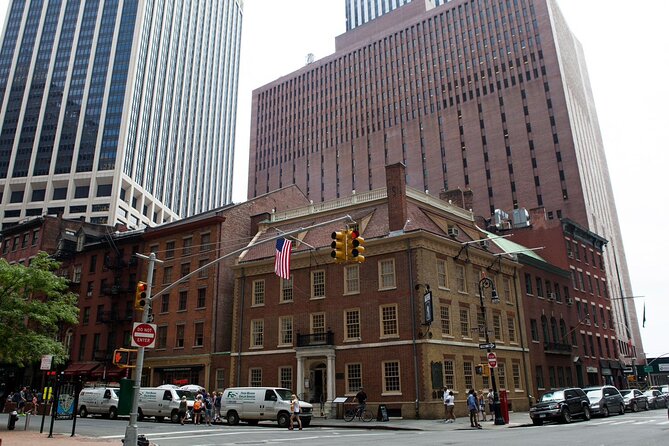
Then you stop near Fraunces Tavern Museum. This is another exterior stop, and it matters because the tavern location is tied to major events before, during, and after the American Revolution. The tour uses that Revolutionary backdrop to show how abolitionist work and anti-slavery arguments still had to fight within a society that depended on enslaved labor.
In plain terms, this section helps you understand a hard truth: the Revolution’s promises and the reality of bondage in the same city were tangled together. The tour doesn’t let you drift into purely “old-timey” history. It keeps pulling you back to what enslaved people experienced and how the city enabled it.
Wall Street’s hidden wall and why escape routes mattered
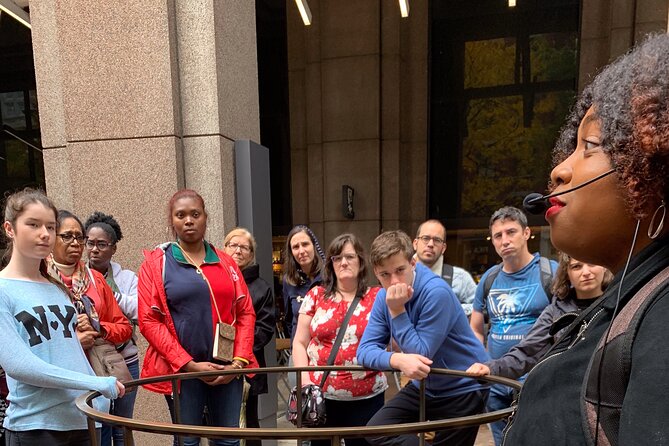
One of the most striking stops is Wall Street. The guide points out that an actual wall existed there from 1685 to 1699. That detail is more than trivia. It’s used to connect urban design to control, movement, and labor in a time when enslaved people helped build and shape New York’s infrastructure.
You’ll also learn about the people who escaped slavery and how they moved toward free states. The tour frames the Underground Railroad as a network of secret routes and safe houses, built with help from abolitionists and allies, and it situates New York as part of that route.
A name you’ll hear is Frederick Douglass, tied here to escape stories that ran through New York City. The guide’s goal is to help you picture how a person might navigate a city that had both opportunity and danger, with hiding places and human networks playing roles you might otherwise miss.
This stop is also why the guide matters. Reading about slavery online is one thing. Standing where the built environment and the economic engine of the city grew up on enslaved labor is another.
Same corner of the map, another day out:
- NYC: SUMMIT One Vanderbilt Tickets
★ 4.7 · 51,195 reviews - NYC: 9/11 Memorial & Museum Timed-Entry Ticket
★ 4.8 · 31,428 reviews - NYC: Empire State Building Tickets – Observatory & Museum
★ 4.7 · 25,757 reviews - NYC: Empire State Building Observation Deck Tickets
★ 4.7 · 22,072 reviews
Foley Square’s monument angle, and why public art has a job
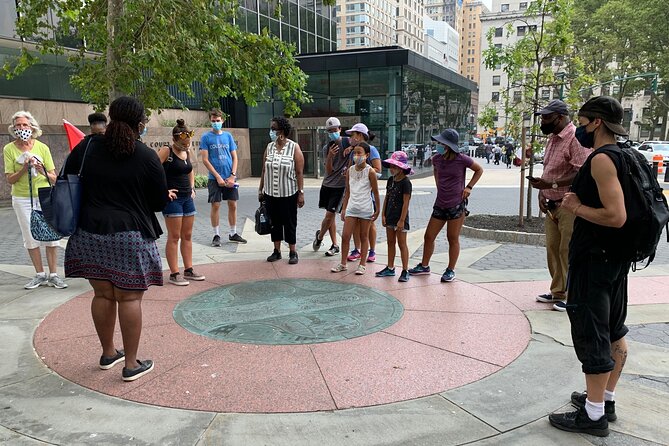
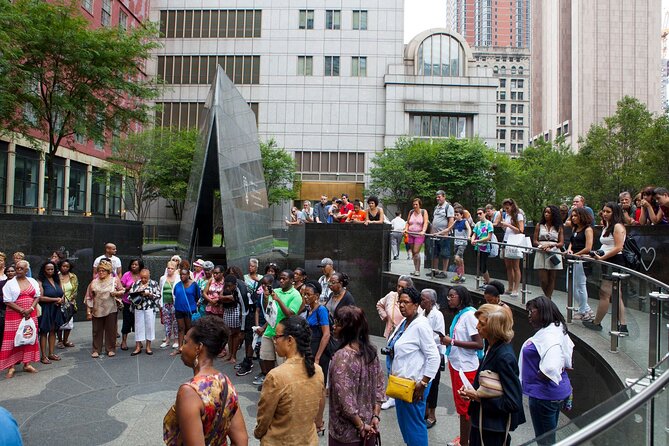
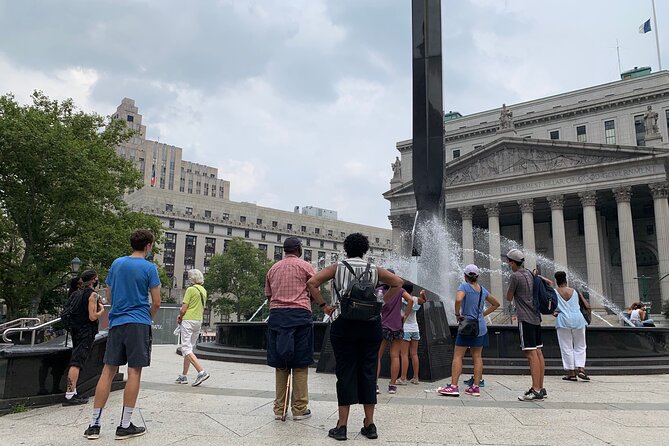
Next comes Foley Square and the sculpture titled Triumph of the Human Spirit. It’s listed as free and gives you a quick hit of meaning in a city square that otherwise screams finance, offices, and commuting.
The value of this moment is the framing. The tour uses the monument to remind you that enslaved people were present in New York, and their presence is part of the city’s physical story. It also helps you understand why modern memorials matter, because they work as public acknowledgment in spaces where the original history was often erased.
It’s only about 15 minutes, but it’s one of those stops that makes the next, heavier site land even harder.
African Burial Ground National Monument, the emotional finish
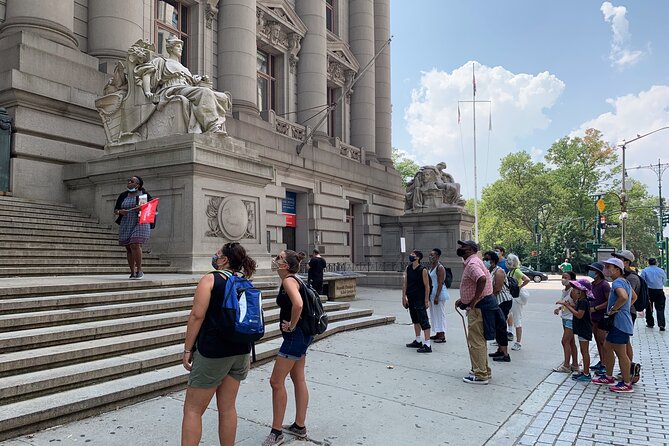
The tour ends at African Burial Ground National Monument. This is one of the most important stops on the route because it’s described as the oldest and largest known excavated burial ground in New York documenting the lives of enslaved people.
Plan for a solemn, reflective tone here. People often react strongly in this kind of place, and the tour approach is generally respectful and grounded in context. Guides such as Mia, Ludie, and Sean are noted for adding detail, including explanation of symbols and meaning connected to the monument.
The time block is about 10 minutes, and that can feel short until you realize what the tour is doing. It’s not trying to turn the site into a fast photo stop. It’s giving you a guided arrival point, a framework for what you’re looking at, and then letting you experience the gravity of the place.
You’ll also walk to the former site of the first African-American church in New York, which the tour includes as a final thread in the story of community, survival, and organized freedom efforts. That add-on matters because it moves beyond escape and toward what came after, even if the tour can’t cover every chapter in depth.
How the guide connects slavery to the Underground Railroad in real time
The tour’s structure is designed around understanding the Underground Railroad as practical help, not just a romantic phrase. It explains the network of secret routes and safe houses used by African-American slaves to escape, with help from abolitionists and allies.
You’ll also get a clear New York focus. The guide covers New York’s role in slavery and ties that role to specific areas you can stand on. That’s the point of doing this as a guided walk rather than piecing together individual sites from online research.
Another detail that shows up in how guides teach: you may hear personal, name-driven storytelling. Reviews mention guides using visuals such as photo binders of historical figures and places. If you like history with faces attached, this approach helps you hold onto the names.
It’s also a good fit if you’re teaching yourself. Several people mention books and further reading after the tour, which makes sense. This tour gives you a set of anchor points, and then you can follow those leads on your own.
Pacing, cold weather, and what to do if the street is loud
This is a street-walking experience with frequent stopping points. You should plan on standing at corners while the guide explains context. One common caution is that it’s hard to stay comfortable if it’s cold, windy, or wet, and there isn’t always easy indoor shelter nearby.
For comfort, I’d treat it like a winter walk even if the forecast looks mild. Wear layers you can adjust, bring gloves if you run cold, and use shoes with solid grip. The tour also lists moderate physical fitness as a requirement, which mostly means you should be comfortable walking and standing in Manhattan traffic.
One more practical note: a few people have brought up that hearing can be difficult if the group clumps together. If you’re near the back or in a windy spot, reposition yourself early so you can hear the guide clearly. If sound matters to you, arrive a bit early and aim for a spot where you can see and hear without craning.
Price check: what $49 buys you in NYC (and what it doesn’t)
At $49, you’re paying for the guide, the route design, and the narrative stitching together of several major sites. You’re not paying for museum entry, because the listed museum stop is an exterior visit, and the other key historic points are street-level.
Also, some stops are free. Foley Square is listed as free, and African Burial Ground National Monument is listed as free for the stop. That keeps the out-of-pocket cost simple if you don’t want extra ticketed museums.
So who gets the best value? You do if you want a guided explanation that helps you see how slavery and the Underground Railroad connect to the actual geography of the city. If you only want to visit memorials on your own schedule and prefer reading labels at your pace, then you might skip a guided walk. But if you want a clear story with historical connections made out loud, $49 is reasonable for Manhattan.
Who this tour suits best
This is a strong choice for history buffs, teachers, and anyone who wants to understand New York’s past without turning it into a lecture. The tour is also described as a good option for both visitors and locals, since it focuses on places many people pass by without realizing the deeper context.
It’s also a good fit if you like learning from guides who name specific figures and explain what they did. People mention guides such as Ludy and Maia as especially effective at making the story feel grounded in real events and real people.
One fit note: because the subject matter is heavy, you should choose your emotional bandwidth. If you want a lighter sightseeing tour, this is not that. If you want honest history and thoughtful interpretation, it’s the right lane.
Should you book this Underground Railroad and slavery tour?
Book it if you want a focused, small-group walk that connects slavery and escape routes to real New York locations, and you appreciate guides who bring historical context with names, symbols, and clear explanations. The ending at the African Burial Ground is a big reason to go, especially if you want your visit to land with meaning instead of just minutes on-site.
Skip it only if standing around while a guide talks is a dealbreaker for you, or if you know you’ll struggle with cold weather outdoors. Also, be aware the tour depends on good weather, and the company can cancel if conditions aren’t right, even if you’d prefer to soldier on.
If you do go, go prepared: comfortable shoes, warm layers, and an attitude of respect. This walk doesn’t try to make tragedy entertaining. It helps you understand it.
FAQ
How long is the tour?
The tour runs for about 2 hours 30 minutes.
Where do I meet, and where does it end?
You start at 1 Bowling Green, New York, NY 10004, and the tour ends at African Burial Ground National Monument, 290 Broadway, New York, NY 10007.
How much does it cost?
The price is $49.00 per person.
Is the tour offered in English?
Yes, the tour is offered in English.
What is included in the tour price?
Included items are a local guide and guided content covering slavery in historical context, New York’s role in slavery, Underground Railroad history, the African Burial Ground, Fraunces Tavern, and the site of New York’s first slave market.
What is the maximum group size?
The tour has a maximum of 30 travelers.
Does the tour require good weather?
Yes. The experience requires good weather. If it’s canceled due to poor weather, you’ll be offered a different date or a full refund.
Are service animals allowed?
Yes, service animals are allowed.
What kind of ticket do I get?
You receive a mobile ticket, and you’ll get confirmation at the time of booking.
Newest New York City reviews on the site
- New York City: Private Walking Tour with a Local★ 4.6 · 771 reviews
- Washington DC Day Trip by Bus from New York City★ 4.7 · 600 reviews
- NYC: Wall Street and Financial District Walking Tour★ 4.9 · 284 reviews
- Wall Street Insider Tour with a Finance Professional★ 4.5 · 660 reviews
- True Crime New York: NYPD-Guided Mafia Walking Tour w/ Food★ 4.6 · 318 reviews
- NYC: Woodbury Common Premium Outlets Shopping Round Trip Service★ 4.0 · 784 reviews
- Williamsburg Food Tasting & Walking Tour★ 5.0 · 228 reviews
- Whitney Museum of American Art Admission Ticket★ 4.0 · 1,579 reviews
Train Experiences, compared.


From Williams: Grand Canyon Railway Round-Trip Train Ticket
Read our review →
Alaska Railroad Anchorage to Seward Round-Trip Same Day Return
Read our review →

Colorado: All Aboard the Royal Gorge Route Railroad!
Read our review →
Skunk Train: Pudding Creek Express from Fort Bragg
Read our review →Browse the lists this tour appears in