
Reviewed · PHOTOGRAPHY SESSIONS
Mauna Kea Stargazing Experience + Photos
Mauna Kea turns into a classroom at night. This stargazing experience trades the usual visitor-center chaos for quiet, remote locations on Mauna Kea or Mauna Loa, timed to protect your view from bright moonlight. You also get a real-time star talk led by an astronomer, plus hands-on questions all night.
I also like that the tech does more than point at constellations. With a Celestron Origin smart telescope and close-up views of galaxies and star clusters, you get that wow moment in focus, not just in your imagination. The main downside is practical, not cosmic: there is no hotel pickup, and it can be brutally cold up at the meeting area, with weather that may reach 30F.
In This Review
- Key things to know before you look up
- Finding the dark-sky sweet spot near Onizuka Astronomy Complex
- The star talk is not just a script, it is live astronomy with Dylan
- Smart telescope views: why galaxies look different when you see them “up close”
- Cold weather reality: what 30F feels like, and how to dress
- Photos with the Milky Way: what is included, and how to avoid photo stress
- The cloud guarantee: what happens when stars are hiding
- Price and value for $299 per person on the Big Island
- Logistics you should plan for: Pu’u Huluhulu start, no pickup, dark roads
- Who this Mauna Kea stargazing night fits best
- Should you book Epic Tours Mauna Kea Stargazing?
- FAQ
- How long is the Mauna Kea stargazing experience?
- Where is the meeting point, and do you return there?
- Is hotel pickup included?
- What happens if the stars are not visible due to clouds?
- What photos are included?
- What should I wear for the cold?
- Are children allowed?
- What is the group size limit?
Key things to know before you look up
- Remote locations, not the crowds, with time slots chosen to reduce stray light
- Astronomer Q and A, led by a guide like Dylan, with live observations through the telescope
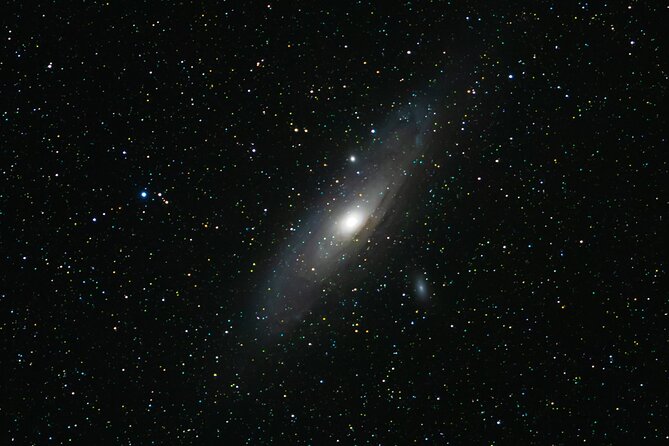
- Celestron Origin smart telescope viewing, including deep-sky objects like nebulas, clusters, and galaxies
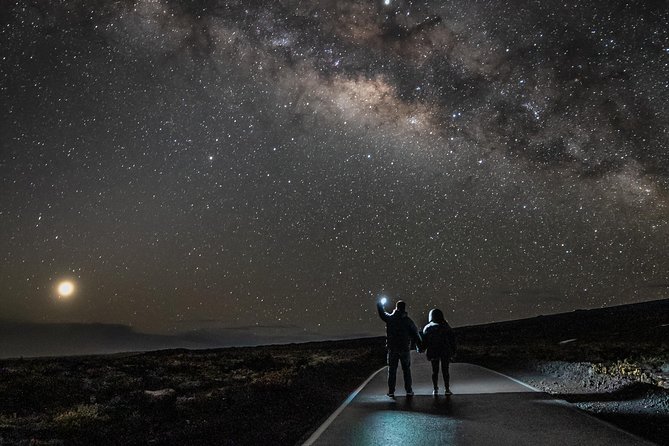
- Complimentary medium-resolution photos, including Milky Way portraits taken during the session
- Parka jackets included, but you should still layer up for real cold
- Small group size, max 30 travelers, so the night feels calmer than the usual meetups
Finding the dark-sky sweet spot near Onizuka Astronomy Complex
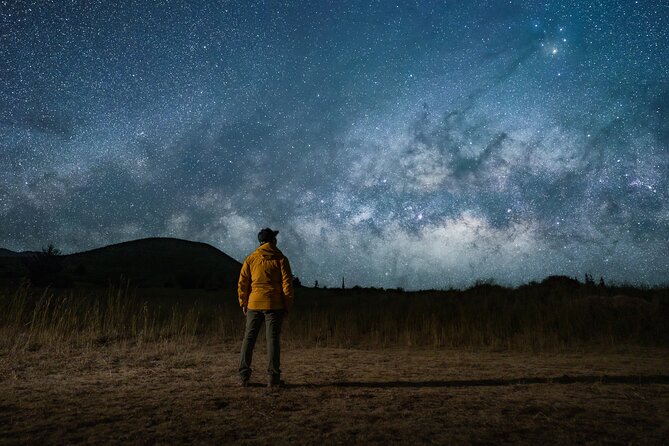
On the Big Island, stargazing success is mostly about darkness, not luck. This tour starts with a plan to avoid the bright, busy areas, steering you toward quieter viewing spots near the Onizuka Astronomy Complex zone without hanging out in the crowded visitor center. That matters because even a few headlights and phone screens can wash out faint nebulae and galaxy detail.
Timing is part of the strategy too. Your tour time slot is handpicked to reduce bright moonlight, so you get darker skies when it counts. If conditions shift, your team may adjust the location, and you can end up viewing from Mauna Loa instead of Mauna Kea when the sky will be clearer.
Another practical advantage is the group size. With a maximum of 30 travelers, it is set up so you can actually listen, ask questions, and look through the telescope without feeling like you are stacked shoulder to shoulder.
Other Big Island of Hawaii outings to compare
- The ‘OG’ Manatee Snorkel Tour with In-Water Guide/Photographer
★ 5.0 · 2,539 reviews - Manatee Swim Tour with In Water Photographer
★ 5.0 · 2,300 reviews - Guided Small Group Manatee Snorkeling Tour with In-Water Photographer
★ 5.0 · 1,336 reviews
The star talk is not just a script, it is live astronomy with Dylan
The heart of the experience is the guided astronomy session. You will get a star talk from an astronomer and astro-photographer team, using a green laser pointer approach so you can follow along. Names you may see leading the show include Dylan and James, with other team members such as Shannon, Malia, Ali, and Luke showing up as well.
What I like about this format is that it is interactive. You are not stuck listening from afar. You can ask questions about what you are seeing, and the guides connect the night sky to both traditional stories and modern astrophysics. That blend keeps it fun if you love the science side, but it still works if you are just starting out and want the basics explained clearly.
You will also get close-up telescope viewing, not just a casual glance. Expect views of deep-sky objects like nebulas, star clusters, and galaxies. The idea is simple: by the time you leave, you should be able to point out a few targets yourself and understand what makes them special.
Smart telescope views: why galaxies look different when you see them “up close”
A lot of stargazing tours end up feeling like guided sightseeing. This one aims for a different outcome. It uses a Celestron Origin smart telescope so you can look at objects with far more detail than you would pull from the naked eye alone.
Even if you know your Orion from your Ursa Major, you may still be surprised by what you can pick out once the telescope locks on. You are not just searching for bright stars. You are seeing structures, groupings, and faint targets that look like smudges to the eye but become real objects once magnified.
This is where the smart telescope also helps with comfort. The guides can show you the same target from different angles or explain what you are looking at as you look. It is one of those “stop thinking, just watch” moments. And it is much easier to learn when the object is right there, in front of you, instead of only in a phone app later.
Cold weather reality: what 30F feels like, and how to dress
Mauna Kea nights are cold, no matter how brave you feel at sunset. Weather can reach 30F, and the tour operates in all weather conditions, so you should expect to spend real time outside. The good news is that parka jackets are provided, with pockets and a hood, and the team is set up to keep you warm enough to enjoy the session.
Still, do not treat the jacket as your only warmth plan. I would layer like you mean it. Bring a base layer under the parka, plus gloves and a hat if you have them. Closed-toed shoes matter because you are not doing this in sneakers that soak up cold ground.
One more tip from how people describe the experience: once you realize how long you will be stationary, hand warmers and extra layers can make the difference between enjoying the sky and counting minutes until you can move again. If you have any mobility or ambulatory restrictions, this tour is not recommended, and it is also noted as not suitable for certain back, heart, hearing, and other serious medical conditions.
Same corner of the map, another day out:
- Big Island in a Day: Volcanoes Waterfalls Sightseeing and History
★ 5.0 · 6,569 reviews - Big Island Manta Ray Night Snorkel
★ 5.0 · 5,656 reviews - Big Island: Kona Manta Ray Snorkel Tour in Keauhou Harbor
★ 4.5 · 2,465 reviews - Hilo Shore Excursion: Volcanoes National Park & Black Sand Beach
★ 4.5 · 2,338 reviews
Photos with the Milky Way: what is included, and how to avoid photo stress
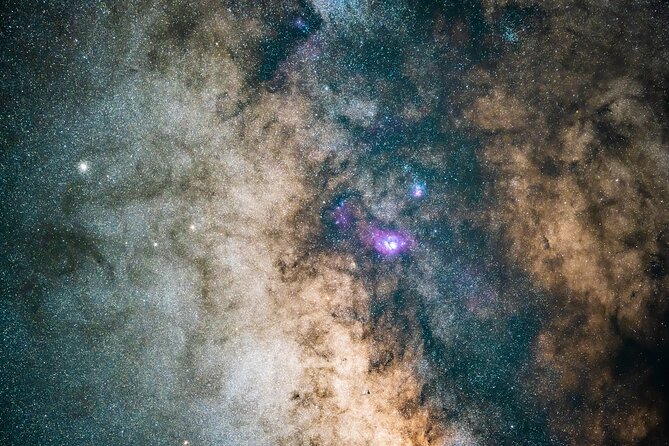
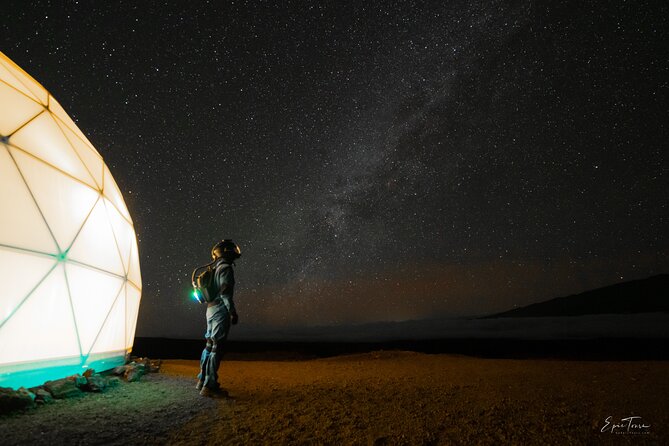
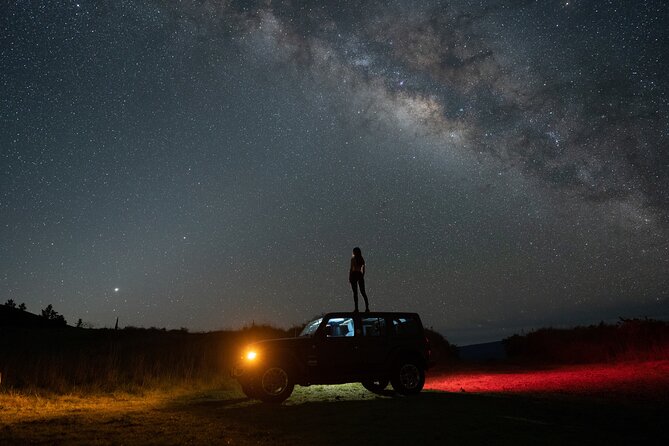
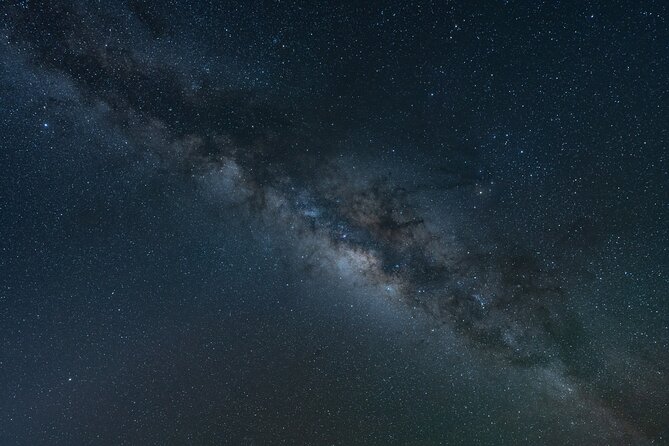
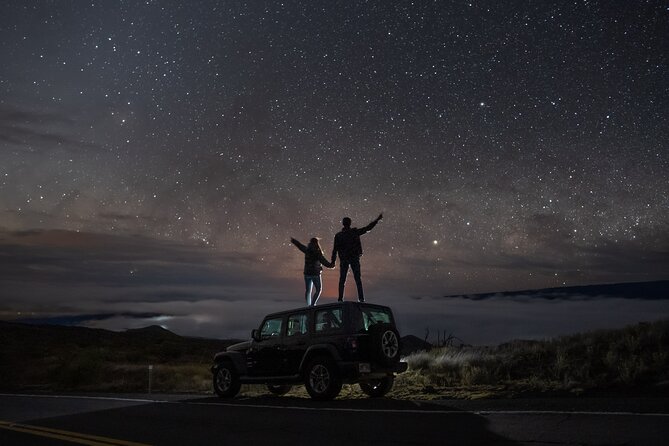
This is a photo-heavy stargazing night. You will receive medium-resolution photos after the trip as a souvenir, and you also get complimentary portraits taken by the astro-photographer with the Milky Way as the backdrop. Names you might recognize in the process include Malia and Shannon as photographers supporting the group.
What you should understand upfront is that the included photos are meant for keeps and sharing. If you want higher-resolution files, bigger prints, or upgraded options, there are optional photo upgrades available for an extra cost. People have reported different upgrade price points, so the practical move is to ask what upgrades cost that night and whether there are different file sizes.
Also, pay attention to how you are identified for your photos. In a couple of unhappy situations, the issue was not the photography itself, it was the follow-through to deliver the right images. Before you leave, confirm how your name or booking details are tied to your photo set. Then check for delivery timing after the experience so you are not stuck wondering where your souvenir ended up.
The cloud guarantee: what happens when stars are hiding
Stargazing is weather-dependent. This tour handles that reality with a strong promise: if the evening is cloudy and the stars are not visible, the tour is free. That guarantee is a big part of why this experience gets such strong ratings.
There is also a broader weather approach. The tour notes that it operates in all weather conditions, but it still requires good weather for the experience to be at its best. If it is canceled due to poor weather, you are offered a different date or a full refund.
In practice, you are hoping for clear skies. But the guarantee means you are not paying full price if the sky does not cooperate. It shifts the risk off you, which is exactly what you want when you are spending a chunk of a vacation budget on one night.
Price and value for $299 per person on the Big Island
At $299 per person for about two hours, this is not a budget add-on. The value is in what is included and what is avoided.
Here is what you get for that price:
- Guided star talk by an astronomer and live telescope viewing
- Close-up views of deep-sky targets like galaxies and nebulas
- An astro-photographer on site for complimentary portraits
- Parka jackets included
- Complimentary medium-resolution photos included
What you do not get is hotel pickup and drop-off. That means you are responsible for getting yourself to the start point.
To judge whether it is worth it for you, think about your goals. If you want to maximize what you learn and actually see, guided telescope viewing plus a real astronomy Q and A can justify the cost. If your main goal is just to take a few phone pictures and look at the big obvious constellations, you might find cheaper options. But if you care about deep-sky objects, comfort in the cold, and an organized, low-stress photo souvenir, this format earns its price.
One other value signal: the team presence. The experience is built around a photographer and astronomer team, so you are not sharing one generic telescope session with five other groups at once. That matters on a night when clear skies are limited.
Logistics you should plan for: Pu’u Huluhulu start, no pickup, dark roads
The meeting point is Pu’u Huluhulu Cinder cone parking lot on the Island of Hawaii, and the activity ends back at the same meeting point. No hotel pickup means you should plan on your own drive up, with extra time.
A few travelers have flagged that the approach can be very dark and curvy for the last miles, and that the road can feel tight when another car is coming down. Even if your exact route experience varies, the practical takeaway is the same: go slowly, arrive early, and save the meeting-point location on your phone before you start driving.
Comfort advice matters too. You will be outside in cold conditions, and the dress code is pants and closed-toed shoes. If you show up underdressed, your “once in a trip” sky can turn into a cold endurance test instead of an astronomy highlight.
Finally, keep your communication lines ready. Some people reported confirmation and direction issues through third-party booking channels, so if you book, make sure you have the correct contact method and you know how the team will reach you with updates.
Who this Mauna Kea stargazing night fits best
This tour fits best if you want a guided astronomy experience with real telescope viewing and photo keepsakes included. It is a great match for couples, first-time stargazers, and anyone who loves asking questions when something catches their eye.
It is also ideal if you care about a low-light setting and fewer people. The tour’s whole approach is about staying away from headlights and crowd spillover, so the sky stays dark enough to show more than just the brightest stars.
On the other hand, it is not a good fit if you need accessible routes or you are dealing with medical limitations related to the notes provided. If your tolerance for cold is low, plan to layer up heavily even with the parka jacket. And if you dislike driving curvy dark roads to a remote meeting point, you may want to choose a different option with pickup.
Should you book Epic Tours Mauna Kea Stargazing?
I would book if you want the full Big Island night-sky package: darker viewing, a live astronomer star talk with Q and A, telescope viewing of deep-sky objects, and complimentary Milky Way portraits plus medium-resolution photos. The free-tour guarantee if clouds hide the stars is a big confidence booster.
I would hesitate if $299 feels like too much for a short two-hour stop, or if you are not comfortable handling cold weather and self-driving to Pu’u Huluhulu without pickup.
If you do book, come layered, arrive early, and get clarity on the photo details so your Milky Way souvenir is actually in your hands after the night.
FAQ
How long is the Mauna Kea stargazing experience?
It runs about 2 hours total, with the guided portion described as 90 minutes at the viewing experience time.
Where is the meeting point, and do you return there?
You meet at the Pu’u Huluhulu Cinder cone parking lot, and the activity ends back at the same meeting point.
Is hotel pickup included?
No. Hotel pickup and drop-off are not included.
What happens if the stars are not visible due to clouds?
If the evening is cloudy and the stars are not visible, the tour is free.
What photos are included?
You receive complimentary medium-resolution photos after the trip, and the photographer also takes portraits with the Milky Way backdrop.
What should I wear for the cold?
Wear pants and closed-toed shoes. Weather can reach 30F, and parka jackets are provided, but you should still dress warmly.
Are children allowed?
Children must be accompanied by an adult.
What is the group size limit?
The tour has a maximum of 30 travelers.
Newest Big Island of Hawaii reviews on the site
- Zodiac Raft Whale Watching Adventure★ 5.0 · 456 reviews
- Kealakekua Bay Snorkeling Tour – 4 hour Kona Zodiac Adventure★ 5.0 · 508 reviews
- Volcano, Chocolate and Waterfalls of the Big Island★ 5.0 · 238 reviews
- Whale Watch Excursion from the Big Island★ 4.5 · 263 reviews
- Whale Watching On The Big Island★ 5.0 · 573 reviews
- Big Island, Hawaii: Volcanoes National Park Safari★ 4.5 · 545 reviews
- Volcano National Park Adventure from Waikoloa★ 5.0 · 216 reviews
- Hawaii Volcanoes, Waterfalls, Beaches & Hilo Highlights Day Tour★ 5.0 · 391 reviews
Photography Sessions, compared.
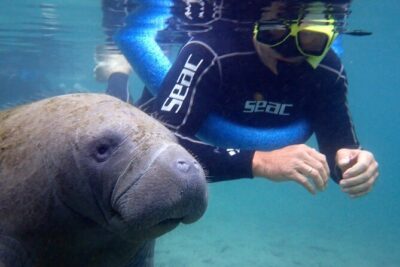
The ‘OG’ Manatee Snorkel Tour with In-Water Guide/Photographer
Read our review →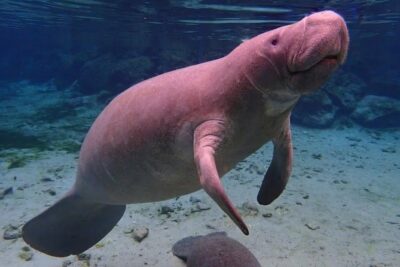

Guided Small Group Manatee Snorkeling Tour with In-Water Photographer
Read our review →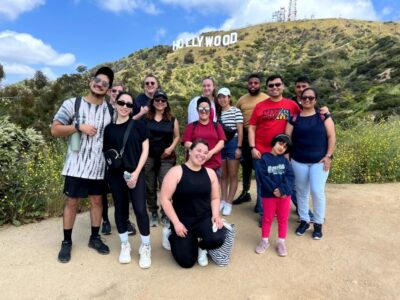
Hollywood Sign Tour with Comedians, Dogs, & Epic Photos
Read our review →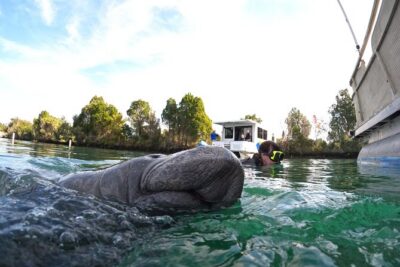
All-Inclusive Small Group Manatee Swim with Free Photos
Read our review →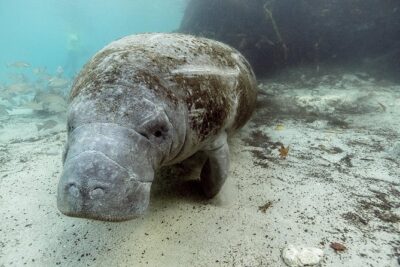
Small group Manatee Tour with In-Water Divemaster/Photographer
Read our review →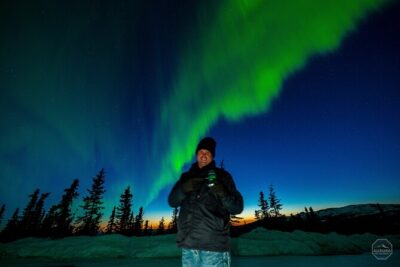
SkyChase™ | Northern Lights Experience – Free Photography & More
Read our review →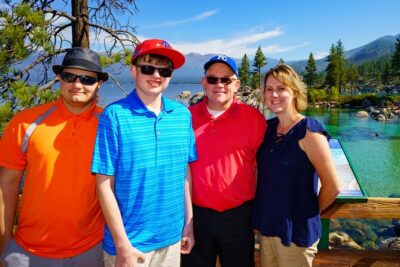
Lake Tahoe Small-Group Photography Scenic Half-Day Tour
Read our review →Browse the lists this tour appears in