
Reviewed · MOB & GANGSTER TOURS
Las Vegas: Mob Museum General Admission
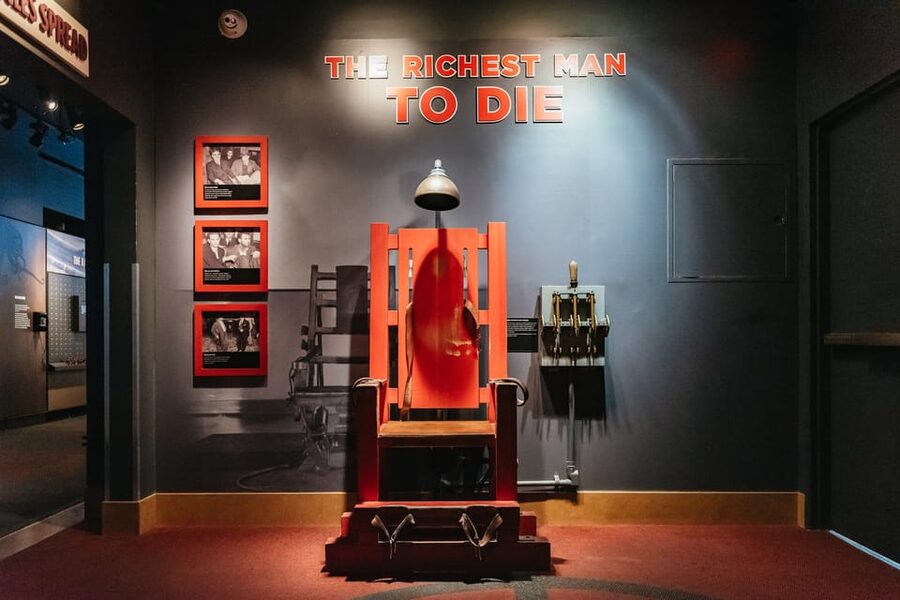
Mob crime meets Vegas history in one stop. The Mob Museum turns downtown Las Vegas into a serious story about organized crime, law enforcement, and the gray area between fact and fiction. I like that it covers the main players on both sides, from Al Capone to Eliot Ness, while also showing what changed when government tools got more modern.
Two things I especially like. First, the museum is strong on the how and why, not just the who, with wiretaps, courtroom material, and artifacts that make the story feel tangible. Second, the finale in the basement is actually a working speakeasy and distillery, so you end on something memorable instead of just leaving with photos and plaques.
One consideration: plan time to read. If you rush, you will miss the best parts, and if you are squeamish, some displays and images can feel graphic.
In This Review
- Key highlights I think you should know
- Why The Mob Museum works so well as a Vegas experience
- The $34 ticket: value, time, and what to plan for
- Your first steps inside: settling into the organized-crime story
- Exhibits that make the story feel real, not just dramatic
- The courtroom that changes the tone of everything
- The underground speakeasy and distillery: the perfect ending
- Optional live talks: when the museum turns into a real conversation
- What to watch for: comfort, photos, and pacing
- Who should book this, and who might be disappointed
- Should you book The Mob Museum General Admission?
- FAQ
- Where is The Mob Museum located?
- How long should I plan to spend?
- What is included with general admission?
- Is the audio guide available in more than one language?
- What should I bring to the museum?
- What is not allowed inside?
- Is parking included in the price?
Key highlights I think you should know
- Both-sides storytelling on organized crime and the evolving fight to stop it
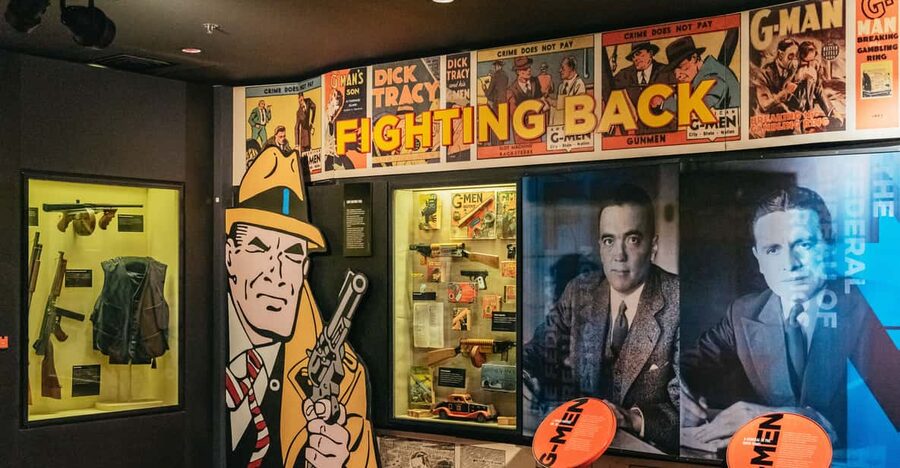
- Iconic artifacts like the St. Valentine’s Day Massacre wall
- Courtroom time tied to the Kefauver hearings in the early 1950s
- Wiretaps and tech that show how cases were built
- The Underground basement finish with a handcrafted cocktail and distillery stop
- Optional guest talks on certain days, with speakers like Frank Calabrese mentioned by visitors
Why The Mob Museum works so well as a Vegas experience
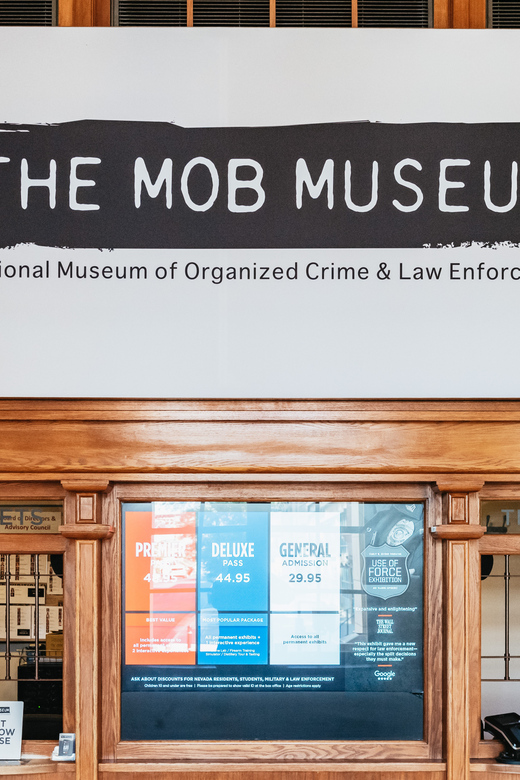
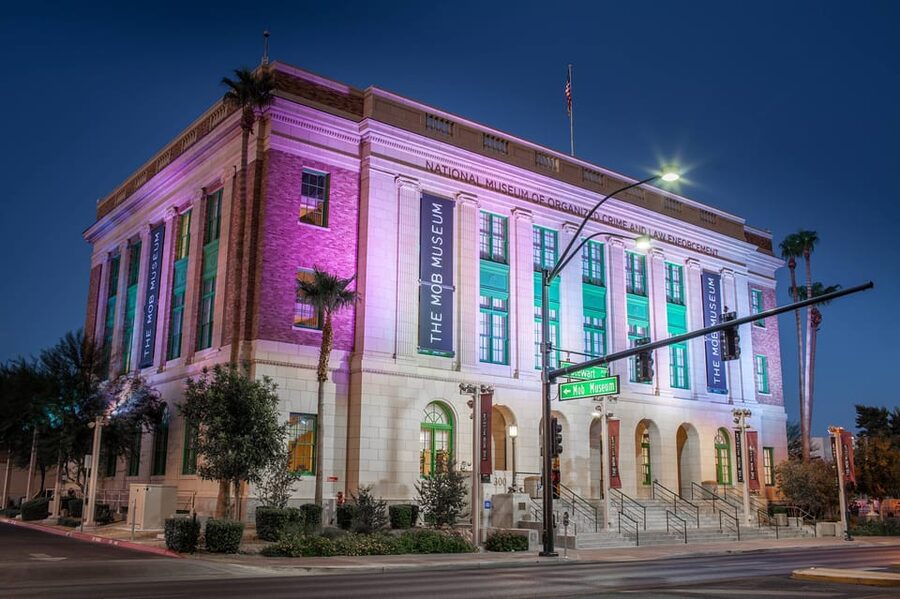
Vegas can be loud and fast, but The Mob Museum is built for slow attention. The setting is downtown, at 300 Stewart Avenue, and the museum layout helps you move floor by floor without feeling lost. The big win is that it does not treat organized crime like a cartoon. It treats it like a system, with criminals making moves and law enforcement learning how to counter them.
What I like best is the way the museum frames the topic as an ongoing battle. You are shown the criminals trying schemes, then you see how investigators adapted. You also get a clearer sense of how much of the popular mob story comes from movies, myths, and headlines, and how much comes from evidence. That fact-versus-fiction angle keeps the whole visit grounded, even when the names are famous.
And because it includes a working speakeasy and distillery in the basement, you get a payoff that feels like part of the story, not just a themed bar at the end.
Other America outings to compare
- Chicago: Gangsters and Ghosts Walking Tour
★ 5.0 · 7,155 reviews - Chicago Crime and Mob Bus Tour
★ 4.5 · 3,186 reviews - Chicago: Gangsters and Ghosts Guided Walking Tour
★ 4.7 · 1,697 reviews
The $34 ticket: value, time, and what to plan for
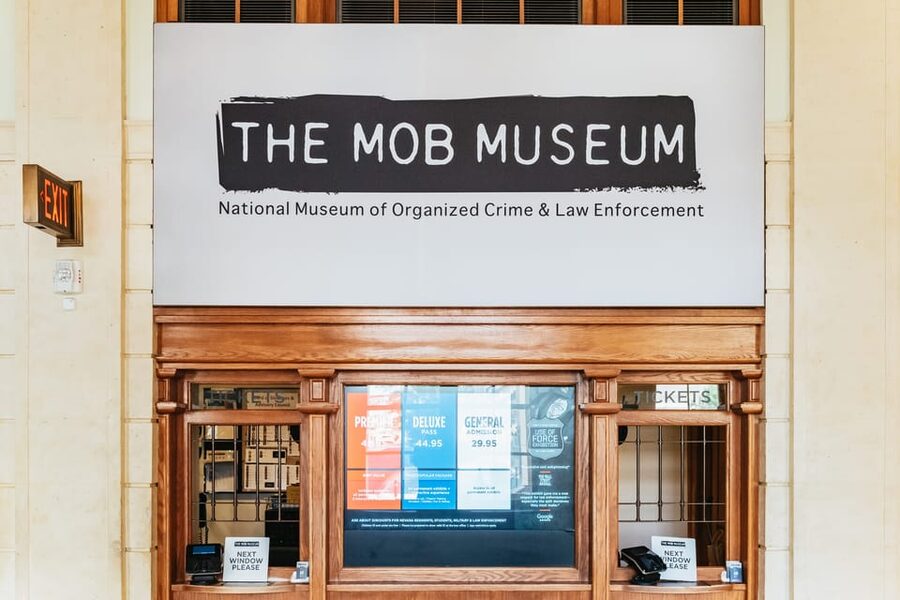
General admission is priced at $34 per person, and it is a good value if you give yourself the right amount of time. The museum experience is usually best in the 1.5 to 3 hour range. That is long enough to watch the theater presentations, read plaques without panic, and still make it down to the basement.
A practical note: parking is not included and is listed separately at $8. If you are already in downtown Las Vegas or staying near Fremont Street, the cost and time hit is usually smaller because you can spend your budget on entry instead of transportation.
What is included is the entrance ticket, plus an audio tour if you select that option. If you are the type who likes to stop, read, and then check in with audio for context, it is a solid add. The audio is available in English and Spanish, which matters if you are traveling with someone who prefers a different language.
If you want to turn this into a half-day plan, I suggest you treat it like a mini program, not a quick walk-through. The layout is on multiple floors, and the museum uses a mix of video, artifacts, and interactive elements, so it naturally takes time.
Your first steps inside: settling into the organized-crime story
When you enter, you start with context. That matters more than you might think. A lot of mob lore is built on a few headlines, but the museum starts you earlier, showing how organized crime grew, organized itself, and became a real force in American life.
You will see major names repeatedly, including Bugsy Siegel, John Gotti, Whitey Bulger, and of course Al Capone. It also introduces major law enforcers tied to the story, such as Joe Petrosino and Eliot Ness. For a lot of people, those names are familiar, but the museum explains them through actions, investigations, and the limits of the tools available at the time.
If you get the audio tour, you can move at your own pace while still staying oriented. If you do not, just slow down at the exhibit panels that connect one era to the next. The museum is good at making those connections, and that is what keeps the story from turning into a random list of criminals.
Exhibits that make the story feel real, not just dramatic
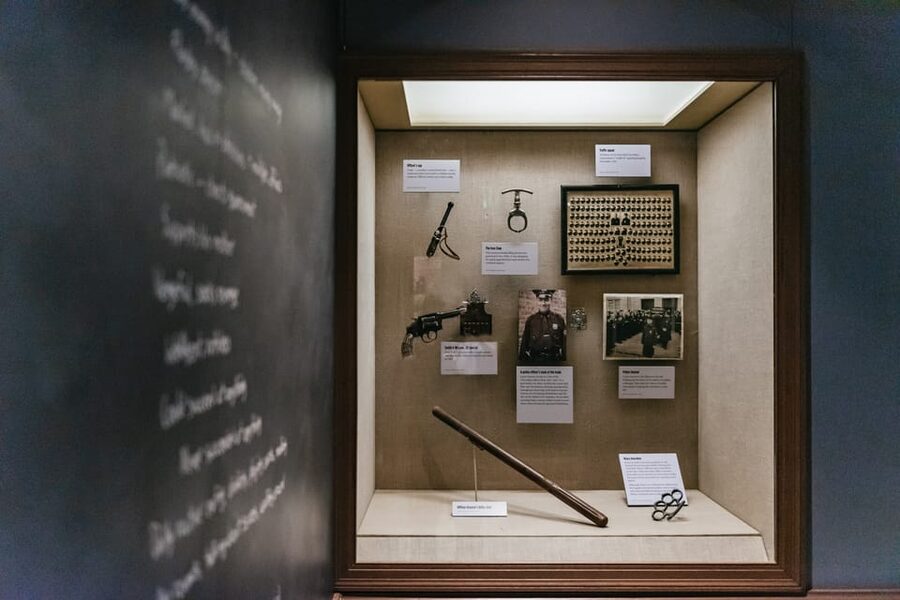
The Mob Museum leans hard on objects and evidence. That is why it lands better than many themed attractions. A standout example is the artifact display tied to the St. Valentine’s Day Massacre, including the famous wall connected to that event. Whether or not you know the whole case already, seeing something tangible helps your brain stop treating the mob era as distant Hollywood.
You will also run into exhibits focused on methods: wiretaps, government investigations, and the tactics used to catch mobsters. This is where the museum earns its place in a Vegas lineup. It shows the mechanics. You see how authorities built cases, and you learn why technology and procedure mattered.
There are interactive elements too, and some visitors specifically mention an enhanced forensic-style option. That kind of extra experience can be worth it if you like hands-on learning, but it also may cost extra. If you are not sure, keep your expectations simple: general admission already gives you plenty of evidence-based storytelling.
One more tip: if you care about details, bring your reading stamina. Reviews often point out that people lose track of time because there is so much to read. If you are the kind of person who moves fast through museums, you might want to pick a few “must see” targets in advance, then let the rest be bonus.
Same corner of the map, another day out:
- NYC: SUMMIT One Vanderbilt Tickets
★ 4.7 · 51,195 reviews - NYC: 9/11 Memorial & Museum Timed-Entry Ticket
★ 4.8 · 31,428 reviews - NYC: Empire State Building Tickets – Observatory & Museum
★ 4.7 · 25,757 reviews - NYC: Empire State Building Observation Deck Tickets
★ 4.7 · 22,072 reviews
The courtroom that changes the tone of everything
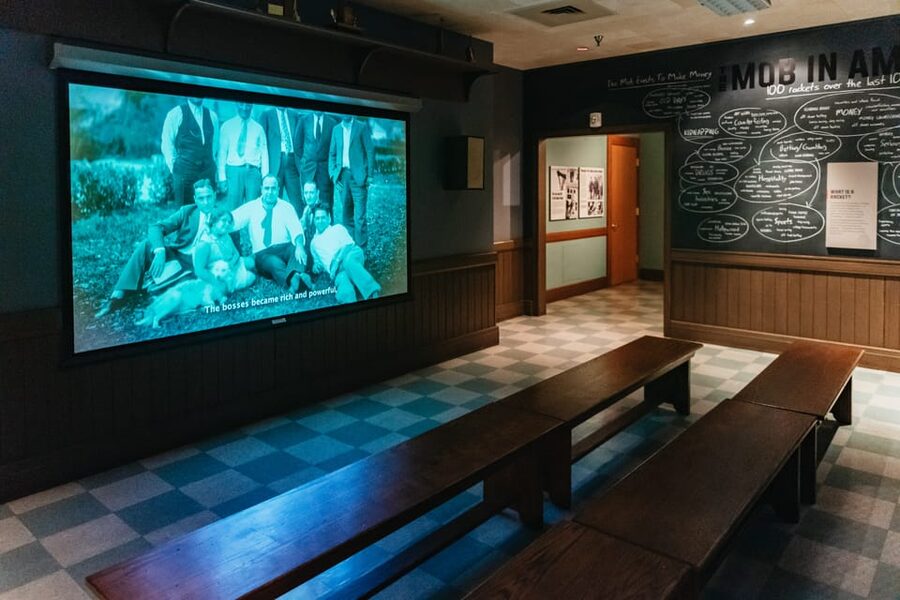
At some point, you reach a courtroom setting tied to organized crime hearings. This is one of the most memorable parts of the whole visit because it shifts the experience from storytelling to procedure. You see a historic courtroom where a nationwide organized crime hearing took place, specifically linked to the Estes Kefauver hearings held in the early 1950s.
The Kefauver hearings are an important chapter because they represent a major push to expose organized crime at a national level. The museum builds that meaning into the room itself, so you do not just learn dates and names. You feel the tone of public accountability, testimony, and scrutiny.
If you like theater presentations, this courtroom stop is where they tend to hit hardest. It often includes a movie presentation tied to Senator Estes Kefauver’s hearings, which helps connect the visuals to the real-world political and legal impact.
One practical consideration: the courtroom segment is popular because it is different. If you want to be sure you catch it without interruptions, aim to visit the courtroom earlier in your day rather than treating it like a last-minute detour.
The underground speakeasy and distillery: the perfect ending
The basement is not an afterthought. It is the finish you remember. The Underground speakeasy and distillery is part of the museum experience, and it is where you can enjoy a handcrafted cocktail while surrounded by displays tied to the 1920s.
The museum distills its signature spirits on site, and you get a view into that process as you take your break. That is a smart choice for a museum, because it turns learning into a sensory moment. You are not just standing and reading anymore. You are tasting, and that makes the theme feel complete.
Several visitors also mention the speakeasy experience comes with a password concept, so do not assume the entry process is just open door and walk in. If you want to spend time down there, build in extra minutes so you are not rushing the cocktail or the atmosphere.
Food is available for purchase, and some people say the speakeasy includes items like pizza or a snack plate. If you want a fuller break, plan to eat here rather than trying to fit food into your museum schedule elsewhere.
Optional live talks: when the museum turns into a real conversation
On certain days, the museum can include guest speakers. Some visitors highlight live speakers as a big bonus, and one name that comes up is Frank Calabrese. If you see a schedule for guest talks on your date, it is worth factoring that into your timing.
Why it matters: when someone shares personal stories, you get a different flavor than the exhibits. You hear how these topics look from the inside of investigations, policy, and the human side of the work. Even if you are there for the artifacts and courtroom, the talk can make the information snap into sharper focus.
If your schedule is tight, just understand that live talks may pull you off a strict exhibit loop. It is usually a win, but it can affect how fast you move through floors.
What to watch for: comfort, photos, and pacing
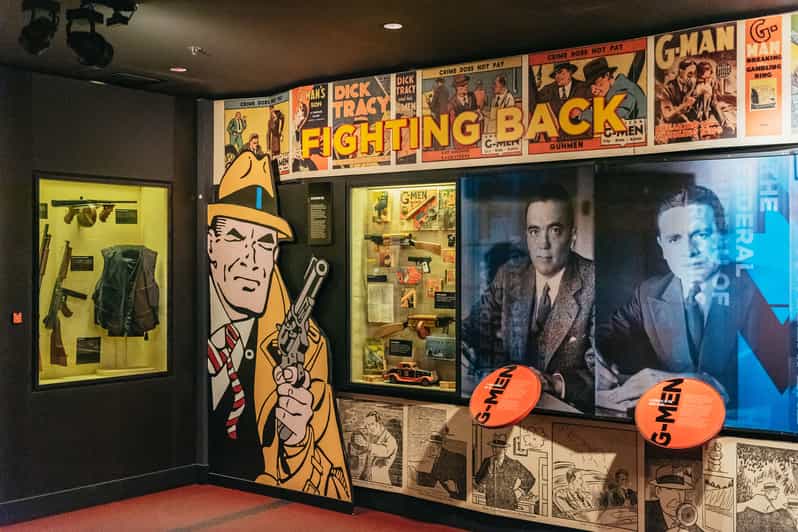
This museum is not trying to be squeaky-clean and kid friendly in tone. One review notes that some images can be graphic. Another mentions discomfort with the presence of unmasked individuals in certain areas. That does not mean you will be overwhelmed, but it does mean you should go in with your eyes open.
Also, this is a museum with a lot of reading. If you skip every plaque, you will still see the highlights, but the museum’s strengths come from the details and the connections between exhibits.
My advice: choose your pace. If you love details, do the full loop with audio turned on. If you are more visual, keep audio for the hardest concepts and then spend more time on the artifact rooms and theater spots.
Finally, use the bag check option if you need it. Luggage and bag check-in is available, which can keep your visit stress free if you arrive with shopping bags or a small backpack.
Who should book this, and who might be disappointed
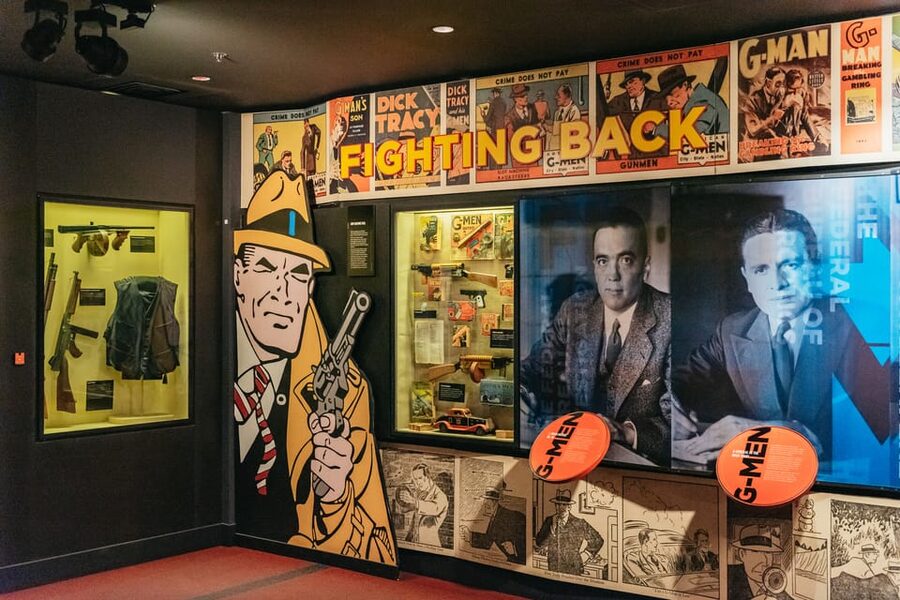
This is a top pick if you like true crime in a grounded way, love history when it is tied to real evidence, or you simply want something different from a standard Vegas show. I also think it is great for couples and friends because you can split up for short stretches, then meet back at the courtroom and speakeasy to compare what you saw.
You should consider skipping or adjusting expectations if:
- You want a quick, low-effort stop that takes 45 minutes
- You dislike museums with lots of text on walls and labels
- Graphic images or darker crime themes make you uncomfortable
If you can handle a serious tone and you are okay spending a few hours paying attention, you will likely feel like you got your money’s worth.
Should you book The Mob Museum General Admission?
I would book it if you want a Vegas stop that feels real, evidence-based, and different from the usual strip attractions. The price is reasonable for what you get, especially because you are not only looking at displays. You are watching presentations, stepping into a courtroom tied to the Kefauver hearings, and ending in a working speakeasy and distillery in the basement.
If you only have time for one museum moment in Las Vegas, this is a strong choice. But do yourself a favor and plan your timing around it. Give yourself time to read, hit the courtroom earlier, and treat the Underground speakeasy as part of the experience, not a quick drink stop.
FAQ
Where is The Mob Museum located?
The museum is at 300 Stewart Avenue, Las Vegas, NV 89101.
How long should I plan to spend?
You should allow between 1.5 to 3 hours for an optimal museum experience.
What is included with general admission?
Your general admission includes entrance to The Mob Museum. The museum’s audio tour is included if you select that option.
Is the audio guide available in more than one language?
Yes. The audio guide is available in English and Spanish.
What should I bring to the museum?
Bring a passport or ID card.
What is not allowed inside?
Pets are not allowed. Weapons or sharp objects are not allowed. Smoking is not allowed. Food and drinks are not allowed.
Is parking included in the price?
No. Parking is listed separately at $8.
Newest America reviews on the site
- Alaskan Cultural, Culinary and Lumberjack Show Experience★ 4.5 · 230 reviews
- 3 Hour Rainforest Walk & Totem Park Wild Wolf Tours★ 5.0 · 265 reviews
- Snorkel Alaska★ 5.0 · 301 reviews
- Walking Food Tour Exploring Hanalei★ 5.0 · 282 reviews
- Waimea Canyon Downhill Bike Ride★ 5.0 · 650 reviews
- Bourbon History Tour★ 5.0 · 219 reviews
- Kauai Adventure: Kayak & Hike to Secret Falls with Expert Guide★ 5.0 · 1,387 reviews
- Wailua River Kayak and Sacred Falls Guided Hike with Lunch★ 5.0 · 783 reviews
Mob & Gangster Tours, compared.




Browse the lists this tour appears in