
Reviewed · SPACE CENTER TICKETS & TOURS
Houston: Space Center Houston Admission Ticket
Houston takes space seriously. This full-day Space Center Houston admission gets you into the action with a NASA tram tour and self-guided exhibits built around both the bold past and the messy, human work behind spaceflight. You get a lot of variety for one ticket price, from artifacts to theaters, so the day stays interesting even when crowds shift.
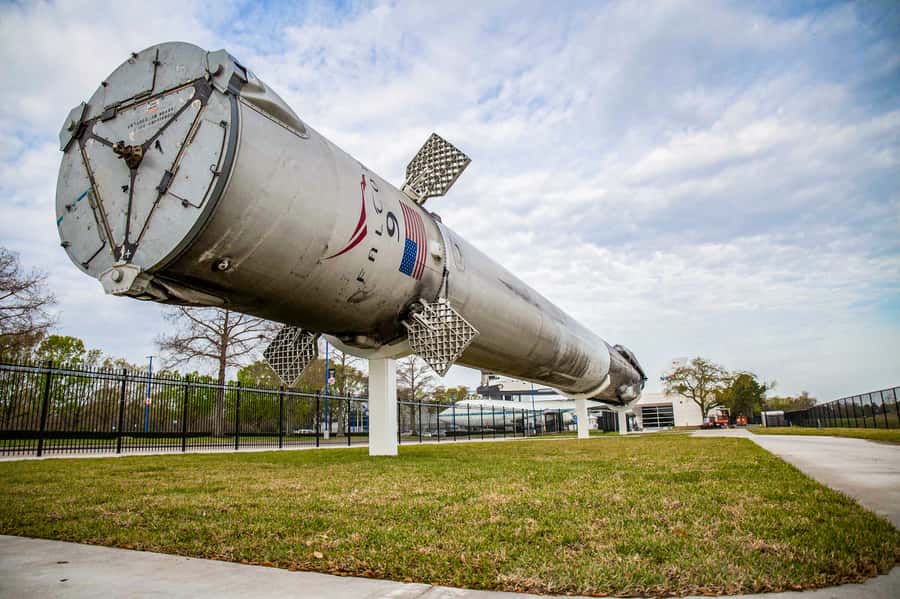
I especially like the up-close, wow-factor moments: the moon rocks and lunar samples on public view and the SpaceX Falcon 9 rocket displayed outside, one you can walk around and under. The one drawback to plan around is timing and add-ons. Your timed admission is not the same as your tram tour timing, and the Historic Mission Control Tram Tour is not included.
In This Review
- Key Things to Know Before You Go
- Entering Space Center Houston on a Timed Ticket
- The NASA Tram Tour: Johnson Space Center in Motion
- Mission Briefing Center and Starship Gallery: Museum Time, But Smarter
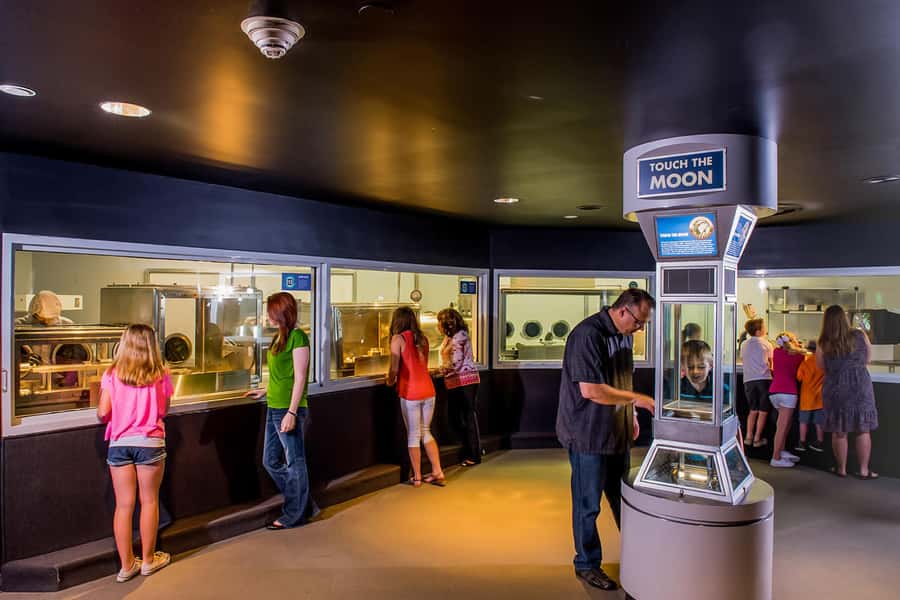
- Moon Rocks and Lunar Samples: The One Exhibit That Feels Real
- Walking Under the Falcon 9 Booster Outside
- Exhibits, Theaters, and Interactive Stops for Different Ages
- Planning Your One-Day Flow Without Losing the Best Stuff
- Parking, Rides, and Food: Small Costs That Affect the Day
- Value at About $29: What Makes This Ticket Feel Fair
- Who Should Book This Admission Ticket?
- Should You Book Space Center Houston Admission?
- FAQ
- What is included in the Space Center Houston general admission ticket?
- Do I need a boarding pass for the NASA tram tour?
- Is the Historic Mission Control Tram Tour included?
- Are food and drinks included?
- How long should I plan for this experience?
- How does timed entry work?
- What time slots can I choose for admission?
- Is parking included?
- Do children under 3 need a ticket?
- Where is the meeting point?
Key Things to Know Before You Go
- Timed entry matters more than you think: your admission time is separate from your NASA tram tour time.
- NASA tram tour needs a boarding pass: you’ll follow the instructions provided with your ticket.
- Moon rocks are the star (in the best way): a huge public collection of lunar samples is on display.
- The Falcon 9 outside is the modern anchor: you can walk under the first-stage booster and connect it to recent crew launches.
- You’re self-guided for most of the day: pace it based on lines and interests, not a fixed schedule.
- Historic Mission Control Tram Tour costs extra: if you want Mission Control history, plan for an additional ticket.
Entering Space Center Houston on a Timed Ticket
Space Center Houston is one of those places where the details are half the fun. Before you even start exploring, set yourself up for a smooth entry. Your ticket comes with a timed admission window, and that time is mainly about getting you into the center, not about locking in your tram tour.
Once you’re through the gate, the day becomes a choose-your-own-adventure. You can wander exhibits, pop into theaters, and time your big moments around your energy and the crowd level. I like that the ticket covers access to all exhibits rather than forcing you into one tight path.
A couple practical points you’ll thank yourself for:
- If you’re arriving close to your timed entry, don’t. Build a cushion so you can breathe when the line moves.
- If you’re visiting with kids, that cushion matters more. Some areas are hands-on, and you’ll want time to repeat favorites.
Also note the ticket window choices: you can select tickets for every hour from when the center opens until 2:00 PM. And if you’re bringing a toddler, kids under 3 have free admission, but they still need a timed admission ticket.
Other Houston outings to compare
- Space Center Houston Admission Ticket
★ 4.0 · 1,403 reviews - NASA’s Space Center Admission Plus Houston City Tour
★ 4.0 · 744 reviews - Houston: City Tour and NASA Space Center Admission Ticket
★ 4.4 · 488 reviews
The NASA Tram Tour: Johnson Space Center in Motion
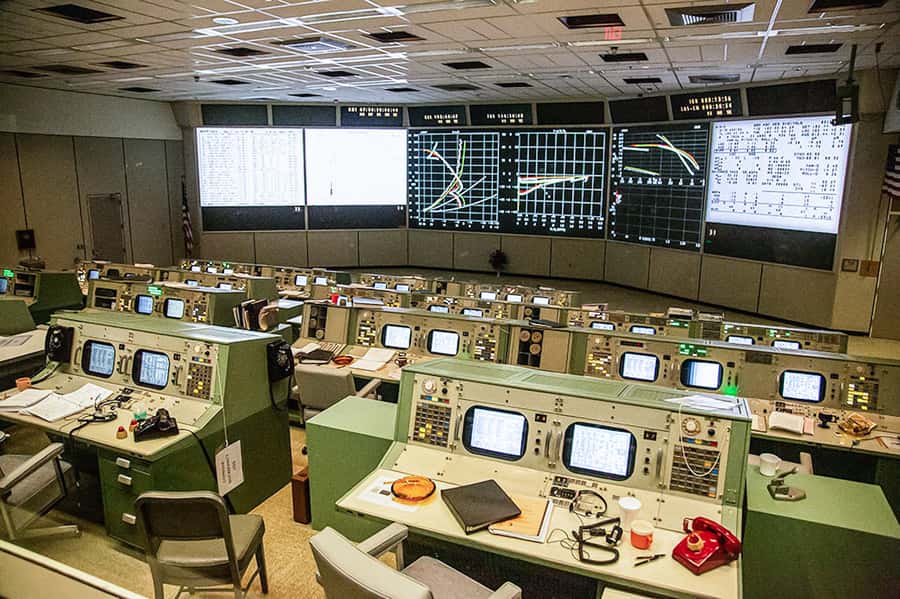
The NASA tram tour is the centerpiece that turns a museum visit into a “real place” experience. It’s designed to help you connect what you see inside with what NASA does out there, and it’s tied to Johnson Space Center. You’ll also get context for NASA’s Mission Control work, including International Space Station Mission Control and astronaut training, based on what’s available during your visit.
Here’s the key logistics wrinkle: your general admission time is not your NASA tram tour time. So even if you’re early for your entry, you might still need to wait for the tram portion. To make it work, you’ll need a boarding pass to take the tram, and the instructions for getting that boarding pass are on your ticket.
What you can expect from the tour itself is more than a drive-by. You’re learning about human space exploration and how the program operates as a system, not just a pile of rockets. In the past, visitors have highlighted the value of seeing the original control center and the “big rooms” feel of the operation, and that lines up with why this tram tour is often considered the main event.
One more consideration: the tram experience is timed and capacity-based, so if you want it, treat your boarding pass instructions like your flight boarding group. Show up on time, not “close enough.”
Mission Briefing Center and Starship Gallery: Museum Time, But Smarter
Once you’re inside, you can shift into self-guided mode, which is exactly what you want here. The ticket is meant for a full day, and the center is built so you can work through it without feeling like you’re constantly chasing someone else’s schedule.
Two areas highlighted in the ticket description are the Mission Briefing Center and the Starship Gallery. The Mission Briefing Center is the kind of place that helps you understand what happens before launch, not just after. It frames spaceflight like a sequence of decisions, training, and communication, which makes the later exhibits feel more meaningful.
The Starship Gallery is another good “context builder.” Even if you’re not there to read every panel, it’s the sort of stop where you start seeing the bigger idea: how vehicles and missions evolve, and how future plans build on hard-earned lessons.
One reason this works for families is that these spaces don’t rely on one age group. Kids can enjoy the visuals and scale, while older visitors tend to latch onto the behind-the-scenes framing.
If you do one thing to make self-guided exploration easier, do this: pick your top three stops (for many people, that’s the tram tour, moon rocks, and the Falcon 9), then fill the rest around them. When lines or energy levels shift, you won’t feel like the entire day collapsed.
Moon Rocks and Lunar Samples: The One Exhibit That Feels Real
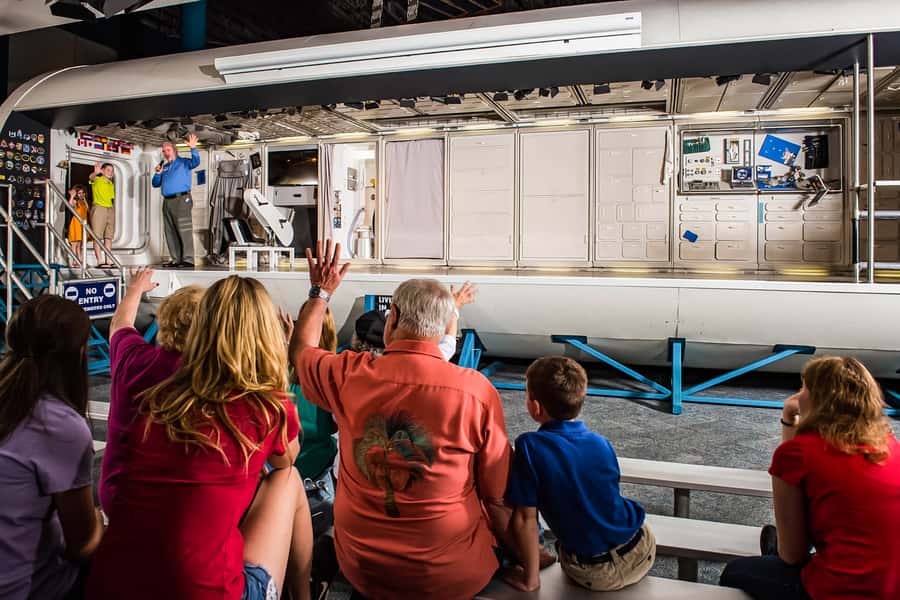
If you only care about one display, make it the moon rocks and lunar samples. Space Center Houston says it has the world’s largest collection of moon rocks and lunar samples for public view, and that makes this stop feel different from the rest of a typical space-themed museum.
This is where the emotion of spaceflight lands. You can read about missions for hours, but seeing lunar material under lights gives the story a physical anchor. It’s also a rare exhibit type in the way it calms a crowd. People often slow down here and look longer.
A pro move: don’t rush the moon rocks. Give yourself time to look twice. The first pass is just awe. The second pass is where you start noticing labels, context, and the mission chain that brought these samples back.
And if you’re coming with kids, this is also one of those moments where you can turn “watching science videos” into “talking science.” You can ask simple questions like where the samples came from and why bringing them back mattered, and the exhibit gives you enough clues to keep the conversation moving.
Same corner of the map, another day out:
- Astroville Tunnel Tour of Downtown Houston (Air-Conditioned)
★ 5.0 · 657 reviews - Houston Museum of Natural Science General Admission
★ 4.5 · 638 reviews - Houston’s Official City & Mural Tour!
★ 4.0 · 568 reviews - Houston: Guided City Tour by an Open-Top Double Decker Bus
★ 4.5 · 414 reviews
Walking Under the Falcon 9 Booster Outside
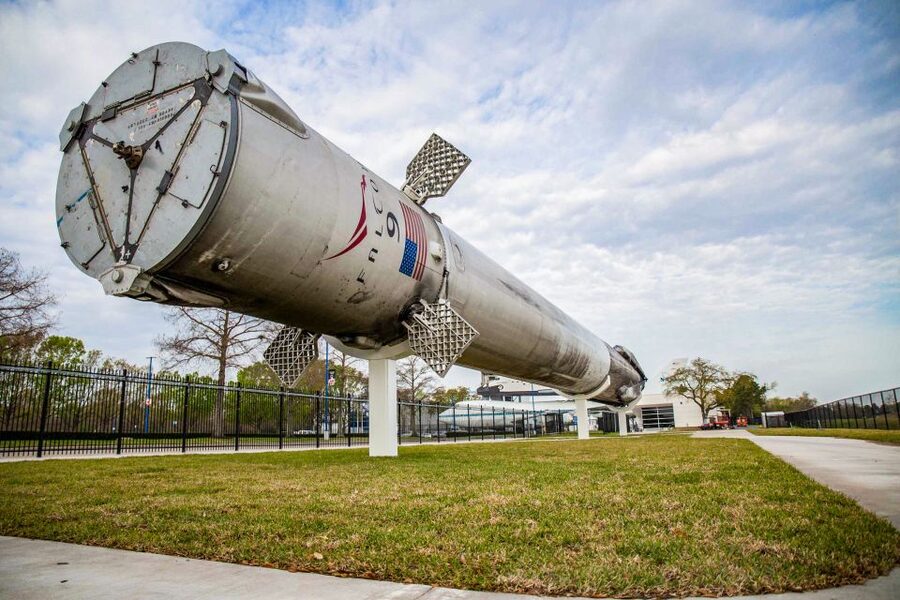
The newest permanent exhibit mentioned for this ticket is the SpaceX Falcon 9 rocket, displayed outside the center. The description calls out that you can walk around and underneath the first-stage booster, which spans more than 156 feet. That’s not just a photo opportunity. It changes how you understand scale.
The center also connects this specific rocket type to real missions. The information given highlights that this is the same type of rocket that launched NASA astronauts Robert Behnken and Douglas Hurley on the SpaceX Crew Dragon spacecraft on May 30 for the Demo-2 mission. It notes that it marked the first time since 2011 that astronauts launched from American soil.
Why this matters for your day: the Falcon 9 exhibit bridges eras. You’re standing next to modern space hardware while your brain is still digesting older Mission Control stories from earlier stops. The museum’s layout makes those connections feel natural, instead of like you’re doing homework at the end of your trip.
One thing to plan for: outdoor areas can be hot, sunny, and crowded depending on the season. If you’re flexible, you can time a longer outdoor walk for a cooler part of the day, then use hotter hours for indoor theaters and galleries.
Exhibits, Theaters, and Interactive Stops for Different Ages
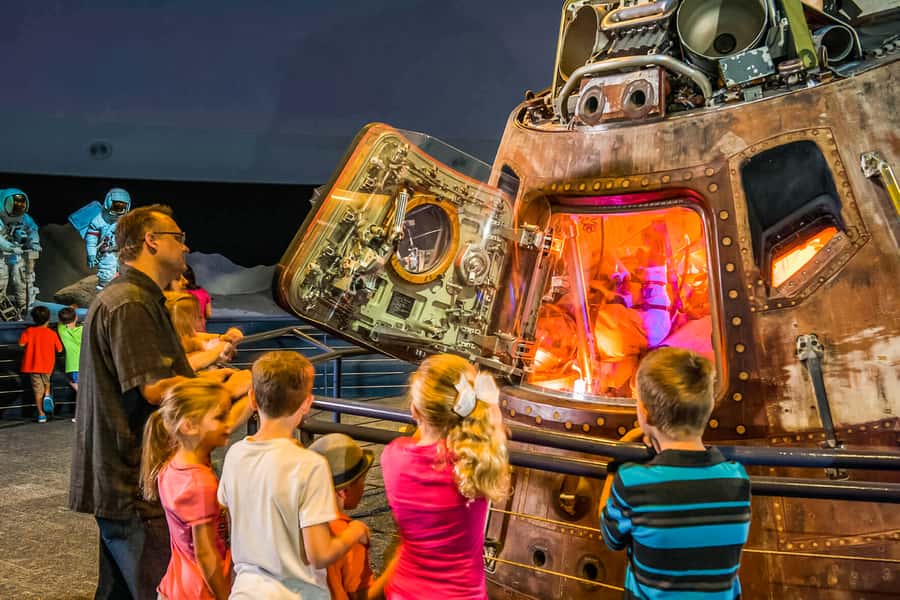
Space Center Houston includes 400 space artifacts plus permanent and traveling exhibits, and that mix is part of the value of a one-day ticket. It’s not just rockets and displays. There are theaters where you can catch films and talks, and those add a calmer pace when you need a break from reading and walking.
Based on the experience notes you provided, you might also run into things like an astronaut speaker and a film show such as Moon Walkers, which includes footage associated with Tom Hanks. There are also interactive activities that tend to work well for kids, including hands-on elements and attention-grabbing demonstrations.
Some practical advice I’d follow:
- Use theaters as your “reset button.” If lines form for trams or popular rooms, slipping into a theater keeps your day moving.
- If you’re traveling with someone who gets overwhelmed by large crowds, plan shorter exhibit loops and then take a theater break.
There’s also a reality check. A few visitors have found that some areas can feel a bit hard to follow if you get moved into a big tour group setting, where you might not catch which object a staff member is describing. For self-guided sections, you can slow down. For tram and guided-style moments, keep your expectations simple, treat it like a highlight tour, and then re-check details later on your own if you want.
Planning Your One-Day Flow Without Losing the Best Stuff
A “full day” at Space Center Houston is real time, not marketing fluff. Even with a good plan, you might not see everything, especially if lines for trams or popular vehicles stack up.
A smart flow looks like this:
- Start with your timed entry and get your rhythm fast. Don’t spend the first hour wandering randomly if the tram tour is a must-do.
- Lock in the NASA tram tour window early in your decision-making, since it drives the rest of your pacing.
- After the tram, focus on the high-signal exhibits you care about most, like moon rocks and the Falcon 9.
- Fill gaps with theaters, galleries, and interactive areas.
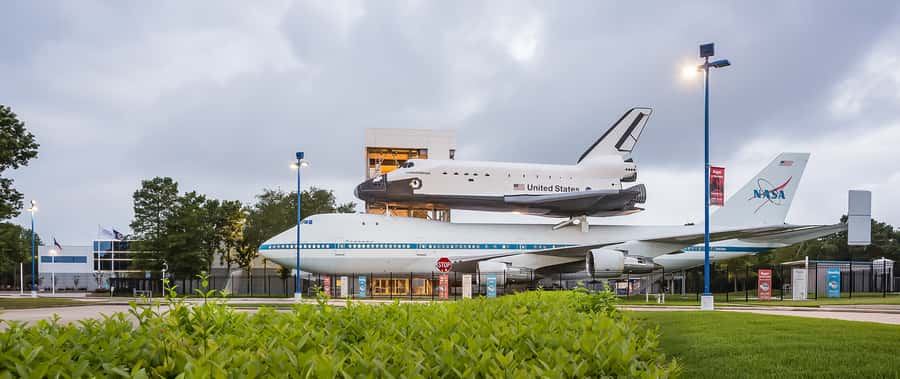
If you’re the type who hates standing in lines, you’ll still want to factor them in. You can reduce the stress by planning for a morning or midday arrival that matches the center’s timing patterns, then keeping the day flexible. For example, if a specific shuttle-related walkthrough has a long line, you can skip it and come back later, or swap it for a theater session.
One more detail worth knowing: there are signs and routes you might want to pay attention to. A small amount of wayfinding confusion can happen if you don’t watch the layout, and that can make you miss an area. I’d keep your phone handy for maps and take a moment at intersections to confirm where the next target room is.
Parking, Rides, and Food: Small Costs That Affect the Day
This is where the ticket stays simple, but your day has extra variables. The admission ticket covers exhibits and the NASA tram tour, but it does not include rides. It also lists parking as an additional fee.
The provided details conflict on the exact parking amount, so treat it as extra budget you should verify on arrival: one note says parking is $10, while another says a $5 USD parking fee. Either way, parking is not rolled into your ticket price.
Food and drinks are not included. Still, the center has places to eat. One visitor specifically called out nice food in a cafeteria. So you can plan to eat on site, but build the cost into your budget.
My practical suggestion: carry a refillable water bottle if you prefer, and bring small snacks only if they’re allowed where you’ll eat. Then you won’t feel stuck cutting exhibit time just to hunt for food.
Value at About $29: What Makes This Ticket Feel Fair
At roughly $29 per person, the value comes from two things: breadth and a real connection to NASA operations. This is not only a static collection of artifacts. It’s a museum plus a NASA tram tour that helps you understand why the exhibits exist and how the program works.
The “full-day” framing matters here. If you treat it like a one-hour stop, the price will feel steep. If you treat it as a day that includes tram tour timing, indoor exhibits, and outdoor scale moments, it can feel like a lot of attention for the money.
Also, the moon rock exhibit and the Falcon 9 outdoor rocket are both high-impact. They’re the kinds of things you remember later, which makes the ticket feel more like an experience than a checklist.
If you want one extra layer, the Historic Mission Control Tram Tour is not included with this ticket. So if Mission Control is your top priority, factor in that additional cost. Some visitors have said the mission control add-on was worth paying for, which makes sense, since it’s the most direct path to the control center history side of the story.
Who Should Book This Admission Ticket?
This is a strong fit if you’re visiting Houston for one main purpose, especially if you want space exploration history plus modern momentum. It also works well for families because the exhibits include interactive elements and the day is flexible enough to handle different ages and attention spans.
Consider booking if you:
- want a full-day space experience without pre-selecting every exhibit
- care about connecting the story to real NASA environments via the tram
- want a mix of older era storytelling and newer tech highlights like the Falcon 9
It may be less ideal if:
- you only have a couple hours and want a quick hit
- you strongly prefer guided tours where everything is explained at every stop, since the self-guided portion means you’ll set your own reading pace
Should You Book Space Center Houston Admission?
Yes, for most people this ticket is a good call, especially if you plan it like a full-day mission. Get your timed entry right, treat the NASA tram tour as your anchor, and build in time for the moon rocks and the outdoor Falcon 9 walk.
If you’re the kind of space fan who wants the Mission Control story at maximum depth, look at adding the Historic Mission Control Tram Tour separately. Otherwise, you’ll still have plenty to do with the included NASA tram tour and the exhibit flow.
My bottom line: book it if you can give it most of your day. Then go in with three priorities, and let the rest of the center fill the gaps around them.
FAQ
What is included in the Space Center Houston general admission ticket?
The ticket includes general admission with timed entry, access to all exhibits, and the NASA tram tour (boarding pass required).
Do I need a boarding pass for the NASA tram tour?
Yes. A boarding pass is required for the NASA tram tour, and instructions for obtaining it are on your ticket.
Is the Historic Mission Control Tram Tour included?
No. The Historic Mission Control Tram Tour is listed as not included.
Are food and drinks included?
No. Food and drinks are not included.
How long should I plan for this experience?
It’s valid for one day, and it’s described as a full-day entrance ticket. Plan for a full visit to see the highlights.
How does timed entry work?
Admission is timed-ticketed. Your admission time is not your NASA tram tour time, so arrive on time for entry and follow the tram timing rules provided with your ticket.
What time slots can I choose for admission?
You can select tickets for every hour from when the center opens until 2:00 PM.
Is parking included?
No. Parking is listed as additional, and the details provided mention an extra parking fee (listed as $10 in one place and $5 in another). Cash and credit cards are accepted.
Do children under 3 need a ticket?
Yes. Children under 3 receive free admission, but they still need a timed admission ticket.
Where is the meeting point?
The meeting point is Space Center Houston, with coordinates 29.551832, -95.0981044.
Newest Houston reviews on the site
- Explore Houston’s Hip Hop Culture on a 100% Motorized Party Bike★ 5.0 · 256 reviews
- Houston Museum of Natural Science General Admission★ 4.5 · 638 reviews
- The Escape Game Houston: 60-Minute Adventures at The Galleria★ 5.0 · 241 reviews
- Houston’s Official City & Mural Tour!★ 4.0 · 568 reviews
- The Escape Game Houston: Epic 60-Minute Adventures at City Centre★ 5.0 · 221 reviews
- Houston City Tour 2.5-hour Van Tour★ 5.0 · 216 reviews
- Haunted Houston Booze and Boos Ghost Walking Tour★ 5.0 · 215 reviews
- Houston: Guided City Tour by an Open-Top Double Decker Bus★ 4.5 · 414 reviews
Space Center Tickets & Tours, compared.
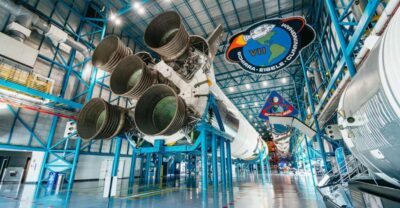
Merritt Island: Kennedy Space Center Visitor Complex Ticket
Read our review →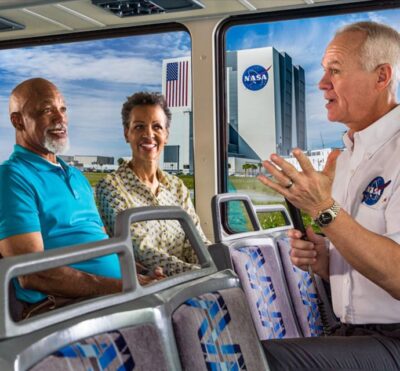
Kennedy Space Center: Entry Ticket with Explore Bus Tour
Read our review →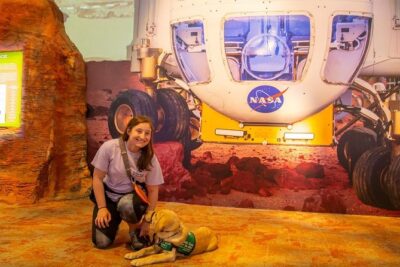

NASA’s Space Center Admission Plus Houston City Tour
Read our review →
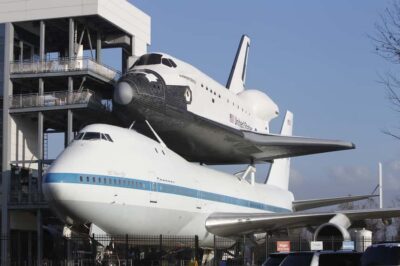
Houston: City Tour and NASA Space Center Admission Ticket
Read our review →Browse the lists this tour appears in