
Reviewed · HARBOR SIGHTSEEING CRUISES
Harbor Lights and Sights Cruise
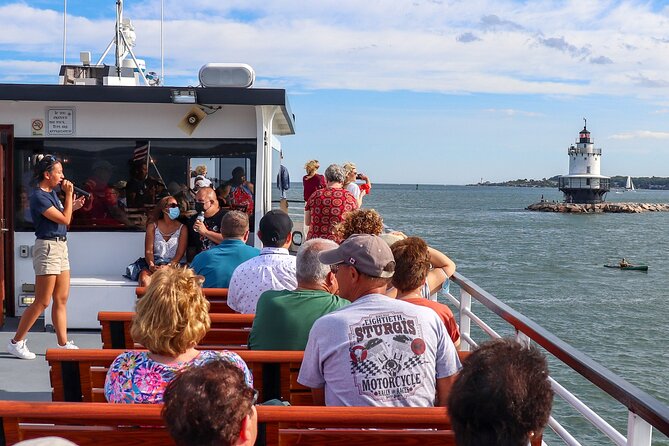
Lighthouses look better from the water. This Harbor Lights and Sights Cruise turns Portland Maine into a real maritime story, with views of historic lighthouses and forts as you glide along Diamond Pass. I love the lineup of iconic lights you’ll pass, and I also like the practical onboard setup with a bar, snacks, and restrooms. One thing to plan for is the weather and wind, since it can feel cold and the boat can get a bit choppy at times.
The route is built for seeing the harbor the way locals do, not just staring at photos from land. You’ll come away with a clearer sense of why Portland’s shipping channel and Casco Bay islands matter, plus what you’re actually looking at when you spot each lighthouse. The narration is a big part of the value, and I’d just consider seat choice if you prefer the clearest audio.
If you’re looking for a high payoff outing that works for couples, families, and first time visitors, this is a smart pick. At $54 per person for about 1 hour 45 minutes, you’re paying for time on the water plus guided storytelling and a comfortable ride, not just a quick sightseeing loop. With a maximum of 80 travelers, you should still feel like you’re part of a real group experience.
In This Review
- Quick hits you will care about
- Why Portland Harbor Changes the Whole City View
- Price, time, and what $54 is actually buying
- Getting on board at 170 Commercial St and choosing the best deck
- Onboard comfort: bar, snacks, and real restrooms
- Gliding along Diamond Pass: the route that makes the harbor make sense
- Maine’s oldest lighthouse and the George Washington connection
- The 1897 west channel lighthouse: seeing the shipping lane in action
- 1855 Thomas Walter design, plus Bug Light and those six Corinthian columns
- Hog Island Ledge and the Civil War era fort modeled after Fort Sumter
- The 1905 twin lighthouse and the northern entrance to Portland Harbor
- Casco Bay islands by name, from Peaks to Diamond Pass
- How the narration works, and how to catch every word
- Weather, wind, and the kind of day that makes photos easy
- Who should book this harbor lights cruise
- Should you book it? My take on the decision
- FAQ
- Where does the cruise start and end?
- How long is the Harbor Lights and Sights Cruise?
- What is the price per person?
- Is a mobile ticket used for this experience?
- What language is the tour offered in?
- What will I see during the cruise?
- Are there restrooms and food or drinks onboard?
- How large are the groups?
- Is the cruise weather dependent?
- What is the cancellation window for a full refund?
Quick hits you will care about
- Maine’s oldest lighthouse link to George Washington, plus multiple major lights around Portland Harbor
- Bug Light and six Corinthian columns show up on the lighthouse run, not as a vague mention
- Civil War era fort on Hog Island Ledge, modeled after Fort Sumter, with details from wartime storage use
- Casco Bay islands by name including Peaks Island, House Island, Cushing Island, and the Diamond Islands
- Onboard comfort: bar, snacks, and comfortable restrooms, so you do not feel trapped in “dry tourism”
- Photo tips from the deck: side matters, and the top area is limited to around 50 people
Why Portland Harbor Changes the Whole City View
Portland is easy to visit from land, but it is hard to truly understand without getting out on the water. This cruise does the heavy lifting by putting the harbor layout, shipping channel, and island geography in front of you in motion. You do not just see lighthouses, you see the practical reasons they sit where they do.
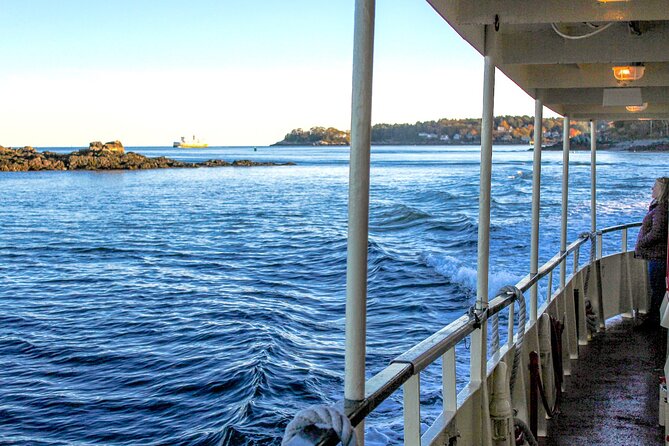
What I like most is that the sights match the story. As the boat passes Diamond Pass, you get views tied to real navigation points: entrances into Portland Harbor, ledges, and the maritime “why” behind each structure. It helps you recognize the differences between working lights, historic landmark lights, and forts built for defense and storage.
The other reason it works is simple: it is built for a mix of ages and attention spans. The cruise runs long enough to feel like a mini outing, but short enough that kids and older adults do not get restless.
Other Portland outings to compare
- NYC: Circle Line 2h Harbor Lights Cruise Skip-The-Box-Office
★ 4.6 · 8,222 reviews - San Diego Harbor Cruise
★ 4.5 · 2,980 reviews - Circle Line: 2hr – New York City Harbor Lights Cruise
★ 4.5 · 2,859 reviews
Price, time, and what $54 is actually buying
$54 per person for about 1 hour 45 minutes can sound like a “just for fun” price until you break down what you get. You are paying for time on the water, guided narration as you pass major historic points, and onboard basics that make it comfortable in real conditions.
Also, the schedule timing matters. On average, this cruise is booked about 18 days in advance, so it is one of those “do not leave it to the last minute” activities if you want a specific departure. The maximum group size of 80 keeps it from feeling like a massive floating bus.
Value wise, the biggest plus is that you are not stuck with only one kind of viewing. You get lighthouses, a Civil War era fort modeled after Fort Sumter, and island views, all in one continuous ride rather than hopping between separate sites.
Getting on board at 170 Commercial St and choosing the best deck
Your meeting point is 170 Commercial St in Portland, and the cruise ends back there. That is a nice setup if you are building the day around a few concentrated stops, since you can walk to nearby sights after.
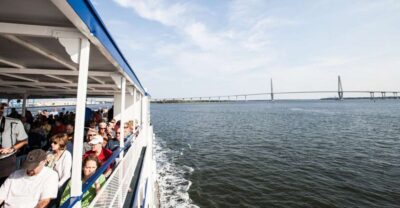
Seat and deck choice can change your experience a lot, and I consider that part of value. Some people find it harder to hear narration from the bottom floor near the back of the boat. If you can, try to get to the top area, which one recent passenger noted is limited to around 50 people.
There is also a practical photo tip worth keeping: when you board, aim for the right side when facing the front of the boat for better photo opportunities. Even if you do not care about photography, that side placement can help with comfortable viewing angles.
Onboard comfort: bar, snacks, and real restrooms
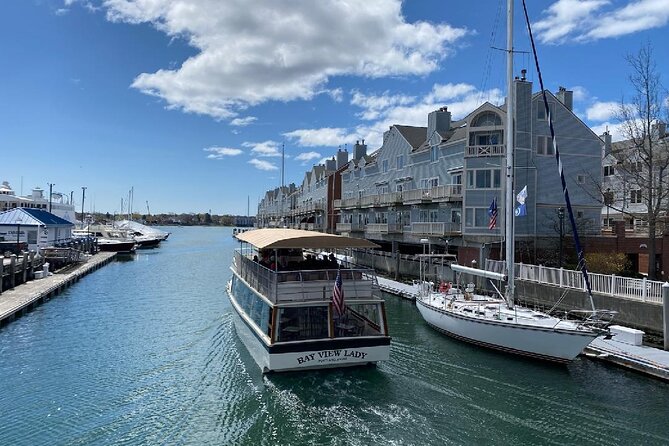
A cruise can be either relaxing or miserable, depending on basics like restrooms and warmth. Here you get comfortable restrooms onboard and a bar with snacks, so you can focus on the scenery instead of planning your whole trip around food stops.
This matters because the route includes open water views and wind exposure. On a breezy day, having the option to grab something warm or simple to snack on keeps the outing from feeling like a chore.
One more practical point from recent experiences: the ride can be smooth for long stretches, but water can get a bit choppy. If you are sensitive to motion, bring whatever helps you normally on boats, like a light jacket and a calm stance rather than fighting the weather.
Same corner of the map, another day out:
- Multnomah Falls and Columbia River Gorge Half-Day Hiking Tour
★ 5.0 · 2,108 reviews - The Real Portland Tour: City and 3 Lighthouses Historical Tour with a Real Local
★ 5.0 · 1,448 reviews - Columbia River Gorge Waterfalls Tour from Portland, OR
★ 5.0 · 1,278 reviews - Discover Portland City and Lighthouse Tour
★ 5.0 · 1,019 reviews
Gliding along Diamond Pass: the route that makes the harbor make sense
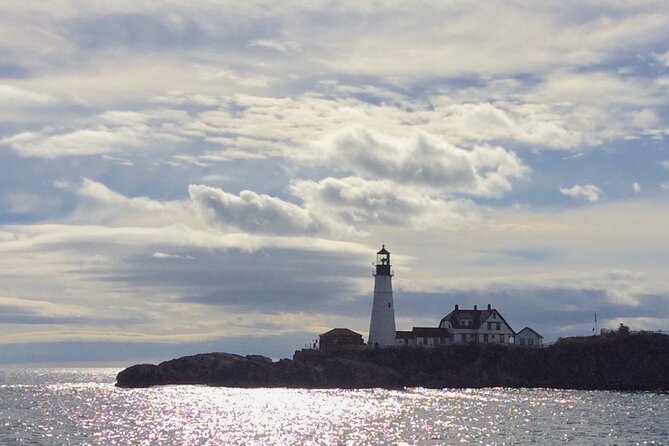
Diamond Pass is the spine of the cruise, and you feel it from the start. It is the corridor where Portland’s coastal story becomes visible: shipping channel context, island silhouettes, ledges, and the way forts and lights relate to each other.
This is not a “see the city skyline then leave” cruise. It is closer to a living map. As the boat moves, you understand why the lighthouses are spaced the way they are and why specific points matter for entering the harbor.
You can also keep an eye out for harbor life. The cruise description even points toward lobster boats bobbing in the breeze, and that kind of everyday maritime activity makes the historic elements feel grounded, not museum-like.
Maine’s oldest lighthouse and the George Washington connection
One of the big anchors on this trip is Maine’s oldest lighthouse, commissioned by George Washington. If you like landmarks with serious backstory, this is the stop that gives you instant context.
You can expect it to be one of the most photographed lighthouses you will see during the cruise. But the real value is not the photo. It is the way the cruise narration connects the lighthouse to Portland’s role in maritime travel and defense-era priorities.
If you are visiting Portland for the first time, this stop alone can justify your time on the water. It sets a tone: you are seeing the harbor’s long timeline, not just a modern waterfront view.
The 1897 west channel lighthouse: seeing the shipping lane in action
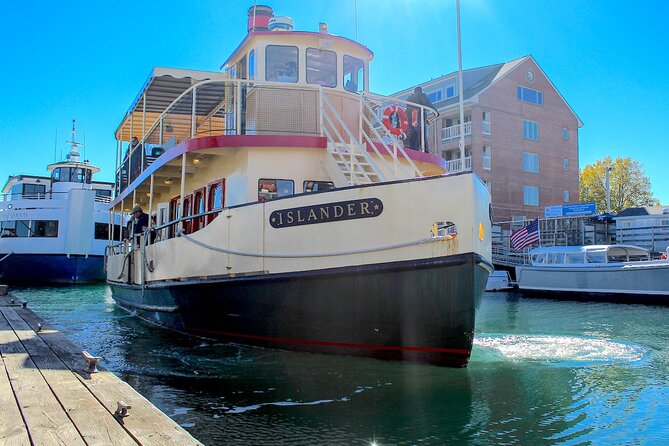
Next up is a historic lighthouse constructed in 1897, positioned to mark the west side of the Portland shipping channel. This is the kind of detail that changes what you notice.
From land, “a lighthouse” is often just a pretty structure. From the water, you start seeing it as a navigation tool tied to the shipping lane. That is where this cruise helps most. You get the geography laid out, so the objects feel practical rather than decorative.
Drawback to consider: if you are wearing heavy wind layers and trying to stare straight at distant points, it can be hard to take in every detail. I recommend giving yourself a quick scan first for orientation, then returning your focus to specific structures as the boat passes.
1855 Thomas Walter design, plus Bug Light and those six Corinthian columns
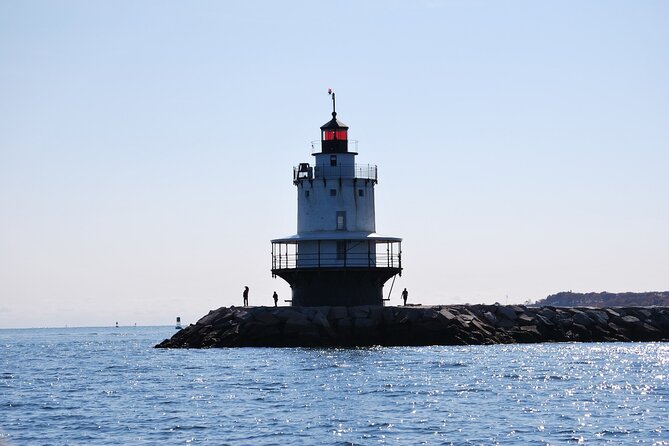
The lighthouse constructed in 1855 is linked to Thomas Walter, who designed the US Capitol dome and the East and West Wings. That is a major design connection, and it turns this stop into more than maritime trivia.
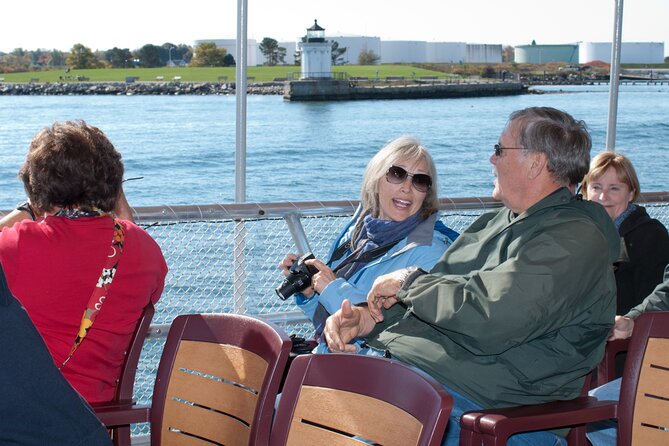
You will also hear about a smaller lighthouse often called Bug Light, which includes six Corinthian columns around its base. That detail is exactly the sort of “wait, look at that” moment that keeps the cruise from becoming repetitive.
One practical thought: if you like architecture, bring your curiosity. This is not just “here is a light.” It is “here is a design idea, here is where it sits, and here is what it likely helped with.”
Hog Island Ledge and the Civil War era fort modeled after Fort Sumter
Now you shift from lighthouses to defense and logistics. The cruise includes a Civil War era fort in Casco Bay located on Hog Island Ledge. It is modeled after Fort Sumter in Charleston, South Carolina, and it later served as a storage facility in World War I and World War II.
This is a stop that tends to land well with history lovers because it connects multiple time periods. You are not seeing a single era. You are watching how coastal strategy evolves, then how structures get repurposed.
A consideration: because the fort is on an island ledge, it can feel distant depending on light, fog, or how wind pushes the boat. If visibility is not great, you will still get the historical context, but the “wow close-up” factor may not be as strong.
The 1905 twin lighthouse and the northern entrance to Portland Harbor
Another key lighthouse on the cruise is built in 1905, and it is described as a twin of Graves Light off Boston. It sits on a quarter mile of ledge that marks the northern entrance into Portland Harbor.
That ledge detail is important. It helps you understand why the light is placed where it is and why the surrounding water matters. On this kind of cruise, the best moments often come when the narration gives you the missing reason behind the sight.
If you are the kind of traveler who wants something concrete to remember, this is a good one. Twin lights and entrance markers are the types of facts your brain holds onto because they connect to movement and direction.
Casco Bay islands by name, from Peaks to Diamond Pass
After the landmark lighthouse and fort focus, the cruise leans into island spotting. You will pass islands off the coast of Portland such as Peaks Island, House Island, Cushing Island, and the Little and Great Diamond Islands.
You will also hear about Diamond Pass and a seal habitat called Halfway Rock. Even if you do not spot seals, knowing where that habitat is makes your viewing smarter. You start scanning with purpose instead of just watching shapes.
This is where the cruise becomes scenic in a big way. Islands add texture and depth to the harbor, and they make the route feel like real coastal travel rather than a straight line of stops.
Tip for comfort: seal viewing or distant island spotting means looking up and out for long seconds. Keep a light layer, since wind tends to hit harder when you are standing and photographing.
How the narration works, and how to catch every word
Narration is the glue. People who love this cruise often talk about guides who tie stories to what you are actually seeing, and names you might hear in different sessions include Mark and Carl. One passenger even described Mark as a lifelong native, which is the kind of personal connection that can make facts feel less like memorized slides.
There is also humor and back-and-forth question energy reported on board, including friendly crew members like Victoria and Nate in some departures. While you cannot guarantee which guide you will get, the pattern is consistent: the story is delivered as you glide past the sights.
The one caution is audio clarity. If you sit on the bottom floor toward the back, it can be harder to understand the narration. So if listening is your priority, choose your deck with that in mind.
Weather, wind, and the kind of day that makes photos easy
This cruise requires good weather. Even on cloudy days, it can still be worthwhile, especially because the narration keeps the value even if visibility dips. But wind and cold were specifically called out as factors, so pack for it.
You should expect it to get chilly if temperatures are under about 75 degrees, especially while you are outside and taking photos. A light waterproof layer helps more than you think, and gloves can be the difference between enjoying the deck and rushing inside.
On the water itself, choppiness can happen. Several people described parts of the ride as slightly rough. If you are prone to motion sickness, plan accordingly. If you are usually fine on boats, you will likely just treat it as part of the coastal experience.
Who should book this harbor lights cruise
This cruise is a strong fit if you want Portland context without spending the whole day driving. It is also a good option if you are traveling with mixed ages, since it combines short storytelling segments with lots of visual variety.
I’d especially recommend it if:
- You want to see lighthouses and forts without separate day trips
- You like factual guidance tied to what you can actually look at
- You want a couple hours that feels scenic, not rushed
Families can do well here, because the itinerary covers multiple types of sights in one loop. Couples often enjoy it because it hits the “romantic coastal vibe” while still delivering real information.
Should you book it? My take on the decision
I think this is an easy yes for first timers who want the harbor angle on Portland. For $54, the value comes from three places: the time on the water, the set cast of historic points you can actually see, and the onboard comfort like restrooms, snacks, and a bar.
The main reason you might hesitate is simple: weather. If you show up on a windy, cold day, the deck experience can be uncomfortable. Also, if you want the clearest narration, plan your seat so you are not stuck in an audio challenge zone.
If you pick a day that looks decent and you choose a spot with good sightlines, this cruise gives you a satisfying mix of views and story. And once you see Portland Harbor from Diamond Pass, the city makes more sense for the rest of your trip.
FAQ
Where does the cruise start and end?
The tour starts at 170 Commercial St, Portland, ME 04101, USA. It ends back at the same meeting point.
How long is the Harbor Lights and Sights Cruise?
The cruise lasts about 1 hour 45 minutes.
What is the price per person?
The price is $54.00 per person.
Is a mobile ticket used for this experience?
Yes, the experience uses a mobile ticket.
What language is the tour offered in?
The tour is offered in English.
What will I see during the cruise?
You can expect views of Portland Harbor, multiple historic lighthouses including Maine’s oldest lighthouse commissioned by George Washington, a Civil War era fort on Hog Island Ledge, and islands off the coast of Portland including Peaks Island, House Island, Cushing Island, Little and Great Diamond Islands. You may also learn about a seal habitat called Halfway Rock.
Are there restrooms and food or drinks onboard?
Yes. There are comfortable restrooms onboard, and there is a bar and snacks.
How large are the groups?
This activity has a maximum of 80 travelers.
Is the cruise weather dependent?
Yes. It requires good weather. If it is canceled due to poor weather, you will be offered a different date or a full refund.
What is the cancellation window for a full refund?
Free cancellation is available. You must cancel at least 24 hours before the experience’s start time for a full refund. If you cancel less than 24 hours before, the amount paid will not be refunded.
Newest Portland reviews on the site
- Portland’s Original Delicious Donut Adventure & Walking Food Tour★ 5.0 · 533 reviews
- Portland Sightseeing Tour Including Columbia Gorge Waterfalls★ 4.5 · 423 reviews
- Portland Tall Ship Cruise on Casco Bay★ 4.5 · 235 reviews
- 2.5-hour Dinner Cruise on Willamette River★ 4.5 · 480 reviews
- Portland, Maine: Hidden Histories Guided Walking Tour★ 5.0 · 514 reviews
- Phantoms, Penance, and Poltergeists: Portland Ghost Tour★ 4.5 · 328 reviews
- Multnomah Falls and Columbia River Gorge Waterfalls Tour Morning★ 5.0 · 913 reviews
- Old Port Culinary Walking Tour from Portland★ 5.0 · 419 reviews
Harbor Sightseeing Cruises, compared.
Circle Line 2h Harbor Lights Cruise Skip-The-Box-Office
Read our review →
Circle Line: 2hr – New York City Harbor Lights Cruise
Read our review →
City Cruises Boston Historic Sightseeing Harbor Cruise
Read our review →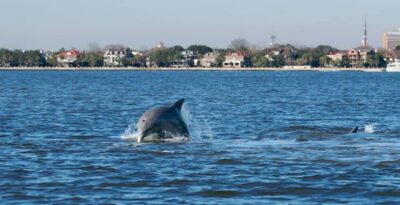
Browse the lists this tour appears in