
Reviewed · KAYAK TOURS
Bioluminescence Kayak Tour
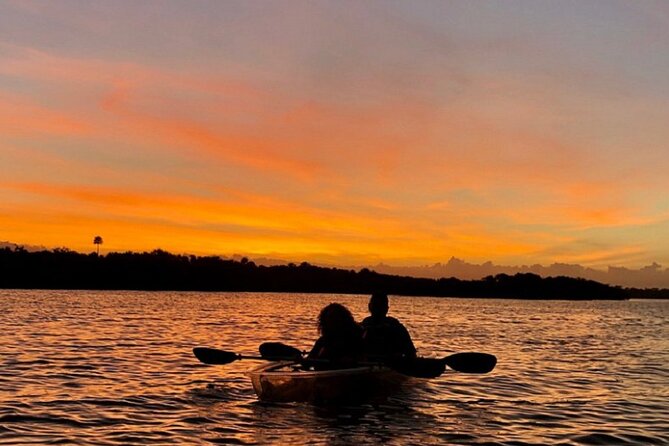
The water turns into tiny fireworks. In a 2-hour night kayak near Cocoa Beach, you paddle in the dark over lagoon waters around Merritt Island National Wildlife Refuge, with a guide-led science focus and real hands-on glow when conditions are right. The tradeoff is simple, bioluminescence can be hit or miss depending on season and how much light pollution you are dealing with.
I also love the practical side: you get a PFD and a safety light, and the guides set you up fast, even if you have never kayaked before. In past trips, first-time paddlers felt confident with guides like Aidan, and groups staying together during choppier moments credited careful leadership from guides including Zoey and Caleb.
In This Review
- Key things to know before you go
- When bioluminescence is best around Cocoa Beach
- The 2-hour night kayak flow, step by step
- Wildlife odds: dolphins, manatees, and the mullet jump
- Guides who turn the dark into a lesson, not a lecture
- Safety and comfort: PFDs, safety lights, and getting wet
- How to get the best glow: season timing and light pollution reality
- Photos, cameras, and why your eyes matter more
- Value check: what you are really paying for
- Should you book this bioluminescence kayak tour?
- FAQ
- Where is the meeting point for the bioluminescence kayak tour?
- How long is the kayak tour?
- What bioluminescence will I see, dinoflagellates or comb jellies?
- Do you provide the kayak and safety gear?
- Is this tour good for first-time kayakers?
- What should I wear or bring?
- Can I bring a camera or flashlight?
- What wildlife might I see?
- What is the cancellation policy?
Key things to know before you go
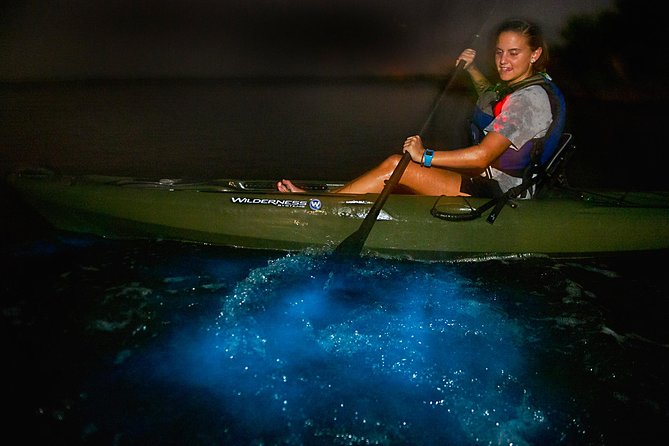
- Dinoflagellates in summer, comb jellies in cooler months: Peak dinoflagellate glow runs roughly May to early November, while comb jellies are strongest late November to April.
- Expect more than plankton: You might see jumping fish like mullets, plus dolphins and manatees depending on the night.
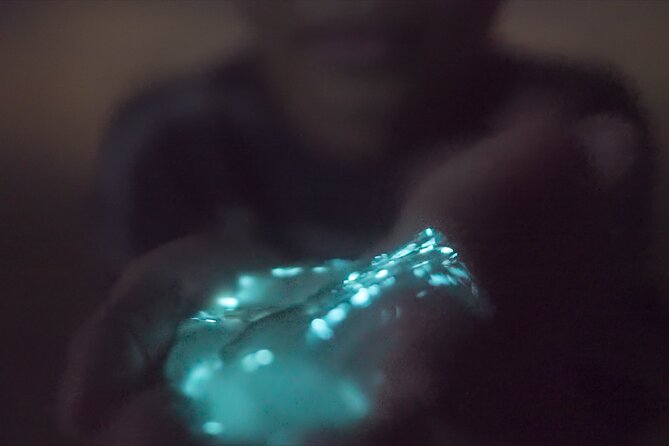
- Hands-on glow is part of the magic: In comb jelly season, you may catch and hold these gentle, clear glowing jellies.
- It is mostly low effort, but it is still night boating: The paddle is set up for most travelers, with guidance for first-timers and calm conditions most of the time.
- A small group helps the experience: Maximum group size is 42 travelers, so it is not a huge floating circus.
- Photos will not replace your eyes: Cameras are great for people shots, but capturing the glow is tough.
When bioluminescence is best around Cocoa Beach
Florida’s bioluminescence is not one single creature. It is a seasonal swap between two main types of glowing life.
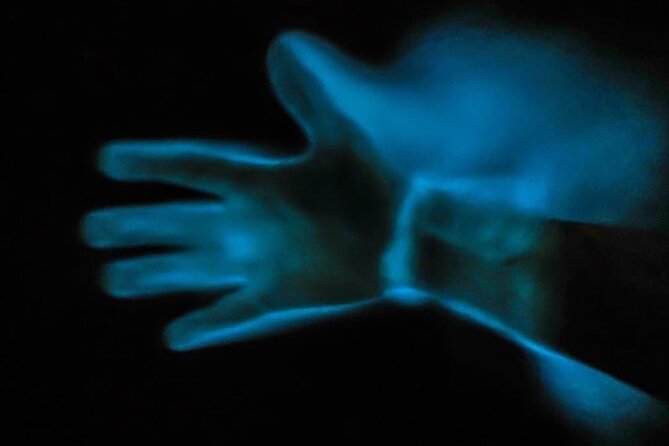
During the warm season, the famous glow comes from dinoflagellates. These single-celled organisms produce a cloudy blue-green light, and the peak window is roughly May through early November. In cooler months, the highlight shifts to comb jellies. Their glowing is individual and more like little flickers, with peak season from late November to April.
This matters because your expectations should match the calendar. If you book in mid-winter, you should hope for comb jellies and gentle glowing jellies you can safely handle during the right moment. If you book in summer, you are chasing the dinoflagellate glow across the water, with a more widespread shimmer effect.
One more reality check, even in season, the water is the boss. You can get a brilliant night, or you can get a softer glow. A few guides can explain why the intensity varies, and it is worth giving yourself permission for a range of outcomes.
More paddle trips in Cocoa Beach:
- Thousand Island Mangrove Tunnel, Manatee & Dolphin Kayak Tour w/Cocoa Kayaking
★ 5.0 · 923 reviews - Bioluminescence Night Kayaking Tour of Merritt Island Wildlife Refuge
★ 4.5 · 605 reviews - Florida Bioluminescence Kayaking Tour (Titusville)
★ 4.5 · 350 reviews
The 2-hour night kayak flow, step by step
This is a 2-hour tour, give or take, built around an easy, guided paddle at night. It starts and ends at 951 Kiwanis Island Park Rd, Merritt Island, FL 32953. You will receive confirmation at booking, and it runs with a mobile ticket.
Here is how the experience usually unfolds once you are on the water.
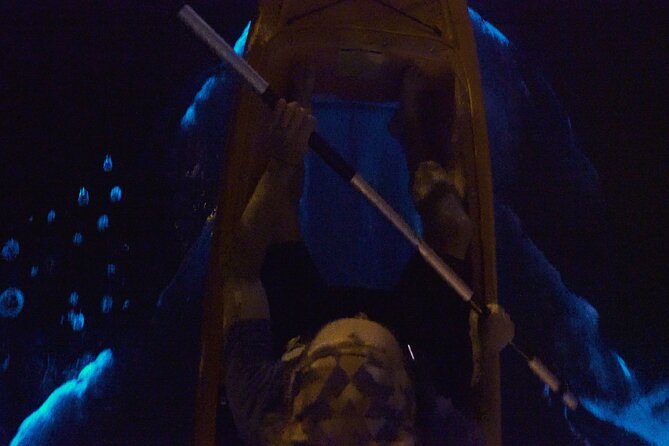
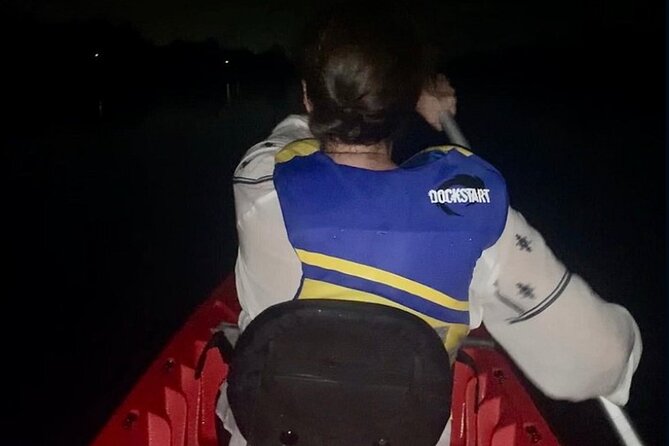
First, you get geared up and briefed. You are provided a kayak, paddle, and PFD, plus a safety light for the dark. Guides also walk you through what to do with your paddle and how to stay comfortable in a kayak, which is a big deal if you are new or a little nervous.
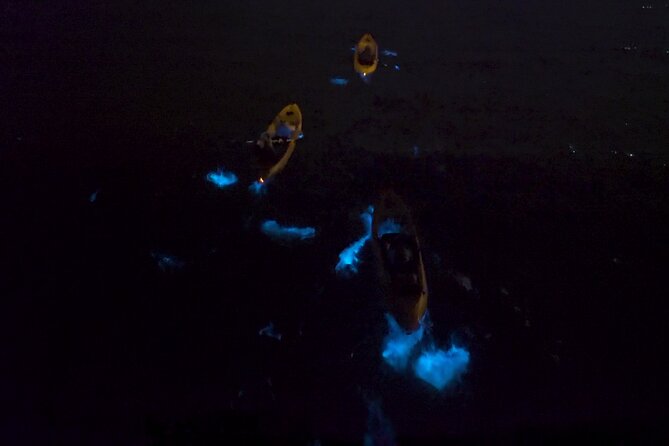
Next comes the paddle into the lagoon darkness. You cross calm water, and the guides keep an eye out for wildlife plus the glow itself. The glow is not always obvious at first, so the guide’s timing helps, they point out what to look for as your kayak moves through the water.
Then the main moment arrives. In comb jelly season, you may have a hands-on opportunity where participants can safely catch and hold these glowing comb jellies. In dinoflagellate season, the show is more about watching the water light up as you paddle, so your movement and the water conditions create the effect.
Finally, you paddle back. It is part of the fun because you have a second chance to look for wildlife, including fish jumping at the surface or larger animals surfacing nearby.
One practical note from real-world trips: people often get a calm start, then conditions can change. Guides have handled this well by slowing things down, keeping the group together, and helping you feel secure if the water gets choppier.
Wildlife odds: dolphins, manatees, and the mullet jump
This tour is about bioluminescence, but the best nights often include wildlife. The refuge area and lagoon waters can attract marine life, and the guides are actively scanning for it.
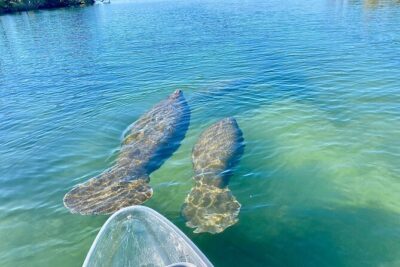
You might spot manatees, sometimes close enough that it can feel startlingly real in the dark. You might also see dolphins, and several past groups described dolphins as a highlight alongside the glow.
You can also get surface action from fish. Reviews point to jumping fish, including mullets, which can look extra dramatic at night because you see their movement before you notice the rest of the scene.
Do not treat wildlife sightings as guaranteed. But if you like the idea of a night paddle where you are not only staring at plankton, this is one of the more exciting ways to do it. The guide’s wildlife spotting skills make the difference between a quiet paddle and a night with surprises.
Guides who turn the dark into a lesson, not a lecture
What really boosts this tour is how the guides explain what is happening. They blend practical coaching with the biology behind the glow, and they keep it friendly instead of turning it into a classroom.
Names that have come up strongly include Matt, Aidan, Caleb, Jorge, Drew, Kirk, and Zoey. Across these trips, the common thread is clear: the guides help you feel safe and they translate science into something you can actually see.
For example, some guides emphasize how dinoflagellates create the glow and why the intensity changes through the season. Others help you handle comb jellies safely and confidently, which is huge if you worry about doing it right. Aidan, in particular, stood out for helping first-timers who felt nervous about falling in the water, with clear instructions that made people feel prepared before they ever pushed off.
Beyond biology, guides also call out what you are seeing in the ecosystem. People have praised guides for spotting wildlife behavior, pointing out glowing organisms and explaining their role in the lagoon. One group even described a guide who geeked out on the science in a way that kept teenagers engaged, which tells you this tour can work across ages.
Other Cocoa Beach outings to compare
- Bioluminescent Clear Kayak Tours in Titusville
★ 5.0 · 321 reviews - Manatee and Dolphin Kayaking | Wildlife Refuge (Titusville)
★ 5.0 · 241 reviews - Manatee and Dolphin Kayaking Encounter
★ 5.0 · 219 reviews - Clear Kayak Tour of Shell Key Preserve and Tampa Bay Area
★ 5.0 · 5,800 reviews
Safety and comfort: PFDs, safety lights, and getting wet
Night kayaking sounds dramatic, but the setup is meant to keep you comfortable and controlled.
You get flotation gear, PFDs, and a safety light. You can bring a flashlight if you want, but the tour also provides the safety light, so you are not totally dependent on your own gear. The guides are there for technique and reassurance, especially for less experienced paddlers.
Plan to get wet. Even if you do not end up in the water, you will feel like you did once you paddle through mist and splash. Bring water shoes like sandals or Crocs that can be worn in the water. If you own anything with a slick sole, skip it for traction.
Bring clothes you do not mind getting a little wet, plus an extra change of clothes just in case. One small detail that people appreciate is the towel plan, the tour info suggests leaving a towel in your car. Also consider bringing bottled water and snacks so you stay comfortable during the night.
Temperature can be a factor. A February trip was called out as cold, but the experience still worked because guides kept the energy up and the paddle itself stayed manageable.
One review noted that the water is about 12 inches deep in most parts, which suggests you are not dealing with deep open ocean. Still, it is dark and it is water, so treat it seriously even if it feels relaxed.
How to get the best glow: season timing and light pollution reality
This is the part you should manage carefully. Bioluminescence is natural, and natural shows come with variable lighting and variable intensity.
First, match the organism to the season. Summer tends toward dinoflagellates, and cooler months bring comb jellies. If you are going in late fall or winter, your expectation should shift from that cloudy blue-green glow to individual glowing jellies.
Second, understand why brightness changes. Light pollution can reduce what you see. One past group specifically complained that local light made the bioluminescence harder to notice. That does not mean the tour is bad, it means your “wow” factor can depend on where the tour operates that night and what the surrounding lighting looks like.
Third, take notes on what you hope to do. Some nights have more glowing life to see and handle. In off-season or in darker places, you can get a stronger effect. In a mid-winter night with fewer glowing organisms, you may still see a glow, just not everywhere and not as intensely as peak season.
Finally, keep your expectations flexible. One review described it as more of a gentle sprinkle on a darker night in the middle of winter, and another said the experience was still worth it because the kayak time and wildlife moments made it special. Think of bioluminescence here as a living weather pattern, not an on/off light show.
Photos, cameras, and why your eyes matter more
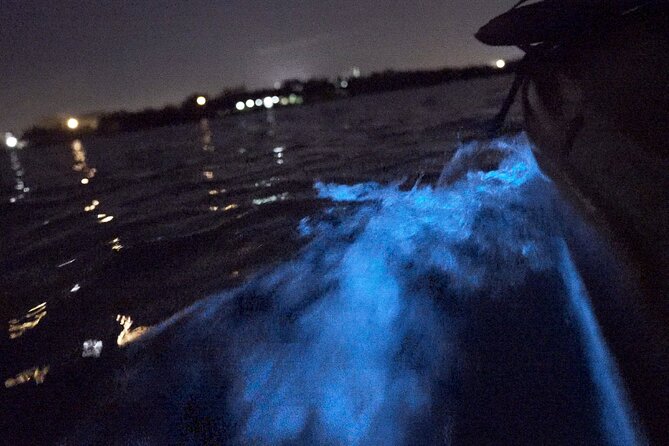
Your camera will not ruin the night, but it will probably disappoint you if you expect it to record the glow well. The tour guidance is pretty clear: cameras and dry bags are fairly useless for capturing bioluminescence itself, but they are great for capturing people.
That makes sense. Low light, movement, and focus make it hard for most phone cameras and even many cameras to reproduce the exact glow you see with your own eyes. What you can realistically do is take portraits, group photos, and maybe a few shots where the guide points out the moment. Let the rest of the glow live in your memory.
If you care about photos, bring a dry bag so your phone or camera is protected from spray. If you do not, that is okay. The glow is mostly something you experience while you are moving and looking.
Value check: what you are really paying for
I cannot see pricing details here, so I will focus on value in a practical way.
For the time you spend out on the water, you are getting:
- A professional guide who helps you see the glow and spot wildlife
- Kayak, paddle, and PFD, so you do not need to haul gear
- A structured 2-hour experience that mixes easy paddling with guided explanation
- A small-group feel, up to 42 travelers
This is not just a boat ride. The guide component is what turns the unknown into something you understand in real time, especially if you have never done bioluminescence before.
If you are the type of traveler who likes nature experiences but hates vague tours, this is a strong fit. If you are purely after a guaranteed, ultra-bright effect every minute, you might want to plan your timing for peak season and accept that nature controls the outcome.
Should you book this bioluminescence kayak tour?
I think you should book if you want a night experience that is both relaxing and genuinely different from daytime Cocoa Beach. I would pick it for first-time kayakers who want instruction, and for families who can handle a low-stress paddle while watching the water light up.
I would hesitate if you are going in the middle of winter with high expectations for intense dinoflagellate glow, or if you know you will be upset by a softer night with less visible luminescence. The good news is that the guides focus on safety and on wildlife and on the biology, so even a lighter glow can still be an interesting night out.
If you can go in peak windows, you give yourself the best odds for the type of bioluminescence you want. And if you are flexible and curious, this is exactly the kind of outing that sticks with you long after the kayak is back on the shore.
FAQ
Where is the meeting point for the bioluminescence kayak tour?
The tour meets at 951 Kiwanis Island Park Rd, Merritt Island, FL 32953, USA. The activity ends back at the meeting point.
How long is the kayak tour?
The tour lasts about 2 hours.
What bioluminescence will I see, dinoflagellates or comb jellies?
In summer, the peak is dinoflagellate bioluminescence, generally May to early November. In cooler months, the peak is comb jelly bioluminescence, generally late November to April.
Do you provide the kayak and safety gear?
Yes. The tour includes a kayak, paddle, and a PFD (flotation device), along with a professional guide.
Is this tour good for first-time kayakers?
Most travelers can participate, and the experience is described as guided and manageable. Past experiences include nervous first-timers who were coached through what to do so they felt confident.
What should I wear or bring?
Wear clothes you do not mind getting a little wet. Bring water shoes that can be worn in the water (sandals or Crocs are suggested), and consider an extra change of clothes. A towel is suggested, and bottled water and snacks are also recommended.
Can I bring a camera or flashlight?
A camera and dry bag are optional. The tour guidance notes they are fairly useless for capturing bioluminescence, but good for people photos. You may bring a flashlight, though the tour provides a safety light.
What wildlife might I see?
You can watch for fish and possibly dolphins and manatees in the water. The guide will also teach you what you are seeing as you paddle.
What is the cancellation policy?
You can cancel up to 24 hours in advance for a full refund. If you cancel less than 24 hours before the start time, the amount paid is not refunded.
Newest Cocoa Beach reviews on the site
- Manatee and Dolphin Kayaking | Wildlife Refuge (Titusville)★ 5.0 · 241 reviews
- Cocoa Beach Sunset Tour★ 5.0 · 278 reviews
- Bioluminescent Clear Kayak Tours in Titusville★ 5.0 · 321 reviews
- Manatee and Dolphin Kayaking Encounter★ 5.0 · 219 reviews
- Florida Bioluminescence Kayaking Tour (Titusville)★ 4.5 · 350 reviews
- Bioluminescence Night Kayaking Tour of Merritt Island Wildlife Refuge★ 4.5 · 605 reviews
- Thousand Island Mangrove Tunnel, Manatee & Dolphin Kayak Tour w/Cocoa Kayaking★ 5.0 · 923 reviews
- Cocoa Beach Dolphin and Wildlife Tour★ 5.0 · 1,052 reviews
Kayak Tours, compared.
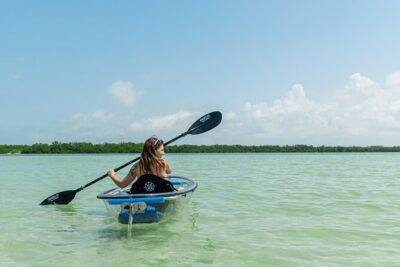
Clear Kayak Tour of Shell Key Preserve and Tampa Bay Area
Read our review →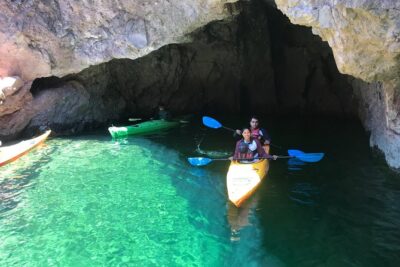
Half-Day Emerald Cave Kayak Tour with Optional Hotel Pickup
Read our review →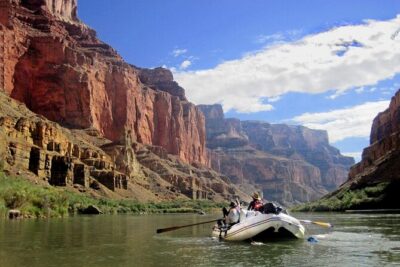
Emerald Cave Kayak Tour: Scenic Paddle with Optional Shuttle
Read our review →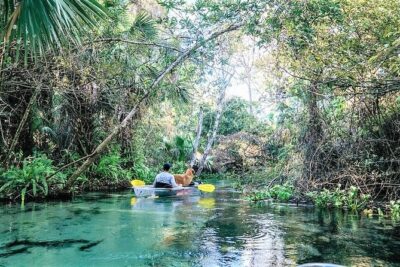
Rock Springs 2-Hour Glass Bottom Guided Kayak Eco Tour
Read our review →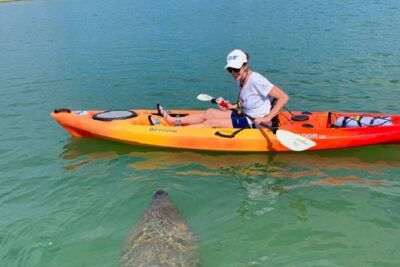
Crystal River Three Sisters Springs and Manatee Clear Kayak Tours
Read our review →Browse the lists this tour appears in