
Reviewed · QUAD BIKES
Big Island ATV Tour at Ohana Ranch
ATVs on a real Big Island farm. This guided ride from Ohana Ranch turns trails, open fields, and fruit groves into a hands-on way to learn the land, not just zoom past it. You also get stops that feel like you are walking through working agriculture, with real culture built into the route.
Two things I like a lot are the fresh fruit tasting moments and the way the guides use the property as a classroom. Expect to see how taro, guava, and Hawaiian coffee fit into daily farm life, plus animal time that makes the whole tour feel grounded. One possible drawback: if you are craving a nonstop, fast ATV experience, this can feel more like a guided farm visit with riding, not an all-racing trail blast.
In This Review
- Key Points You Should Know Before You Go
- Ohana Ranch ATV Tour on the Big Island, Not a Quick Drive-By
- The 2-Hour Plan That Turns Safety Into Confidence
- Farm Trails, Open Fields, and the Feeling of Being Off the Tourist Map
- Picking Fresh Fruit and Meeting the Animals (The Best Part for Many People)
- Taro, Guava, and Hawaiian Coffee: Learning That Actually Feels Practical
- Culture Stops: Where the Tour Meets Hawaiian Traditions
- Ride Comfort, Mud, and What to Wear on the Ranch
- Guides Who Make It Fun, Safe, and More Meaningful
- Price and Value: Is $89 for a Big Island ATV Tour a Good Deal?
- Who This Tour Fits Best (And Who Should Skip It)
- Quick Booking Tips So You Enjoy the Ride More
- Should You Book Ohana Ranch’s Big Island ATV Farm Tour?
- FAQ
- Where is the tour meeting point, and where does it end?
- How long is the Big Island ATV tour at Ohana Ranch?
- What happens when I arrive?
- What will I see and do on the farm?
- What should I wear or bring?
- How big are the groups, and is the tour in English?
- Are service animals allowed?
- Can I cancel for a full refund?
Key Points You Should Know Before You Go
- Beginner-friendly setup: safety gear first, then a short practice ride so you get control of the ATV fast
- Real farm stops: taro areas, guava and other fruit groves, and Hawaiian coffee plants, plus farm animals
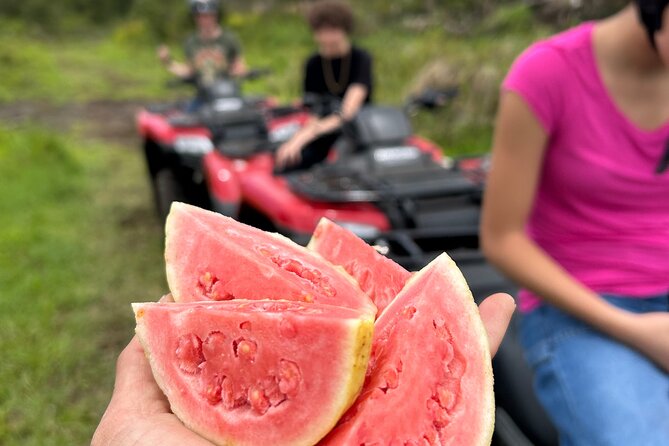
- Fruit you can pick and sample: guava and berries came up in multiple experiences
- Guides do the heavy lifting: some guides like Kamalani, Maka’ala, Pono, Lana, Hannah, and Kanoe are described as patient and big on island context
- Trail conditions vary: expect mud in wet weather, and dust when it is dry
- Small groups by activity size: up to 28 travelers, so you are not swallowed by a huge crowd
Ohana Ranch ATV Tour on the Big Island, Not a Quick Drive-By
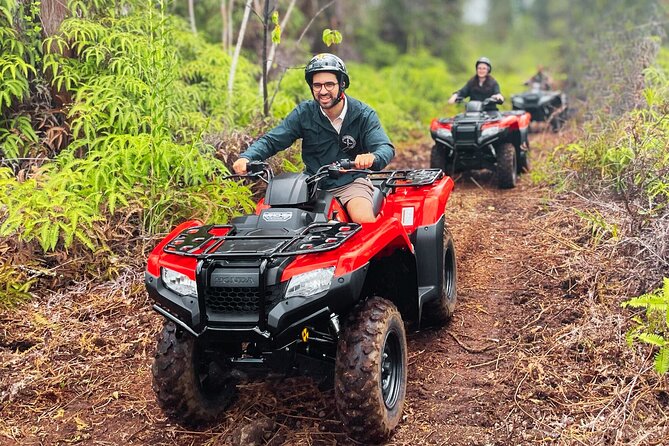
This is one of the better “see a different side of the Big Island” activities because the route is built around a functioning farm. You are not just riding through a generic path. You are riding through places where people actually grow food, care for plants, and try to keep traditions alive.
The meeting point is Ohana Ranch, 17 N Kulani Rd, Mountain View, HI 96771, and the tour ends back there. That matters because you do not lose time with long transfers or multiple stops. For a 2-hour experience, it is a smart, efficient setup.
One quick reality check: this is on the Big Island of Hawaii, not Oahu. If you are juggling island transfers, double-check your pickup and navigation so you do not end up in the wrong place.
Other Big Island of Hawaii outings to compare
- Polynesian Cultural ATV Tour in Kona
★ 5.0 · 627 reviews - Big Island Southside ATV Tour
★ 5.0 · 405 reviews - Half-Day Mojave Desert ATV Tour from Las Vegas
★ 5.0 · 7,350 reviews
The 2-Hour Plan That Turns Safety Into Confidence
The tour runs about 2 hours, and the flow is designed to get you comfortable early. It typically starts with check-in at the ranch, where you meet your guide and get fitted with safety gear.
Next comes a safety briefing plus a short practice ride on flatter ground. That is a big deal for first-time riders, because it gives you time to learn throttle feel, braking habits, and turning without the pressure of being immediately thrown onto rough terrain. Guides described as patient, especially with brand-new riders, show up repeatedly in the feedback.
After that, you shift into the guided portion. You follow your guide along beginner-friendly trails that can include open pastures, areas of native forest, and farm sections tied to fruit growing. The ride portion is the main event, but the tour is also structured so you understand what you are seeing along the way.
If you are traveling with mixed skill levels, this pacing helps. Experienced riders still get a fun route, but first-timers do not feel left behind during the learning curve.
Farm Trails, Open Fields, and the Feeling of Being Off the Tourist Map
The route is built to show you land most visitors do not see. That shows up in the kinds of scenery you move through: open fields where ranch life is visible, stretches that feel more natural with native growth, and farm areas where crops are clearly managed.
You also get a “worked land” perspective. The guides talk about the farm’s mission, how multiple families work the property together, and how they connect farming today with Hawaiian traditions and sustainability. One review mentioned 150 acres owned by five families with separate focuses, which fits the overall vibe of a community-run working farm.
This is where the ATV tour stops feeling like a stand-alone activity. Instead, it feels like a way to understand how the island functions beyond the big sightseeing highlights.
Picking Fresh Fruit and Meeting the Animals (The Best Part for Many People)

If you love food, you will probably remember this tour for the tasting moments. Fruit tasting came up again and again, including guava and mentions of berries sampled on site.
What makes it work is the sequence. You are riding, then you pull in for a farm stop, then you taste something that is genuinely grown right there. It is not a packaged snack moment. It is the kind of stop that makes the farm feel real and immediate.
You can also expect farm animals along the way. Several experiences mention seeing cows on the route, pigs in connection with Hawaiian luau food traditions, and even goats in the general ranch environment. The animal sightings tend to be part of why kids and families enjoy it too.
One note for your expectations: this is not a zoo-style petting experience described in the materials you provided. It is more “you are walking through working ranch space” with animal encounters as part of the scenery and storytelling.
Same corner of the map, another day out:
- Big Island in a Day: Volcanoes Waterfalls Sightseeing and History
★ 5.0 · 6,569 reviews - Big Island Manta Ray Night Snorkel
★ 5.0 · 5,656 reviews - Big Island: Kona Manta Ray Snorkel Tour in Keauhou Harbor
★ 4.5 · 2,465 reviews - Hilo Shore Excursion: Volcanoes National Park & Black Sand Beach
★ 4.5 · 2,338 reviews
Taro, Guava, and Hawaiian Coffee: Learning That Actually Feels Practical
One of the tour’s strengths is that the guide turns plant names into a story you can picture. You are shown where crops like taro and guava grow, and you get a chance to see Hawaiian coffee plants during the farm stops.
The coffee detail matters because many visitors hear the word Hawaiian coffee without seeing plants in context. Here, you are on the ground watching how it is handled within the farm setting. The same idea applies to taro, which is often treated as a “cultural plant” from a distance. On this tour, it is connected to how the land is maintained.
Some guides also mention how the farm works on sustainability, including repurposing materials and planning ahead for healthier growing conditions. A couple of guides stood out in feedback for sharing farming process details rather than just naming plants.
If you are the type who likes your travel education tied to what you can see and touch, this is a good match.
Culture Stops: Where the Tour Meets Hawaiian Traditions
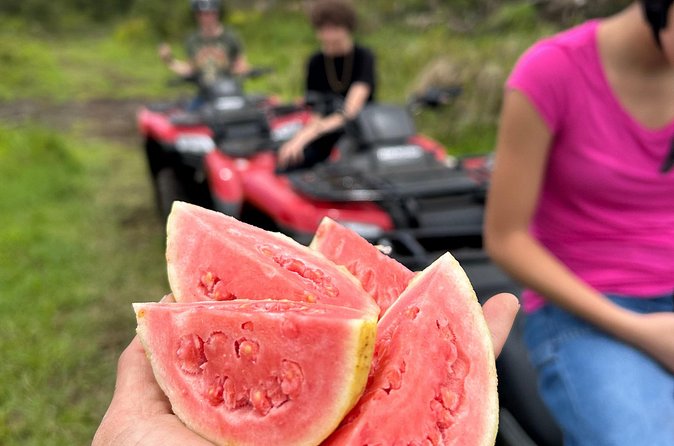
The culture part of this tour is not tacked on. It is built into the farm stops. You learn about Hawaiian traditions and the history of the land, and you hear about sustainable farming practices tied to how the ranch operates today.
In particular, guides described as story-forward made the cultural context feel connected to what you were seeing. Some examples that came up include talking about how pig preparation connects to luau traditions and how the island’s land is shaped by many communities and shared histories.
That said, there is a clear balancing act built into the format. You do get riding, but the farm stops may involve time standing and listening while the guide explains the place. One family review specifically flagged this as less ATV time and more culture/plant talk. If you are looking for constant riding time, you may want to mentally plan for moments where you pause and learn.
Ride Comfort, Mud, and What to Wear on the Ranch
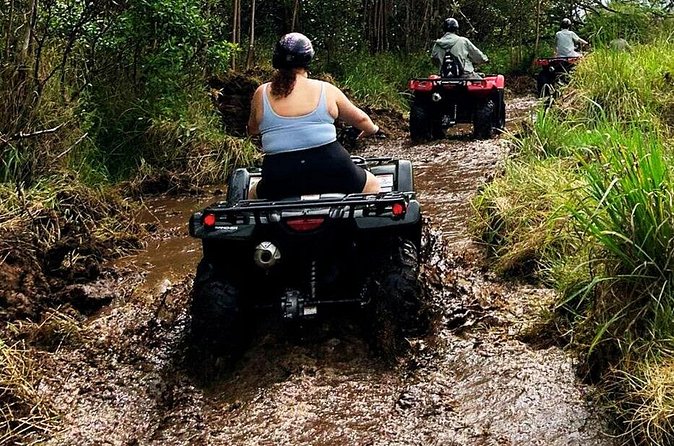
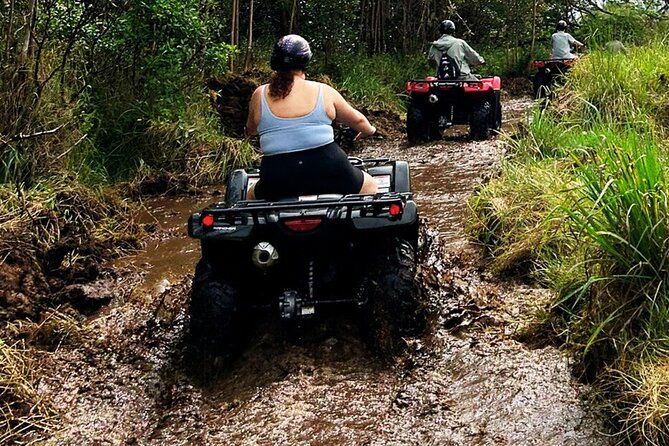
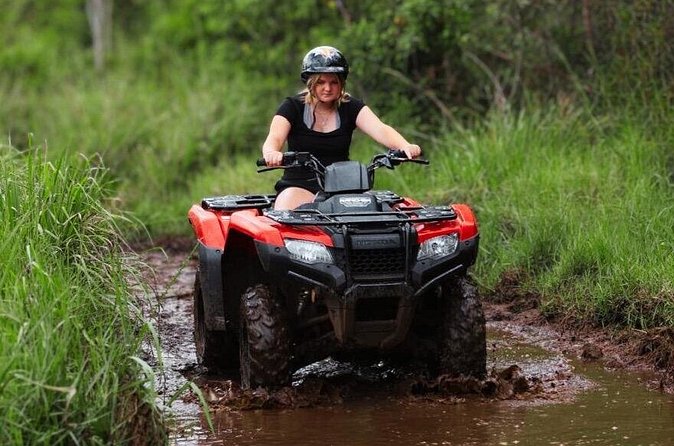
The trail can be messy. Reviews mention mud in wet weather, and dust when the ground is dry. Plan for you to get dirty in a way that is normal for a ranch road and farm paths, not a polished theme park.
Practical takeaways:
- Wear closed-toe shoes you do not mind getting scuffed
- Bring sun protection, especially if your slot has clear skies
- Pack water, since you are outside and riding for a focused period
- Expect some splashes or grime if it has rained
One review also suggested a sanity check mindset for gear hygiene, mentioning they wished boots and helmets felt more sanitary. That is not presented as a universal complaint in your materials, but if that sort of detail matters to you, it is reasonable to ask how gear is handled before you put it on.
Guides Who Make It Fun, Safe, and More Meaningful
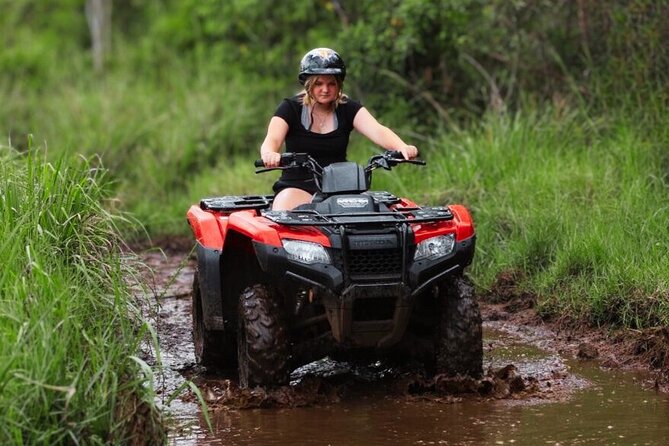
A huge part of the experience is the guide. Multiple names came up, and they are consistently described as friendly, patient, and safety-minded while also sharing culture and farm knowledge.
You might meet Kamalani, Maka’ala, Pono, Lana, Hannah, Alana, Robert, Nat, or Kanoe. Some reviews describe a father-son team, and some mention guides who encourage first-timers and help people get confident quickly.
Look for what the best guides do in this setting: they keep you moving safely, they explain why the place matters, and they answer questions without making you feel rushed. If you get a guide with a strong storytelling style, the farm stops can feel like the highlight, not the break from riding.
Price and Value: Is $89 for a Big Island ATV Tour a Good Deal?
At $89 per person for about 2 hours, this is not a bargain-price activity. But in value terms, it earns its spot because you are getting more than an ATV spin.
You are paying for:
- Guided ATV time with safety briefing and practice riding
- Farm access to taro, guava, Hawaiian coffee, and fruit groves
- Real fruit tasting and ranch animal sightings
- Culture stories that are tied to the land, not delivered separately
If you compare it to tours that focus only on the ride with a light stop or a quick photo break, the extra included learning and tastings matter. Also, the group size cap helps keep it from feeling like you are part of a big production line, with up to 28 travelers.
My rule of thumb: if you want the ATV for fun but also want the activity to feel meaningful, $89 can feel fair. If your top priority is maximum riding speed and lots of uninterrupted throttle time, you might feel the tour leans slower because of the farm stops.
Who This Tour Fits Best (And Who Should Skip It)
This tour fits best if you want a beginner-friendly, guided ATV experience on the Big Island that also teaches you something real about farm life. It is a strong choice for:
- First-time ATV riders who need confidence-building time
- Families who want nature, animals, and fruit tasting
- Couples looking for an experience that feels authentic and less like a checklist
It may not be ideal if:
- You are an ATV performance rider who expects constant acceleration and long, fast trail sections
- You dislike standing and listening during stops
You still ride, but the balance between riding and farm talk is part of the experience design. That is what makes it special for many people, and what causes the one notable complaint in the feedback you provided.
Quick Booking Tips So You Enjoy the Ride More
A few small choices can make the tour smoother:
- Choose closed-toe shoes you can get dirty
- Wear clothing you are fine re-washing later
- Bring sunscreen and water
- If you are new to ATVs, take the practice ride seriously, it helps everything after
Also, if you are visiting more than one Hawaiian island, double-check you are headed to the Big Island location at Ohana Ranch in Mountain View.
Should You Book Ohana Ranch’s Big Island ATV Farm Tour?
I think you should book this tour if you want an ATV that is guided through an actual working farm, with fruit tasting and Hawaiian culture built into the ride. The guide experience seems to be a big strength, with names like Kamalani, Maka’ala, Pono, Lana, and others repeatedly described as friendly, safety-focused, and proud of the land.
I would be more cautious if you want a high-speed, nonstop ATV ride with minimal pauses. In that case, the farm culture stops are exactly what you might find frustrating. But if you can enjoy a slower, more story-led route, this is a great way to connect to the Big Island beyond the usual roadside viewpoints.
In short, it is a practical choice when you want fun plus substance in one package.
FAQ
Where is the tour meeting point, and where does it end?
The tour meets at Ohana Ranch, 17 N Kulani Rd, Mountain View, HI 96771, USA. The experience ends back at the meeting point.
How long is the Big Island ATV tour at Ohana Ranch?
The tour is about 2 hours.
What happens when I arrive?
You meet your local guide, get fitted with safety gear, receive a safety briefing, and take a short practice ride on flat terrain to learn how to use the ATV.
What will I see and do on the farm?
You will ride guided trails through open pastures, native forest areas, and fruit orchards. You’ll also make farm stops for things like picking fresh fruit, seeing plants including taro, guava, and Hawaiian coffee, and meeting friendly farm animals.
What should I wear or bring?
Wear clothes you do not mind getting dirty. The trails can be muddy or dusty depending on conditions, so closed-toe shoes are a good idea. Bringing sunscreen and water is also a smart move based on rider advice.
How big are the groups, and is the tour in English?
This activity offers tours in English. It also lists a maximum of 28 travelers.
Are service animals allowed?
Yes, service animals are allowed.
Can I cancel for a full refund?
Yes. You can cancel up to 24 hours in advance for a full refund. If you cancel less than 24 hours before the experience starts, the amount paid is not refunded.
Newest Big Island of Hawaii reviews on the site
- Zodiac Raft Whale Watching Adventure★ 5.0 · 456 reviews
- Kealakekua Bay Snorkeling Tour – 4 hour Kona Zodiac Adventure★ 5.0 · 508 reviews
- Whale Watch Excursion from the Big Island★ 4.5 · 263 reviews
- Whale Watching On The Big Island★ 5.0 · 573 reviews
- Volcano, Chocolate and Waterfalls of the Big Island★ 5.0 · 238 reviews
- Volcano National Park Adventure from Waikoloa★ 5.0 · 216 reviews
- Big Island, Hawaii: Volcanoes National Park Safari★ 4.5 · 545 reviews
- Hawaii Volcanoes, Waterfalls, Beaches & Hilo Highlights Day Tour★ 5.0 · 391 reviews
Quad Bikes, compared.
Half-Day Mojave Desert ATV Tour from Las Vegas
Read our review →


Las Vegas Beginner ATV Tour with Safety Training
Read our review →
3 Hour Guided TomCar ATV Experience in Sonoran Desert
Read our review →
Browse the lists this tour appears in