
Reviewed · WASHINGTON DC TOURS
African American History Tour with Museum of African American History Ticket
Your map of DC gets a lot more meaningful. In 3.5 hours, you’ll move from major government landmarks to memorials and neighborhoods, with clear stories about how African Americans shaped the city and the country. The tour also delivers National Museum of African American History and Culture tickets so you can keep going after the walking stops.
I especially love the small-group feel (up to 21 people) and the way the guide connects big moments to specific places, like the Capitol area tied to the Obama inauguration. I also like that you get same-day museum access at the end of the tour, with time to explore after you finish the route. One guide I’ve heard praised is Kenny, known for humor and strong storytelling.
One thing to plan around: expect some walking and steps, especially at the Frederick Douglass house. Also, your Frederick Douglass house visit depends on the day you go, so double-check your calendar before you commit.
In This Review
- Key Highlights to Know Before You Go
- What You Get for $90, Plus the Value of Museum Access
- Getting Started at 9:30 am: Where the Tour Meets You and How It Runs
- NCNW Headquarters First: Why This Stop Sets the Theme
- U.S. Capitol and White House: Standing Near the Moments That Changed Everything
- Marian Anderson, the Constitution Hall Story, and the Lincoln Memorial Meaning
- Martin Luther King, Jr. Memorial: How the Quotes and Design Become a Timeline
- Frederick Douglass National Historic Site: Plan for Steps and Day-Specific Visits
- Civil War Memorial Museum and the Names You Can Read on the Plaques
- LeDroit Park, Dunbar High, Howard Theatre, and Howard University: The City’s Cultural Engine
- Carter G. Woodson and the Bethune Connection Before the Museum Ticket
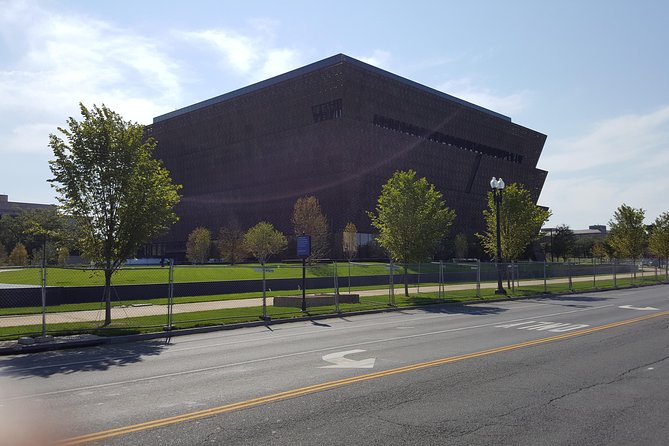
- Ending at the National Museum: How to Use Your Time Until 5:30 pm
- Should You Book This African American History Tour in Washington DC?
- FAQ
- How long is the African American history tour?
- What does the $90 per person price include?
- Do I need to buy a separate ticket for the National Museum of African American History and Culture?
- Where do I meet the tour, and where does it end?
- Which days include an inside visit to the Frederick Douglass house?
- What is the maximum group size?
- Is the tour offered in English, and are service animals allowed?
Key Highlights to Know Before You Go
- Small-group tour (max 21) keeps the experience personal and question-friendly
- Same-day museum tickets are included at the end, and you can stay until 5:30 pm
- Frederick Douglass timing matters: inside visits are offered Tuesday, Wednesday, and Saturday
- Marian Anderson at Constitution Hall is covered as a key civil rights turning point
- LeDroit Park and Black Broadway show how culture, entertainment, and integration intersected
What You Get for $90, Plus the Value of Museum Access
At $90 per person for a 3.5-hour guided outing, the value is mostly about two things: transportation plus a tight, guided history sweep, and the museum ticket that would cost you separately on most trips. You’re not just hopping between photo stops. You’re getting a guided storyline that explains what you’re looking at and why it matters.
The tour also includes bottled water and an air-conditioned vehicle, which is a big deal in DC heat or humidity. Many stops are exterior or free to enter, so your money goes toward interpretation, pacing, and making sure you end with a plan for the National Museum of African American History and Culture.
Other Washington DC outings to compare
- Guided African American History Tour with Reserved Museum Entry
★ 4.5 · 1,180 reviews - Smithsonian Museum of Natural History – Exclusive Guided Tour
★ 5.0 · 446 reviews - National Mall Tour with 10 Stops & U.S. Capitol or Museum Entry
★ 4.5 · 331 reviews
Getting Started at 9:30 am: Where the Tour Meets You and How It Runs
You’ll start at US Navy Memorial Plaza, 701 Pennsylvania Ave NW with a 9:30 am departure. The tour ends at the museum at 1400 Constitution Ave NW. It’s designed as a half-day plan, so it works well if you want a strong history anchor early and then more freedom later.
This is also the kind of tour where small-group size helps. With a maximum of 21 travelers, you’re more likely to hear your guide answer your questions without feeling lost in a crowd. And since the ticket is mobile, it’s meant to be simple to manage on the day.
If you’re sensitive to walking, keep your pace in mind. The schedule includes several memorial areas and at least one place where steps come into play. Comfortable shoes are not optional, they’re just smart.
NCNW Headquarters First: Why This Stop Sets the Theme
One of the early stops is the Headquarters of the National Council of Negro Women (NCNW) at 633 Pennsylvania Avenue NW. It matters because it anchors the tour in leadership, institution-building, and civil rights work that isn’t limited to protest moments.
The NCNW was founded in 1935 by Mary McLeod Bethune and has been headquartered in this building since 1953. The location is also easy to connect with the broader DC story since it sits a few blocks from the White House.
You’ll learn how the building came to be, including the fact it was originally constructed in the late 19th century as a commercial office building. Then, in 1942, it was purchased by NCNW with support from a Federal Housing Administration loan. That shift from commercial space to a national civil rights organization site is a great example of how African American leadership shaped real institutions, not just headlines.
U.S. Capitol and White House: Standing Near the Moments That Changed Everything
From NCNW, the tour heads toward the U.S. Capitol for about 20 minutes. You’ll stand where the inauguration of President Obama took place and hear stories about how enslaved people helped build the Capitol and the White House. It’s also a stop where the guide connects Supreme Court decisions to the lived reality of people of color for decades.
Then there’s a White House stop for about 15 minutes. The tour time is short, and admission is not included, so treat this as an exterior viewing and story stop rather than a museum inside a building. Still, hearing how African Americans contributed, from enslaved workers tied to the early house to the presidency of Barack Obama, changes the way you look at an iconic postcard view.
Same corner of the map, another day out:
- DC Memorials Night Tour: Glass-Roof Convertible Upgrade Option
★ 4.5 · 6,933 reviews - National Mall Monuments Night Tour with 10+ Stops, Entry Tickets
★ 4.5 · 4,863 reviews - Washington DC Monuments by Moonlight Tour by Trolley
★ 4.5 · 3,956 reviews - Hop-on Hop-off Sightseeing Tour by Open-top Bus with 18 Stops
★ 3.5 · 3,848 reviews
Marian Anderson, the Constitution Hall Story, and the Lincoln Memorial Meaning
One of the most powerful segments centers on Constitution Hall, tied to African-American contralto Marian Anderson and the racial discrimination that blocked her from performing there. The story focuses on April 9, 1939, when Eleanor Roosevelt helped make it possible for Anderson to perform on the steps of the Lincoln Memorial in front of a crowd of 75,000.
This stop is especially worth it because it shows how culture and civil rights collided in a public way. You’re not just hearing that discrimination existed. You’re seeing how a blocked opportunity turned into a national turning point.
Next comes the Lincoln Memorial for about 30 minutes. Here, the guide doesn’t limit the experience to “Lincoln did this.” You’ll hear about African American events at the memorial, including the March on Washington, the Marian Anderson concert, and Robert Moton’s dedication speech for the memorial’s opening. That combination makes the Lincoln Memorial feel less like a single-person monument and more like a stage for civil rights history.
Martin Luther King, Jr. Memorial: How the Quotes and Design Become a Timeline
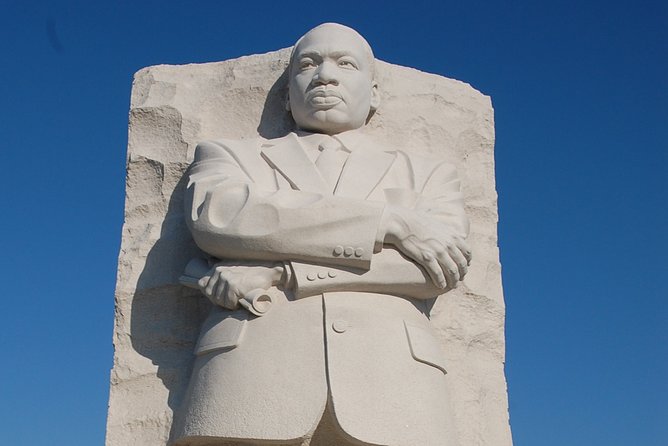
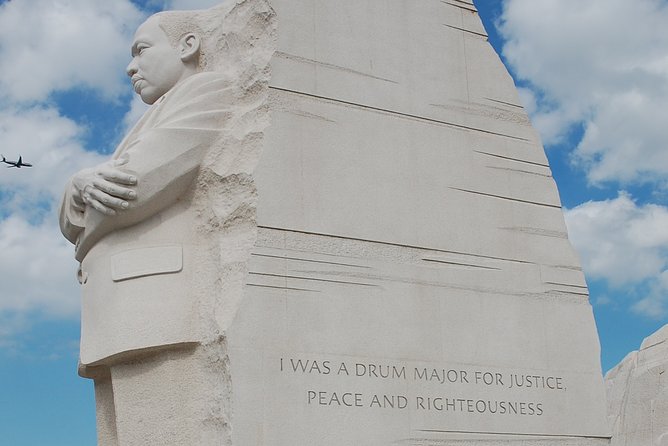
The Martin Luther King, Jr. Memorial stop is around 15 minutes, and it’s built for quick but memorable learning. You’ll get guided explanations of the inscription wall with 14 quotes, plus key elements like the Mountain of Despair and the Stone of Hope.
You’ll also learn facts about how the memorial was made. Even if you’ve seen the King Memorial before, a guided explanation helps you read it like a narrative. Instead of “nice sculpture and photos,” you start noticing the message structure, where the emotions shift, and what the monument is pushing you to reflect on.
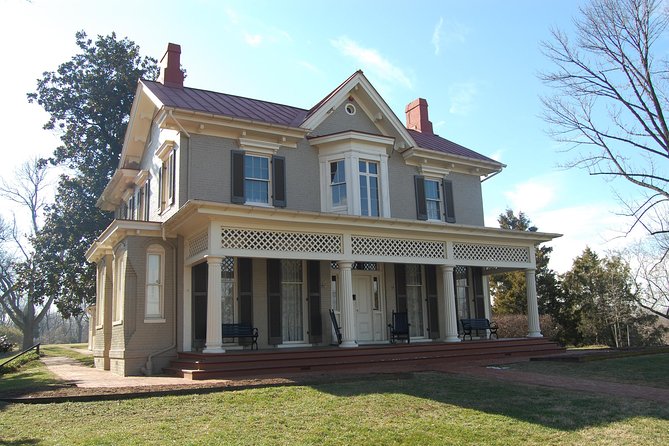
Frederick Douglass National Historic Site: Plan for Steps and Day-Specific Visits
At about 20 minutes, the Frederick Douglass National Historic Site is one of the busiest learning moments on the route. The big practical point is day-specific access:
- Tuesday, Wednesday, and Saturday: you get an inside walking tour of the Douglass house
- Other days: the tour drives past and shares the home history from outside
- Sunday and Monday: both homes are closed, so the schedule shifts
If your itinerary lands on the “outside drive-by” day, you can still enjoy the stories, but you won’t get the full house experience. This is the kind of detail that can change your whole satisfaction level, so choose your tour day with intention.
Also, yes, there are steps involved. One of the clearest cautions from feedback is that the walking up the steps can be challenging for some visitors. If you have mobility limits, this is the stop to think about first.
Civil War Memorial Museum and the Names You Can Read on the Plaques
The African American Civil War Memorial Museum stop is shorter at about 10 minutes, but it’s direct and moving. You’ll learn about 209,000 African American troops and sailors who fought in the Civil War. The memorial was dedicated in 1998, and you’ll be guided to read plaques with the names of all the USCT found in the 166 regiments.
You’ll also see the statue called Spirit of Freedom, created by Ed Hamilton. Even in a short visit, that kind of naming and specificity changes the emotional weight. It’s not abstract. It’s people with written names and organization you can point to.
LeDroit Park, Dunbar High, Howard Theatre, and Howard University: The City’s Cultural Engine
The tour includes a segment focused on LeDroit Park, which is known for its layered cultural and intellectual history. The neighborhood originally was built for white professors of Howard University, then homes were sold to both Black and white buyers, making it one of the city’s early integrated communities.
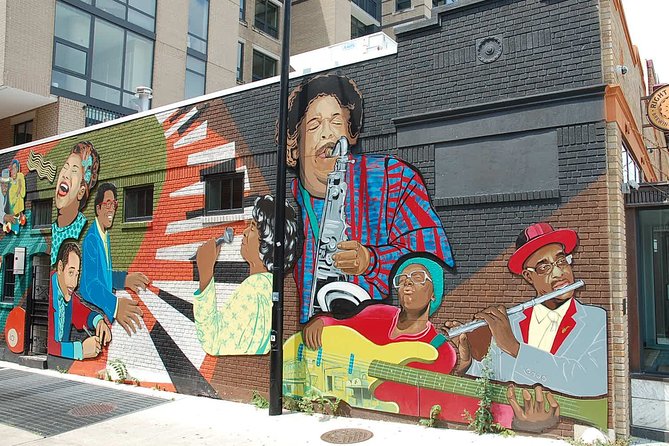
You’ll also hear how LeDroit Park became part of the cultural swing of the early 20th century, including entertainment that earned the area the nickname Black Broadway. Prominent African American leaders tied to the neighborhood include Mary Church Terrell and Duke Ellington, and the tour helps connect people to the places you’re passing.
Later on, you’ll drive past major educational and arts sites:
- Dunbar High School, founded in 1870 as the first public high school for African Americans in the United States
- Howard Theatre, opened in 1910, designed and operated by African Americans during segregation
- Howard University, established in 1867, with 13 schools and notable graduates such as Thurgood Marshall, Elijah Cummings, Taraji Henson, and Toni Morrison
For the Howard Theatre, you’ll learn it hosted major performers like Duke Ellington, Billie Holiday, Ella Fitzgerald, and Marvin Gaye, plus comedians connected to the “Chitlin’ Circuit.” This helps you understand that Black cultural life wasn’t peripheral. It was a major engine of American arts, even under restrictions.
Carter G. Woodson and the Bethune Connection Before the Museum Ticket
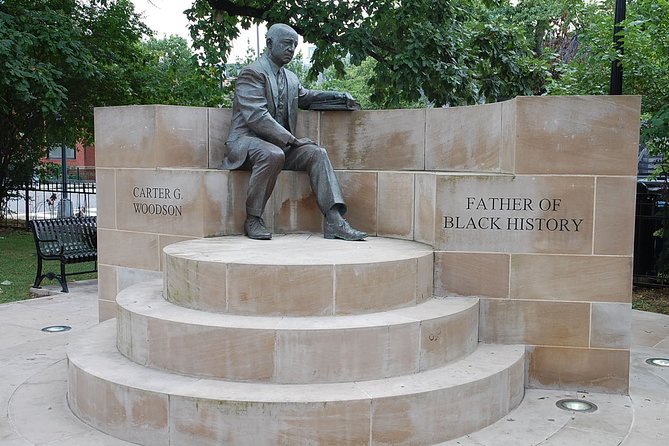
On the drive, the tour includes the Carter G. Woodson House, connected to Woodson, who is credited with creating Black History Month. If you’re building your own DC context, this is one of the helpful “name to legacy” moments. It ties scholarship to public memory and gives you a shortcut to understanding why certain institutions and commemorations exist.
Then comes Mary McLeod Bethune Council House. The tour typically drives past the Bethune Council House, because Bethune purchased the home in 1943 and the house style is described as second French Empire. You may also get a house tour on Thursday to Saturday, time permitting.
That scheduling detail matters. It’s another reason you’ll enjoy the tour more if you treat it like a plan, not just a random sightseeing loop. When you match the day to what’s open, you get the full “see, then understand” experience.
Ending at the National Museum: How to Use Your Time Until 5:30 pm
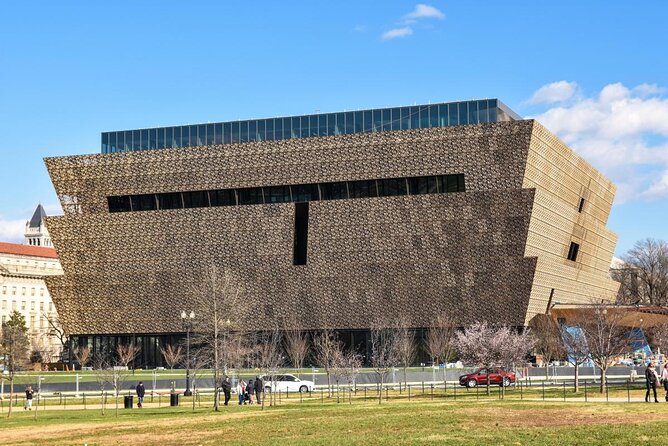
At the end of the 3 hour 30 minute tour, you receive the tickets for the National Museum of African American History and Culture. The key point is that the tour has to be completed to get the museum ticket.
Once you’re inside, you can stay until 5:30 pm, when the museum closes. That’s the practical advantage here: you’re not forced to rush through your museum visit right after the drive. You can choose what to prioritize and take your time reading, listening, and seeing.
One of the strongest signals from feedback is that the museum experience gets much better when you use the museum in a smart order. If you want a simple approach, plan to start at the bottom floor so you build the story step by step.
If you’re traveling with kids, this ending works well because it turns the guided tour into a self-paced learning block. A shorter guided morning plus a guided-free museum afternoon is a nice rhythm.
Should You Book This African American History Tour in Washington DC?
Book it if you want a well-paced half-day that hits the Capitol, White House area stories, Lincoln Memorial, MLK Memorial, Douglass house, and a museum ticket without extra planning. This tour is especially good for first-timers who want context fast, and for repeat visitors who want neighborhoods and names they might miss on their own.
Skip or at least reconsider if you strongly prefer a very low-walking schedule, because steps and walking are part of the program. Also consider the Frederick Douglass house day rules, since your experience changes based on the day you travel. If you pick your date with that in mind, you’ll get a smoother, more rewarding day.
Bottom line: for $90, you’re paying for guiding plus museum access. If you value story-driven sightseeing and you’re okay with walking, it’s a solid way to see Washington DC with meaning.
FAQ
How long is the African American history tour?
The tour runs about 3 hours 30 minutes (approx.).
What does the $90 per person price include?
It includes tickets to the National Museum of African American History and Culture, bottled water, and an air-conditioned vehicle.
Do I need to buy a separate ticket for the National Museum of African American History and Culture?
No. You receive same-day museum tickets at the end of the tour, after you complete the walking and driving portion.
Where do I meet the tour, and where does it end?
You start at US Navy Memorial Plaza, 701 Pennsylvania Ave NW, Washington, DC 20004, and the tour ends at the National Museum of African American History and Culture, 1400 Constitution Ave NW, Washington, DC 20560.
Which days include an inside visit to the Frederick Douglass house?
An inside walking tour of the Frederick Douglass house is offered on Tuesday, Wednesday, and Saturday. On other days, the tour drives past and tells the home history.
What is the maximum group size?
The tour has a maximum of 21 travelers.
Is the tour offered in English, and are service animals allowed?
The tour is offered in English, and service animals are allowed.
Newest Washington DC reviews on the site
- DC: White House, National Mall and Lincoln Memorial Tour★ 4.1 · 279 reviews
- DC: Capitol and Library of Congress Guided Small-Group Tour★ 4.6 · 261 reviews
- Washington DC: Monuments and Memorials Bike Tour★ 4.8 · 399 reviews
- Washington DC: Sightseeing Tour with Potomac River Cruise★ 4.7 · 311 reviews
- Washington DC: Monuments by Night Bike Tour★ 4.3 · 254 reviews
- Washington DC: National Mall Tour by Electric Vehicle★ 4.8 · 1,206 reviews
- Washington DC: Night Tour with 10+ Stops, Admission Tickets★ 4.6 · 286 reviews
- DC: Capitol Hill and Library of Congress Tour with Tickets★ 4.7 · 1,125 reviews
Washington DC Tours, compared.
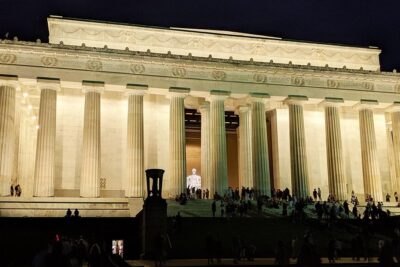
DC Memorials Night Tour: Glass-Roof Convertible Upgrade Option
Read our review →
National Mall Monuments Night Tour with 10+ Stops, Entry Tickets
Read our review →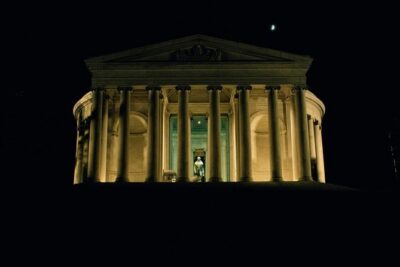
Washington DC Monuments by Moonlight Tour by Trolley
Read our review →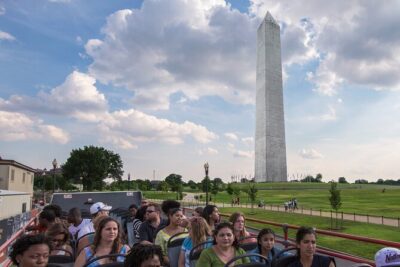
Hop-on Hop-off Sightseeing Tour by Open-top Bus with 18 Stops
Read our review →
Washington DC in One Day: Guided Sightseeing Tour
Read our review →
DC Monuments and Capitol Hill Tour by Electric Cart
Read our review →
Washington DC Moonlight Tour by Electric Cart
Read our review →
Washington DC Hop-On Hop-off Trolley Tour with 15 Stops
Read our review →Browse the lists this tour appears in